THE CONCORDANCE
isolation
Alone where no one will hear.
Africa & the Middle East · 8
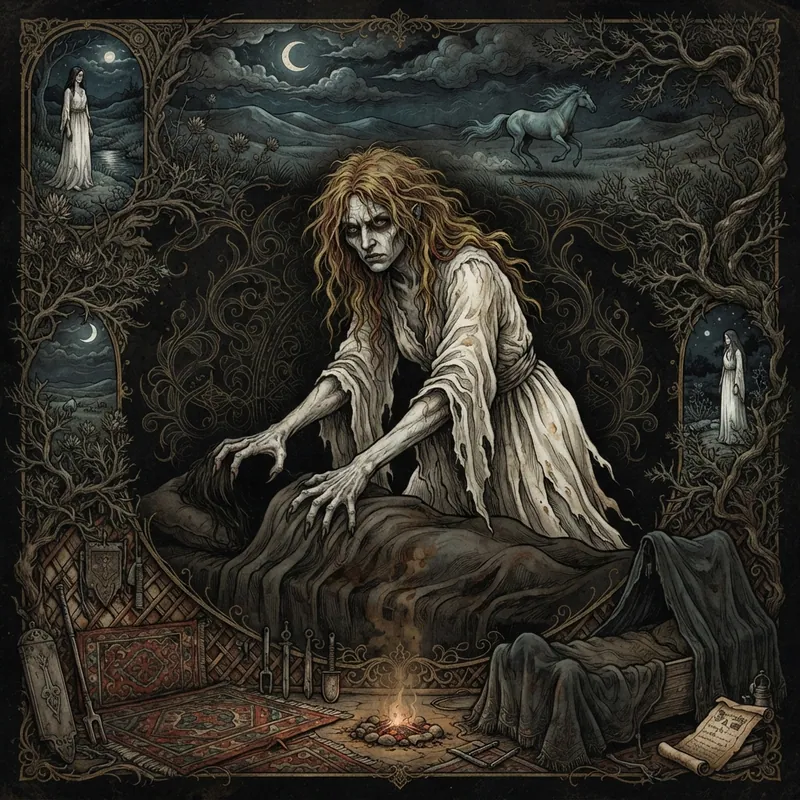
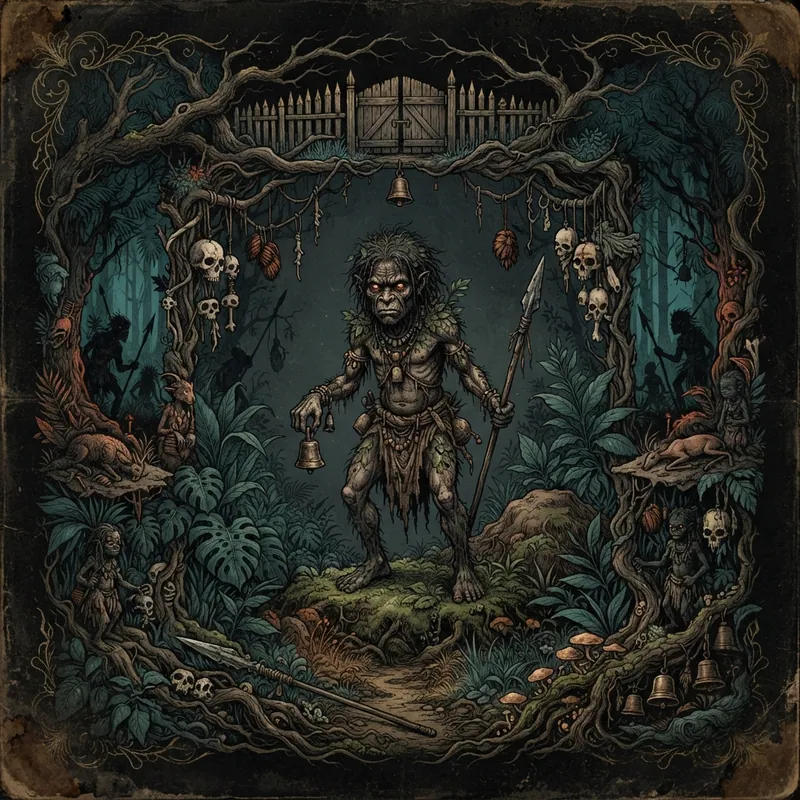
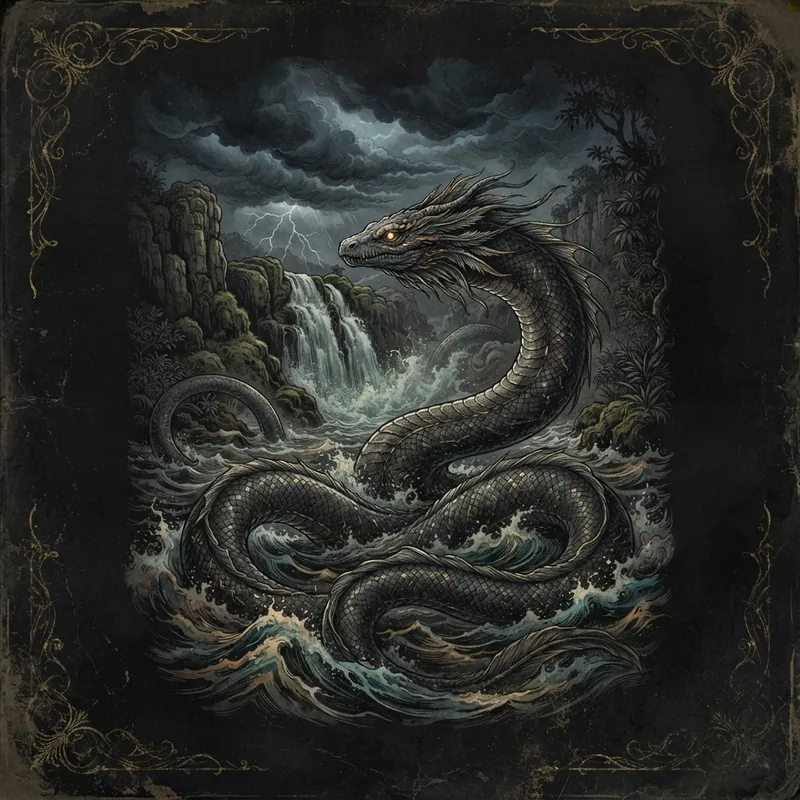
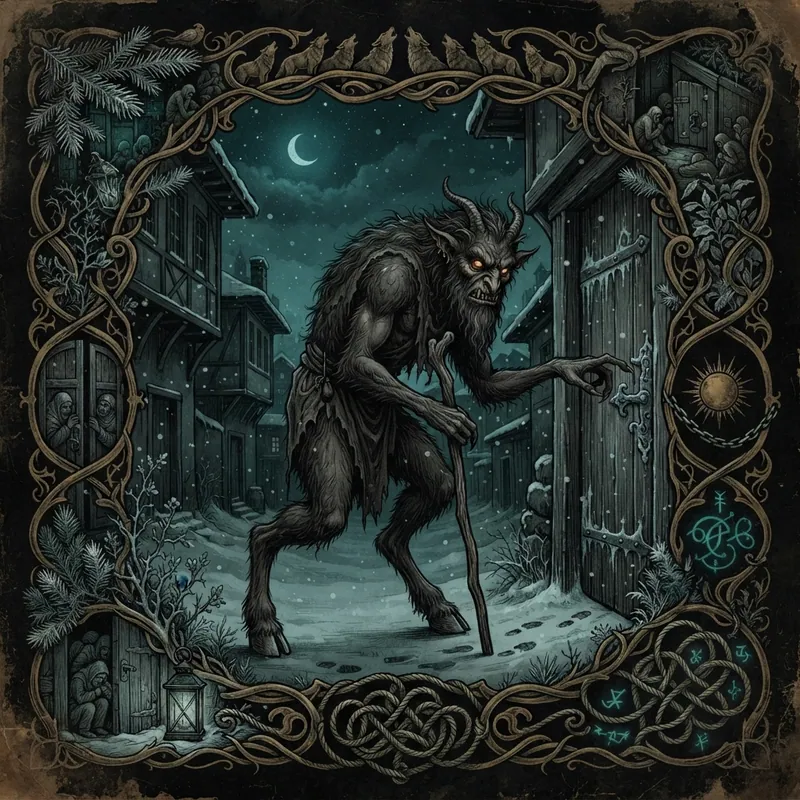
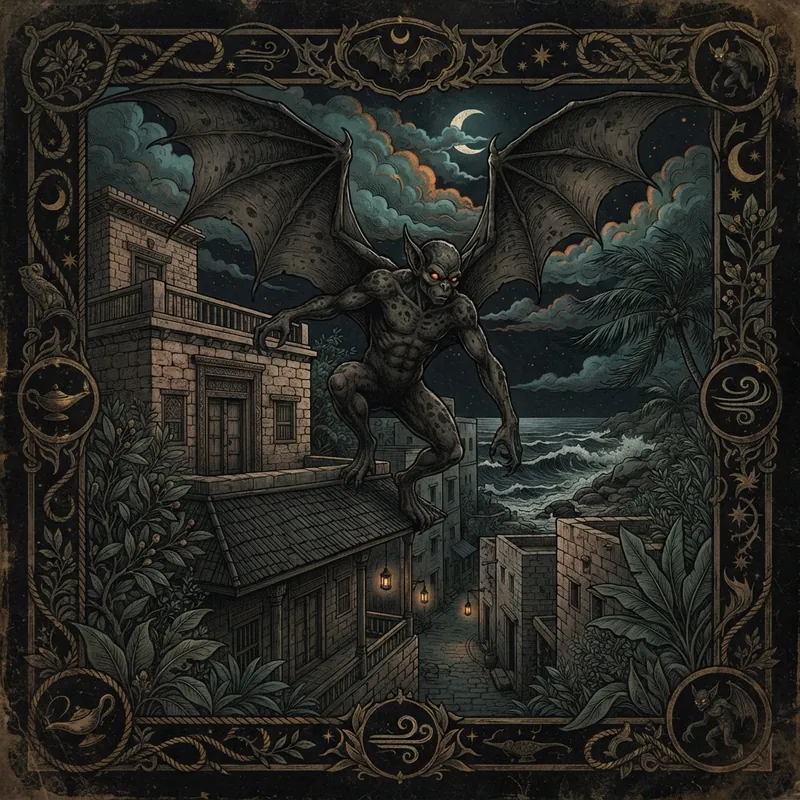
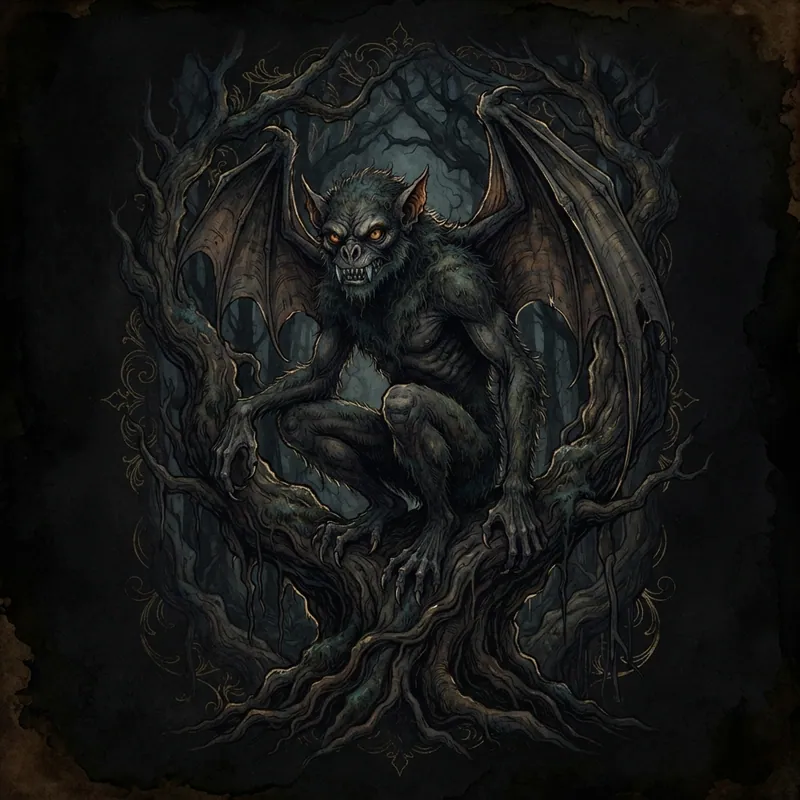
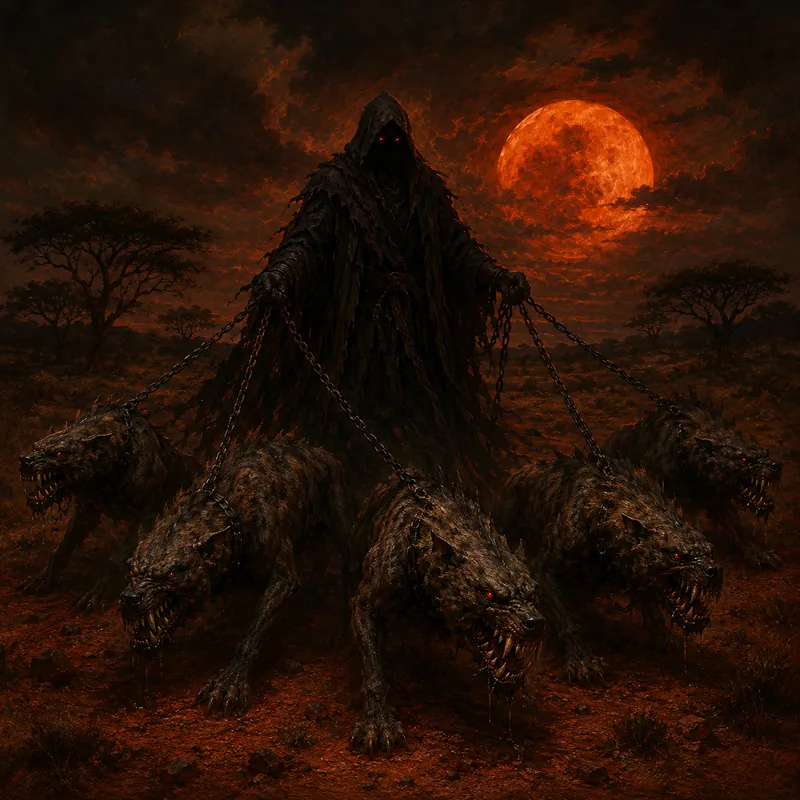
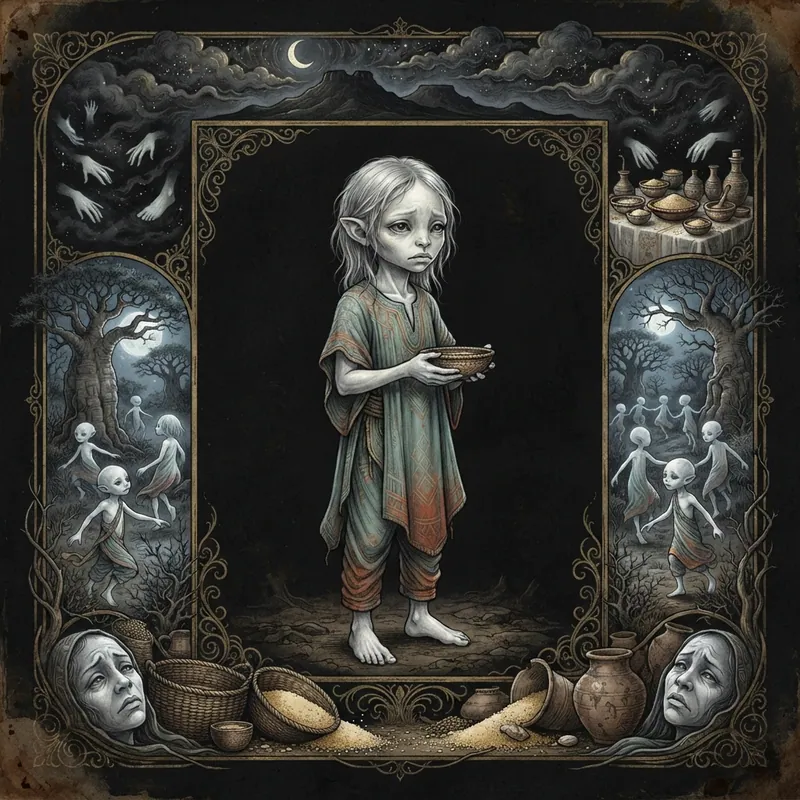
AlbastiAlbasty (Albastı, Albasly, Albarsty and many local forms) is a female being known across Turkic Central Asia, the Volga, the Caucasus, and Anatolia. On the steppe she is foremost a childbed demon; in some regions a disease-presser or, in older layers, a guardian of birth later recast as harmful.ElokoAmong the Mongo-Nkundo of the Congo basin, an eloko (plural biloko) is a small, fierce forest being, often spoken of as an ancestral spirit that guards game and fruit and hunts the living. Tales warn of a little bell that casts a spell on anyone who answers it.InkanyambaA large serpentine being associated especially with Howick Falls and summer storms in Zulu and related traditions. Weather, place, and being are bound together.KarakoncolosKarakoncolos (Turkish kara concolos; Balkan karakondzho, karakondžula; Greek kallikantzaros) names a cluster of hairy winter spirits who walk during the coldest, liminal nights. They harass households, pose impossible questions, and vanish when the sun’s order returns.PopobawaA feared shetani of Zanzibar and the Swahili coast, named for the bat-wing shadow of its night visits rather than any single body. Accounts describe a shapeshifter that enters houses, attacks sleepers, and binds victims by forcing the story to be told.SasabonsamA forest being in Akan lore, often described with iron teeth and a taste for those who enter the deep woods carelessly. Part of a wider West African forest-warning tradition.The NightwardThe guardian-spirit of the Highveld night: a hooded warder who walks the dark with five leashed, hyena-shouldered hounds. Fearsome to look upon, but his menace is turned outward — he stands between the sleeper and whatever else moves after dark, and is remembered most often as a protector of children who wake in the small hours.YumboesYumboes, also called Bakhna Rakhna (“Good People”), are small pearly-white beings of Wolof and Lebou lore around Gorée. The principal written account is Thomas Keightley’s, taken from a woman who heard it from a Wolof maid: they feast under the Paps, steal couscous, and lament the families they attach themselves to.
 ☾
☾ ♧
♧ ≈
≈ ☾
☾ ◎
◎ ♧
♧ ☾
☾ ❋
❋Asia & the Isles · 11
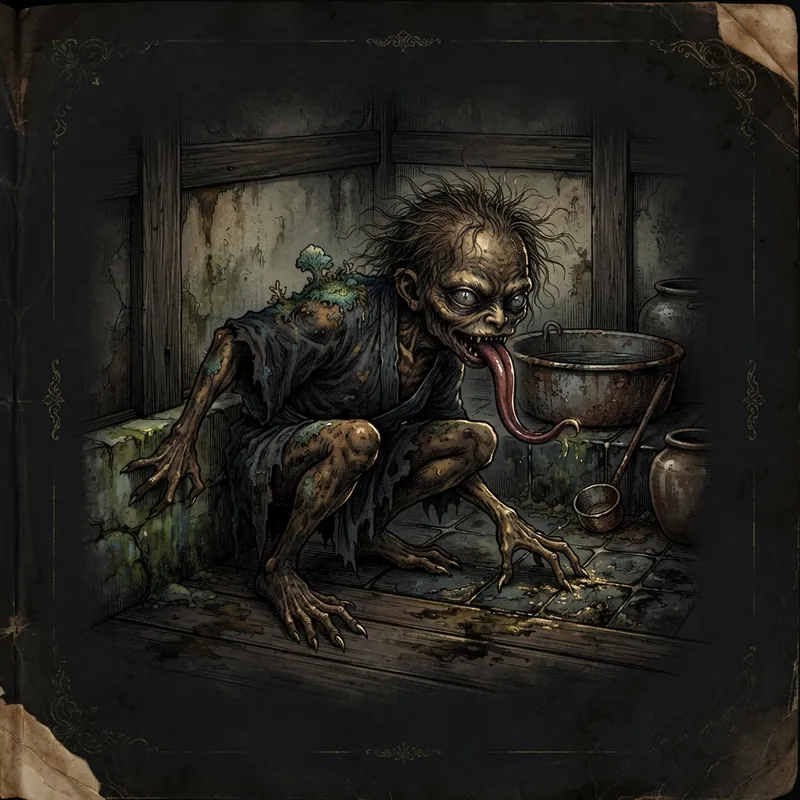
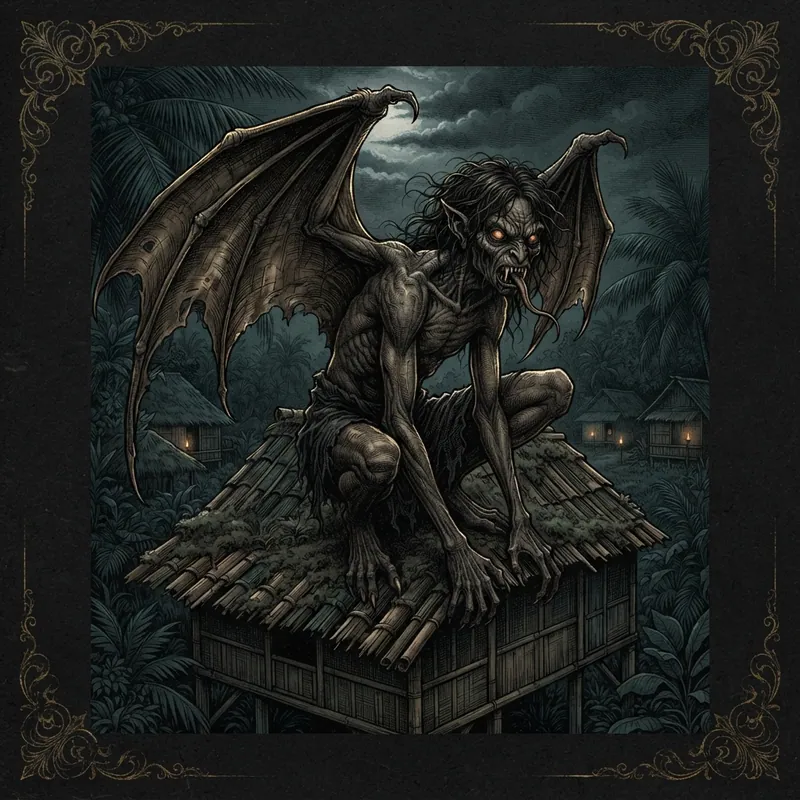
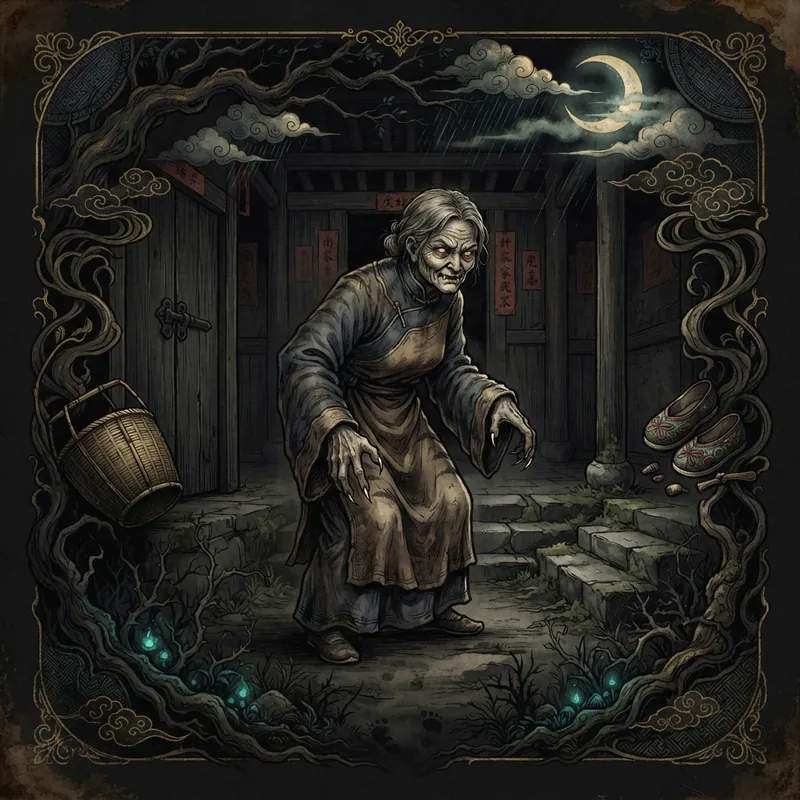
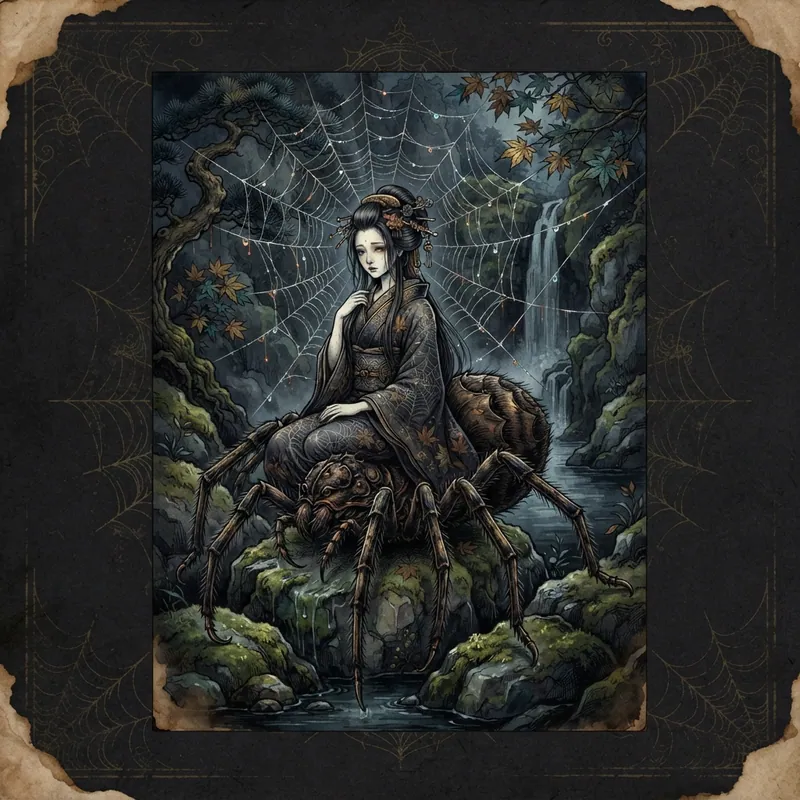
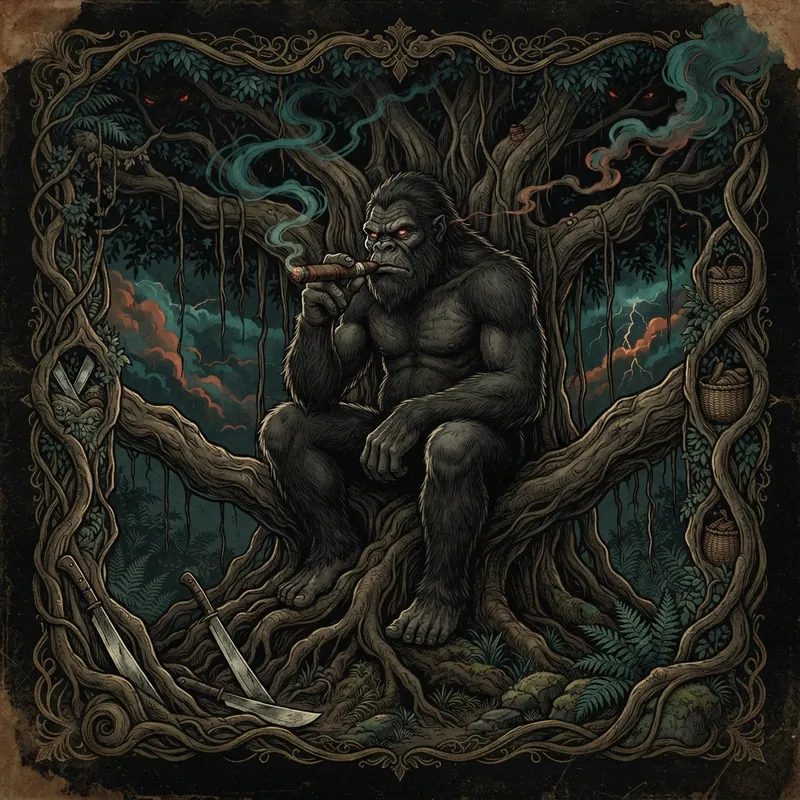
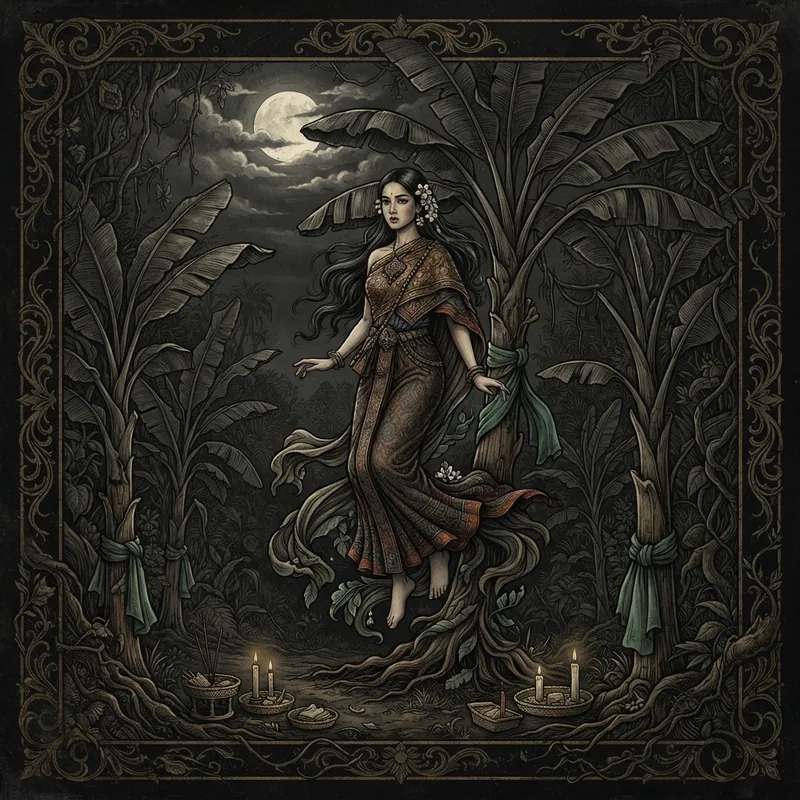
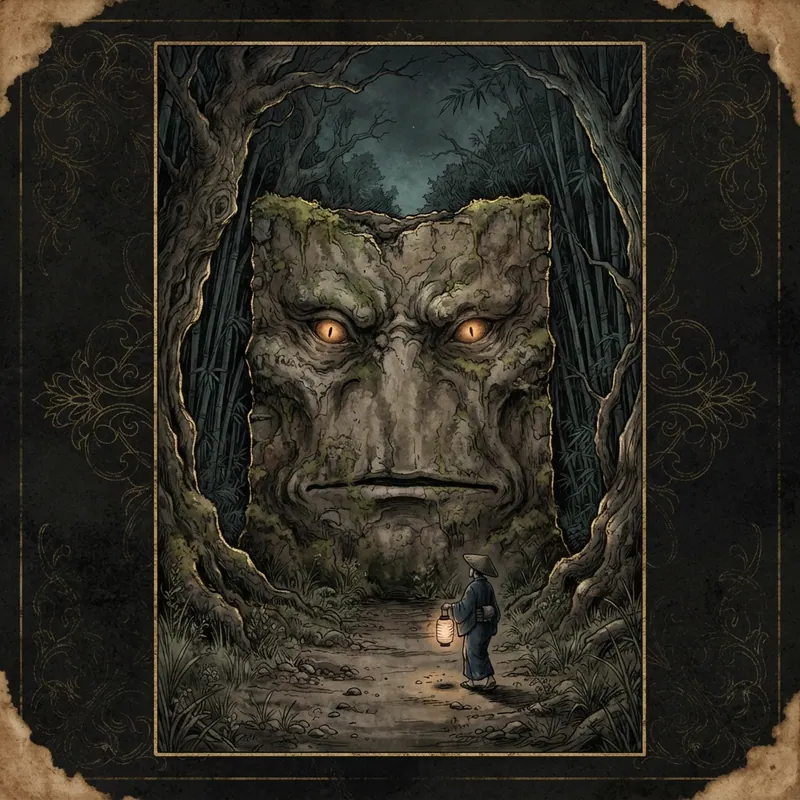
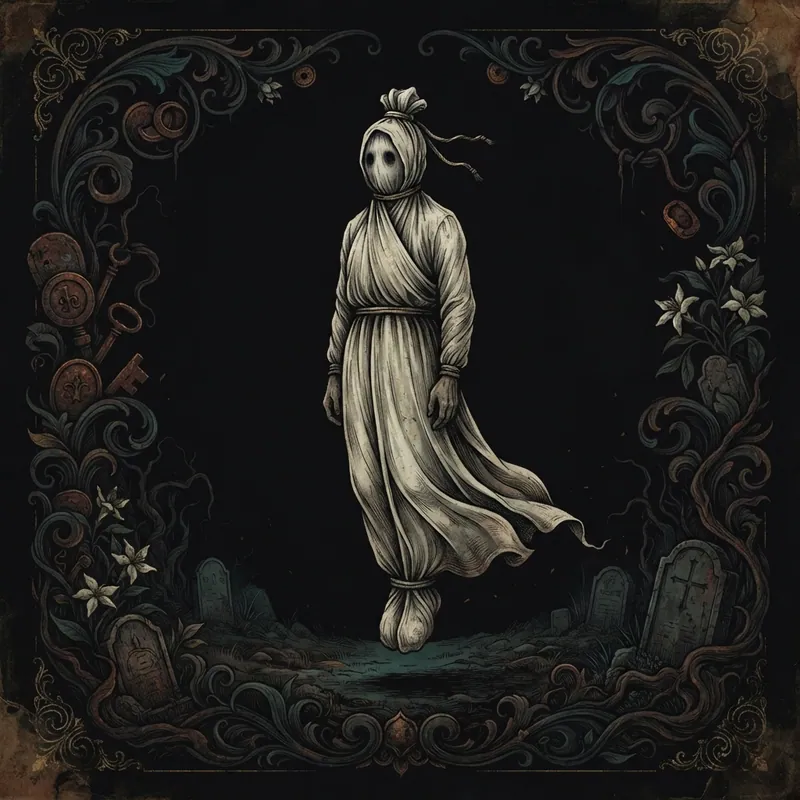
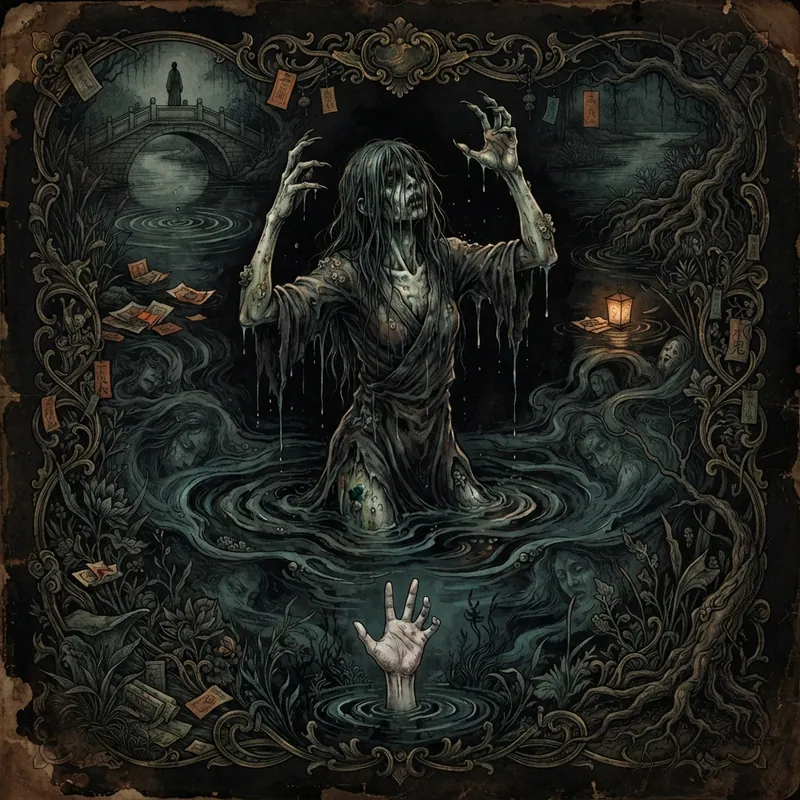
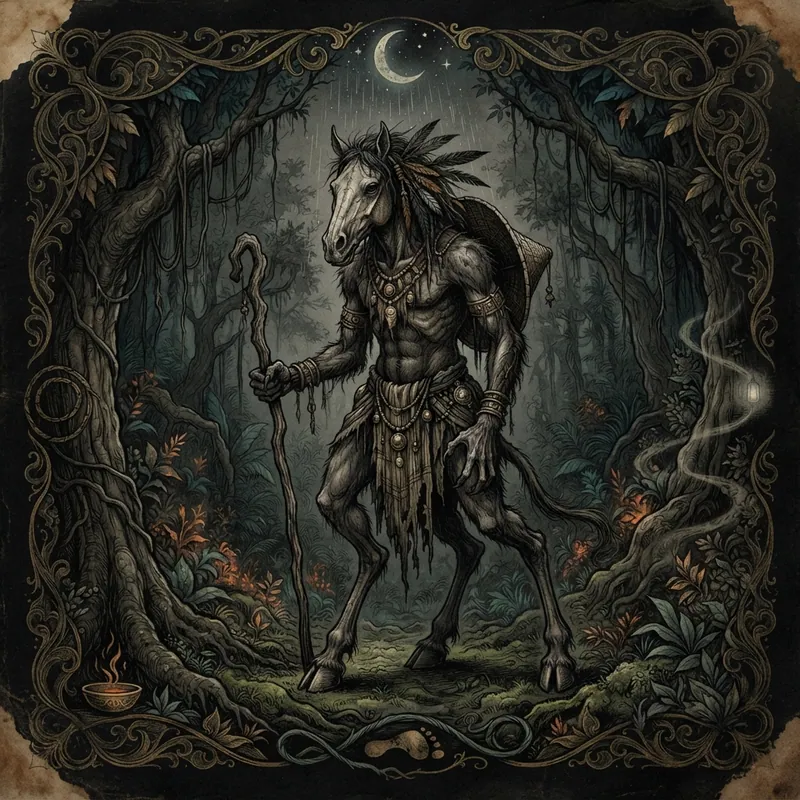
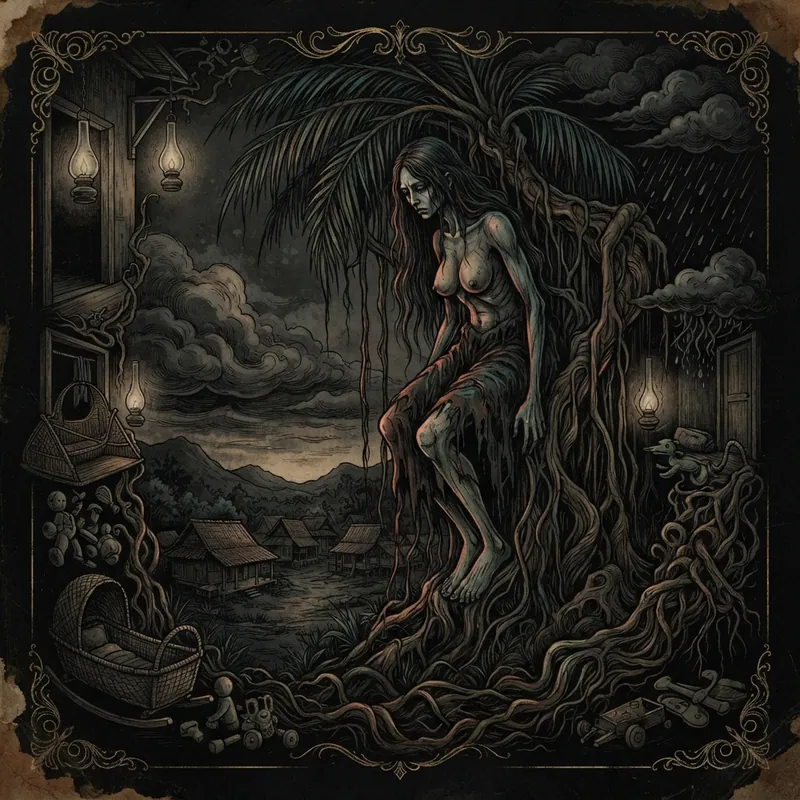
AkanameA yōkai associated with dirty bathrooms and neglected washing places, said to lick up the grime. A domestic warning dressed as a grotesque visitor.AswangAswang is a broad, regionally varied Philippine category encompassing several frightening beings and stories rather than one fixed creature.Hú Gū PóHú Gū Pó, Grandaunt Tiger: a Hakka and Taiwanese ogress-tale of a tiger who becomes an old woman to eat children. A cautionary bedtime story, not a hunting manual.JorōgumoA spider yōkai in Japanese tradition, often imagined as able to take the form of a woman and lure travellers.KapreA tall, dark, hairy tree-dweller of Philippine folklore, often seen smoking in acacia, mango, bamboo, or balete. Mischief more than murder, unless the tree is cut.Nang TaniA Thai lady of the wood who inhabits clumps of wild kluai tani banana. Related to, but not the same as, Malay pontianak banana-grove motifs. Offerings and cloth on the trunk keep her favour.NurikabeA yōkai that appears as an invisible or plaster-like wall, blocking travellers at night. Folklore remedies include tapping the base; the joke and the dread share the same obstacle.PocongAn Indonesian ghost in the Islamic burial shroud. Folk belief holds that if the kain kafan’s ties are not undone in the grave, the dead may rise still wrapped. Hopping is a film sign; many accounts say a true pocong floats.Shui GuiThe water ghost of Chinese folk belief: the spirit of someone who drowned, lingering at that place and, in many accounts, seeking a living substitute so it may leave the water.TikbalangA Philippine forest being, now usually pictured as a tall, bony horse-headed humanoid, that misleads travellers. Early Spanish records call it a mountain phantom; the werehorse face arrived after horses did.Wewe GombelA Javanese female spirit who kidnaps children. Folklore also says she keeps neglected children kindly until their parents change. Fright and shelter occupy the same figure.
 ⌂
⌂ ◎
◎ ◎
◎ ◎
◎ ♧
♧ ♧
♧ ☾
☾ ✦
✦ ✦
✦ ♧
♧ ☾
☾Eastern Europe · 3
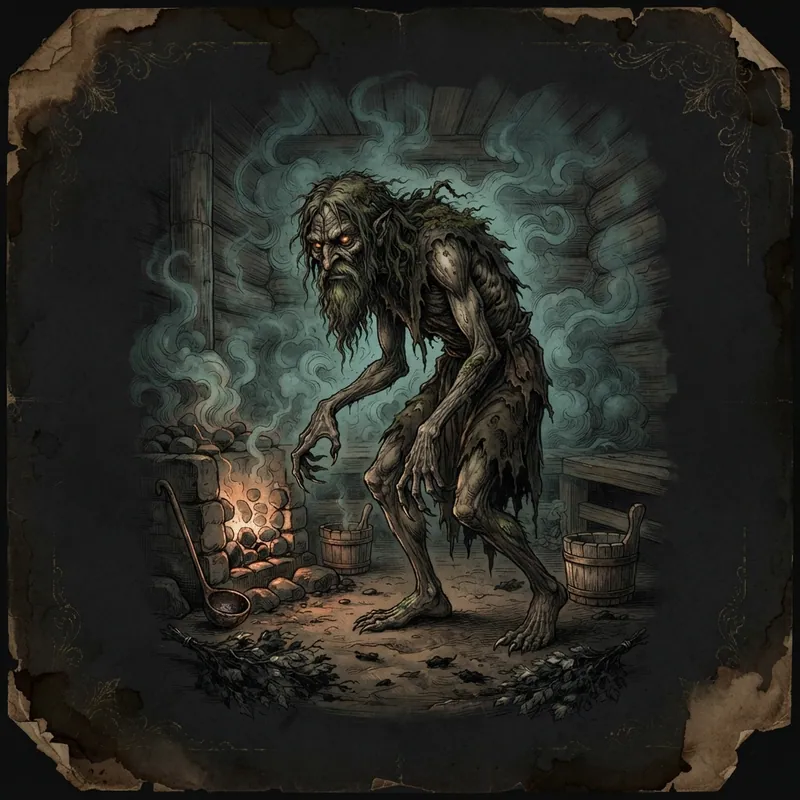
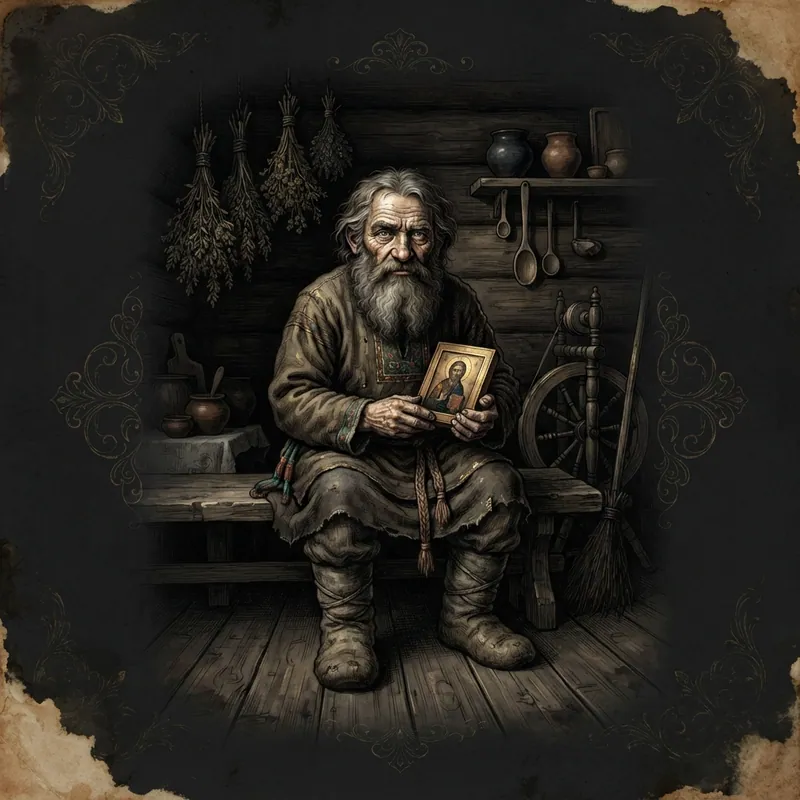
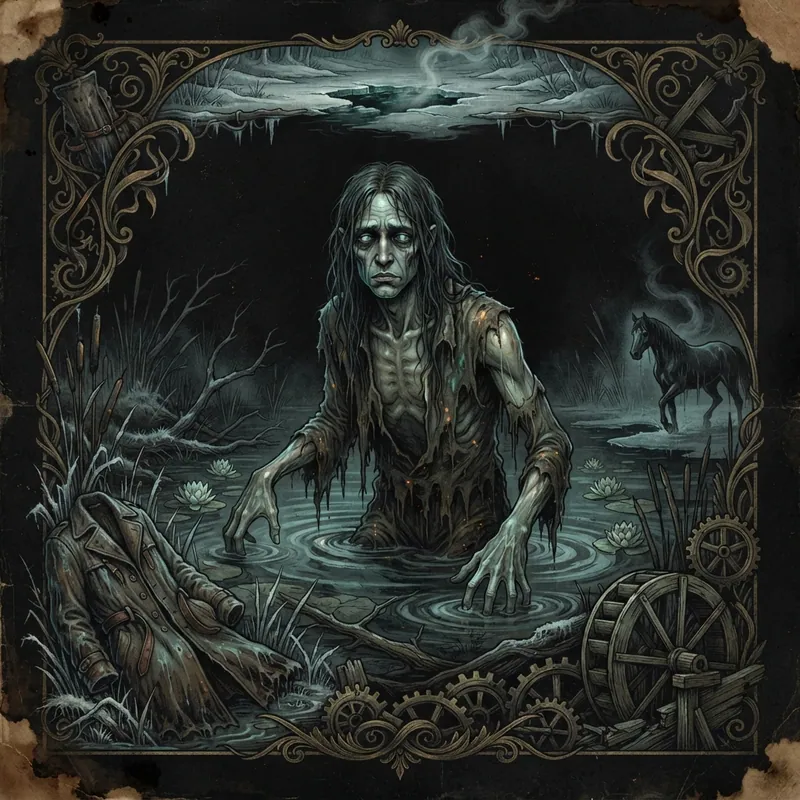
BannikThe spirit of the bathhouse in Russian folklore. Bathhouses were liminal, dangerous places; the bannik punished those who broke bathing etiquette or lingered after the proper hour.DomovoiA household spirit in Slavic folklore, connected with the wellbeing of the home and the obligations of those who live there.TopielecIn Polish folklore a topielec or utopiec is often the restless soul of someone who drowned, waiting in river, pond, or swamp to pull others under. Overlaps with wodnik, but is not identical to the rusalka of neighbouring lands.
 ⌂
⌂ ⌂
⌂ ✦
✦Europe & the North · 10
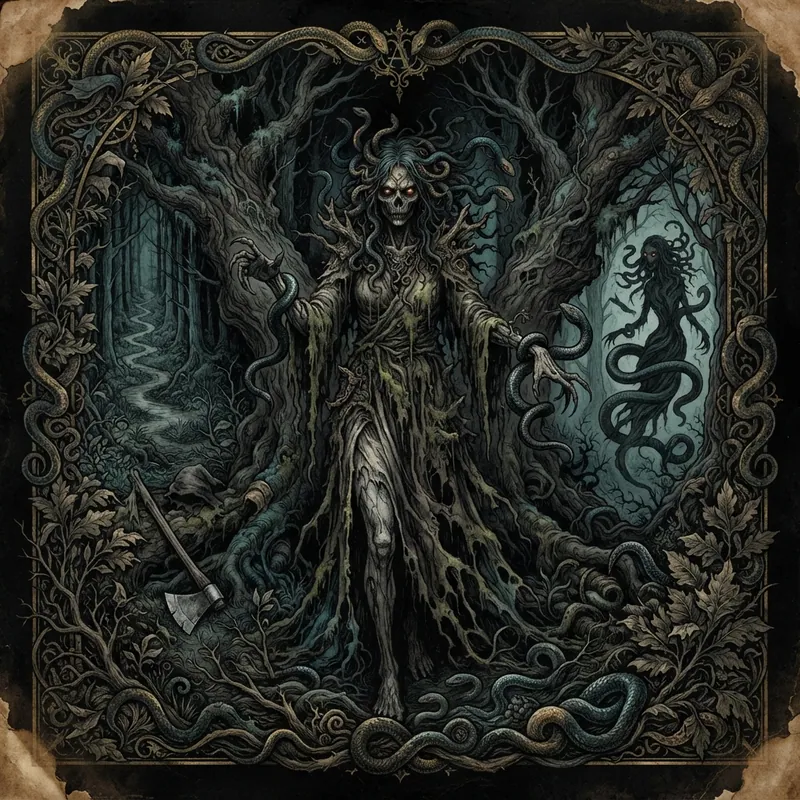
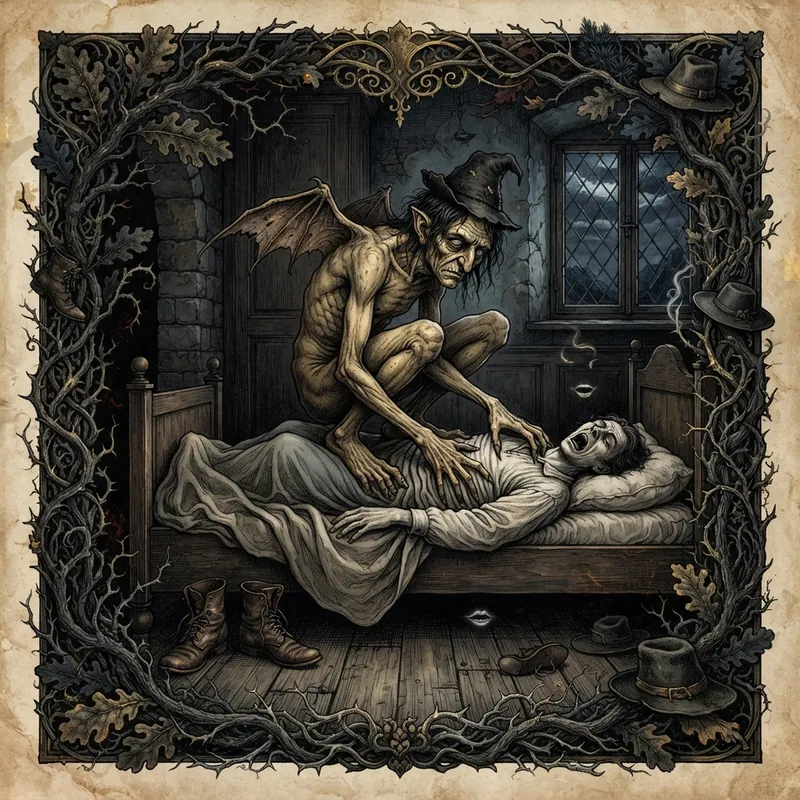
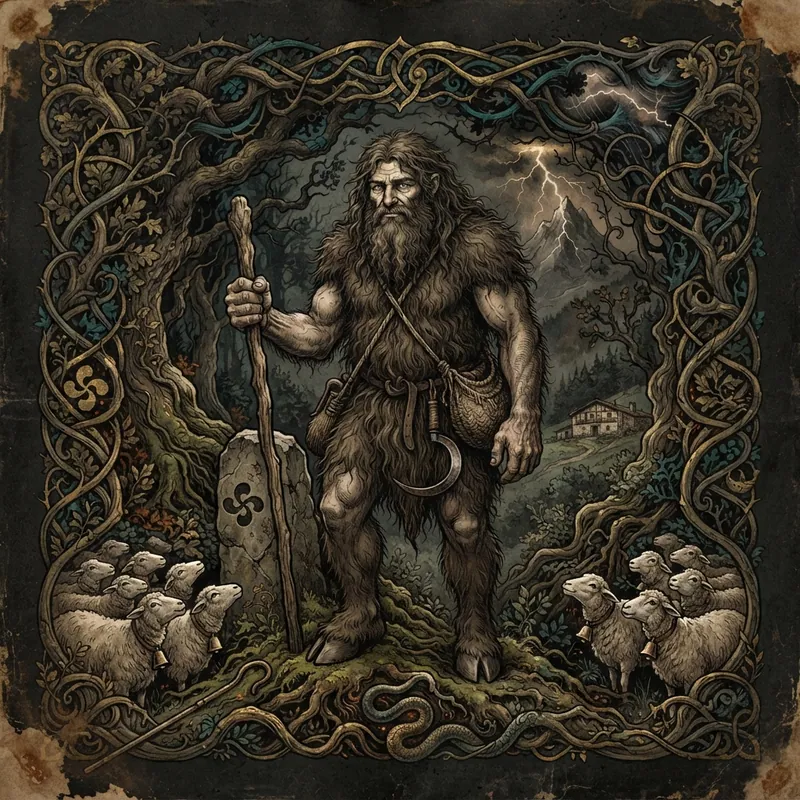
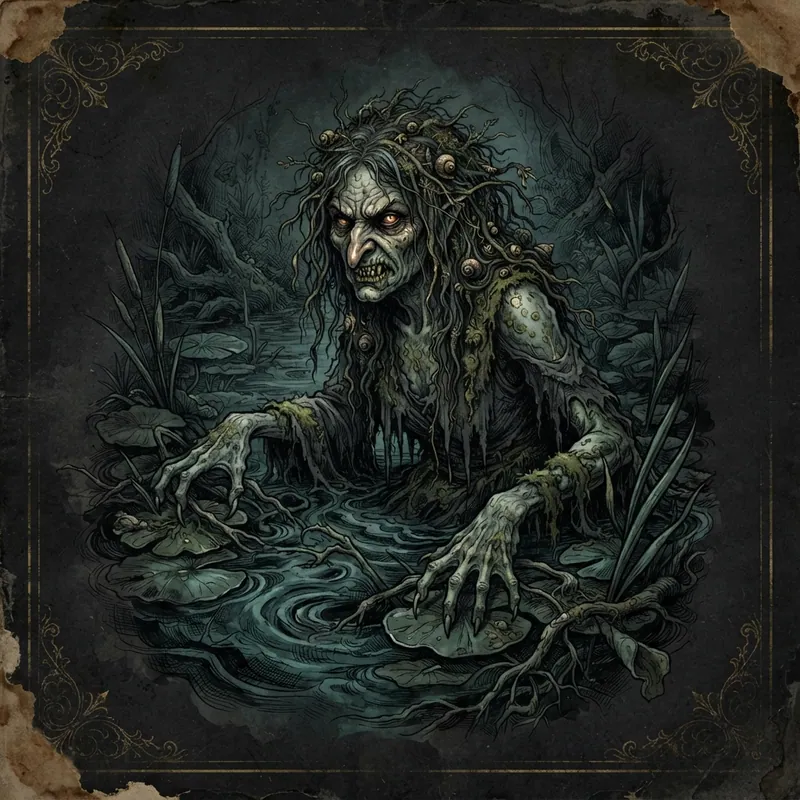
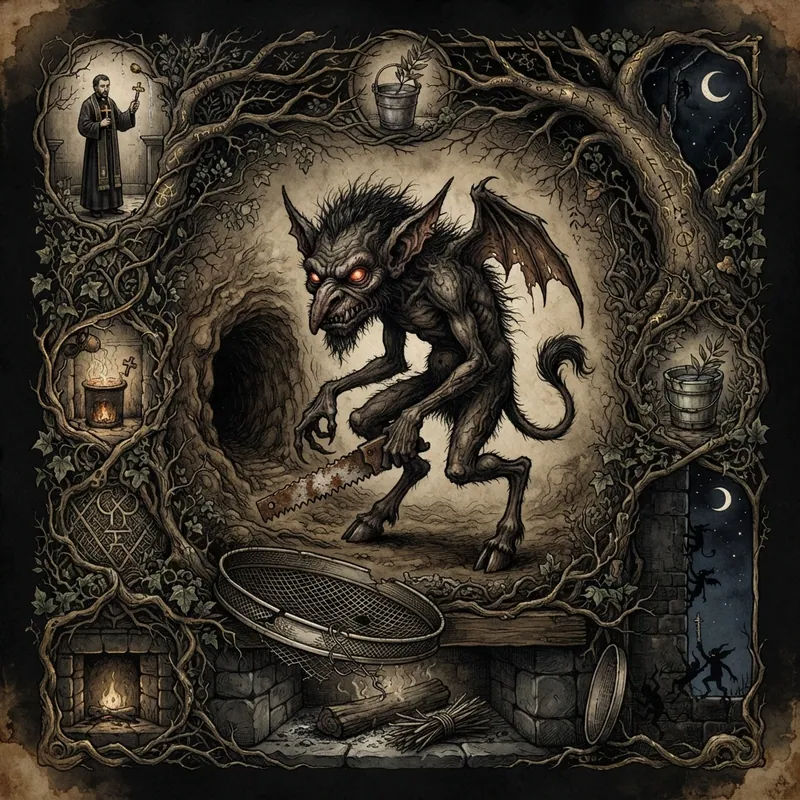
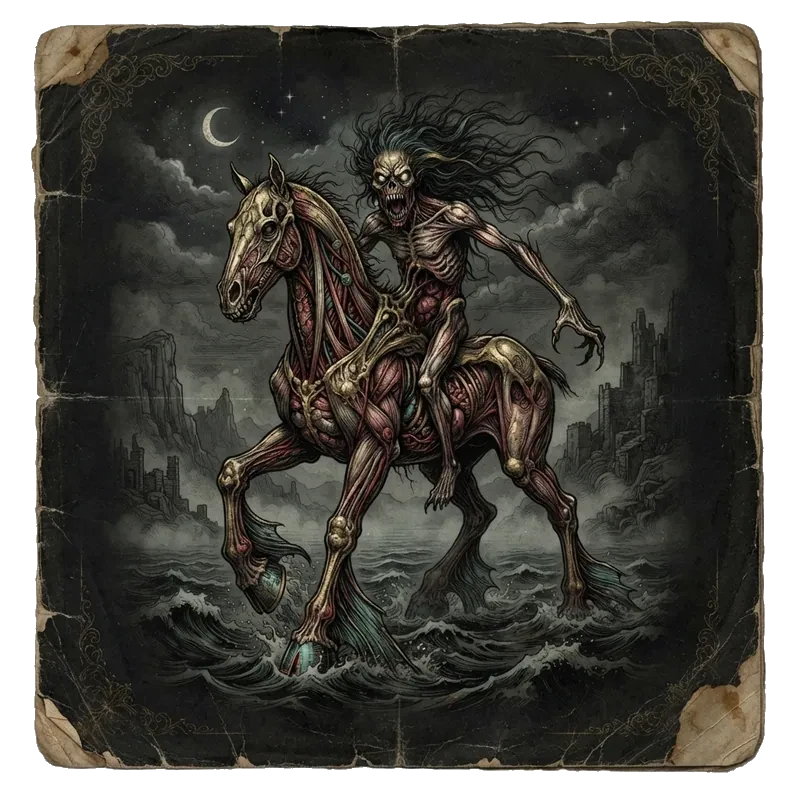
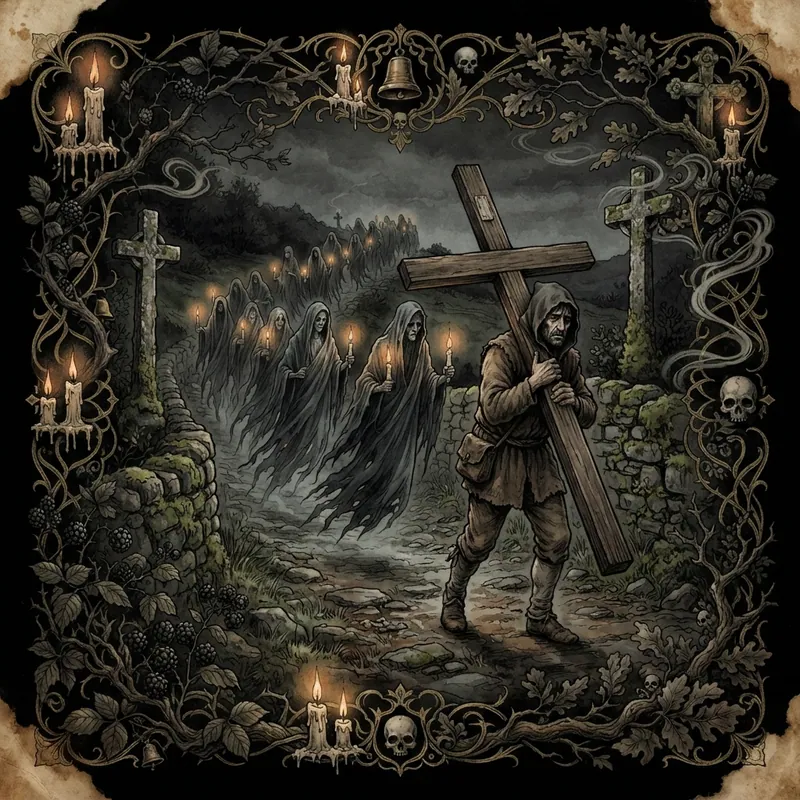
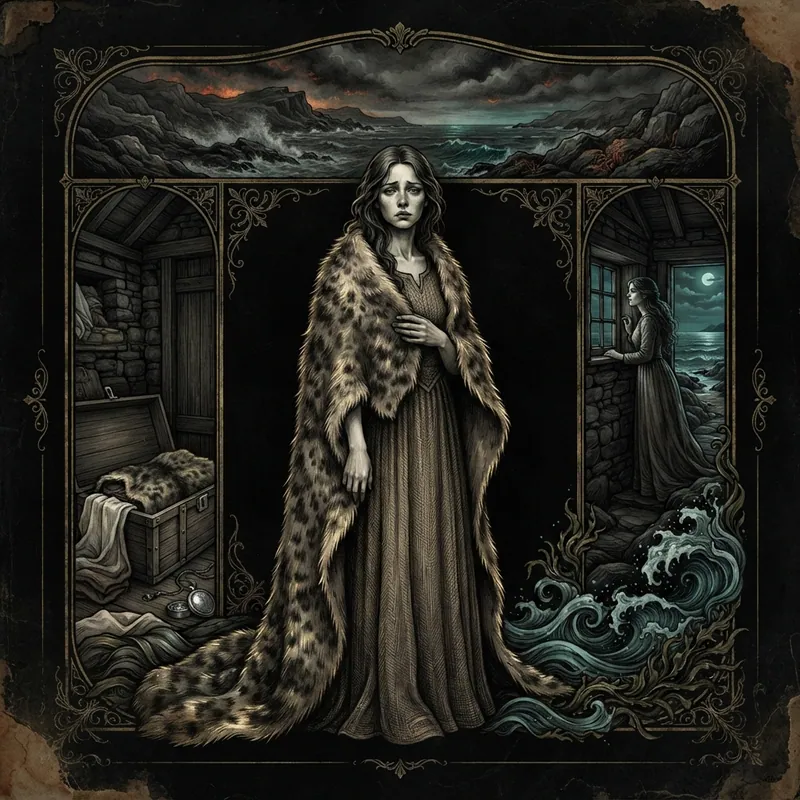
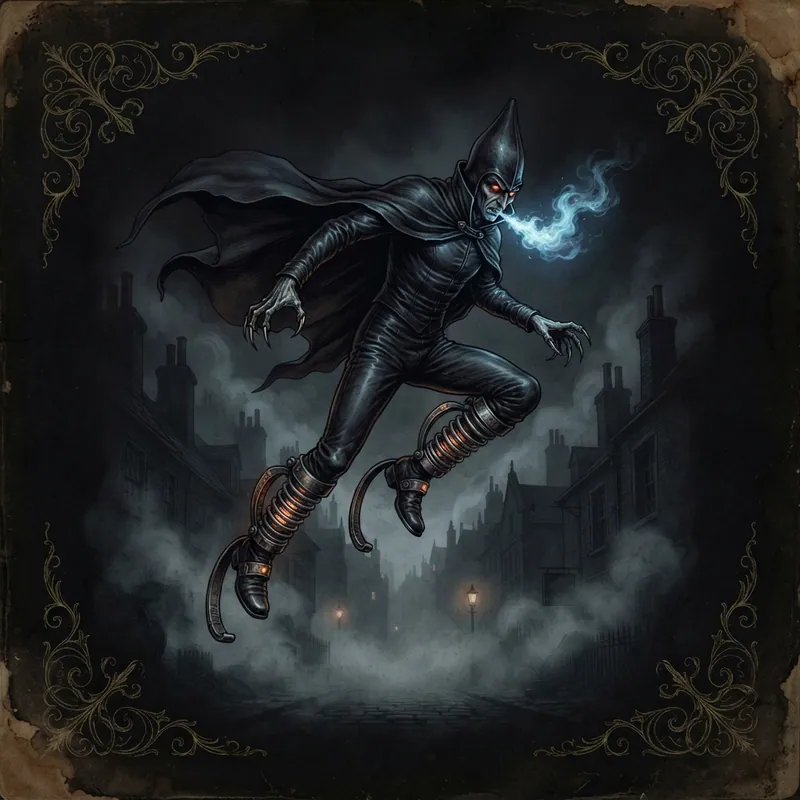
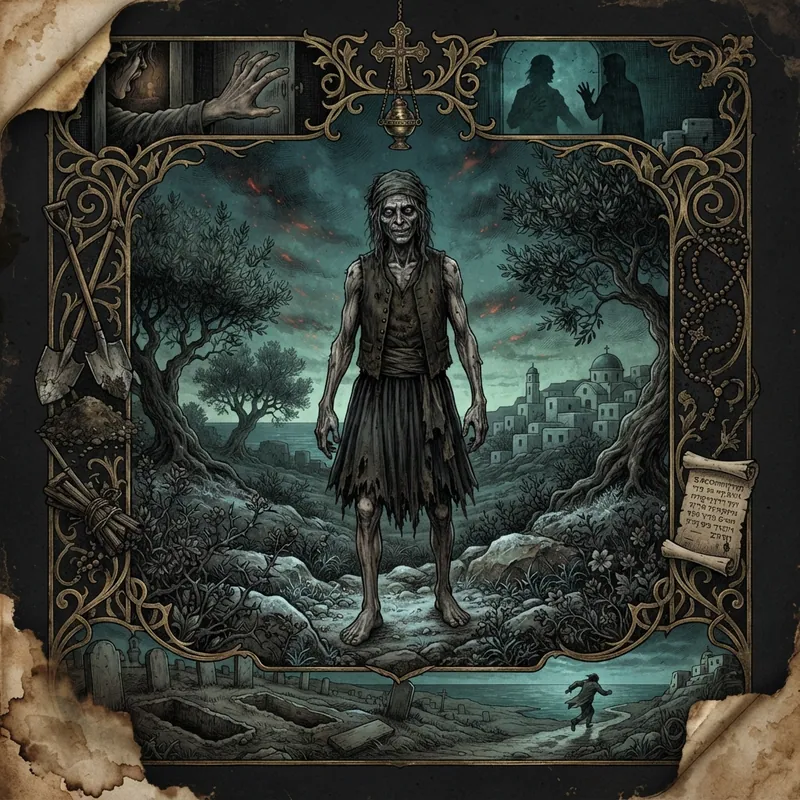
AjatarA Finnish female forest spirit, Ajattara in the older spelling, who leads woodsmen astray. Christfried Ganander recorded her in 1789 as a terrifying wraith of the trees, not as a Christian demon invented for a bestiary.AlpIn German folklore an alp is a typically male night-presser, kin to the elf, that sits on sleepers and sends Alpdruck. Distinct from the mara, though both explain the same crushed waking.BasajaunBasajaun, Lord of the Forest in Basque, is a great hairy woodland being who often guards flocks and once kept the secrets of sowing and smithing. A figure of living Basque culture, not a monster to be cleared from the hills.Jenny GreenteethA water hag of English regional lore, especially in the northwest, used to warn children away from weed-choked ponds and rivers. Related to grindylow and similar drowners.KallikantzarosGreek and Anatolian Christmas goblins who spend the year sawing the world-tree underground and climb out only for the Twelve Days. Epiphany water and a kept fire send them home.NuckelaveeA terrifying, skinless horse-and-rider figure in Orcadian folklore, remembered in stories as a force of disease and devastation.Santa CompañaIn Galician tradition the Santa Compaña is a nocturnal procession of the dead along parish paths, often led by a living person with a cross or holy water. For some it remains a living folk belief, not a discarded ghost story.SelkieSeal-folk of Orkney, Shetland, and neighbouring Scottish coasts who become human by shedding a skin. Stories of stolen skins and captive spouses are the heart of the tradition, not a monster hunt.Spring-heeled JackA nineteenth-century English panic figure reported leaping extraordinary heights, clawing, and breathing blue flame in popular press accounts. Folklore, hoax, and urban fear braided together.VrykolakasA Greek Orthodox revenant: a corpse that remains whole and walks because of sin, excommunication, or broken funeral order. The word is Slavic in origin; the being is not Dracula and not a Slavic vampire copy.
 ♧
♧ ☾
☾ ♧
♧ ≈
≈ ☾
☾ ☾
☾ ✧
✧ ◎
◎ ◒
◒ ☠
☠Oceania & the Pacific · 6
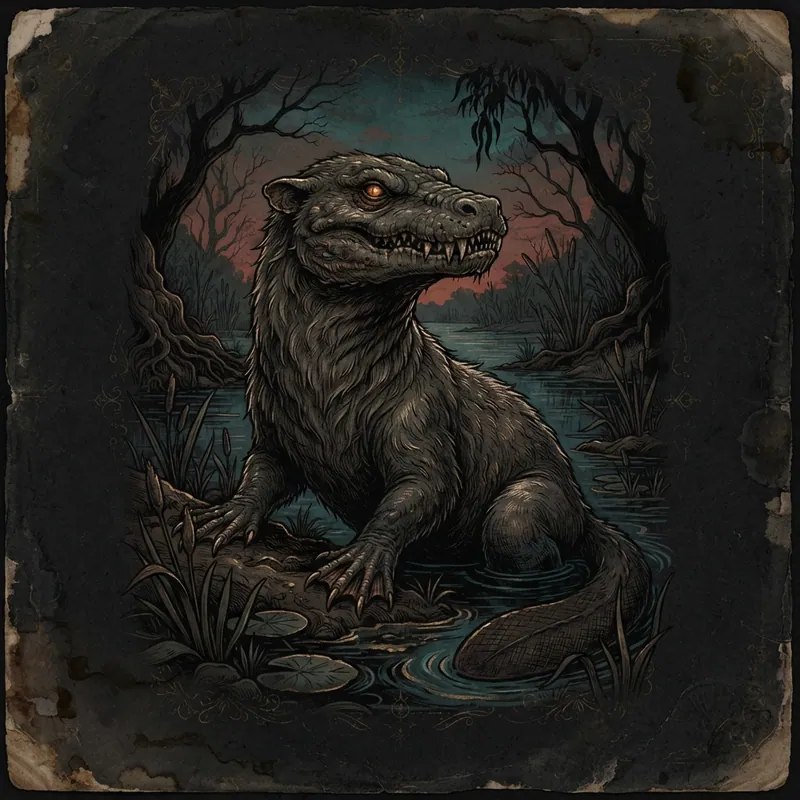
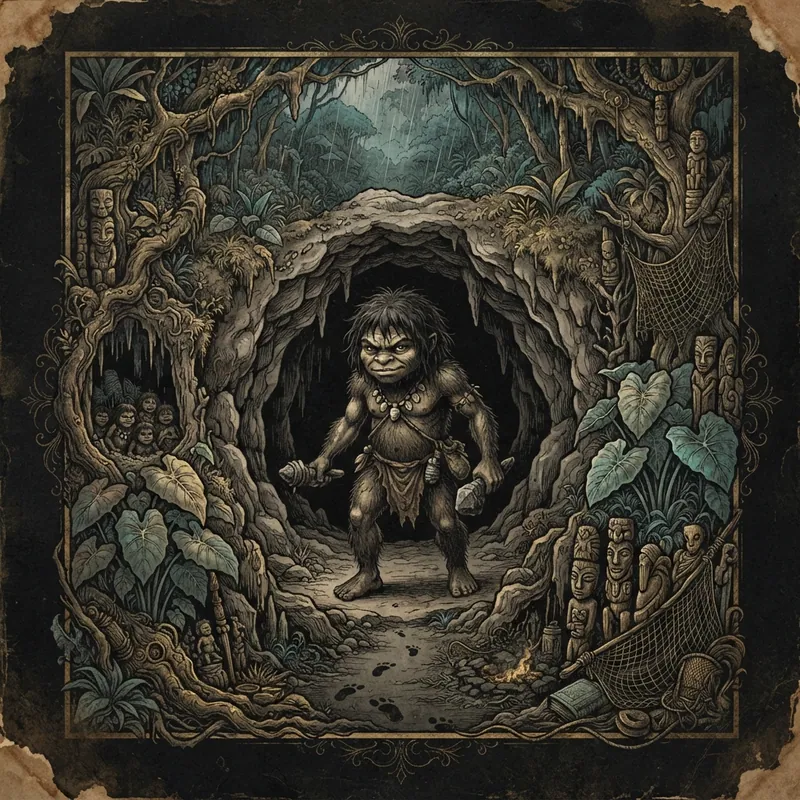
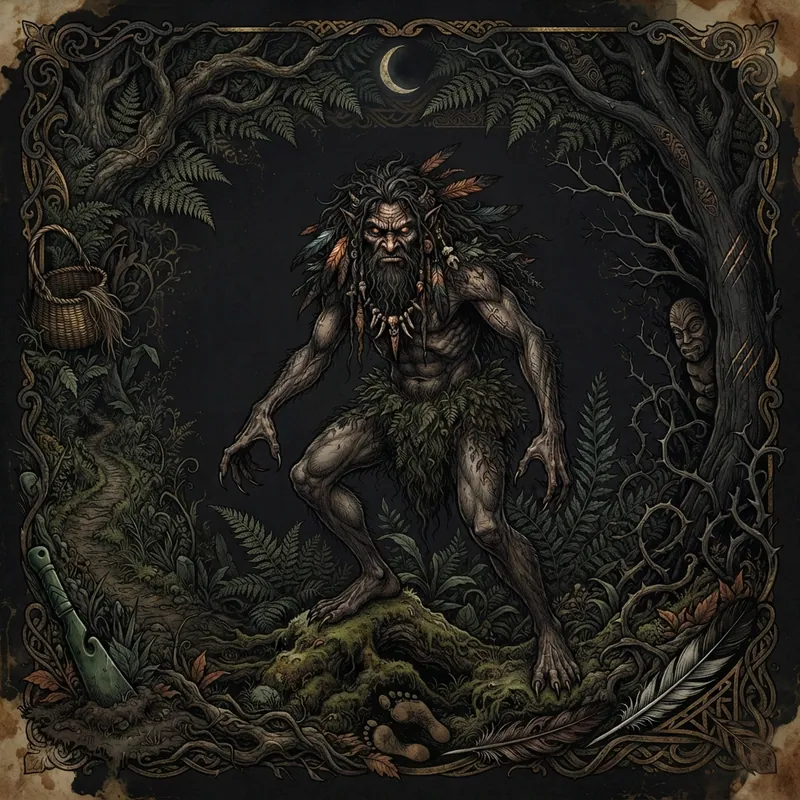
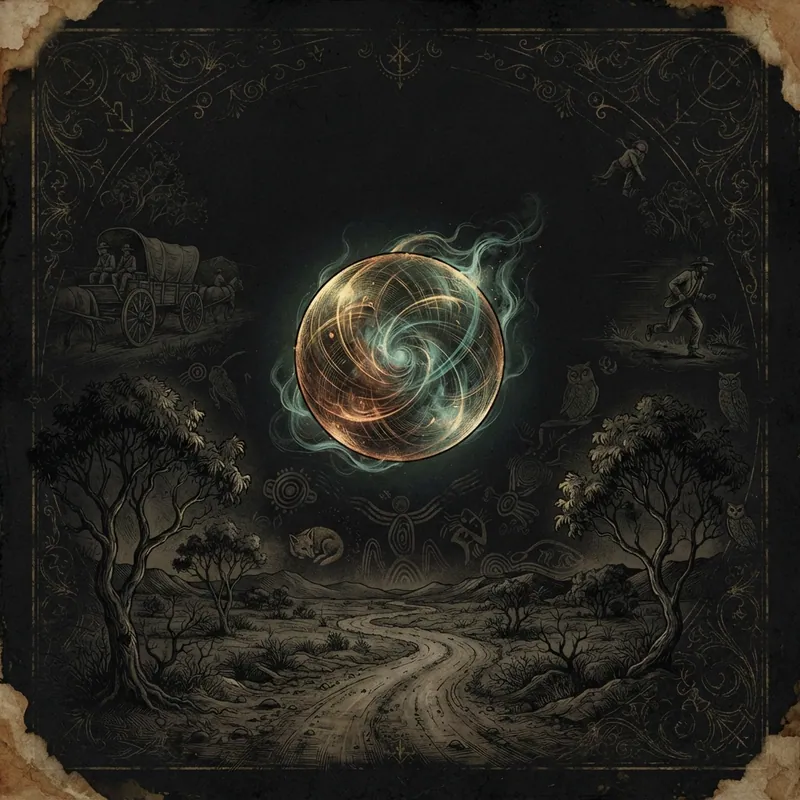
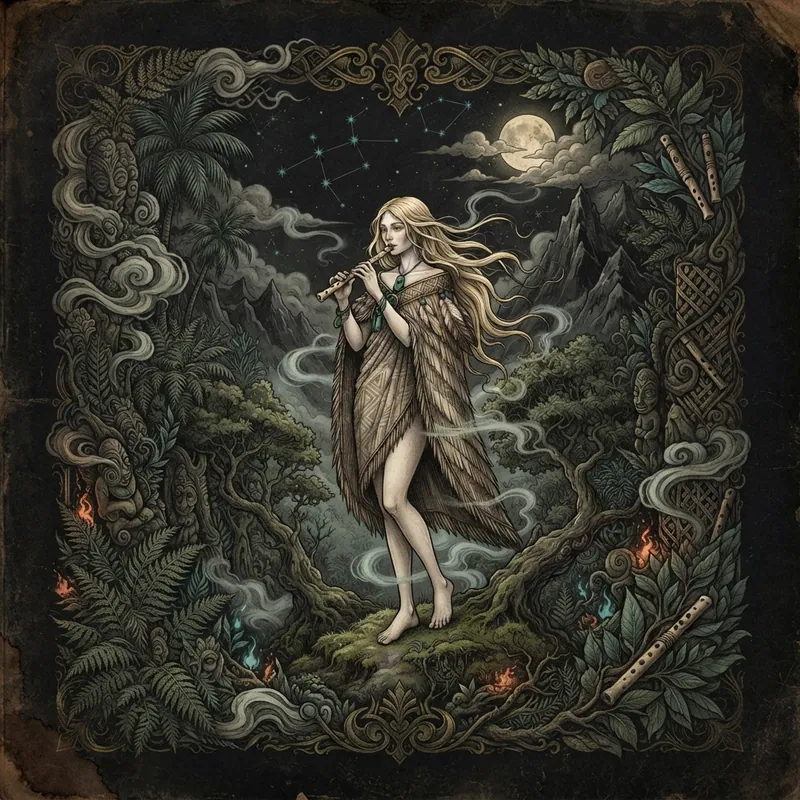
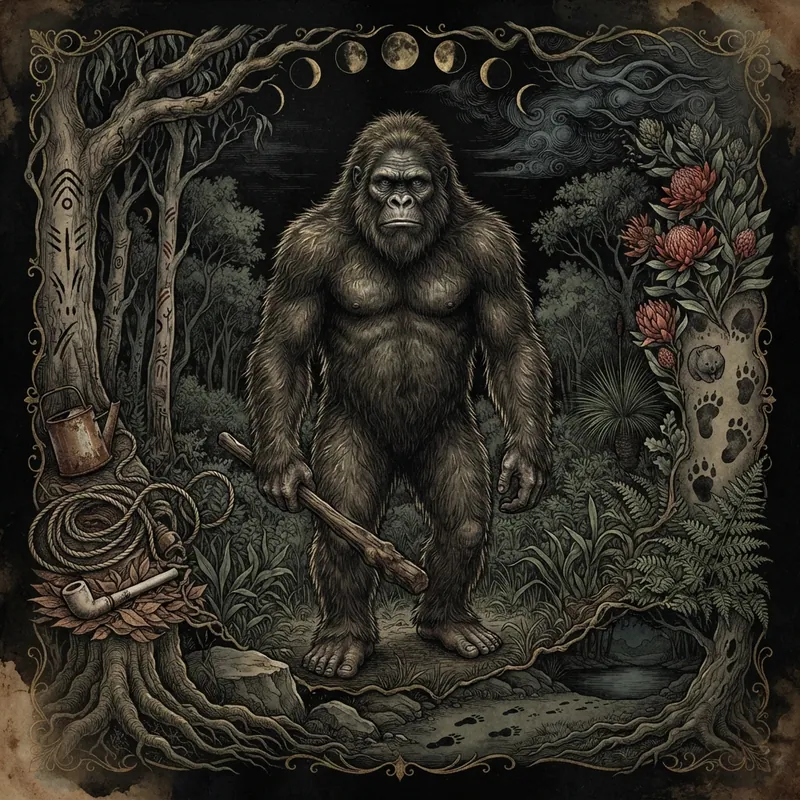
BunyipA being of Australian Aboriginal traditions and later settler retellings, associated with waterholes, swamps, and dangers at the water’s edge. Specific meanings belong to specific nations.KakamoraIn Solomon Islands folklore, especially on Makira, kakamora are small, hairy, cave-dwelling people of the bush — original inhabitants in many tellings, mischievous, strong, and not to be cornered. This is local kastom, not a film pirate.MaeroIn Māori tradition, maero (North Island) and māeroero (South Island) are wild supernatural people of forest and mountain, feared in many kōrero as predators of travellers. Living tribal knowledge, not a trophy ogre.Min Min lightsMysterious glowing orbs of the Australian outback, named in settler talk from Min Min in western Queensland. Indigenous stories of night lights as elders' spirits or warnings predate and outlast the tourist name.PatupaiareheIn Māori tradition, patupaiarehe are supernatural people of forest and misty peaks — he iwi atua — fair-skinned in many accounts, averse to cooked food, fire, and sun. A living knowledge, not a trophy fairy.YowieYowie is a modern Australian catch-name for bush hairy-man lore. It overlays older Aboriginal vocabularies — including, in some records, yowie as a dead person's spirit — and settler yahoo reports. Distinct from the bunyip; do not flatten sacred beings into one ape.
 ≈
≈ ♧
♧ ♧
♧ ✧
✧ ❋
❋ ◒
◒South Asia · 3
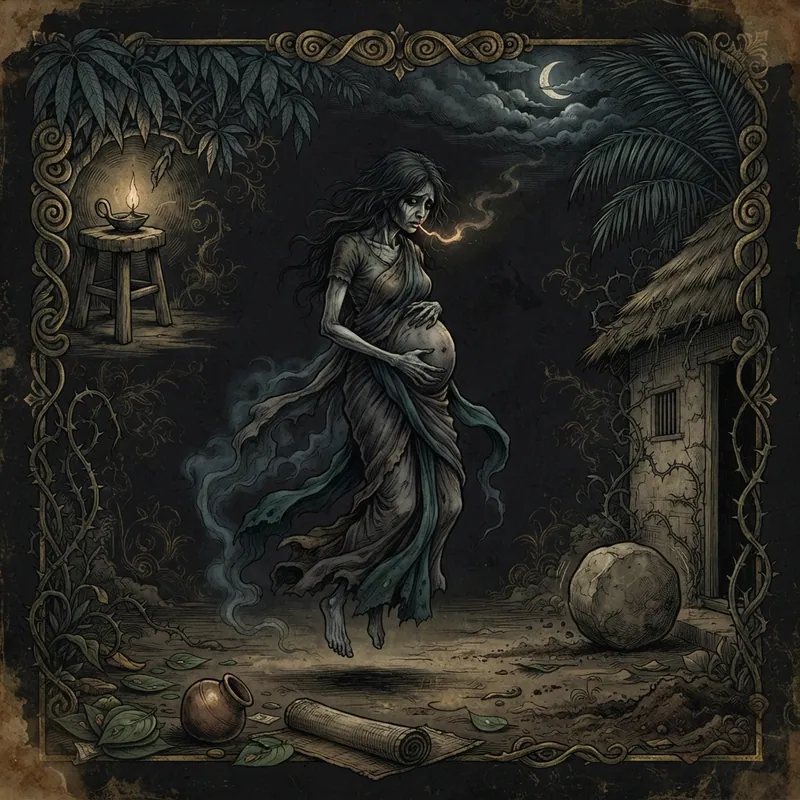
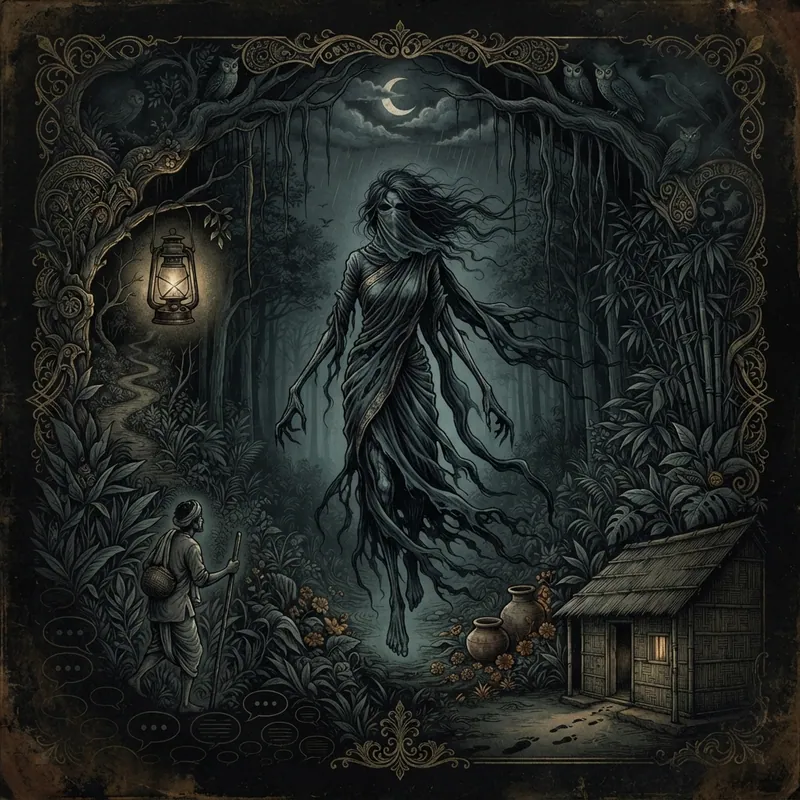
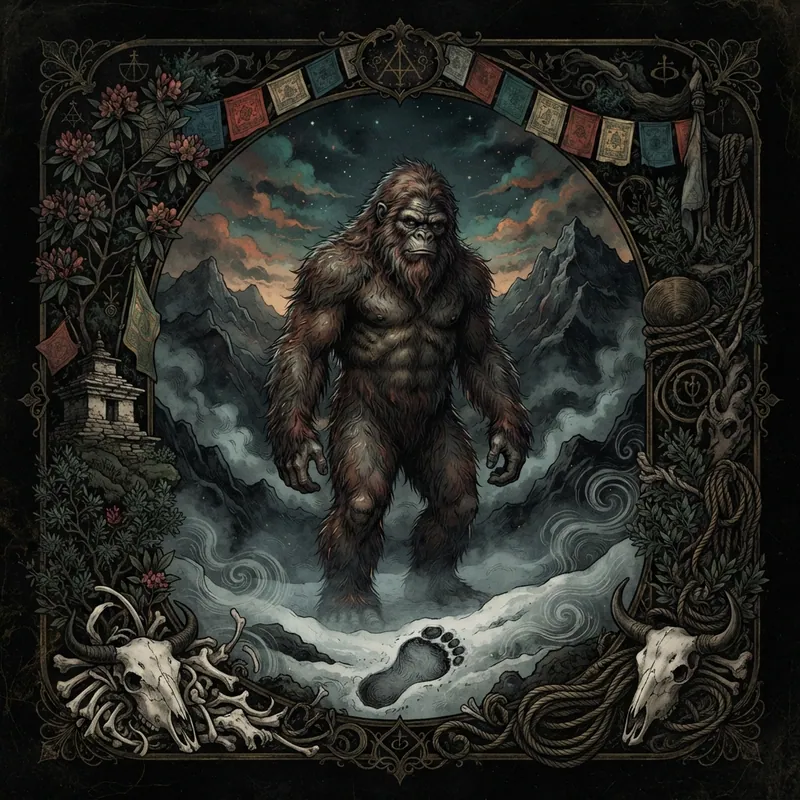
BodilimaIn Sinhalese folklore, the spirit of a woman who died in childbirth and was buried with the child still within her. A household and night wailer, related in kind to other South Asian childbirth revenants but locally named bodirima or bodilima.NishiA Bengali night-calling spirit that imitates a loved one's voice to lure the isolated outdoors. Tradition holds that Nishi calls only twice; a third call is safe to answer.YetiA wild-man and mountain being of Himalayan folklore — Tibetan mi rgod, Sherpa and Nepali yeti — encountered first as local religious and herding knowledge, not as a Western cryptozoological prize.
 ◌
◌ ◌
◌ ◒
◒The Americas · 13
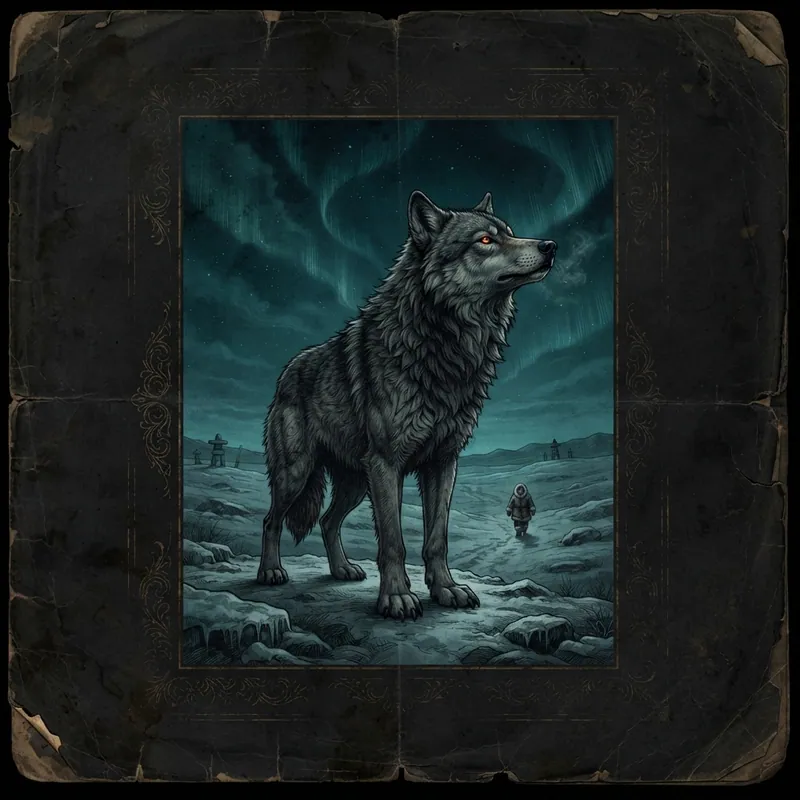
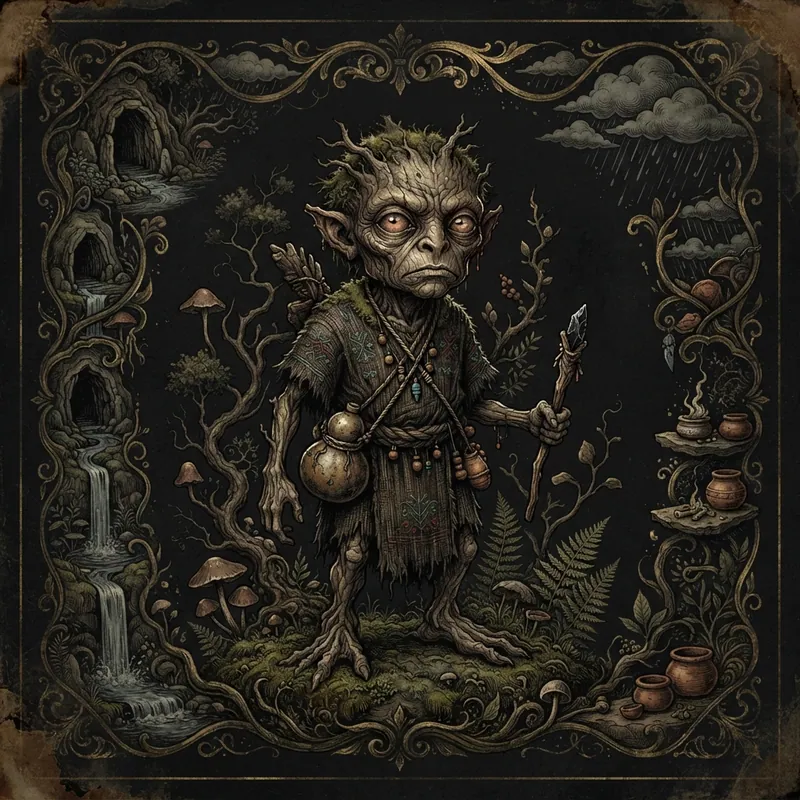
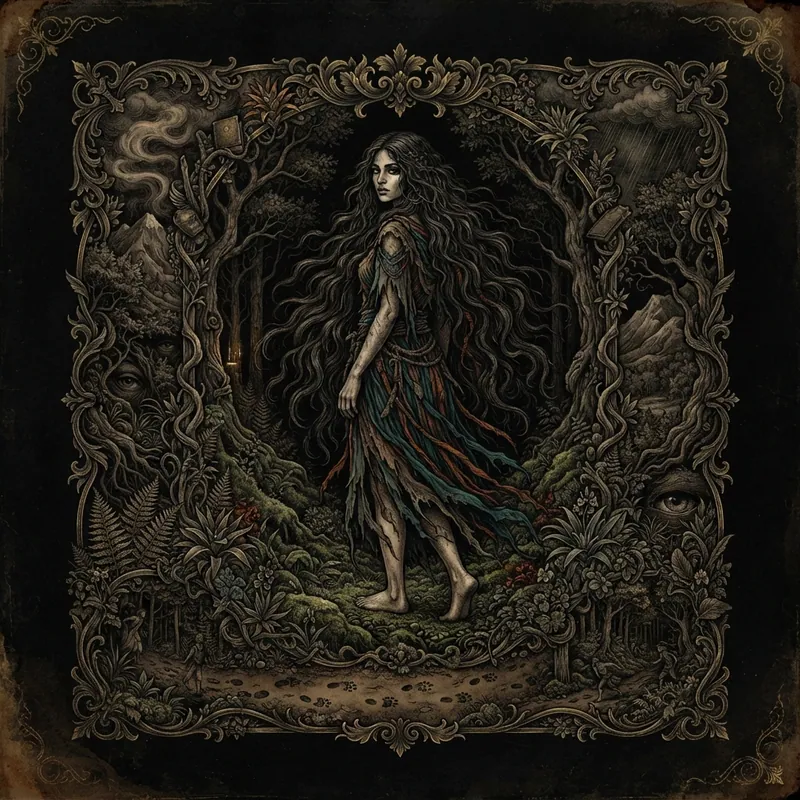
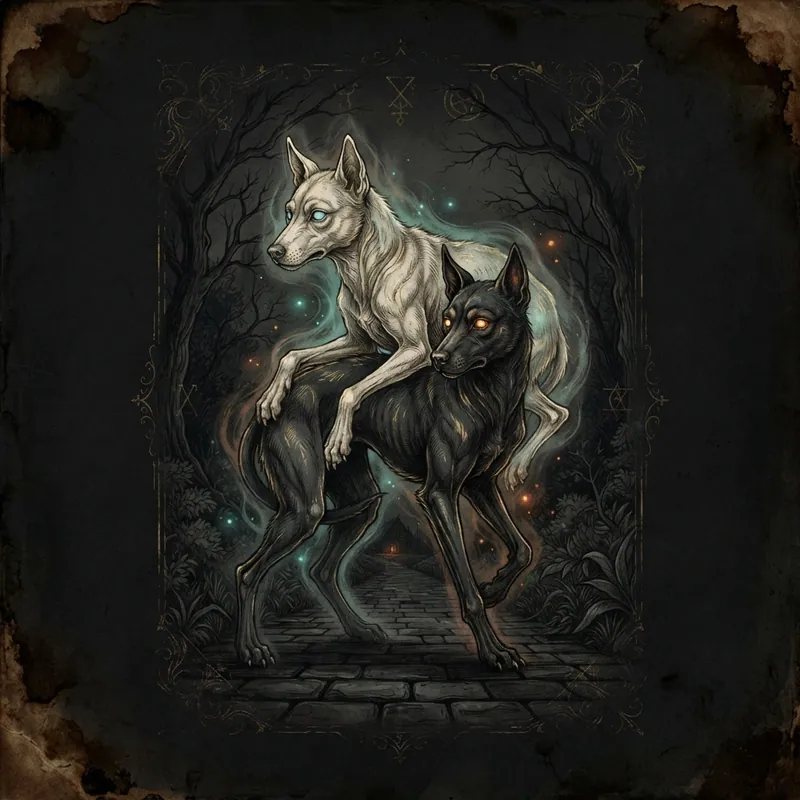
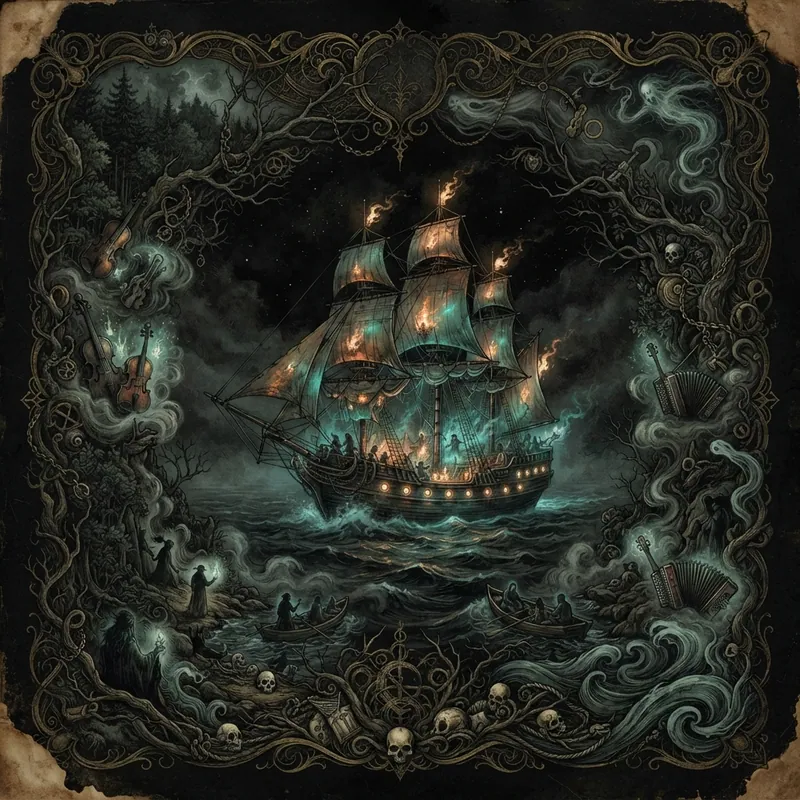
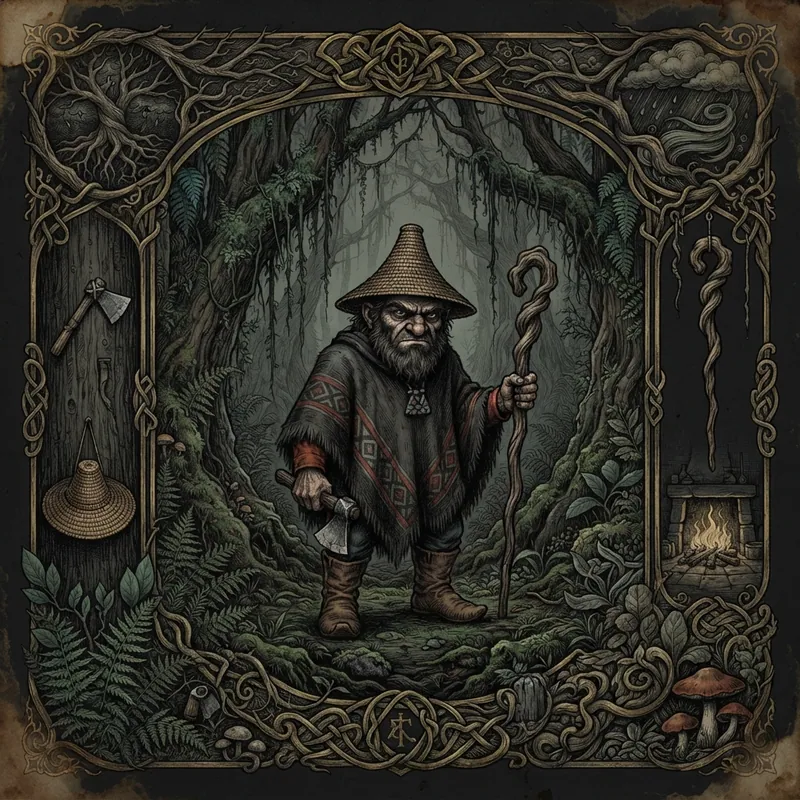
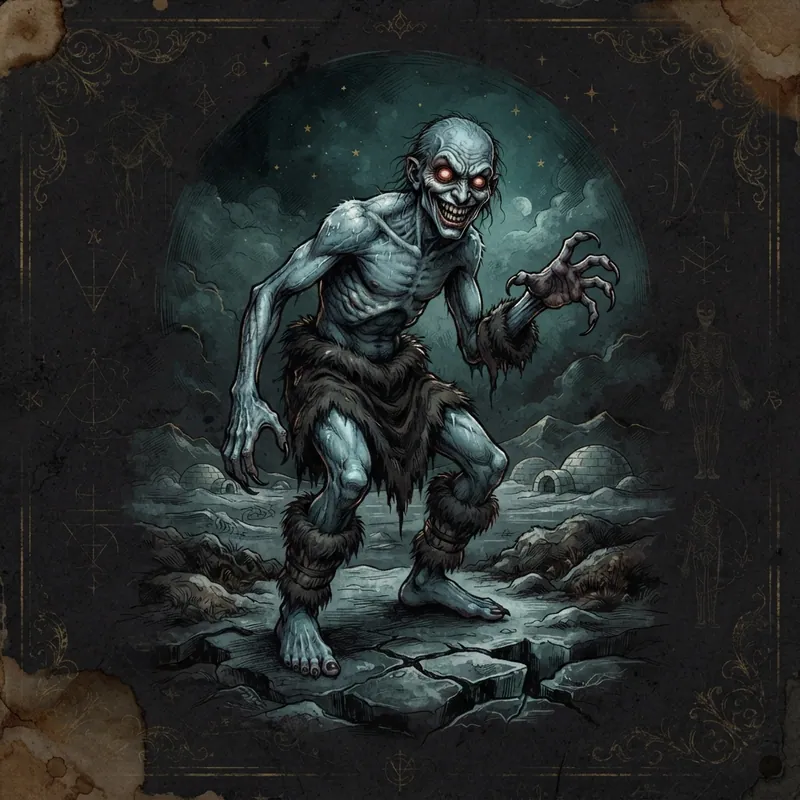
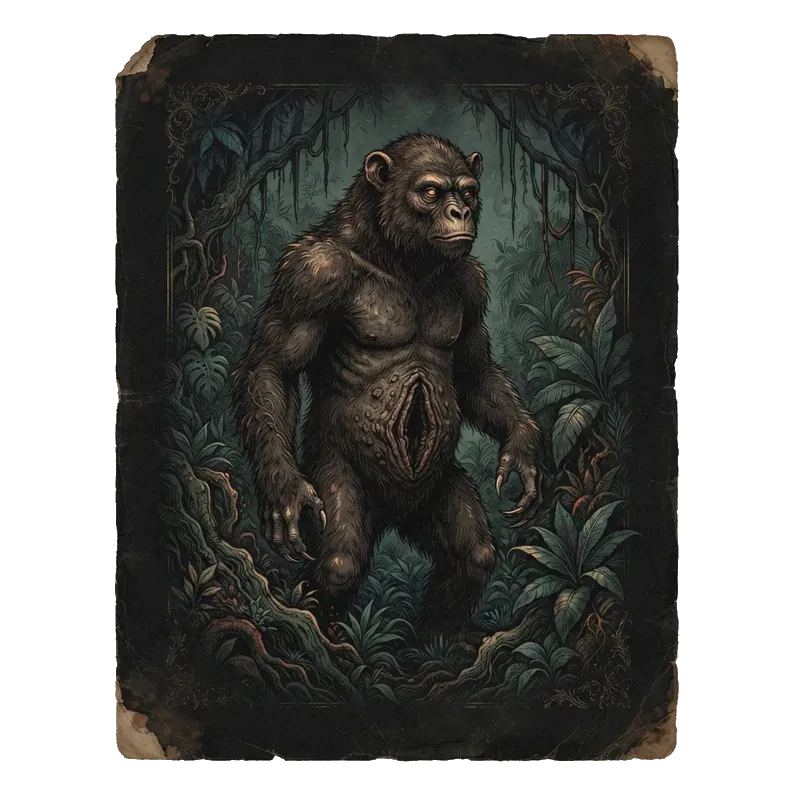
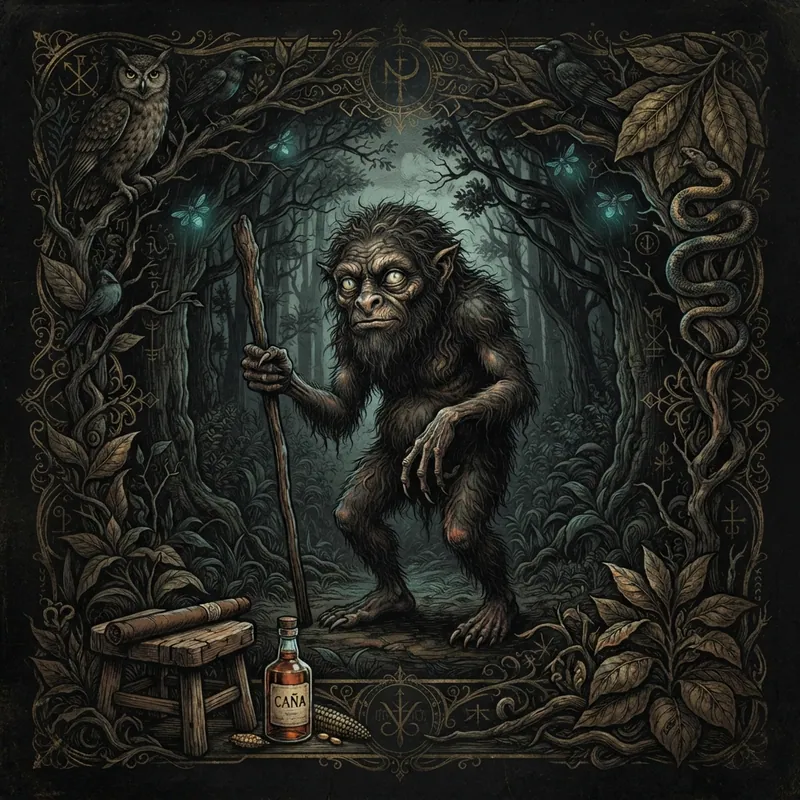
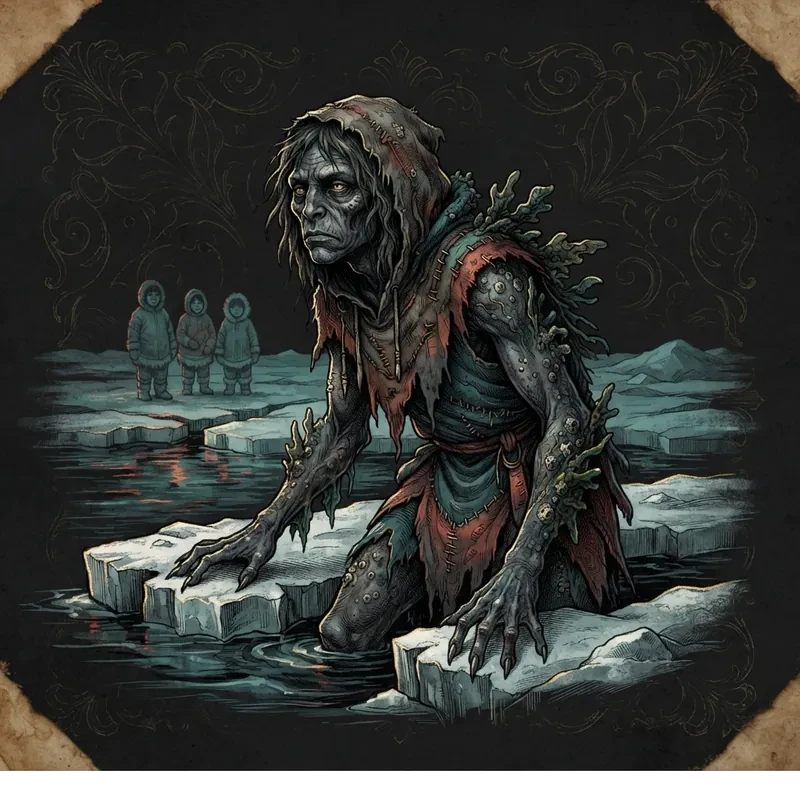
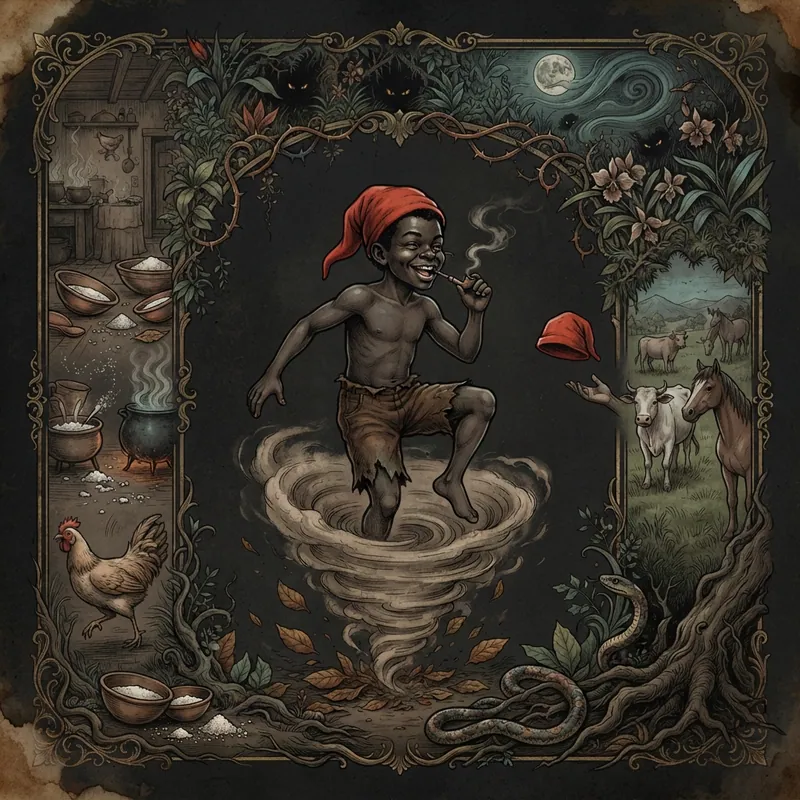
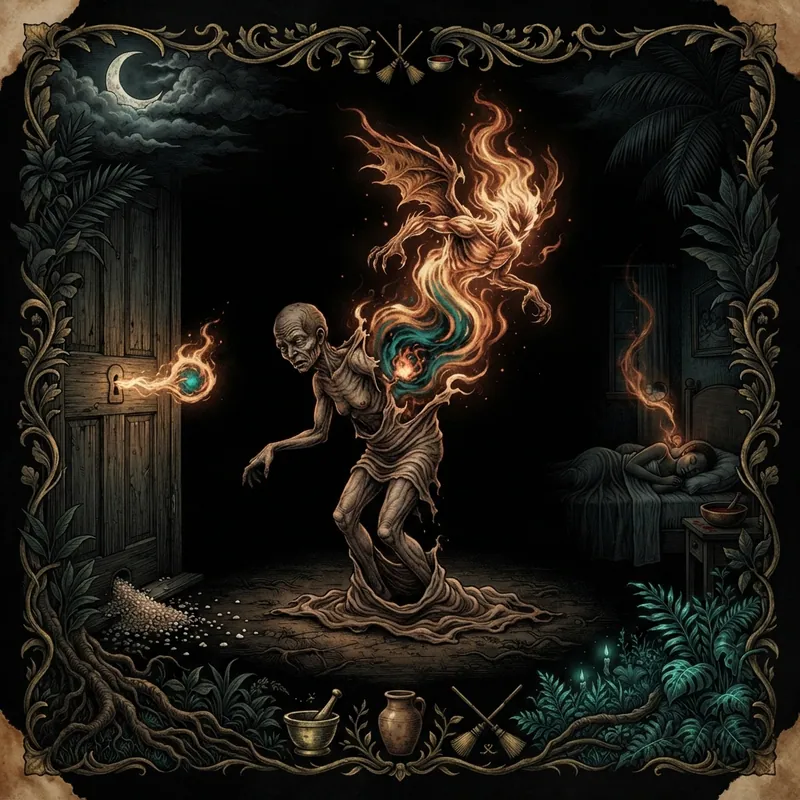
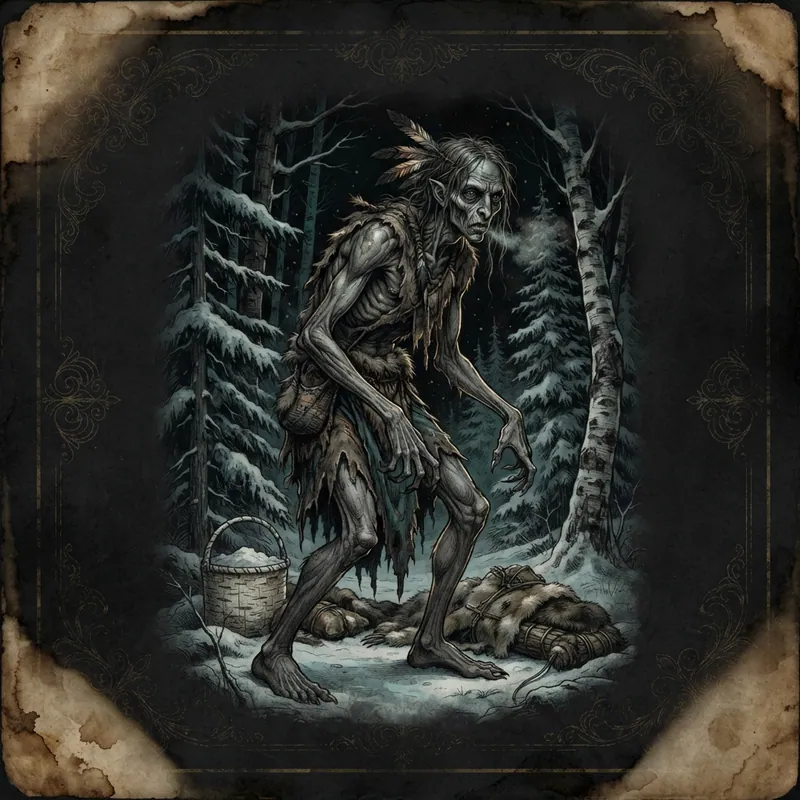
AmarokA giant wolf of Inuit folklore that hunts solitary travellers. Unlike pack wolves, the amarok is associated with the danger of going alone into the land.ChanequeNahua and Mexican forest householders — chanehqueh, owners of the place — small guardians of woods, water, and caves. Related in role to Maya aluxob but Mexican in language and cosmology. Living belief in several regions, not a vanished Aztec mascot.CiguapaA Dominican mountain being, often a long-haired woman with backward-facing feet, whose tracks mislead pursuers. Tellings run from shy forest presence to dangerous lure; she is not simply La Llorona in another country.El CadejoSpectral dog spirits of Central American lore, commonly told as a white protective cadejo and a black malevolent one that follow night travellers, especially the drunk or alone.El CaleucheThe ghost ship of Chiloé — Buque de Arte, Barcoiche, ship of fire — a night brig of lights and music that sails the channels, even underwater, carrying brujos and the drowned. Island lore, not a generic Flying Dutchman with Spanish names.El TraucoA small, deformed forest being of Chiloé who carries a stone axe and a twisted staff, the pahueldún. His gaze and breath are said to overwhelm women and injure men. Island lore, not a generic Latin American incubus.MahahaA cold-weather being in Inuit art and story, often barefoot and long-nailed, said to tickle victims to death while grinning. Also known in some tellings as qungalukkakkiit.MapinguariA formidable creature from Amazonian stories and later cryptid retellings, linked to the dense forest and the boundaries of the known.PomberoA short, hairy, often invisible night being of Guaraní Paraguay and neighbouring Brazil: Karai Pyhare, lord of the night, also called Pomberito. Guardian of birds and forest, trickster of barns and paths. Keep the Guaraní names; he is not a generic Latin American duende.QallupilluitHumanoid sea beings in Inuit storytelling that lurk near floe edges and may take children who wander too close to dangerous ice. Descriptions vary; the stories also teach survival at the land–sea boundary.Saci-pererêBrazil’s one-legged trickster: a Black boy in a red cap, pipe in mouth, riding dust-devils, switching salt and sugar, freeing livestock. A syncretic Tupi, African, and Portuguese figure, not a single Indigenous demon and not a cute mascot only.SoucouyantA Creole and African-diaspora night figure of Trinidad and the wider Caribbean: by day an ordinary neighbour, by night a skin-shedder who travels as fire and takes blood. Not a generic European vampire; salt, rice-counting, and dawn belong to this tradition’s own logic.WendigoA gaunt, insatiable being of Algonquian tradition, associated with deep winter, starvation, and the dread of a hunger that consumes the self.
 ♧
♧ ♧
♧ ♧
♧ ✧
✧ ≈
≈ ♧
♧ ☾
☾ ◒
◒ ♧
♧ ≈
≈ ☿
☿ ◎
◎ ♧
♧