THE CONCORDANCE
transformation
Becoming something other against one's will.
Africa & the Middle East · 10
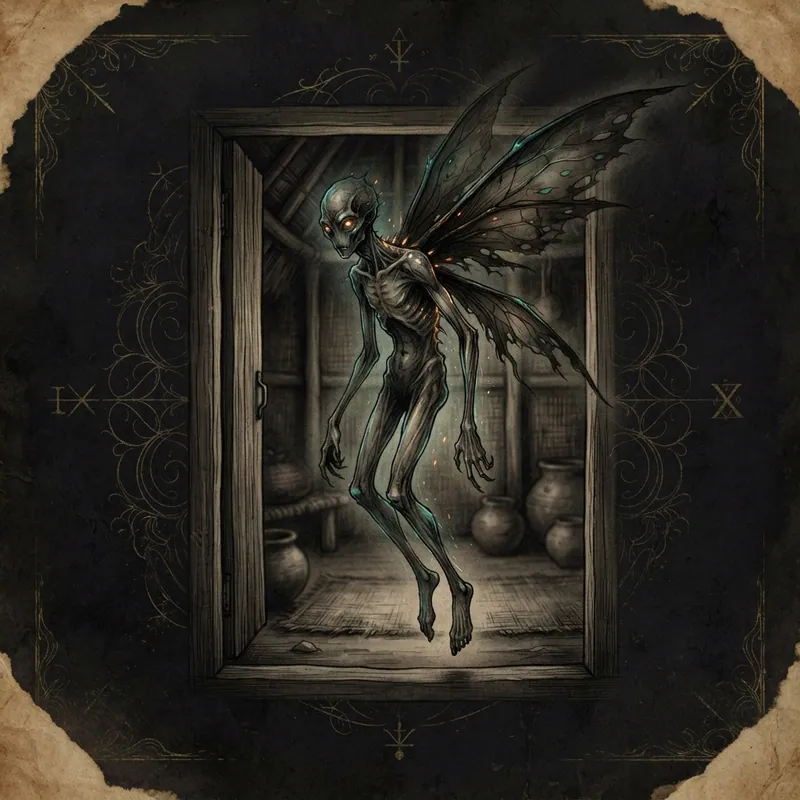
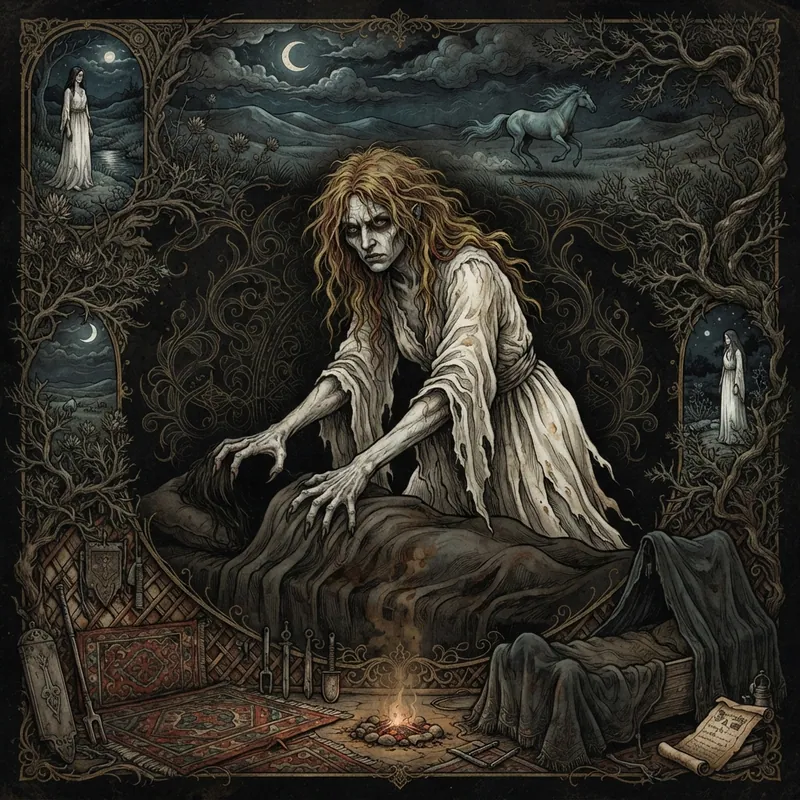
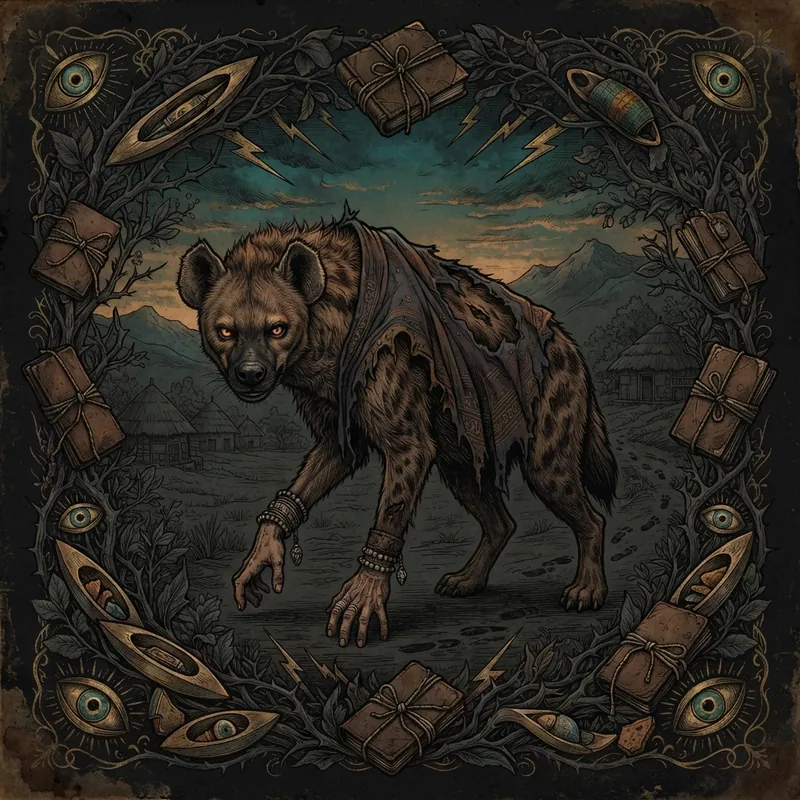
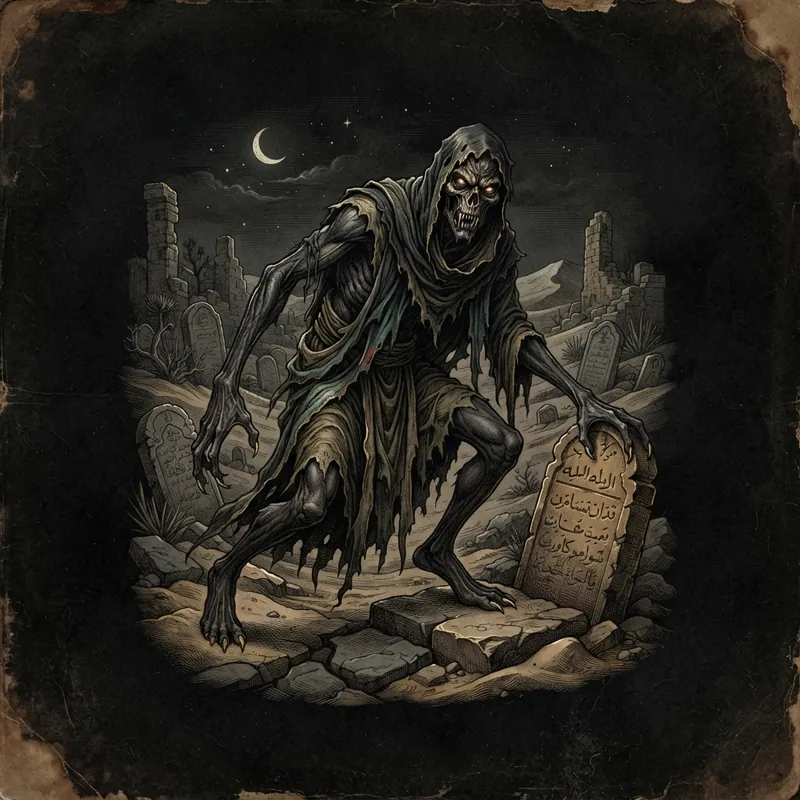
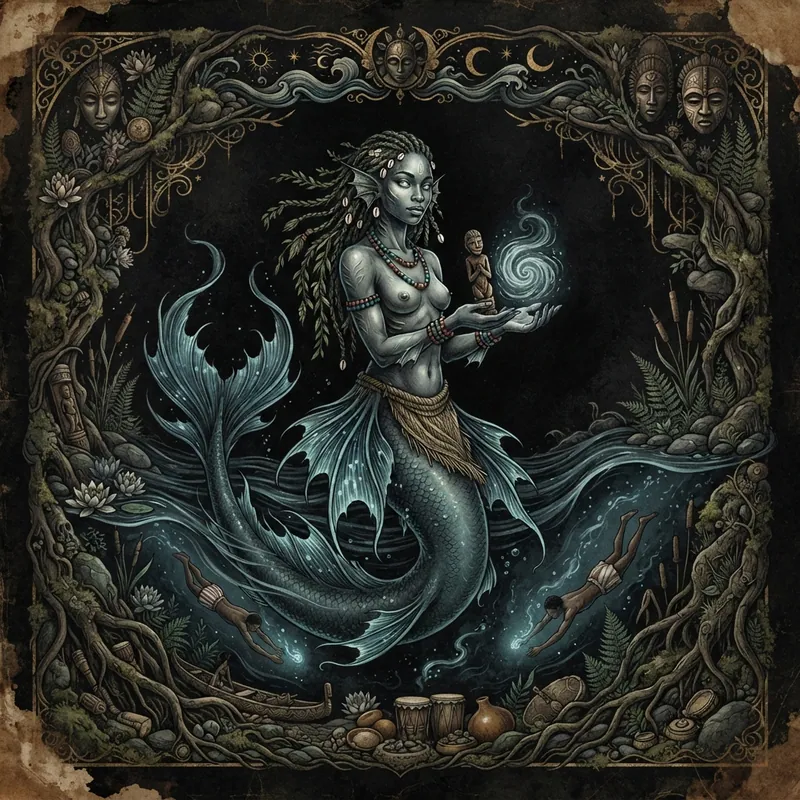
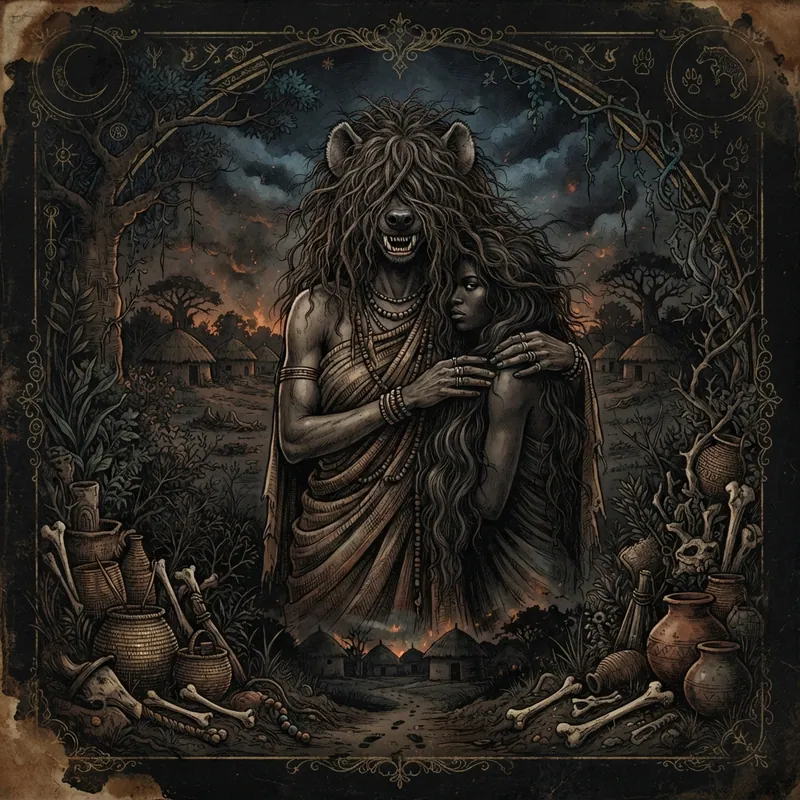
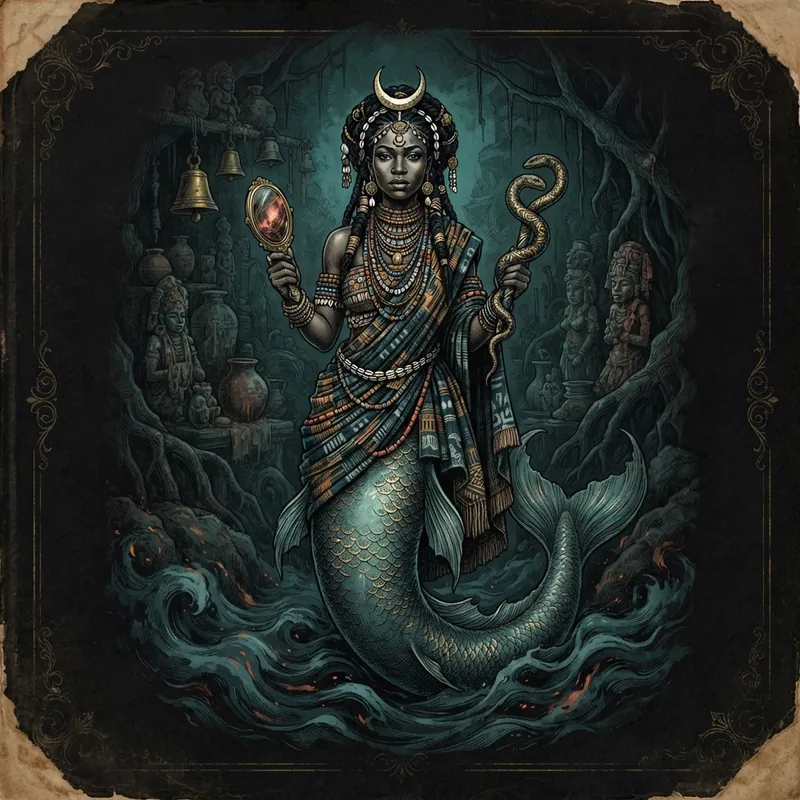
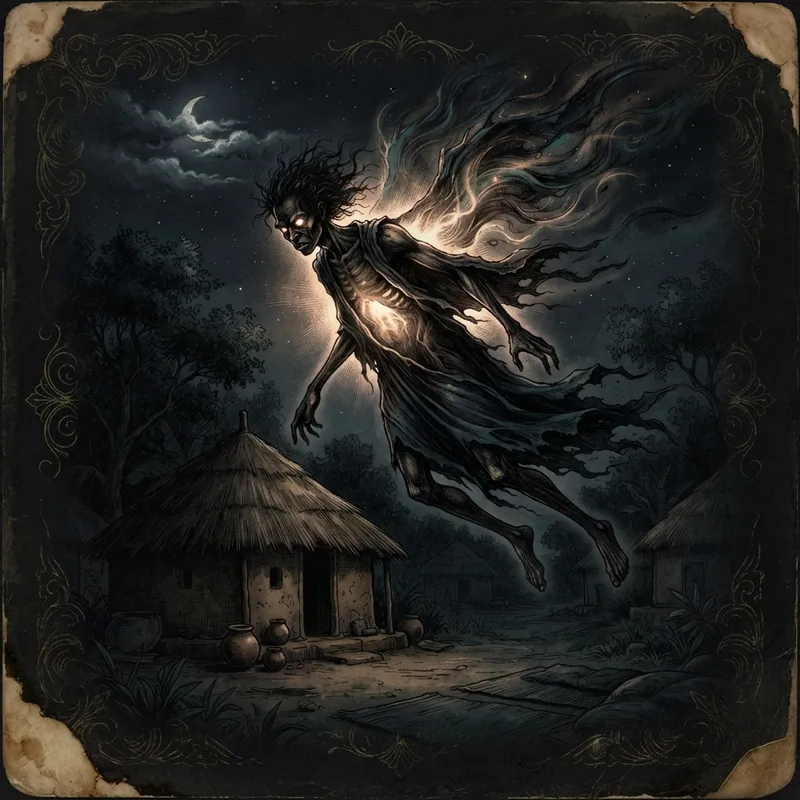
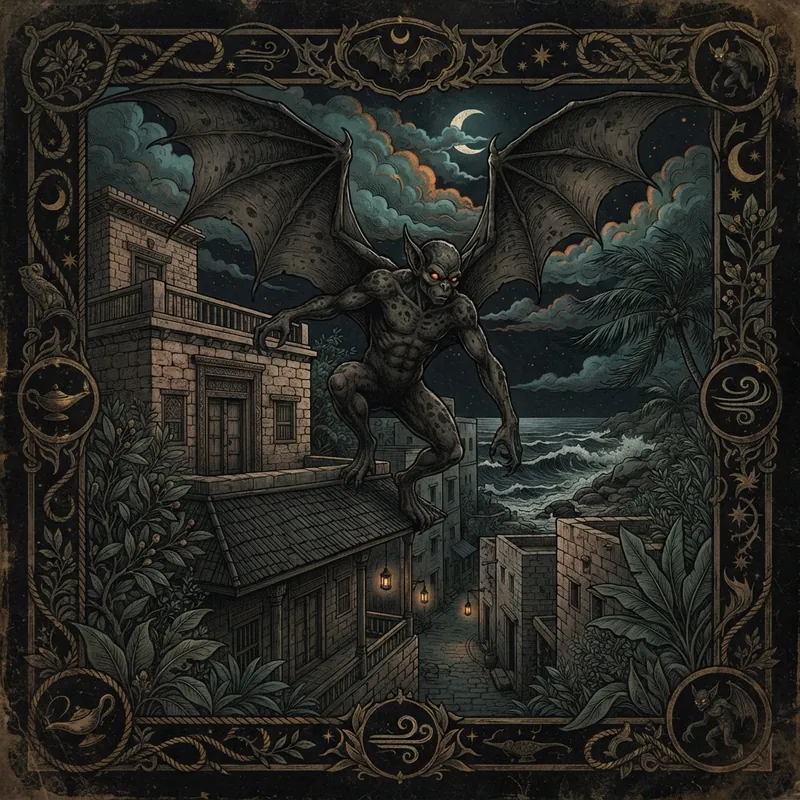
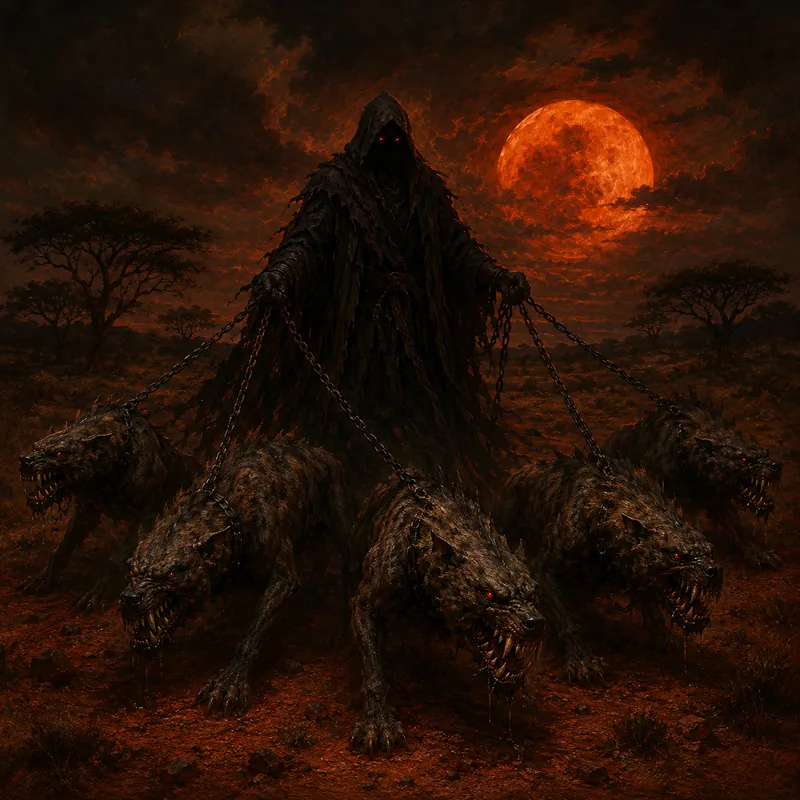
AdzeA being of Ewe folklore sometimes described as taking the form of a firefly, and in some accounts troubling a household after it has been let inside.AlbastiAlbasty (Albastı, Albasly, Albarsty and many local forms) is a female being known across Turkic Central Asia, the Volga, the Caucasus, and Anatolia. On the steppe she is foremost a childbed demon; in some regions a disease-presser or, in older layers, a guardian of birth later recast as harmful.BudaIn Ethiopian and Eritrean speech, buda names the evil eye and the power, often inherited, to harm by looking and to become a hyena. It is a living social-religious complex bound to artisanship and outsider status, not a werewolf dossier and not a licence to accuse.GhūlA shape-changing, dangerous figure of Arabic folklore, often associated in translated accounts with wilderness, graveyards, and deception.JenguAmong the Sawa peoples of coastal Cameroon, a jengu (plural miengu; Bakweri liengu) is a water spirit of river, estuary, and sea. Living cults honour miengu as healers, fortune-bringers, and intermediaries with the ancestors, especially in the Duala Ngondo rites on the Wouri.KishiIn Ambundu storytelling recorded in Ki-Mbundu, a kishi (plural makishi) is a man-eating being who courts, abducts, and feeds. Later popular retellings add a human face hiding a hyena’s jaws; Chatelain’s 1894 texts emphasise tangled hair, hunger, and dangerous intimacy.Mami WataA powerful water spirit complex across West/Central Africa and the diaspora, associated with beauty, wealth, danger, and devotion. Not a single mermaid stereotype; practices and meanings are living and diverse.ObayifoA witchcraft being in Akan belief, sometimes described as leaving the body as a glowing light to harm others at night. Treat as part of living cosmologies of harm and protection, not a cartoon vampire.PopobawaA feared shetani of Zanzibar and the Swahili coast, named for the bat-wing shadow of its night visits rather than any single body. Accounts describe a shapeshifter that enters houses, attacks sleepers, and binds victims by forcing the story to be told.The NightwardThe guardian-spirit of the Highveld night: a hooded warder who walks the dark with five leashed, hyena-shouldered hounds. Fearsome to look upon, but his menace is turned outward — he stands between the sleeper and whatever else moves after dark, and is remembered most often as a protector of children who wake in the small hours.
 ☾
☾ ☾
☾ ◎
◎ ☾
☾ ≈
≈ ◎
◎ ≈
≈ ☾
☾ ◎
◎ ☾
☾Asia & the Isles · 14
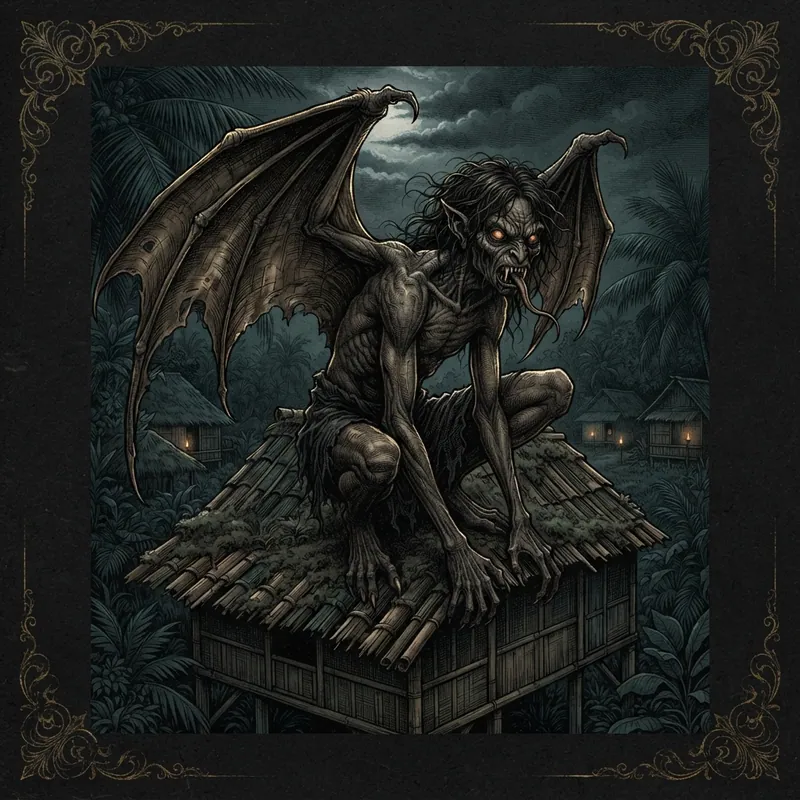
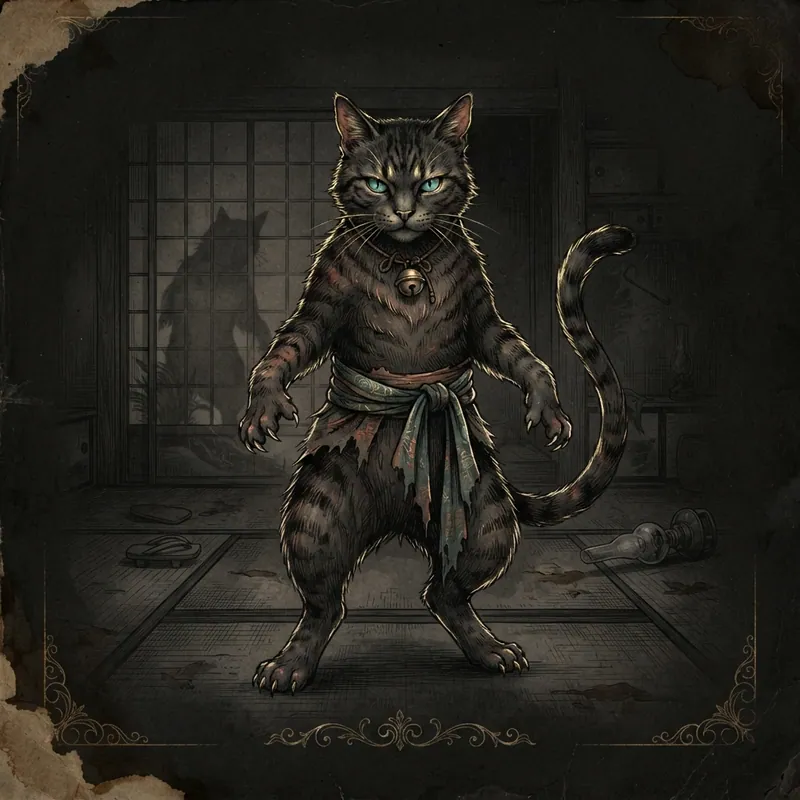
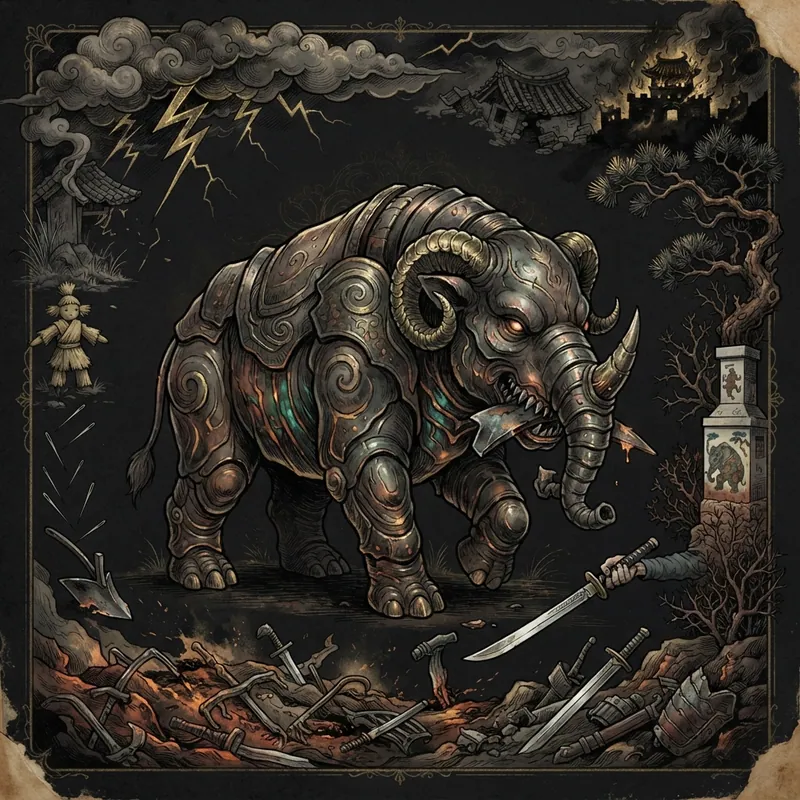
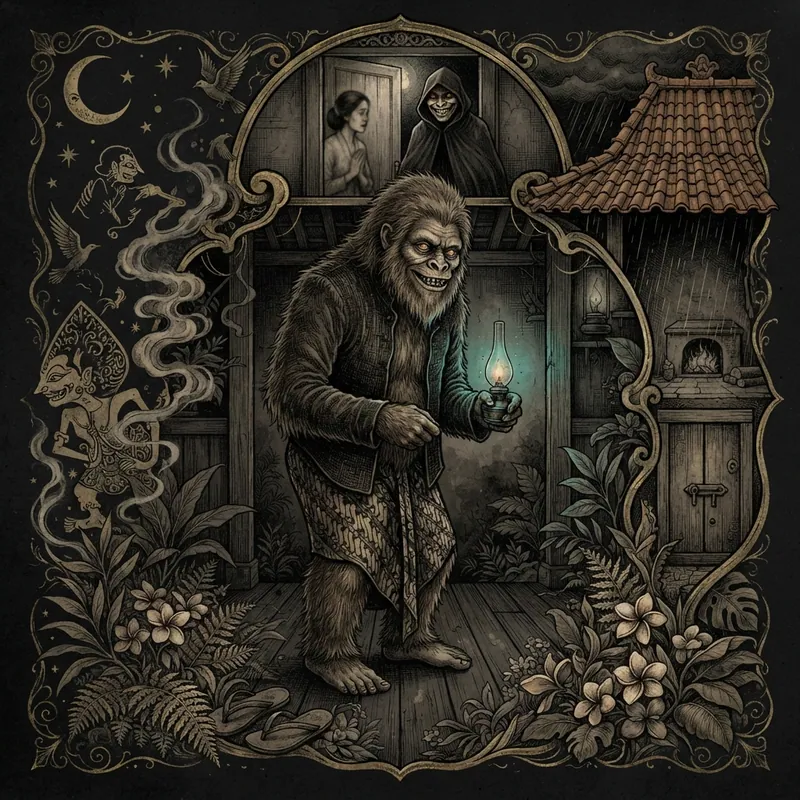
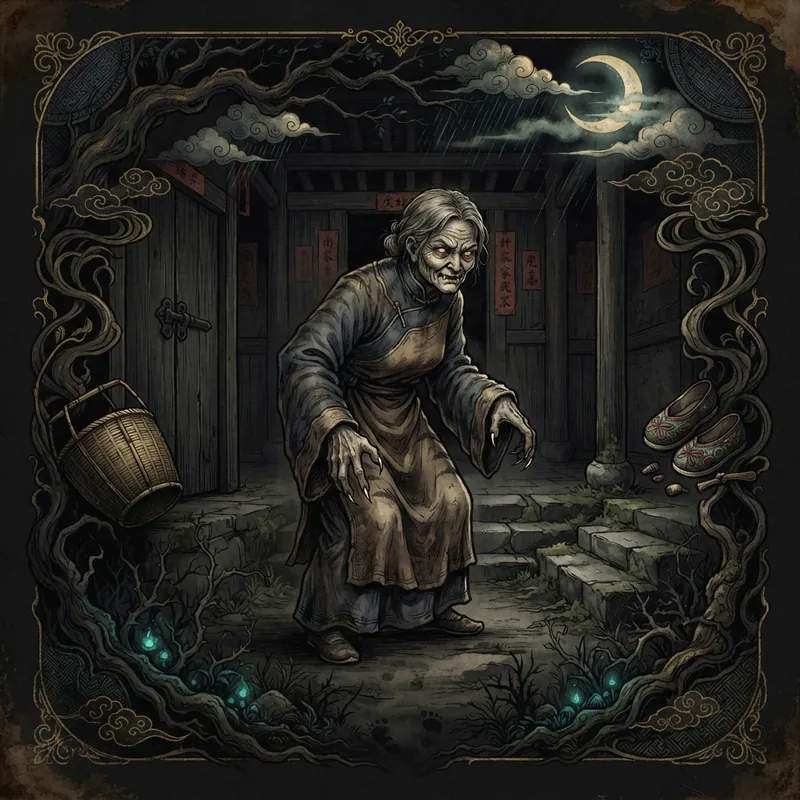
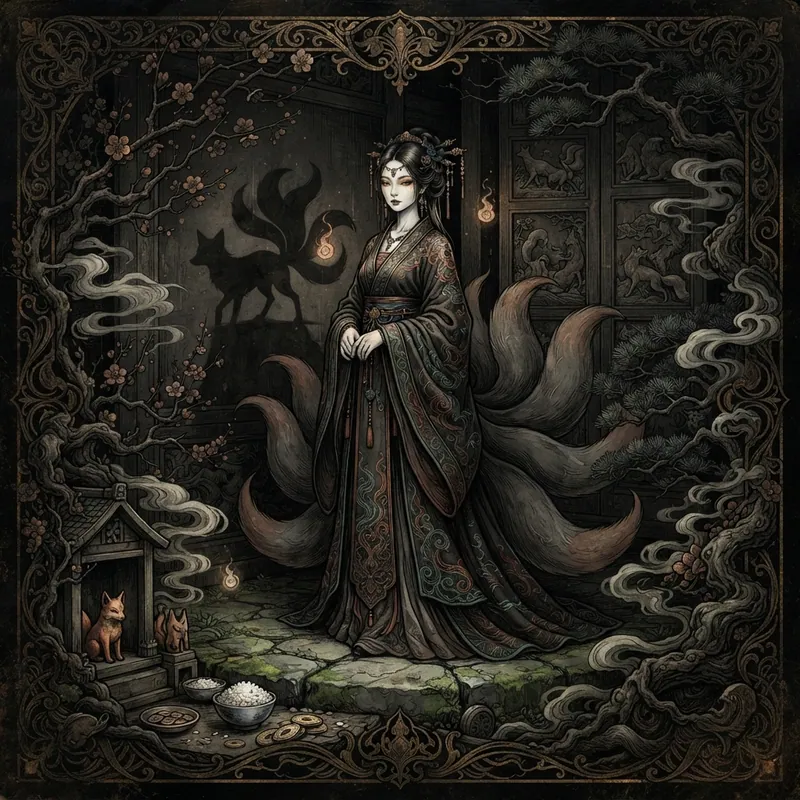
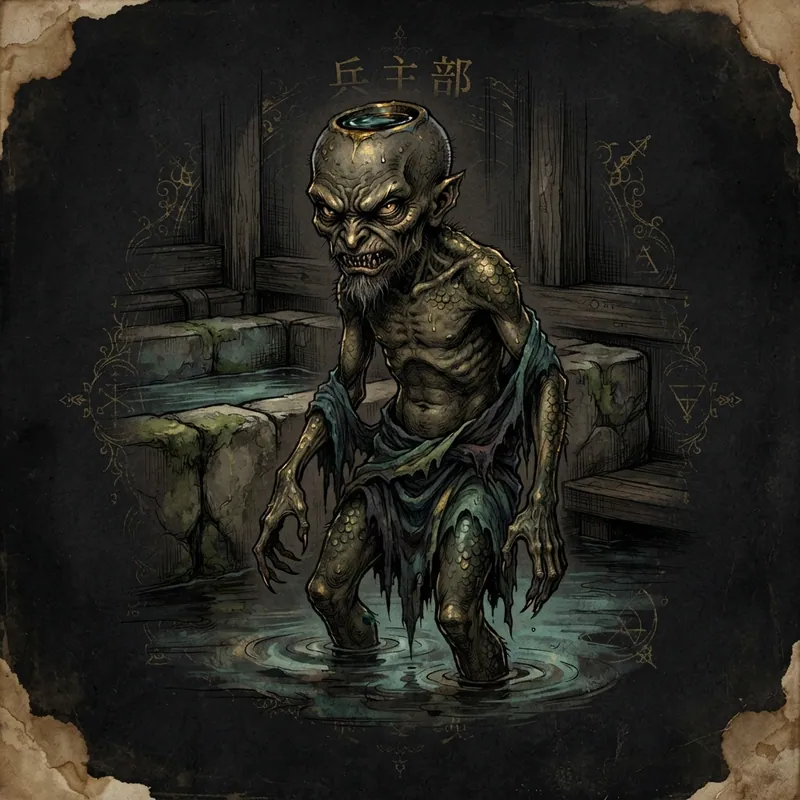
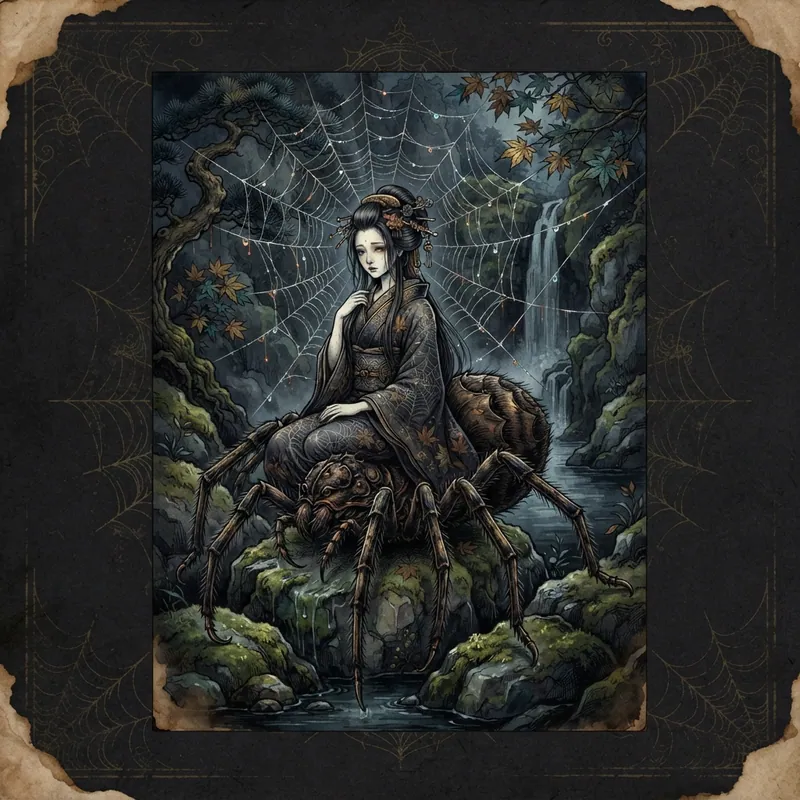
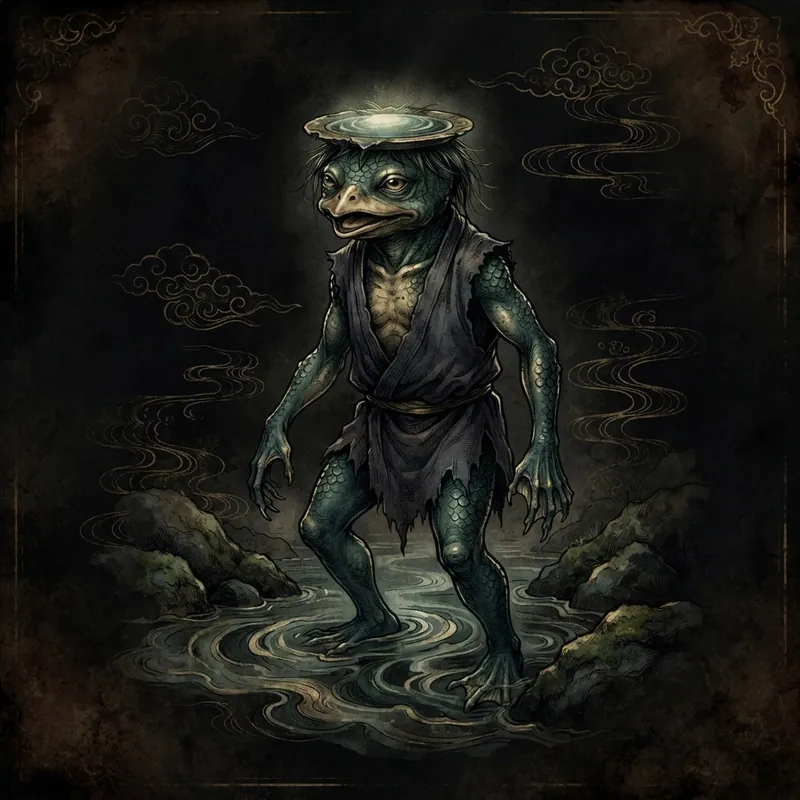
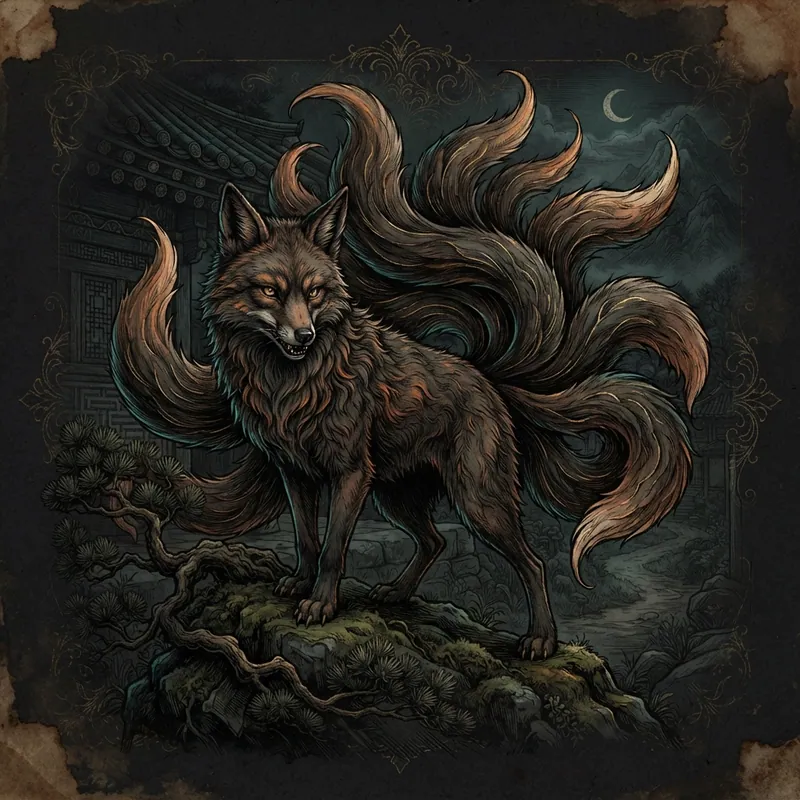
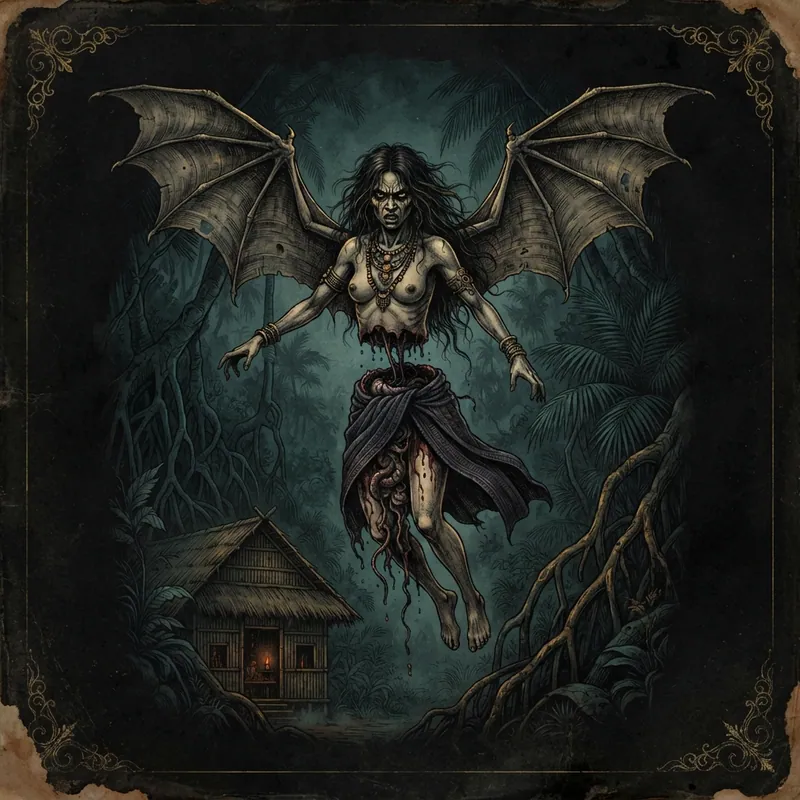
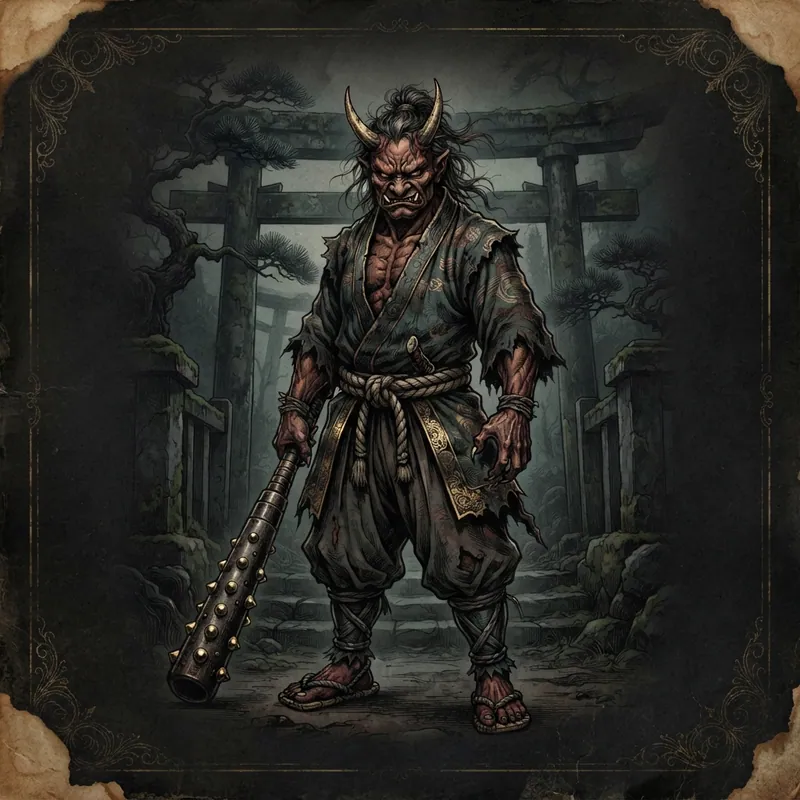
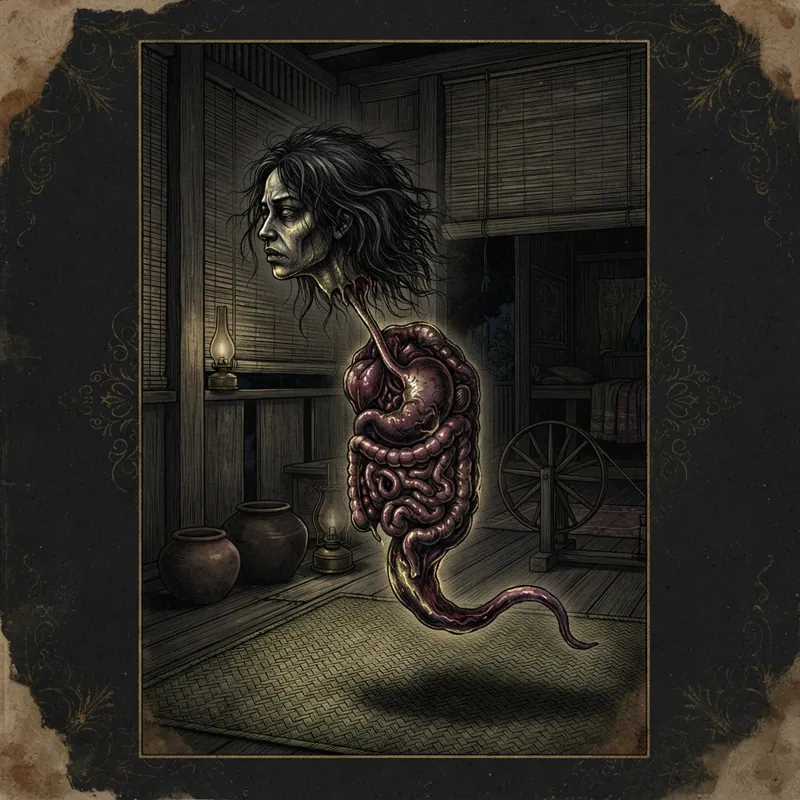
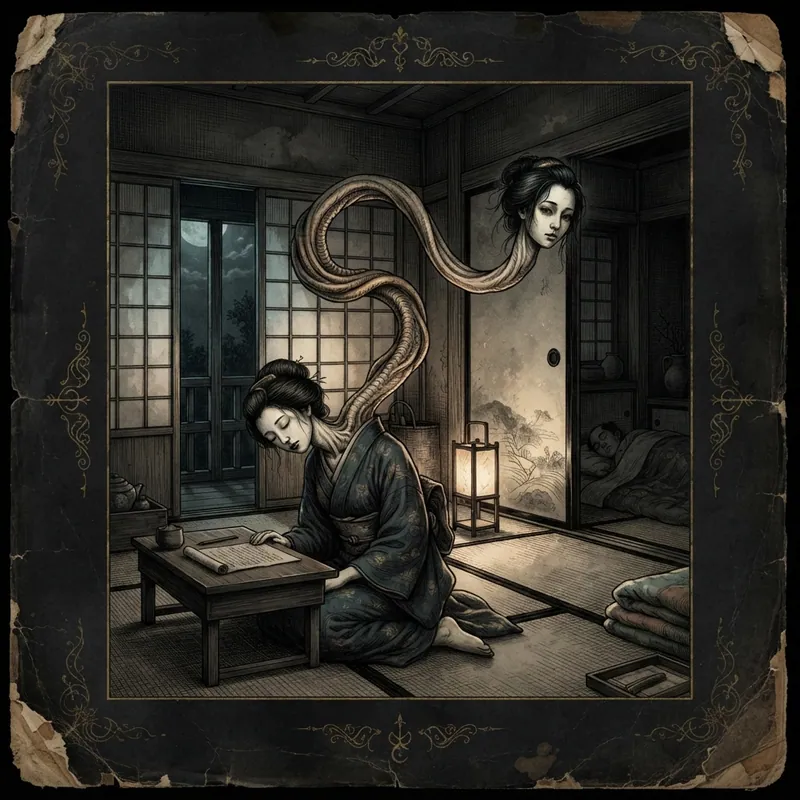
AswangAswang is a broad, regionally varied Philippine category encompassing several frightening beings and stories rather than one fixed creature.BakenekoA transformed cat of Japanese folklore, sometimes linked with age, mistreatment, or revenge. Related to, but not identical with, the split-tailed nekomata.BulgasariA Korean legendary iron-eater whose name means, in one reading, the one that cannot be killed. Folktales make it a catastrophe of late Goryeo; folk craft also paints it on chimneys as a ward against nightmare and fire.GenderuwoA Javanese hairy, ape-like spirit of the memedi class. Clifford Geertz recorded it as more prankster than murderer; other tellings warn it wears a loved face to tempt.Hú Gū PóHú Gū Pó, Grandaunt Tiger: a Hakka and Taiwanese ogress-tale of a tiger who becomes an old woman to eat children. A cautionary bedtime story, not a hunting manual.Huli JingA Chinese fox spirit that cultivates essence until it can take human form. Distinct from Japanese kitsune and Korean kumiho, though all three share an East Asian vulpine lineage.HyōsubeA kappa-like child of rivers and baths in Kyushu lore, known for invading bathhouses and leaving sickness or mischief behind. Local and kappa traditions overlap without being identical.JorōgumoA spider yōkai in Japanese tradition, often imagined as able to take the form of a woman and lure travellers.KappaA water-dwelling yōkai in Japanese folklore, famous for mischief and for stories where manners, bargains, and rivers matter.KumihoThe nine-tailed fox of Korean tradition, often more predatory in classical tales than some Japanese kitsune tellings, though modern media softens or romanticises the figure.ManananggalA nocturnal, flying figure in Philippine folklore, often described in regional stories as separating from its lower body to hunt at night.OniOgre-like beings in Japanese storytelling and festival imagery, associated with punishment, otherworldly strength, and the driving-out of misfortune (as in Setsubun). Many local and literary variants exist.PenanggalanA Malay nocturnal being, often a midwife or woman practicing dark arts, whose head and entrails detach to hunt. Related to but distinct from the Philippine manananggal.RokurokubiA yōkai whose neck stretches enormously at night while the body sleeps or sits still. Some tellings treat the person as unaware; others as knowing and predatory.
 ◎
◎ ◎
◎ ⌬
⌬ ☾
☾ ◎
◎ ◎
◎ ≈
≈ ◎
◎ ≈
≈ ◎
◎ ◎
◎ ☾
☾ ☾
☾ ☾
☾Eastern Europe · 8
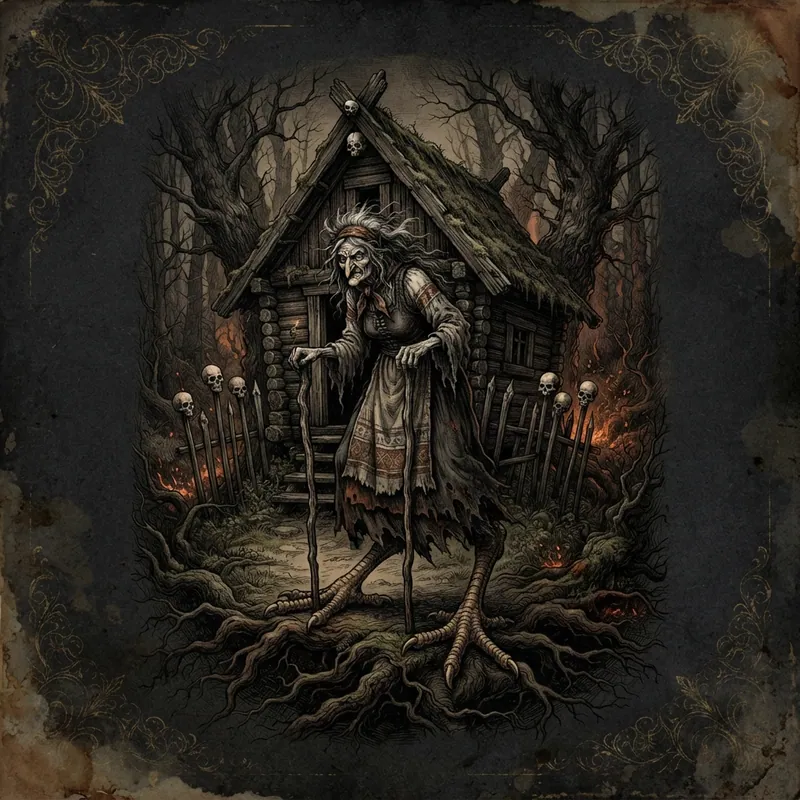
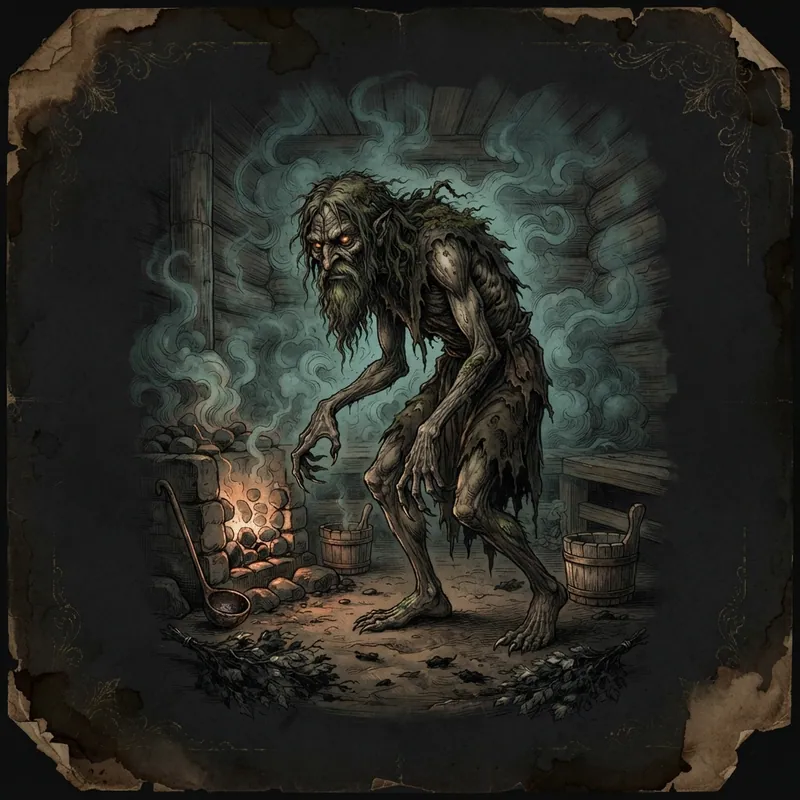
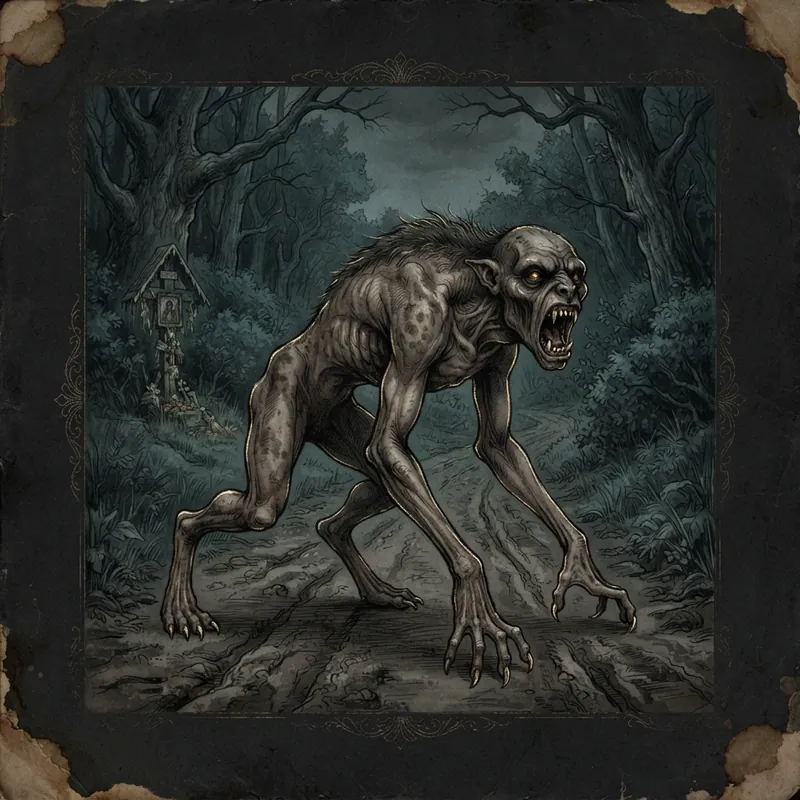
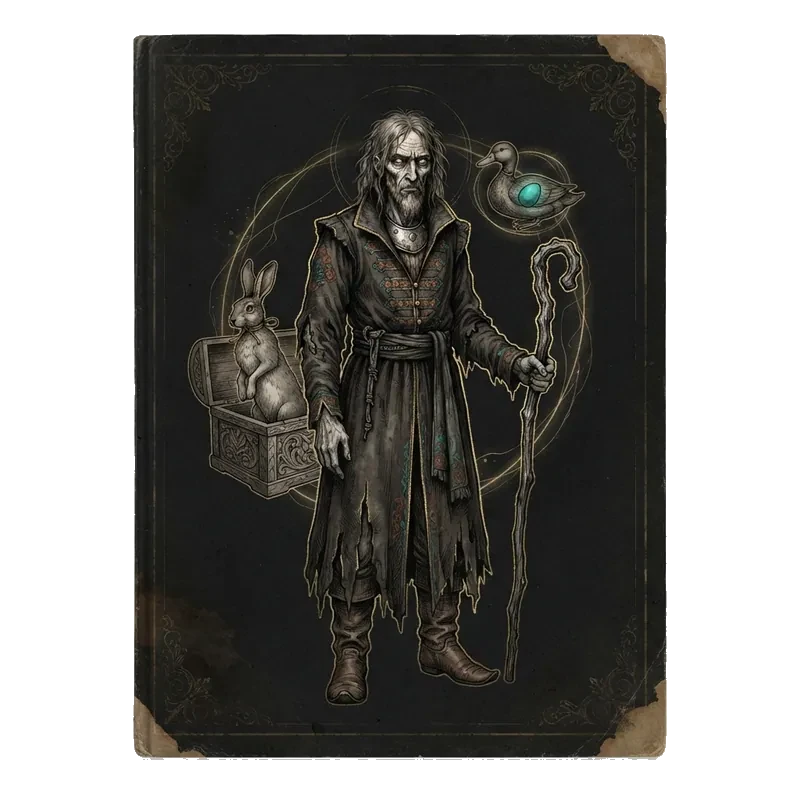
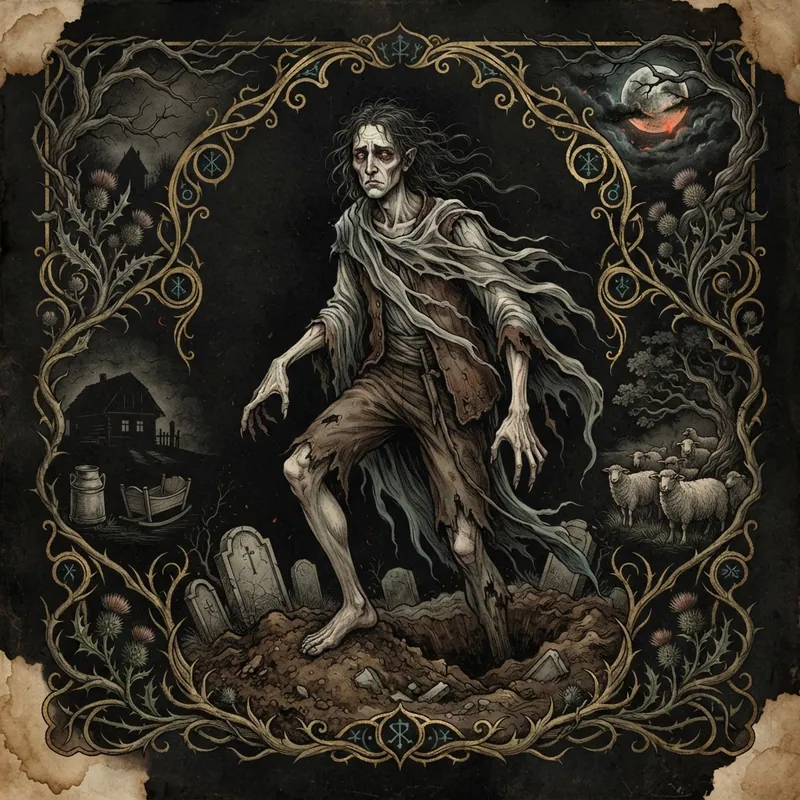
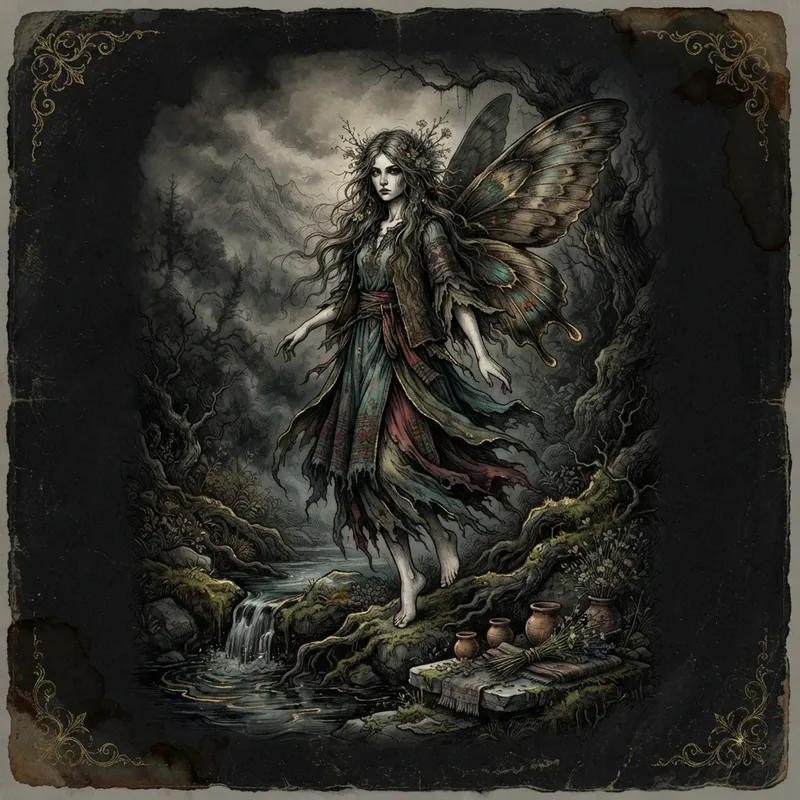
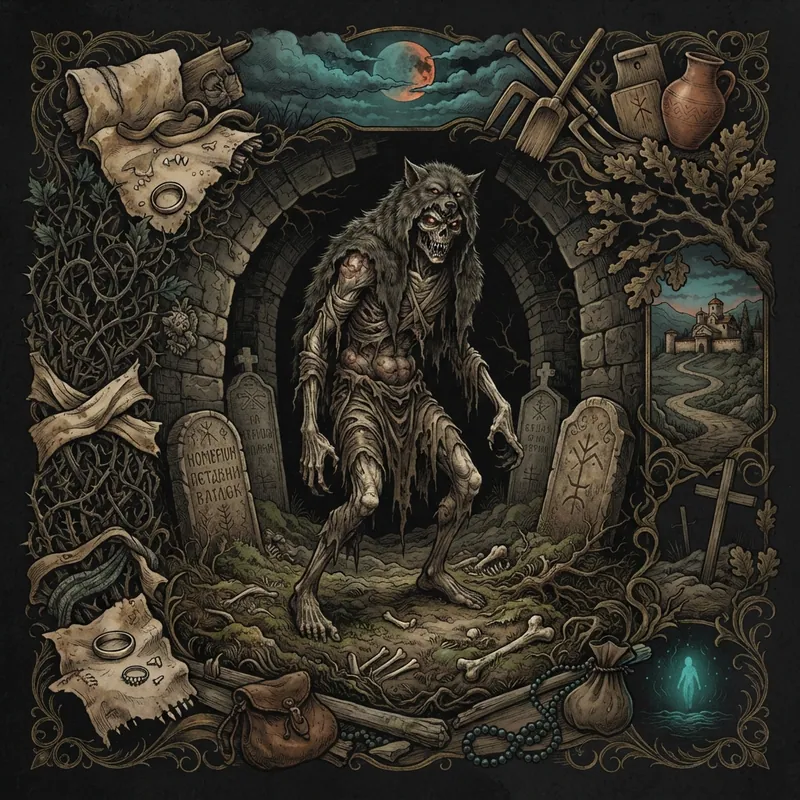
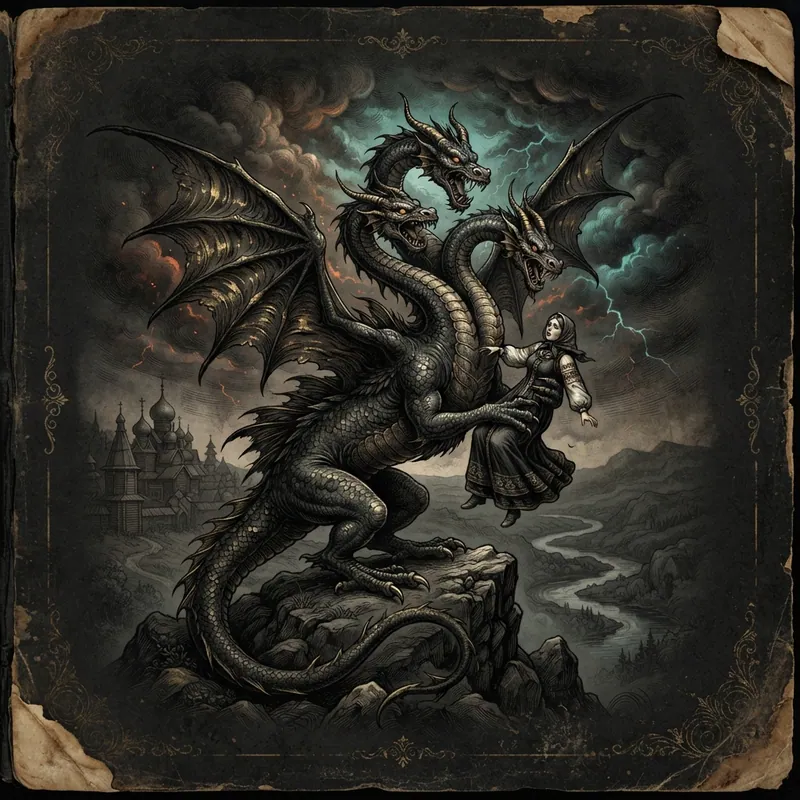
Baba YagaA formidable old woman of Slavic folktales whose hut stands on chicken legs. She can threaten, test, or aid a traveller; no single telling contains her.BannikThe spirit of the bathhouse in Russian folklore. Bathhouses were liminal, dangerous places; the bannik punished those who broke bathing etiquette or lingered after the proper hour.DrekavacA South Slavic night-being often linked with the souls of unbaptised or improperly buried dead. Its cry is the warning; descriptions of its body shift from village to village.Koschei the DeathlessA recurring antagonist of East Slavic wonder tales whose life is hidden outside his body—often in nested objects—so he cannot be killed by ordinary means. A story figure more than a village belief.StrigoiIn Romanian folklore a strigoi may be a living person whose soul wanders at night, or a dead revenant who returns to trouble family and herd. Distinct from the Polish strzyga and from literary Dracula.VilaBeautiful, often winged mountain or cloud spirits in South Slavic lore (vila, samovila, samodiva), capable of aid or harm. Offerings at springs and trees belong to living memory of the cult in some communities.VukodlakA South Slavic wolf-skinned being whose name means wolf-hair. In Serbia, Bosnia, and neighbouring lands the word often names a revenant that drinks blood, not the literary werewolf of Western Europe.ZmeyA dragon or serpent figure across Slavic storytelling (zmey, zmaj, smok), sometimes a storm-bringer, sometimes a shapeshifting abductor of maidens, sometimes a guardian. Local names and morals diverge widely.
 ♧
♧ ⌂
⌂ ✦
✦ ☾
☾ ☠
☠ ♧
♧ ☽
☽ ◎
◎Europe & the North · 7
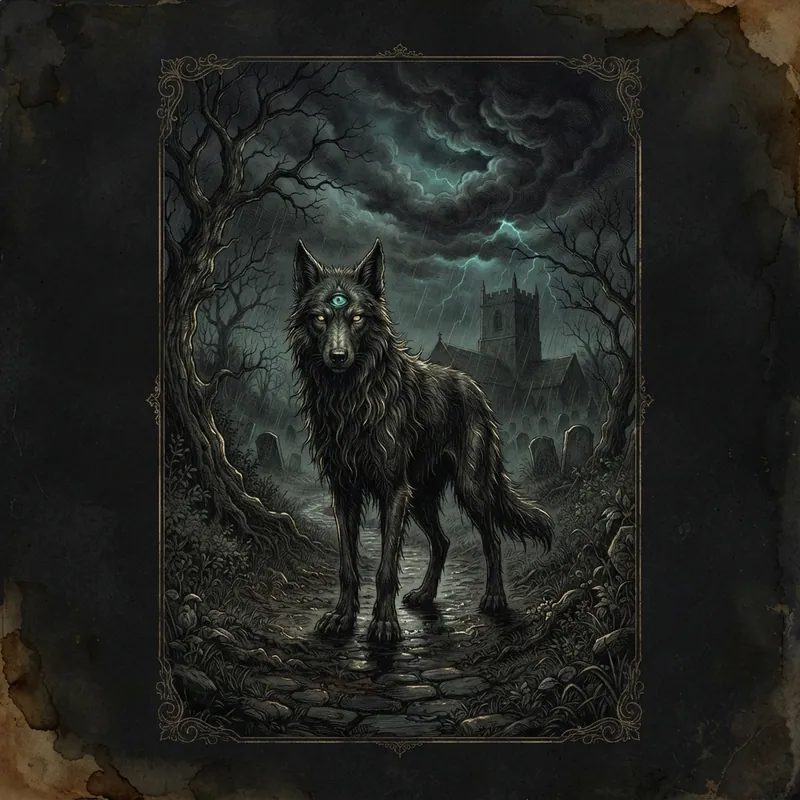
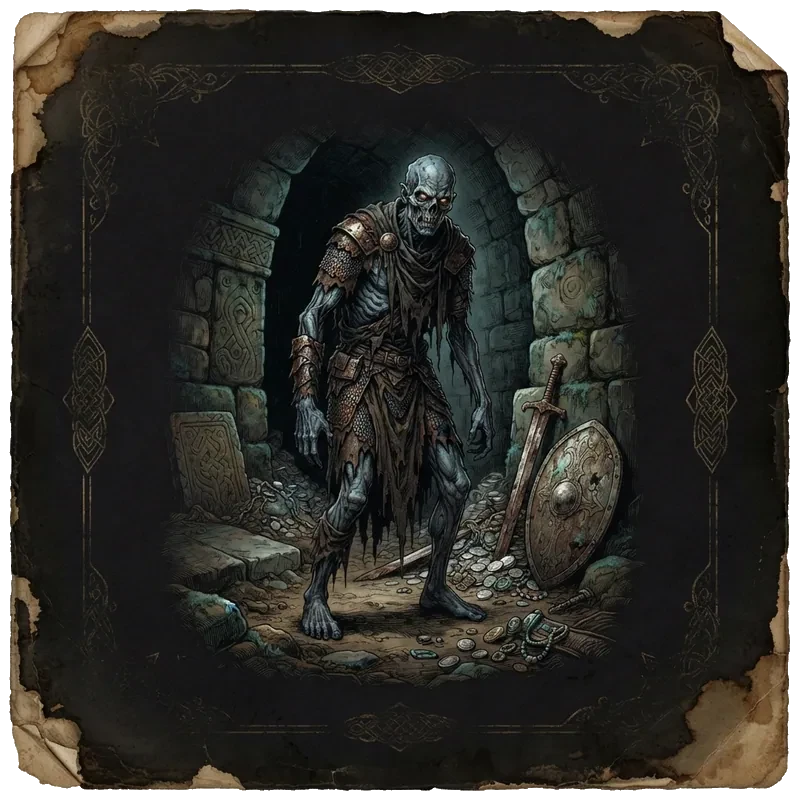
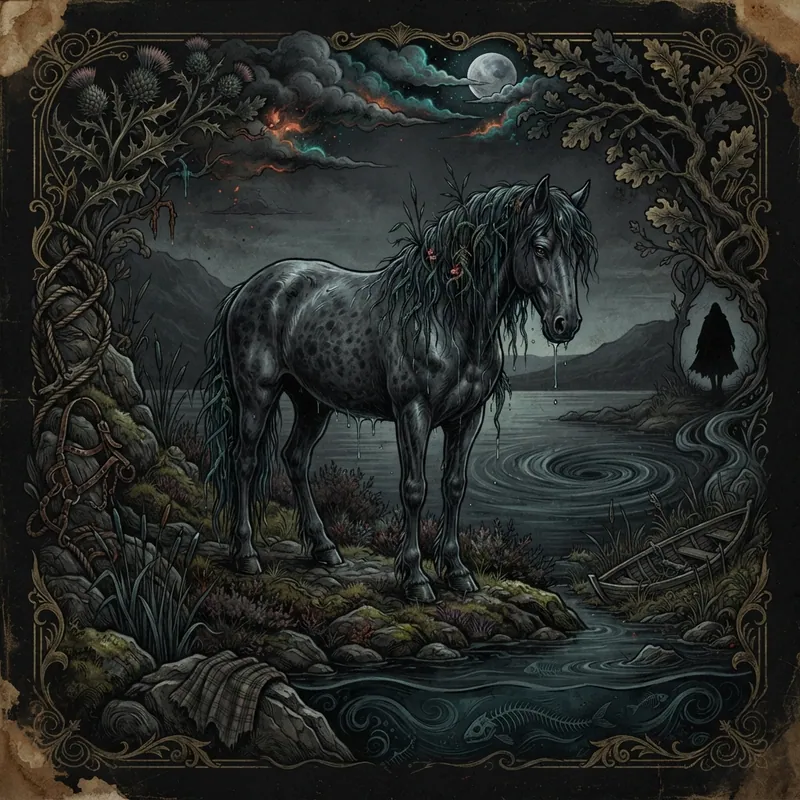
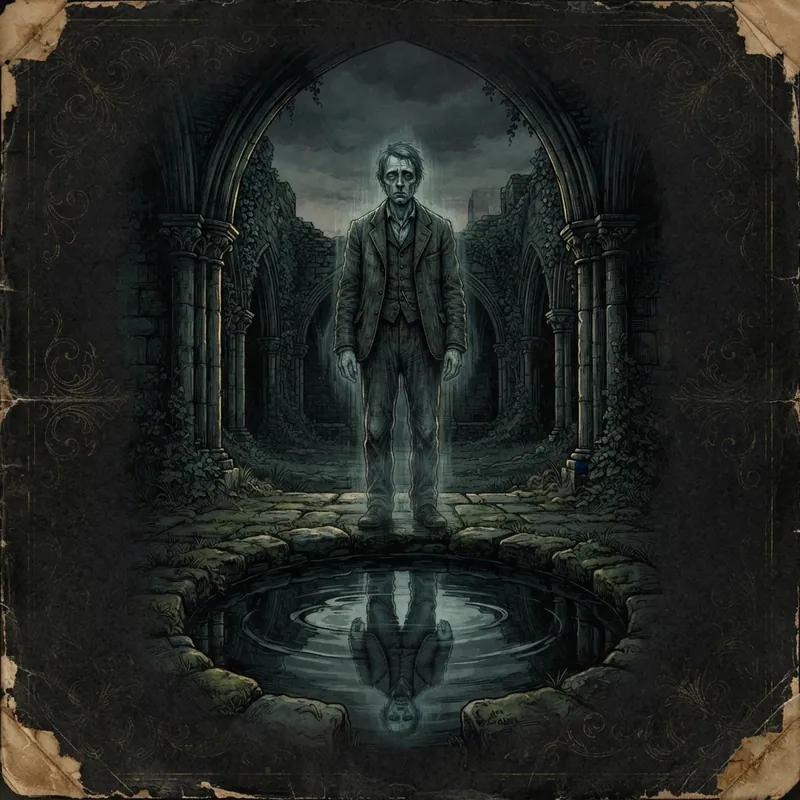
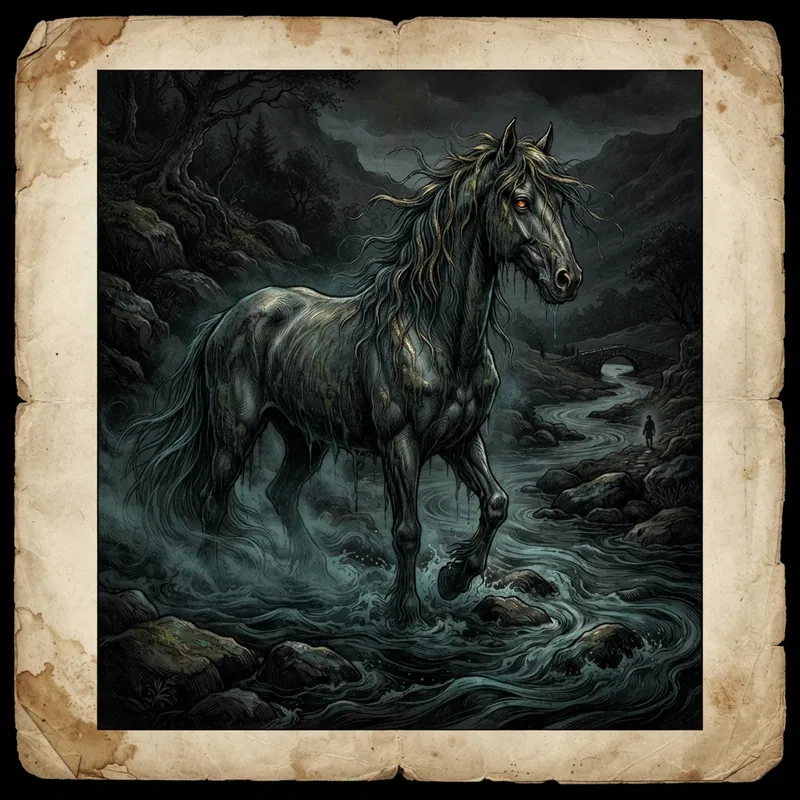
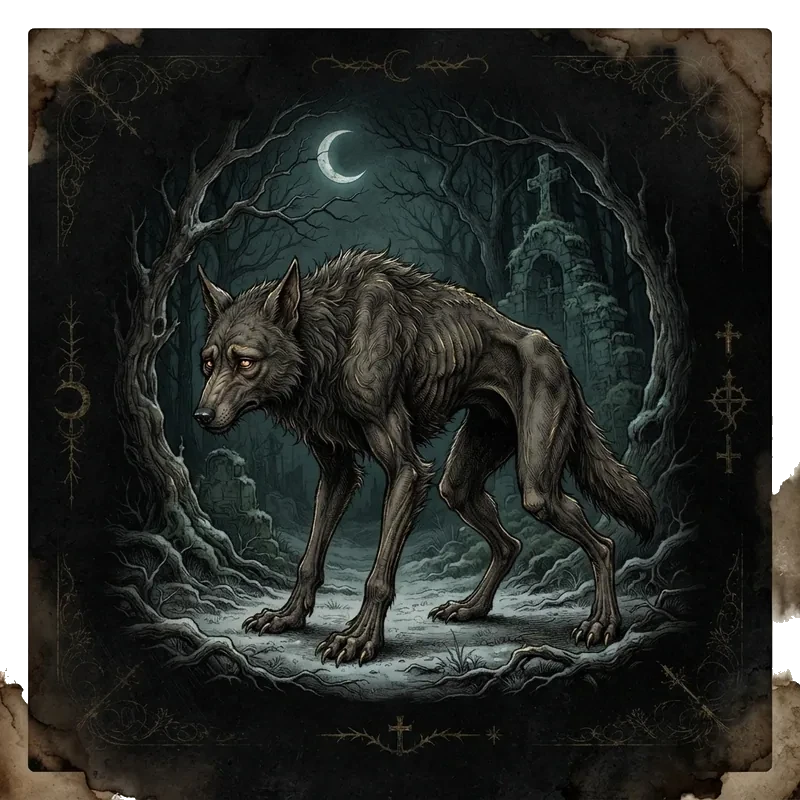
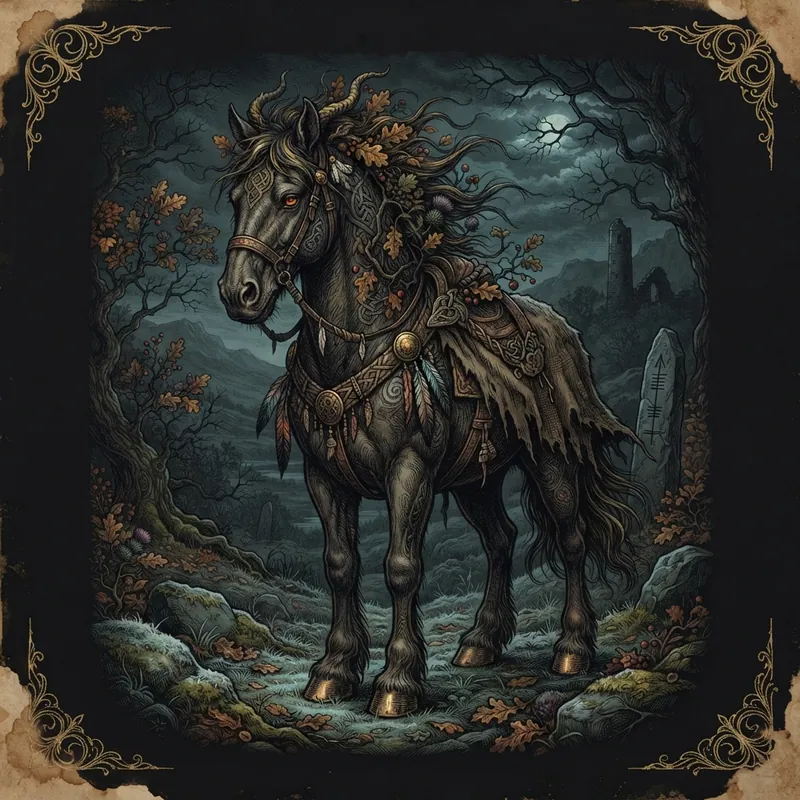
Black ShuckA spectral black dog of East Anglian folklore, often linked in stories to storms, churchyards, and ominous encounters.DraugrAn animated dead figure of Norse and Icelandic saga tradition, often guarding treasure in a mound and possessing terrible strength. Distinct from later generic zombie imagery.Each-uisgeThe Gaelic water-horse of Highland lochs, shape-changing and devouring. John Gregorson Campbell insisted it is not the kelpie of streams and torrents, though English retellings often merge the two.FetchA spectral double in Irish tradition whose appearance can foretell death or crisis. Related to wider European doppelgänger lore but rooted in Irish naming and omen practice.KelpieA shape-changing water spirit of Scottish folklore, often appearing as a horse and luring riders toward a fatal river or loch.Loup-garouThe French werewolf tradition, including New World Francophone variants. Sometimes framed as punishment or unfulfilled penance rather than a bite-transmitted Hollywood curse.PúcaA mercurial shape-changing being in Irish folklore, sometimes frightening, sometimes helpful, and rarely reducible to a single moral.
 ✧
✧ ✦
✦ ≈
≈ ✧
✧ ≈
≈ ◎
◎ ◎
◎Oceania & the Pacific · 2
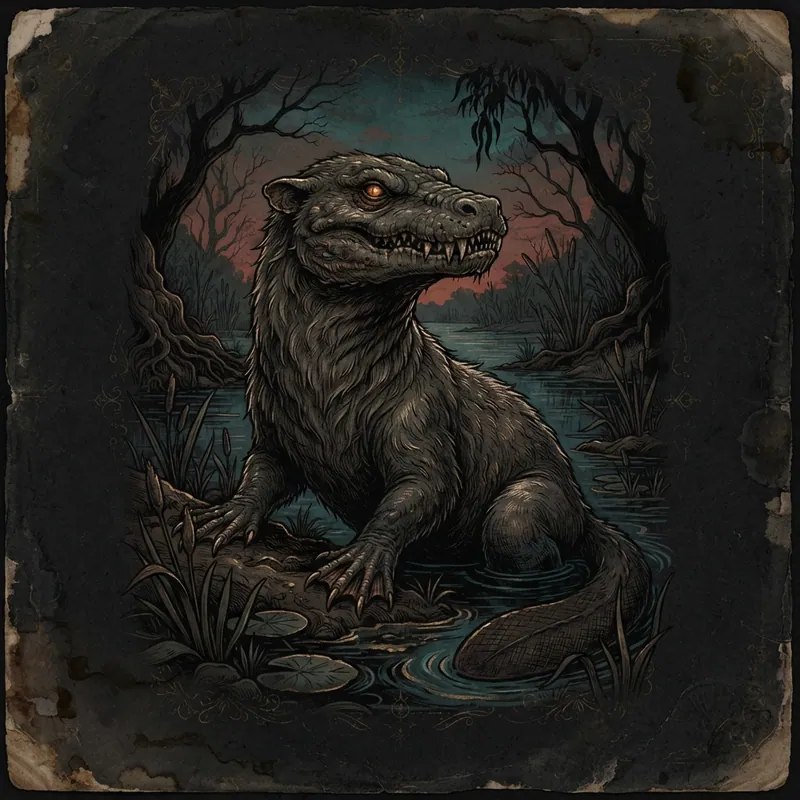
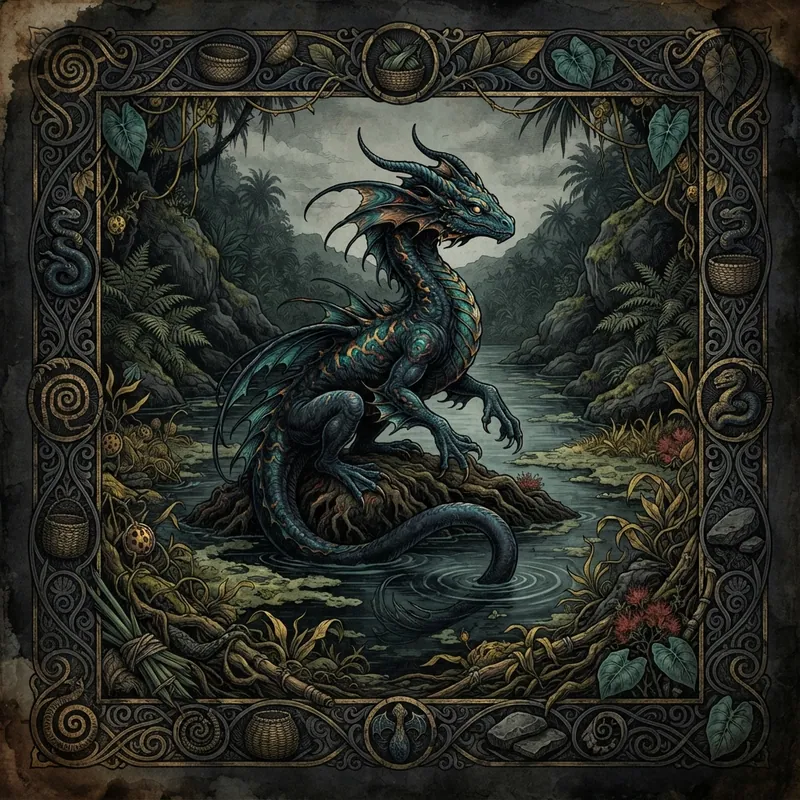
BunyipA being of Australian Aboriginal traditions and later settler retellings, associated with waterholes, swamps, and dangers at the water’s edge. Specific meanings belong to specific nations.MoʻoHawaiian moʻo are shapeshifting freshwater guardian beings — akua and sometimes ʻaumākua — who embody the life-giving and death-dealing nature of water. Living tradition, not a reptile trophy.
 ≈
≈ ≈
≈South Asia · 5
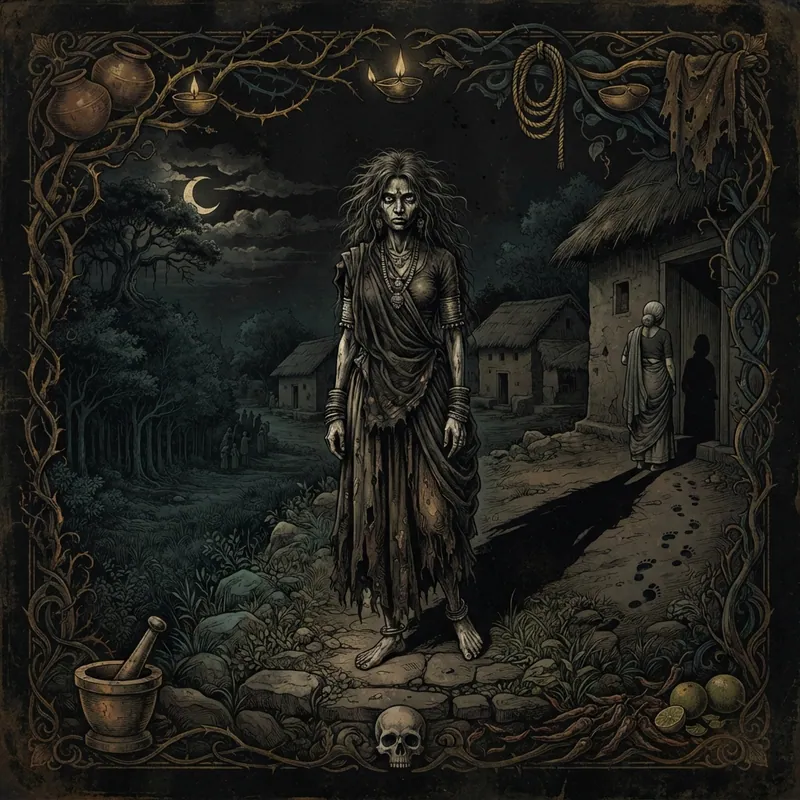
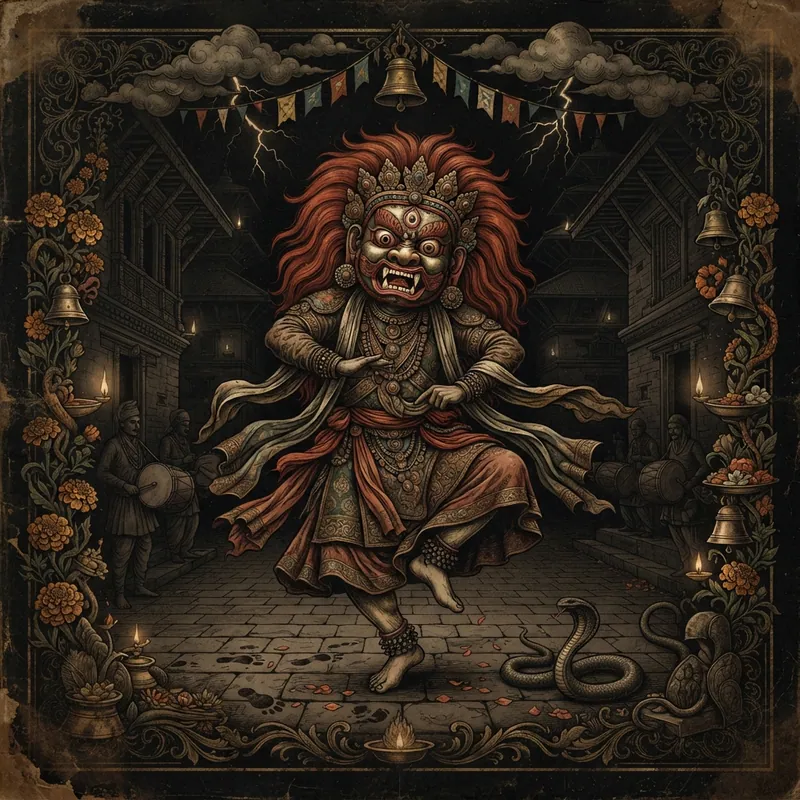
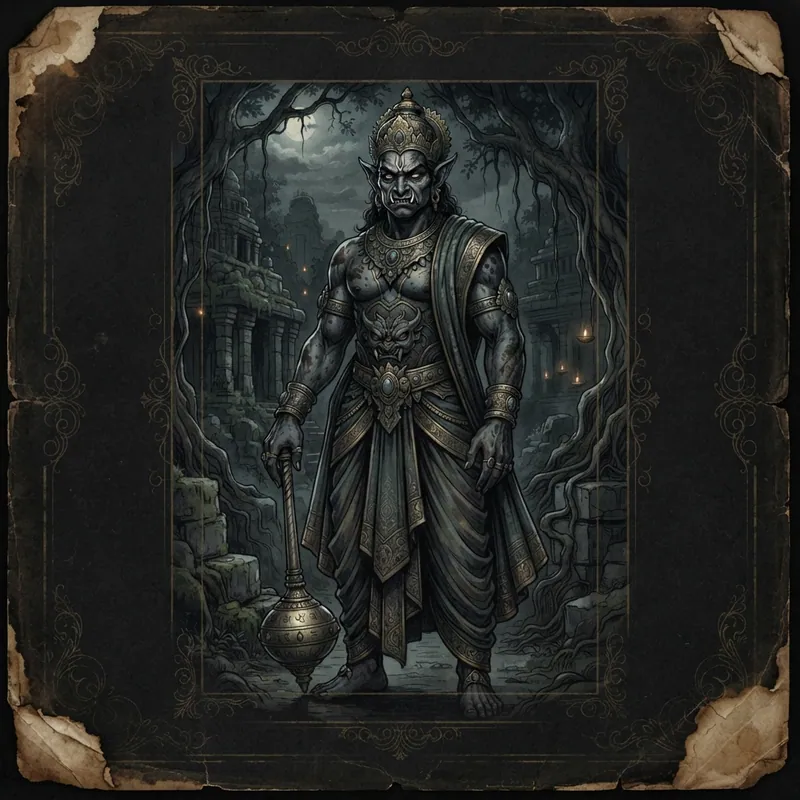
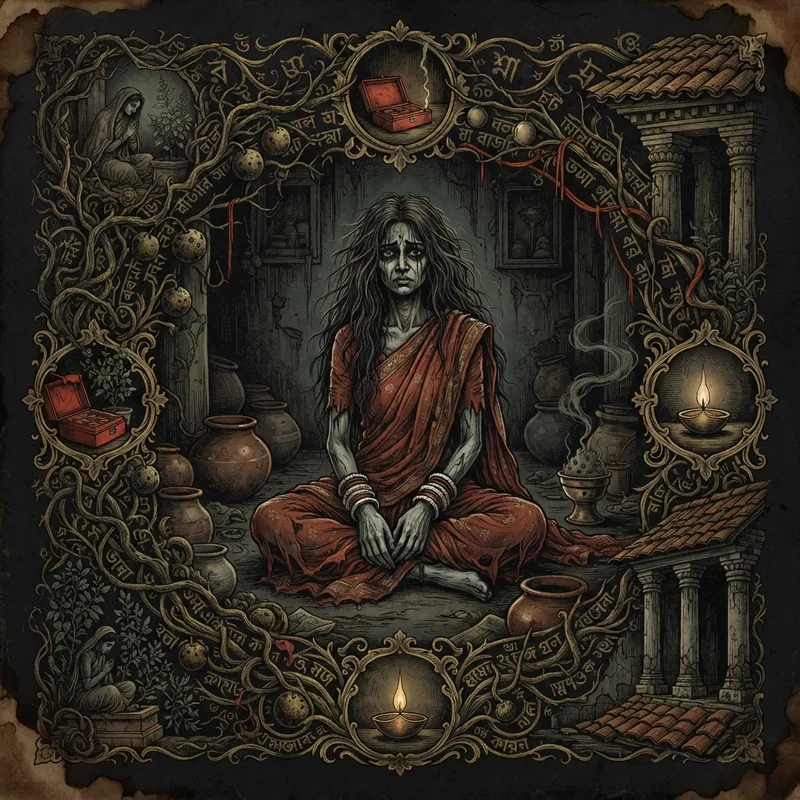
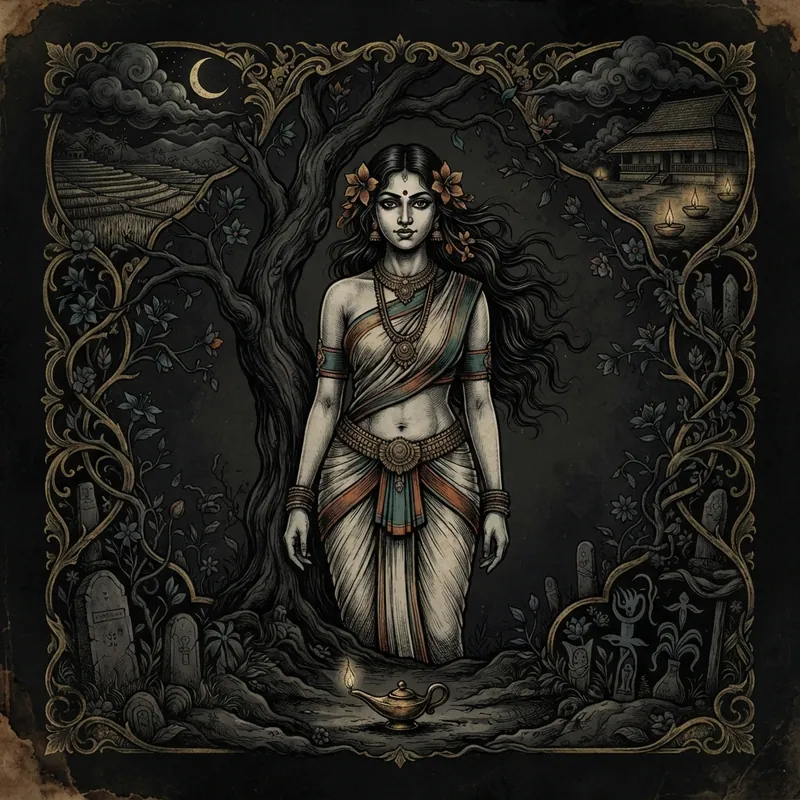
DaayanIn North Indian folklore, a daayan (ḍāin) is a malevolent female spirit or witch-figure, often linked to dakini traditions. The same name has been used in accusations against living women; this record holds both the tale and that social history without offering a hunt.LakheyA ferocious being of Newar folklore in Nepal's Kathmandu Valley, known above all through living masked dance. Majipa Lakhey is worshipped as a protector during Indra Jatra; the mask tradition is not a generic demon dossier.RakshasaPowerful beings of Hindu epic and storytelling—capable of illusion, night roaming, and both antagonism and complexity (not every rakshasa is simply ‘evil’). Read through the text tradition, not only monster lists.ShakchunniIn Bengali folklore, the spirit of a married Hindu woman who died while her husband still lived, retaining shankha bangles and a fierce attachment to household life. Related to, but not identical with, petni and churel.YakshiIn Kerala nocturnal folklore, a yakshi may appear as a beautiful woman of the night road who lures travellers; this is not the same figure as the auspicious yakṣī of temple sculpture, nor as yaksha beings more broadly.
 ✴
✴ ♧
♧ ◎
◎ ✦
✦ ◎
◎The Americas · 11
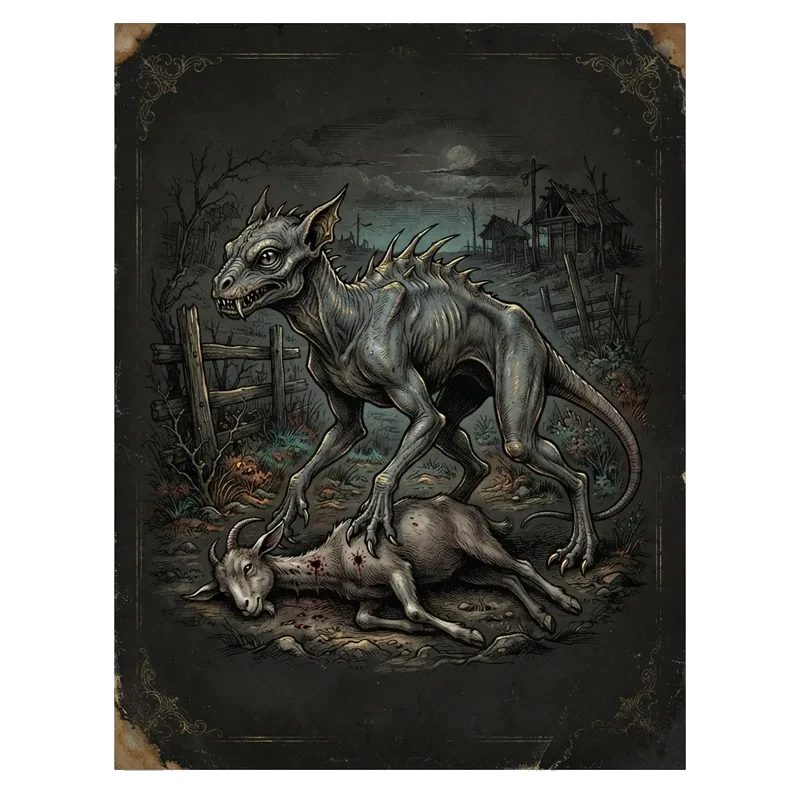
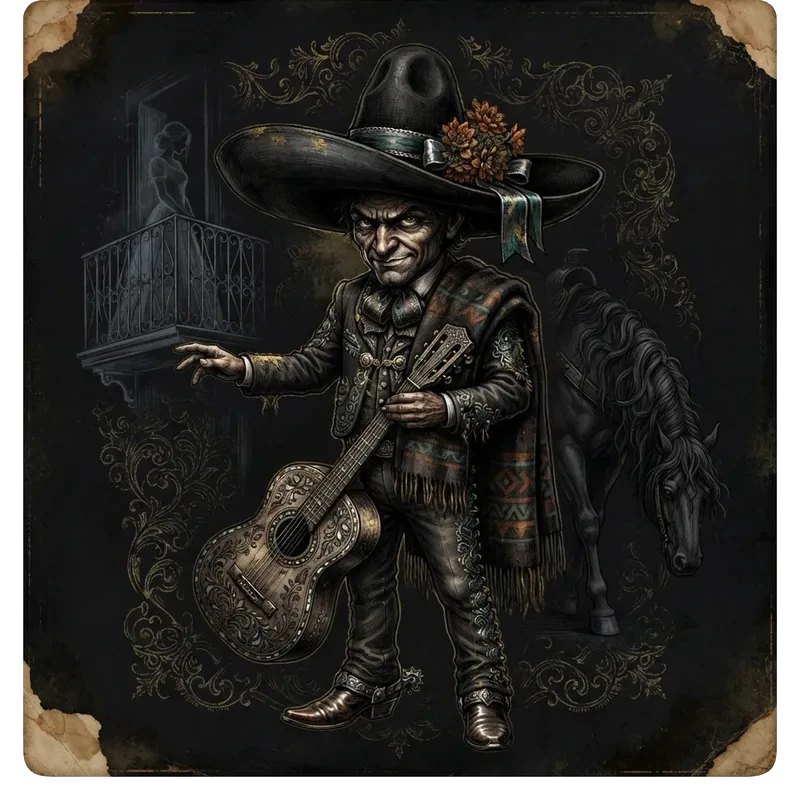
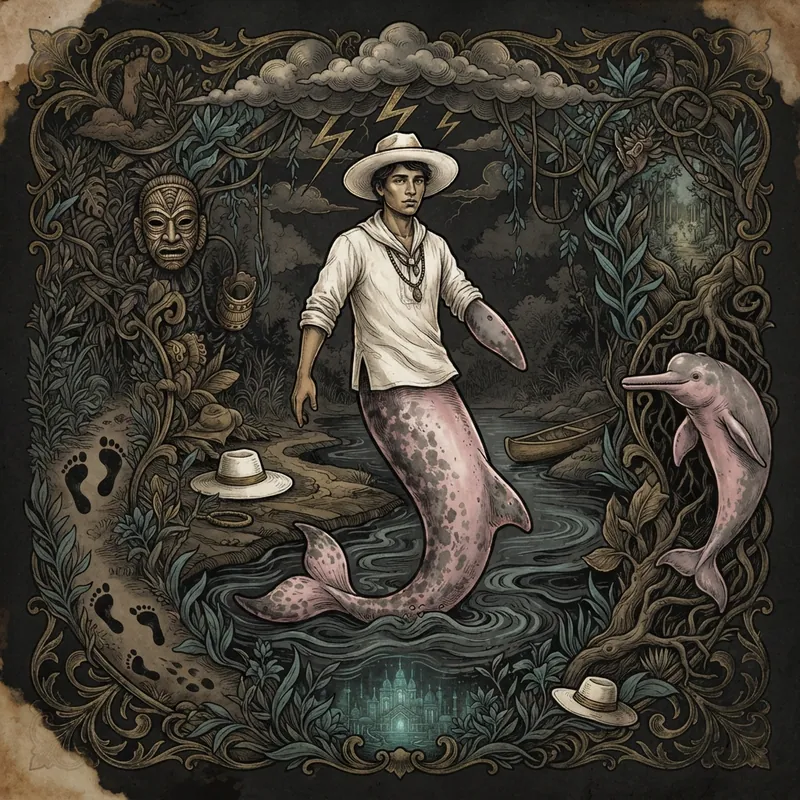
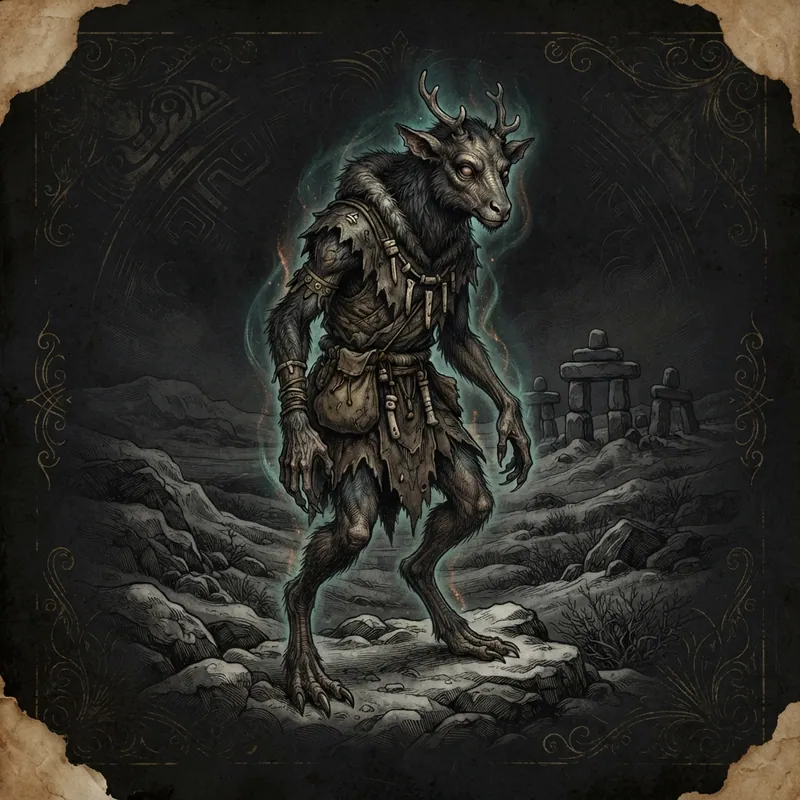
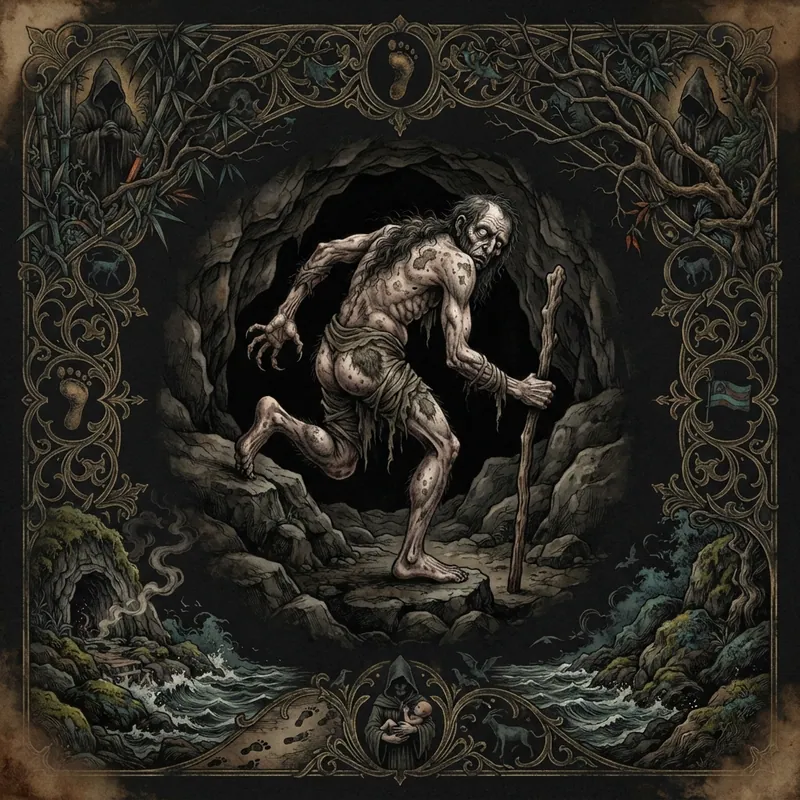
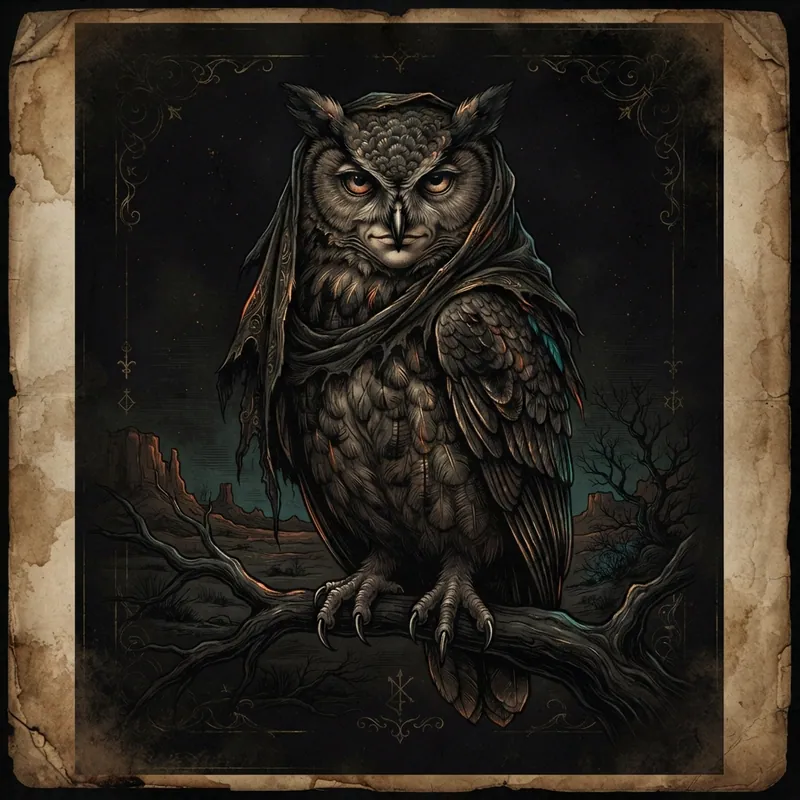
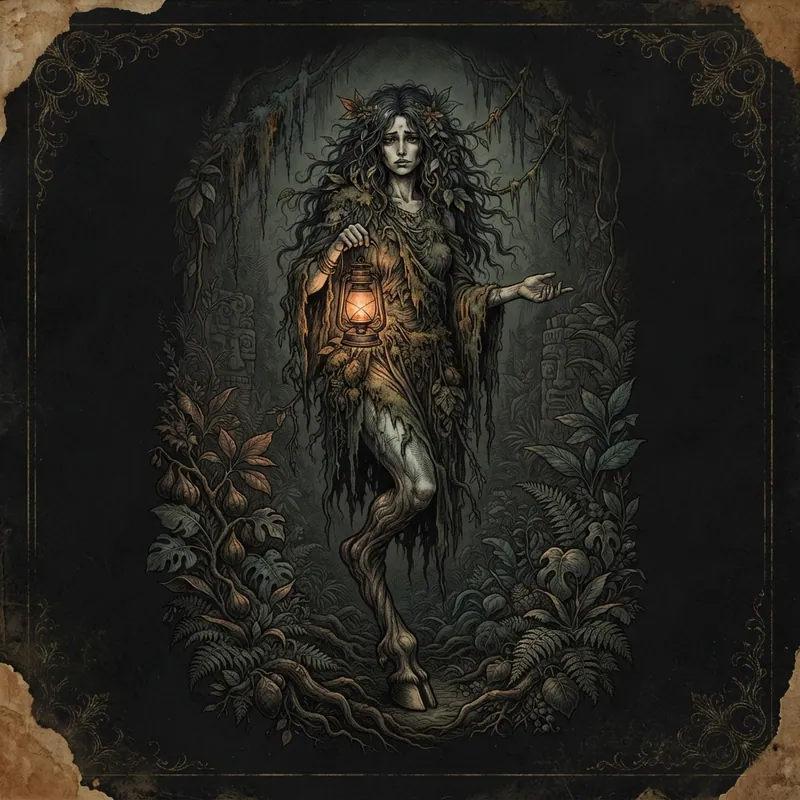
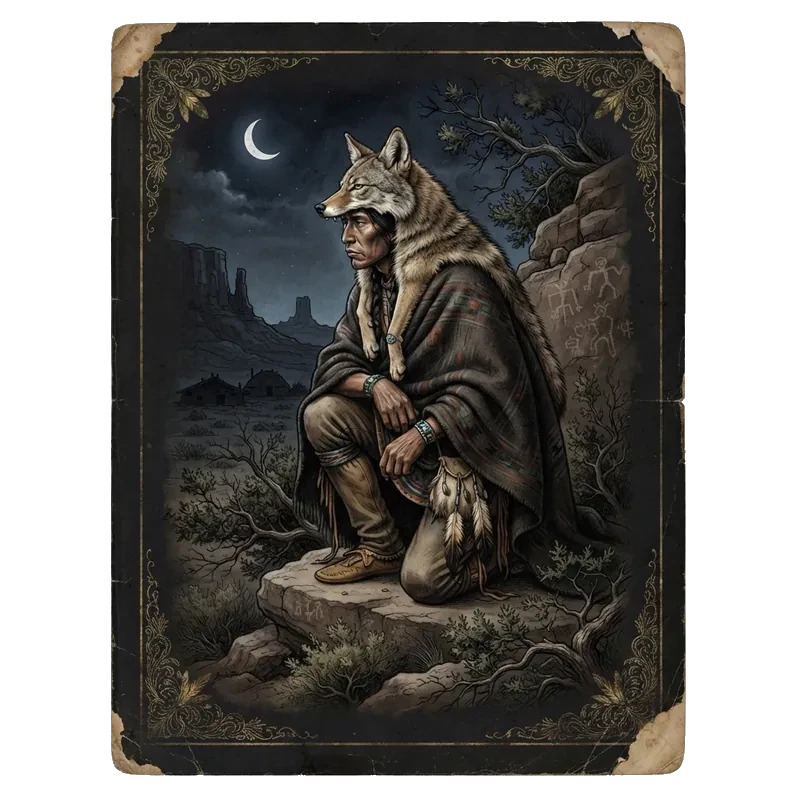
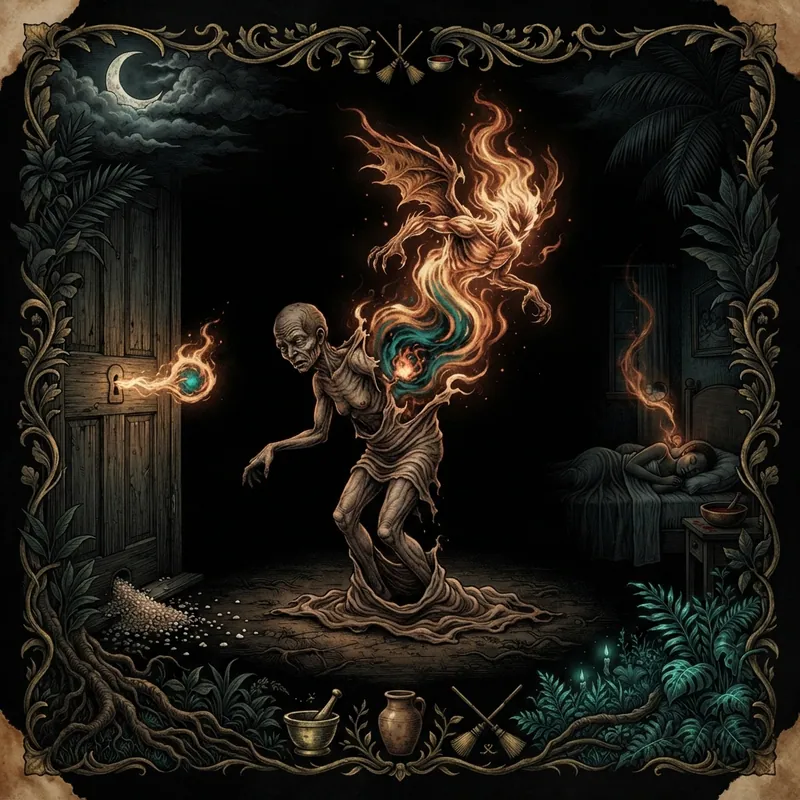
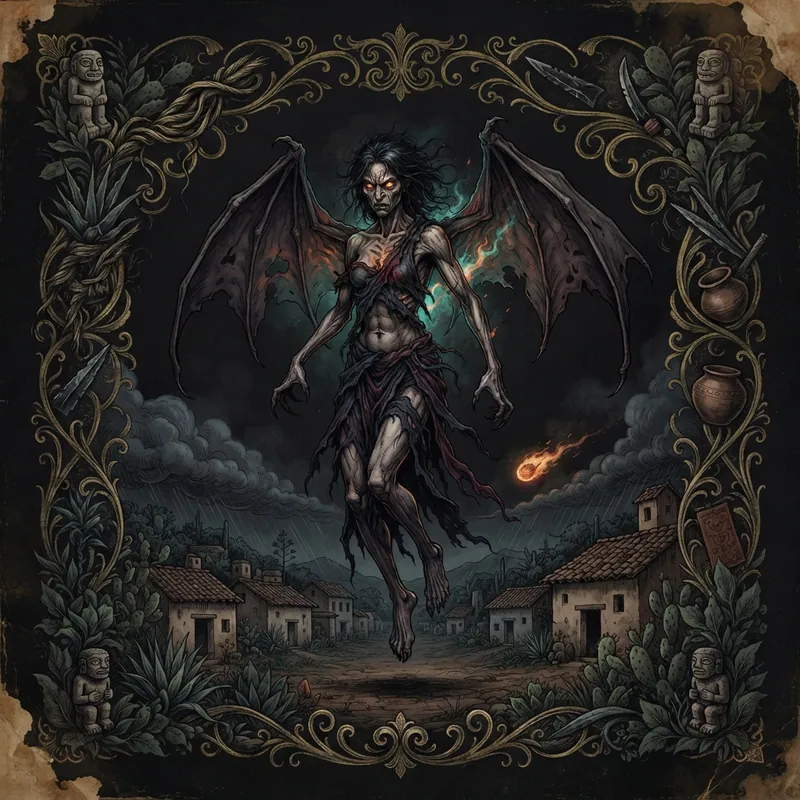
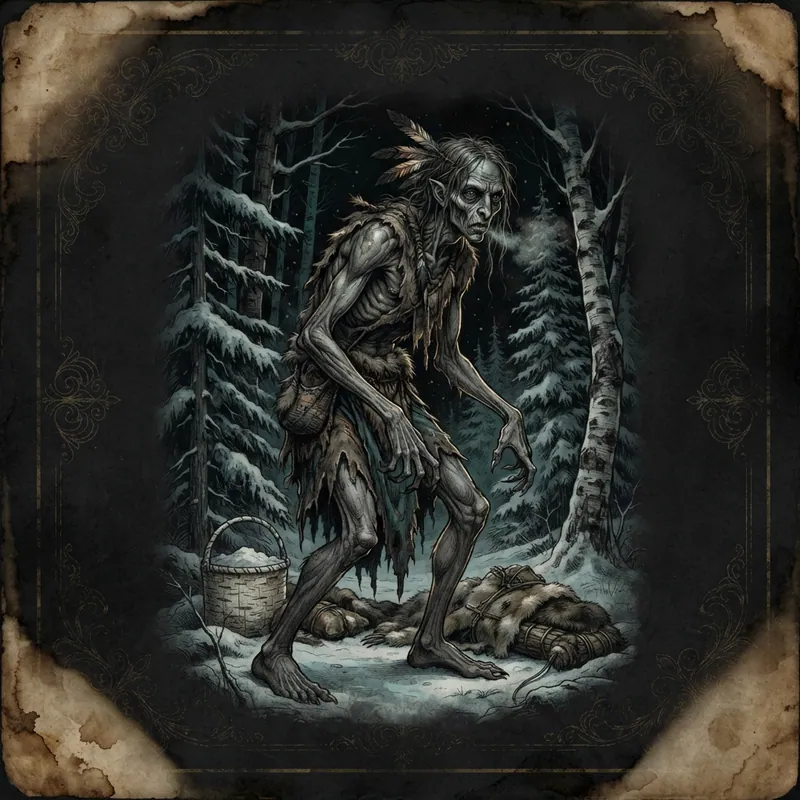
ChupacabraA late-twentieth-century cryptid first widely reported in Puerto Rico, later spreading across the Americas. Descriptions shift between spiny alien and hairless dog; media and rumour feed each other.El SombrerónA courtship and mischief figure of Guatemalan lore who serenades young women and tangles horses’ manes. Charm and threat sit close together in the tellings.EncantadoAmazonian encantados: river dolphins, especially the pink boto, who take human form, dance at festivals, seduce, and carry people to the Encante, a city under the water. Living Amazon tradition of Brazil and neighbouring Peru, not a generic mermaid and not the same as Iara.IjiraqShapeshifting beings in Inuit lore (especially North Baffin dialects) associated with leading travellers astray or hiding children. Inuksuit may help the lost find a way home. Treat as living cultural knowledge, not a game enemy.InvuncheIn Chiloé lore, the imbunche or invunche is a stolen or sold first-born, reshaped by island brujos into the mute, twisted porter of the witches’ cave. Distinctly Chilote — tied to the Recta Provincia and caves such as Quicaví — not a mainland ghost.La LechuzaA witch-owl figure of Mexican and borderlands storytelling, often a shapeshifting woman who takes owl form to hunt or curse at night. Versions differ between family and region.La PatasolaA one-legged forest seducer of Colombian lore who lures men into the wilderness. Often read as a warning about the jungle’s dangers and gendered violence in oral tradition.Skin-walker (yee naaldlooshii)Among the Diné, stories of skin-walkers belong to a living, sensitive witchcraft complex. Outsiders’ horror media often appropriates and flattens them. This archive points to respect and community authority rather than a monster dossier.SoucouyantA Creole and African-diaspora night figure of Trinidad and the wider Caribbean: by day an ordinary neighbour, by night a skin-shedder who travels as fire and takes blood. Not a generic European vampire; salt, rice-counting, and dawn belong to this tradition’s own logic.TlahuelpuchiA Tlaxcalan blood-witch complex: a person, usually a woman, born to a hunger that takes animal or fireball form at night. Living, sensitive Nahua-Mexican belief documented by Nutini and Roberts. Not a how-to, not a Halloween vampire.WendigoA gaunt, insatiable being of Algonquian tradition, associated with deep winter, starvation, and the dread of a hunger that consumes the self.
 ◒
◒ ☾
☾ ◎
◎ ◎
◎ ❖
❖ ◎
◎ ♧
♧ ◎
◎ ◎
◎ ◎
◎ ♧
♧