THE CONCORDANCE
loss of identity
No longer sure who — or what — you are.
Africa & the Middle East · 6
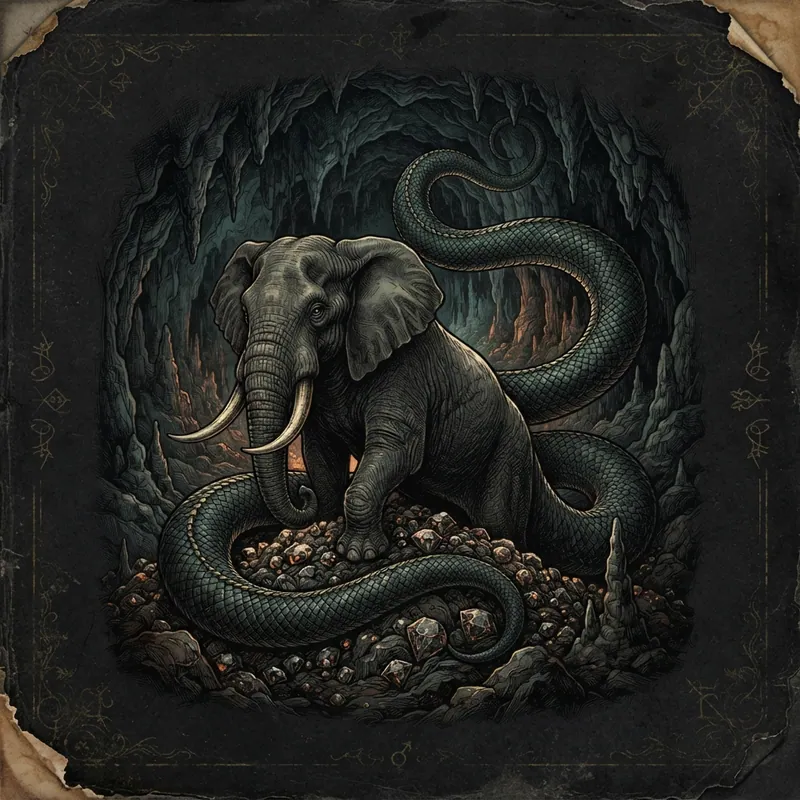
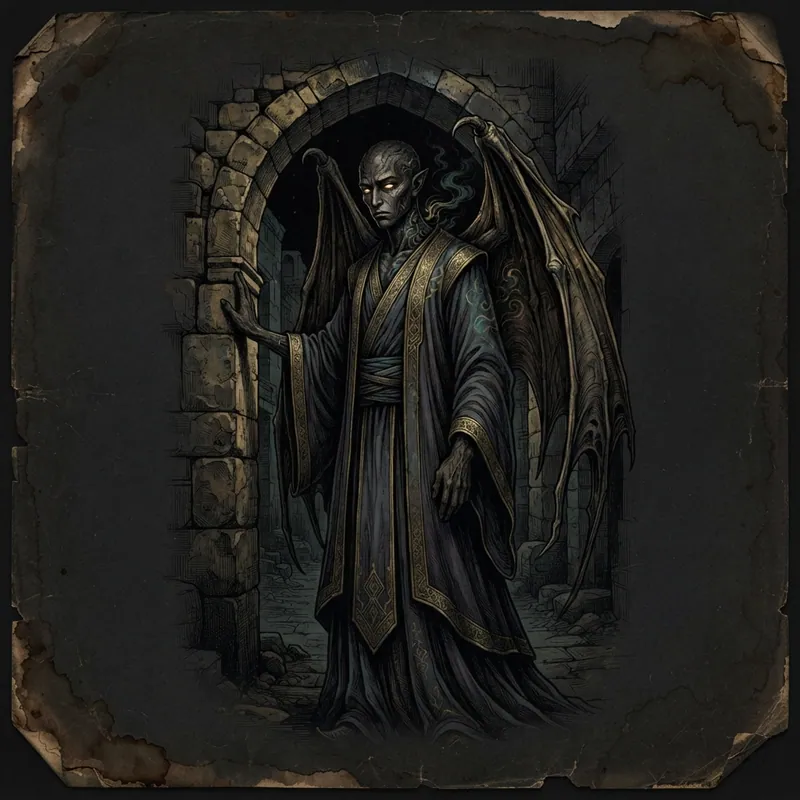
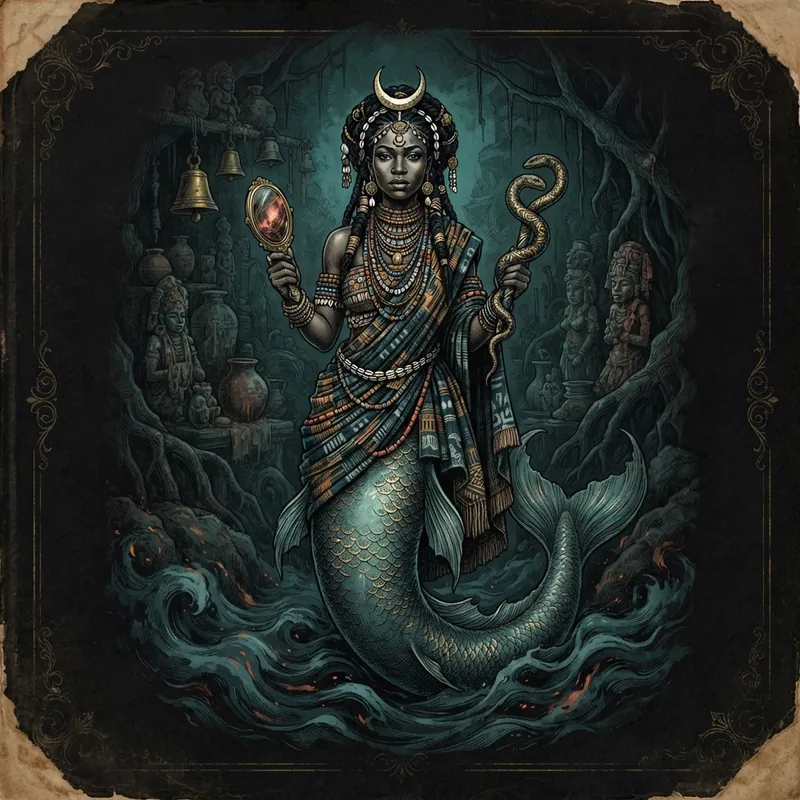
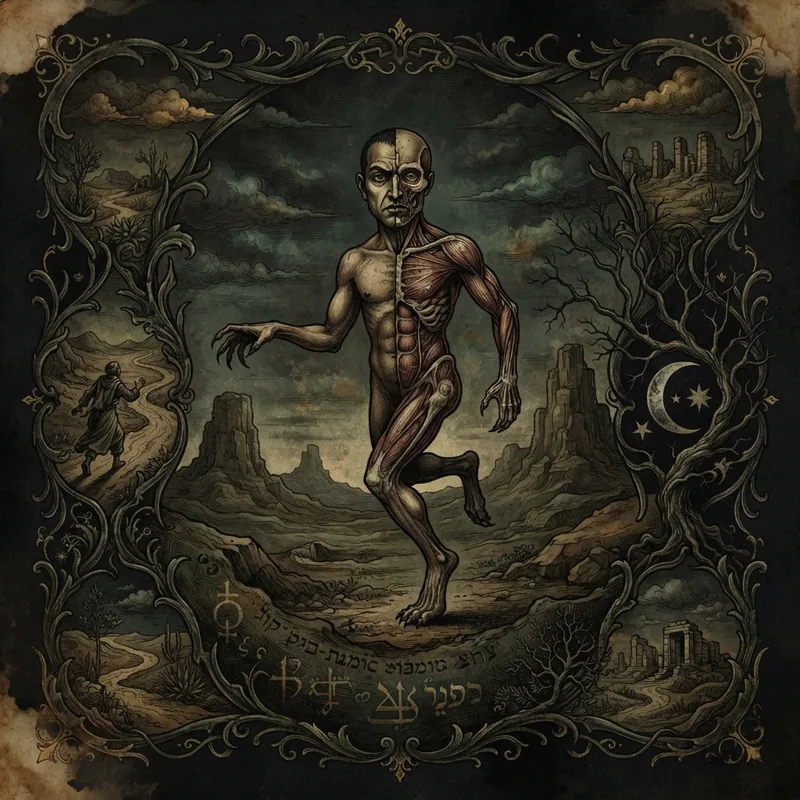
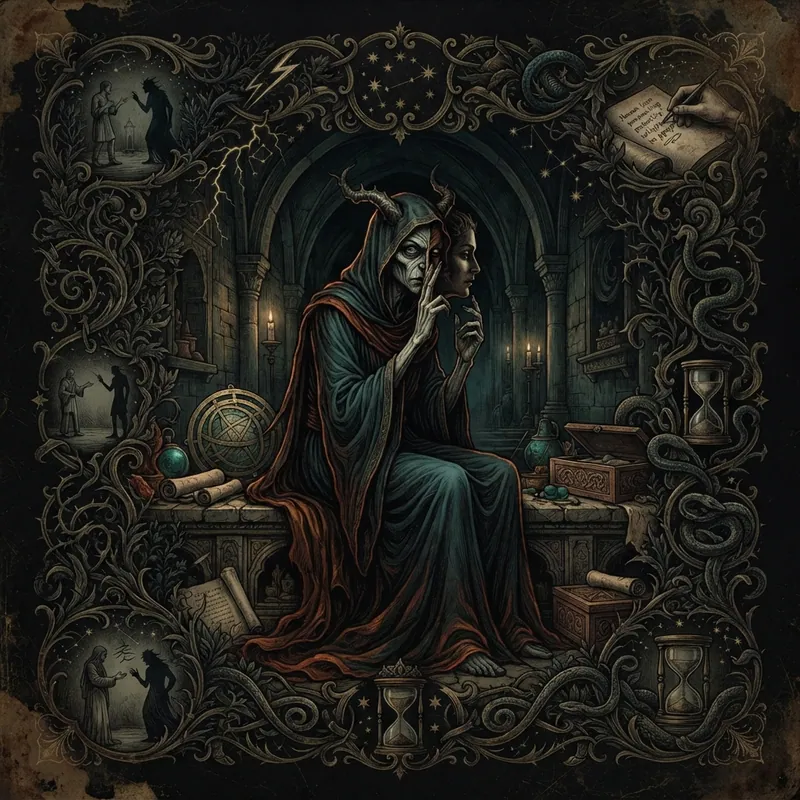
GrootslangA hybrid elephant-serpent of South African storytelling associated with deep caves and treasure. Blends indigenous landscape awe with later colonial adventure retellings.JinnJinn are beings in Arabic and Islamic traditions with wide-ranging depictions, moral qualities, and religious meanings; this record avoids treating a living tradition as a generic monster catalogue.Mami WataA powerful water spirit complex across West/Central Africa and the diaspora, associated with beauty, wealth, danger, and devotion. Not a single mermaid stereotype; practices and meanings are living and diverse.NasnasIn Arabic wonder-literature the nasnās is a monopod half-human: half a head, half a body, one arm, one leg, hopping with great agility. Lane recorded that portrait from Nights scholarship; Shia exegesis sometimes places nisānīs on earth before Adam. Not a generic jinn.QareenA qareen (qarīn) is, in Islamic tradition, the constant companion assigned to a human—often a jinn who whispers toward evil, though some authorities also name an angelic counterpart. Folklore sometimes makes it a jealous double. Distinct from the wider class archived as Jinn.SasabonsamA forest being in Akan lore, often described with iron teeth and a taste for those who enter the deep woods carelessly. Part of a wider West African forest-warning tradition.
 ◒
◒ ☾
☾ ≈
≈ ⌬
⌬ ❖
❖ ♧
♧Asia & the Isles · 10
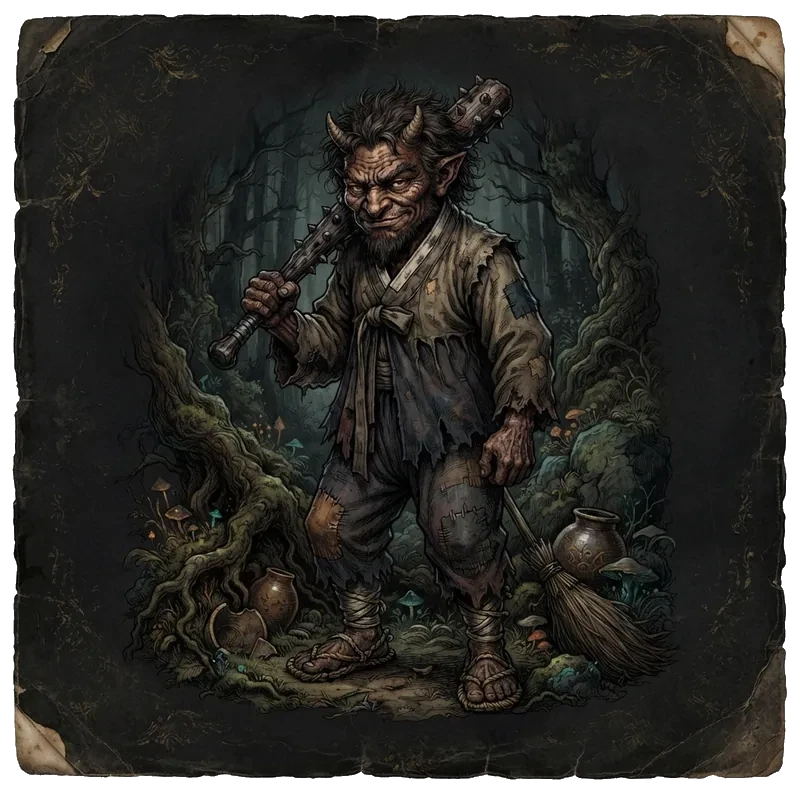
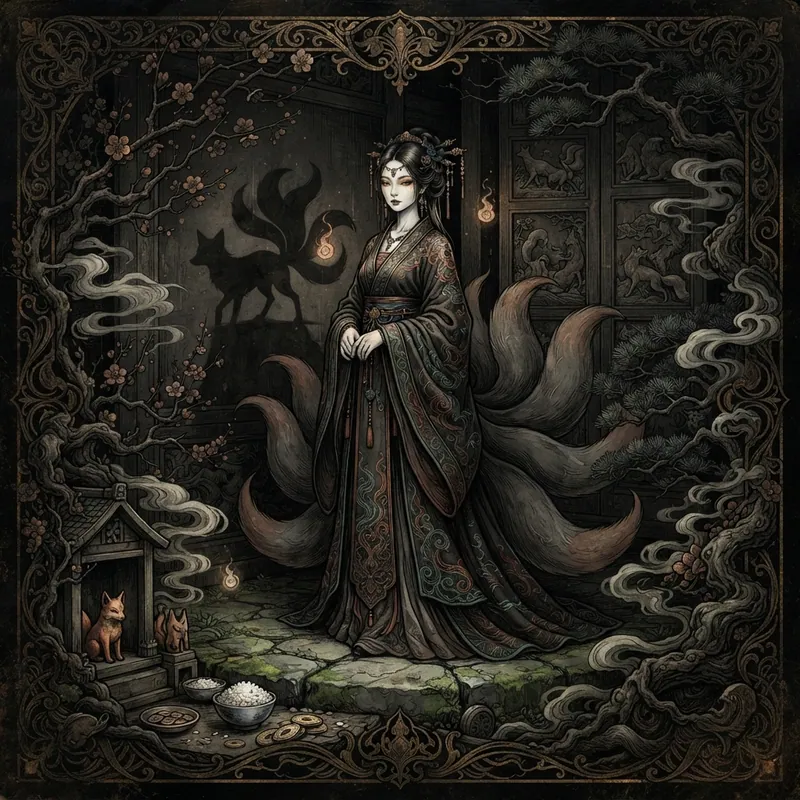
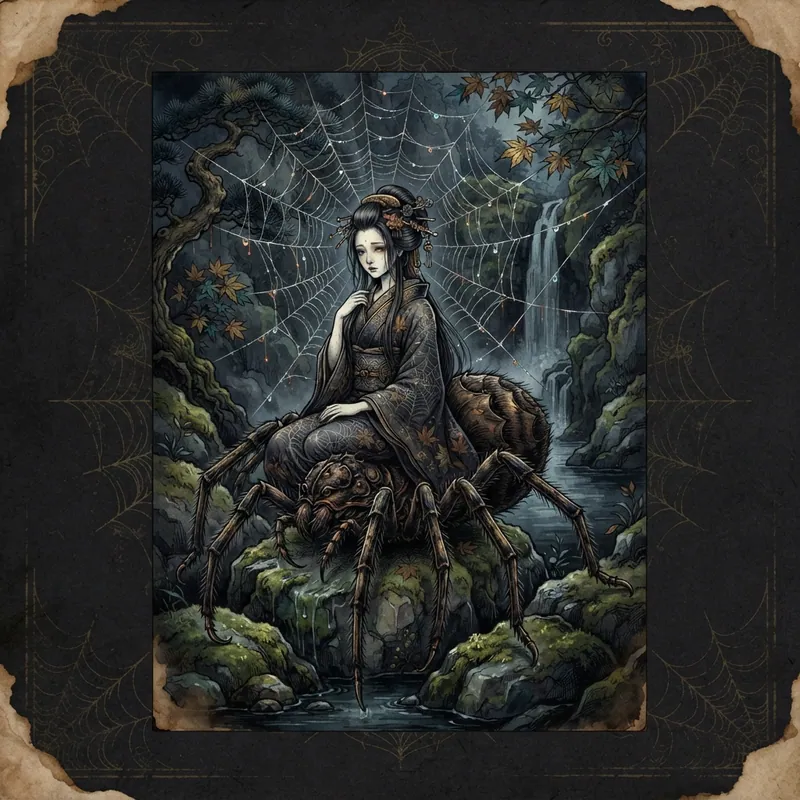
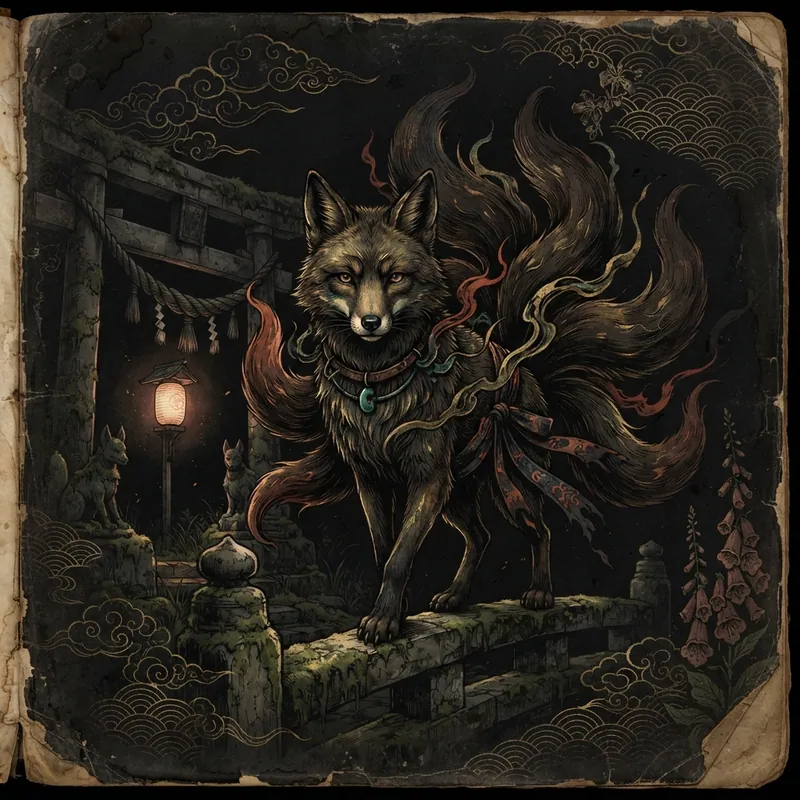
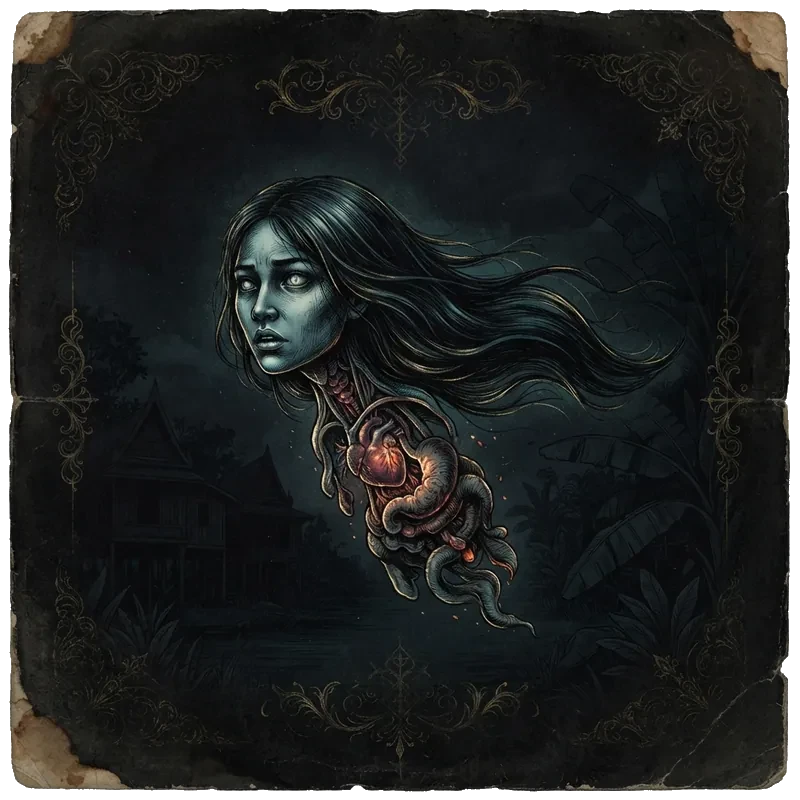
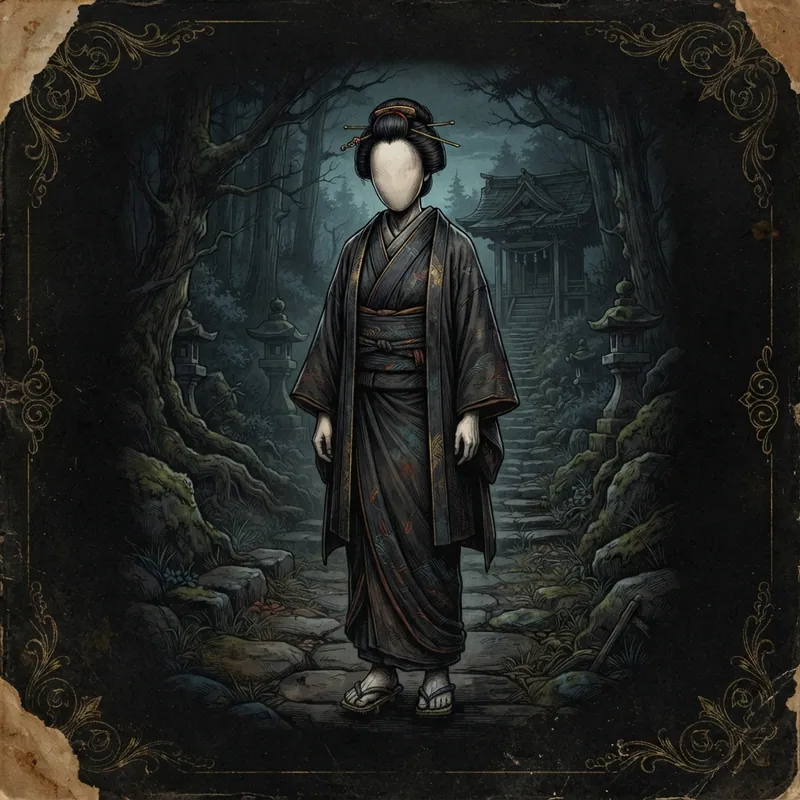
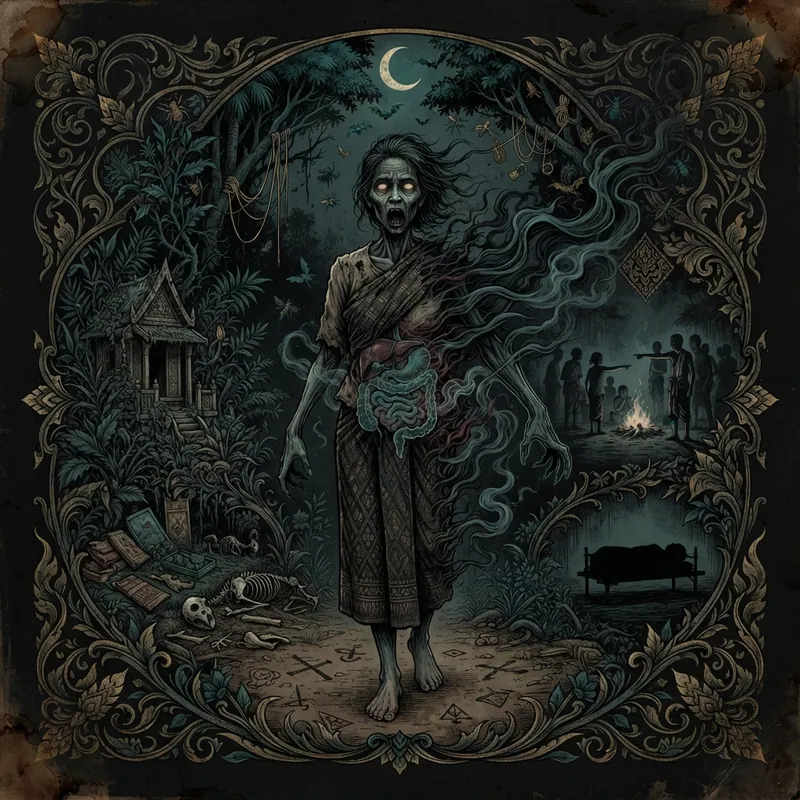
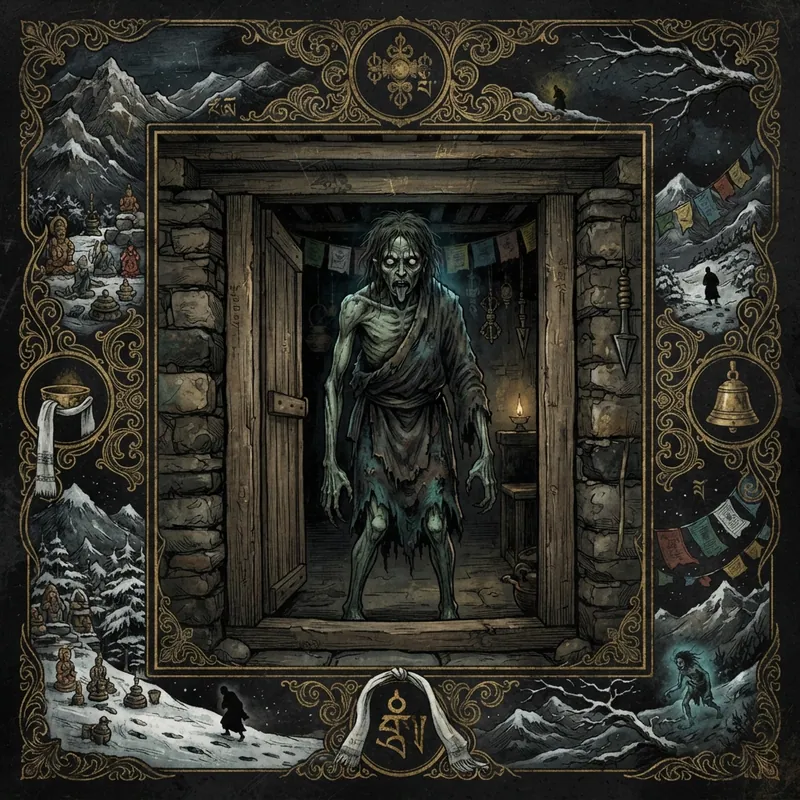
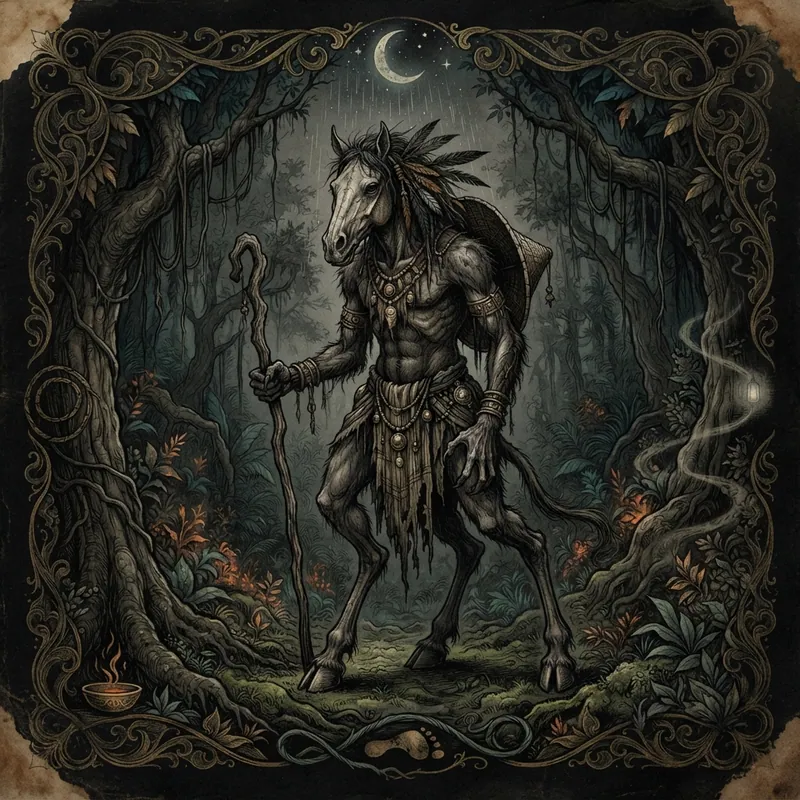
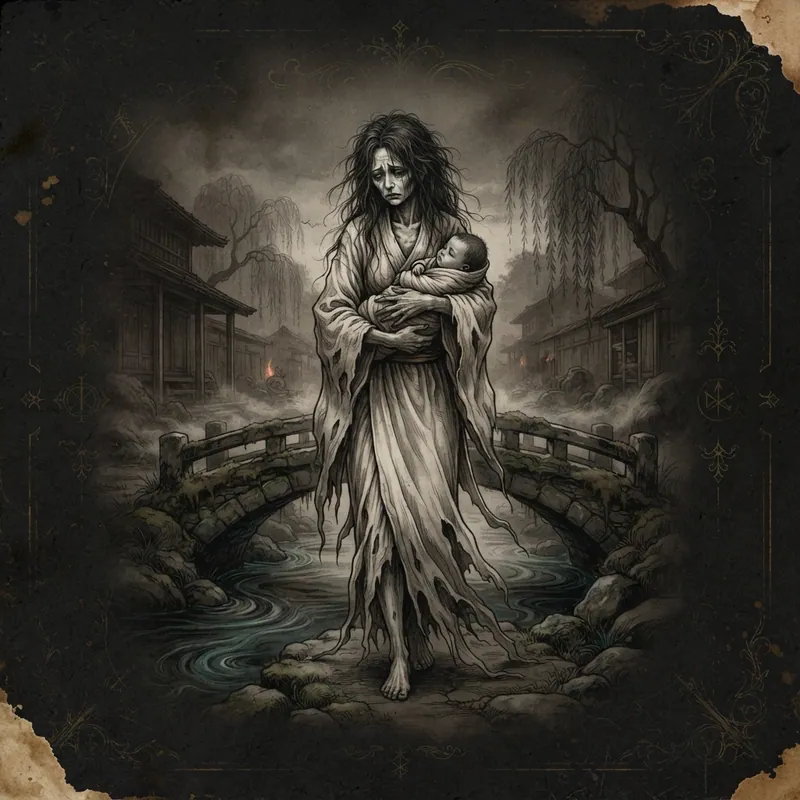
DokkaebiNature-spirits or goblin-like beings of Korean folklore formed from old stained objects or arising in the wild—tricksters who punish greed and reward cleverness, not simple demons.Huli JingA Chinese fox spirit that cultivates essence until it can take human form. Distinct from Japanese kitsune and Korean kumiho, though all three share an East Asian vulpine lineage.JorōgumoA spider yōkai in Japanese tradition, often imagined as able to take the form of a woman and lure travellers.KitsuneFox spirits in Japanese tradition, ranging from messengers of Inari to tricksters and lovers in disguise. Age and number of tails mark power; not every kitsune story is malevolent.KrasueA night-spirit figure in Thai and Khmer folklore, associated in many modern retellings with a glowing head travelling through the night.Noppera-bōThe faceless ghost of Japanese urban and roadside lore, often appearing first as an ordinary person before revealing a smooth, featureless face—a jolt more than a long chase.Phi PopA ravenous possessing spirit of ethnic Lao belief in Laos, Isan, and nearby regions. It uses a human host to eat internal organs. Communities may exile the accused; some Lao villages specialise in receiving them.Ro-langsTibetan ro-langs, ‘risen corpse’: a revenant of folklore and Buddhist narrative, often tied to gdon spirits or illicit ritual. Stiff joints and low lintels belong to this world, not to generic zombie cinema.TikbalangA Philippine forest being, now usually pictured as a tall, bony horse-headed humanoid, that misleads travellers. Early Spanish records call it a mountain phantom; the werehorse face arrived after horses did.UbumeA spirit associated with women who died in childbirth in Japanese lore, often appearing near water or bridges and testing the living with a baby that becomes impossibly heavy.
 ☾
☾ ◎
◎ ◎
◎ ◎
◎ ☾
☾ ◎
◎ ❖
❖ ☠
☠ ♧
♧ ✦
✦Eastern Europe · 12
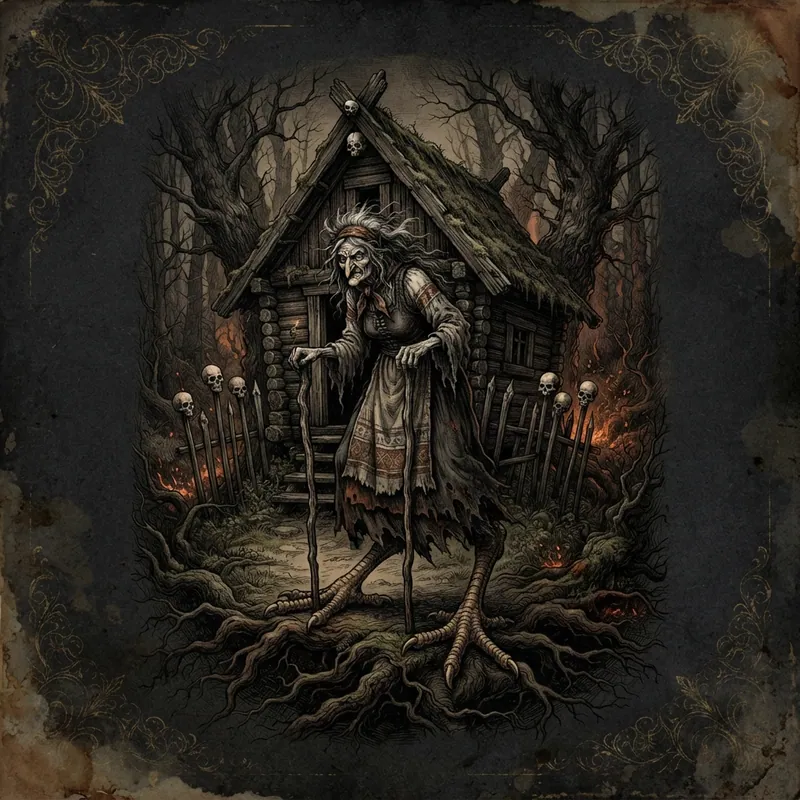
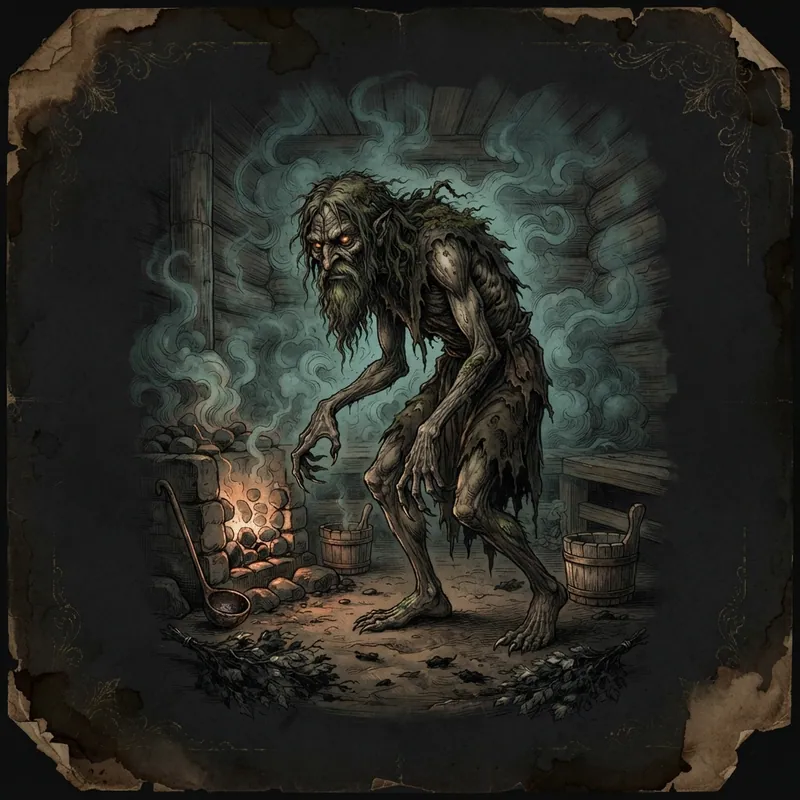
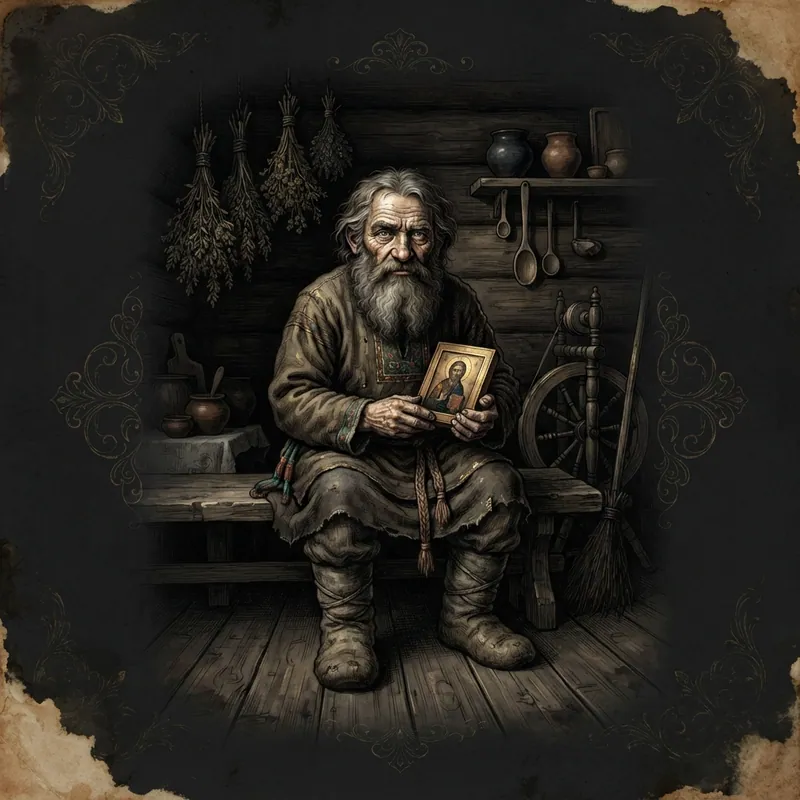
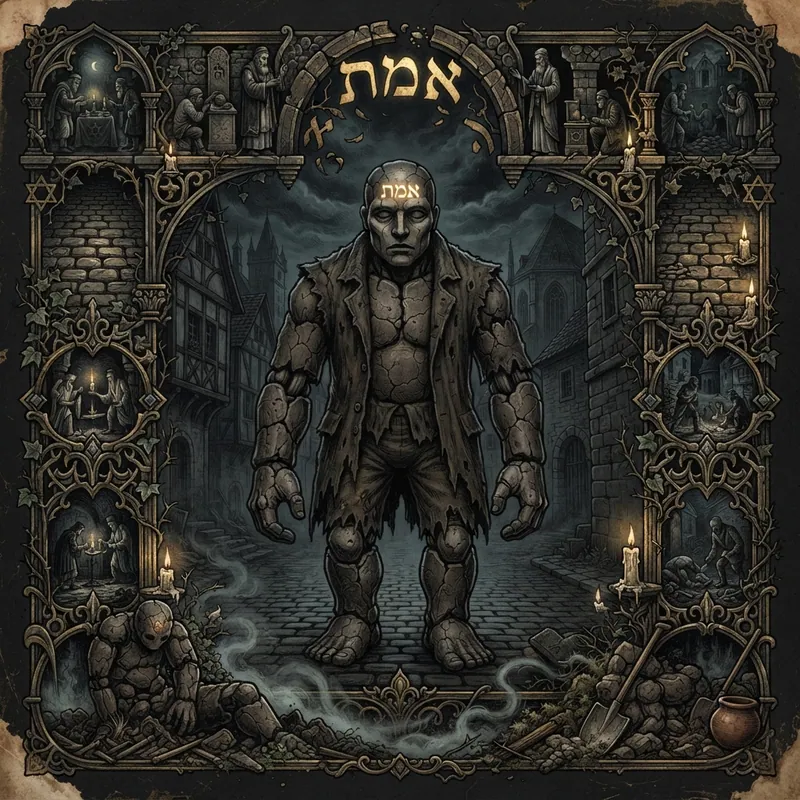
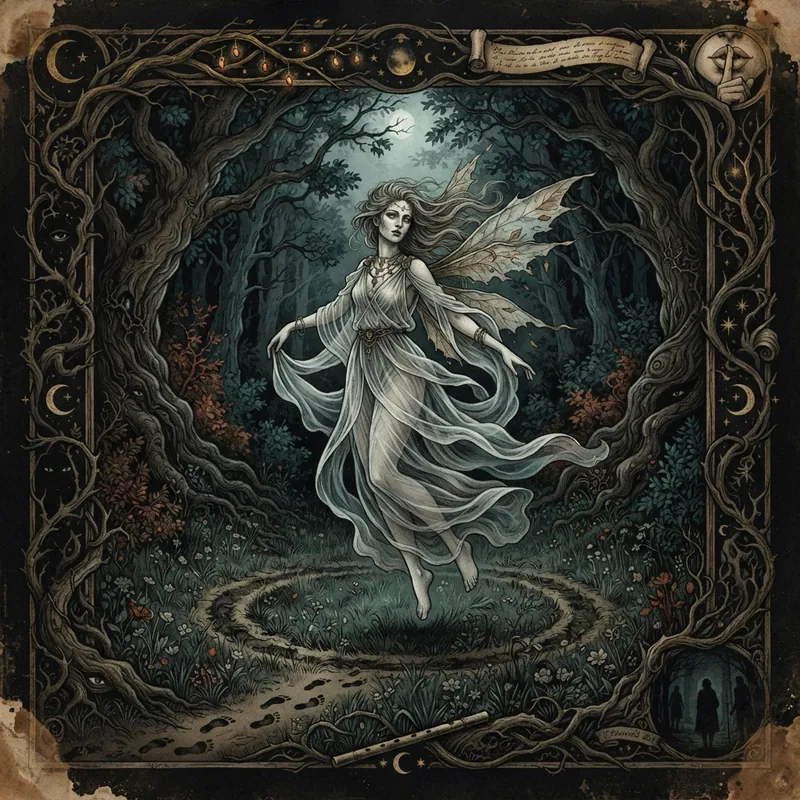
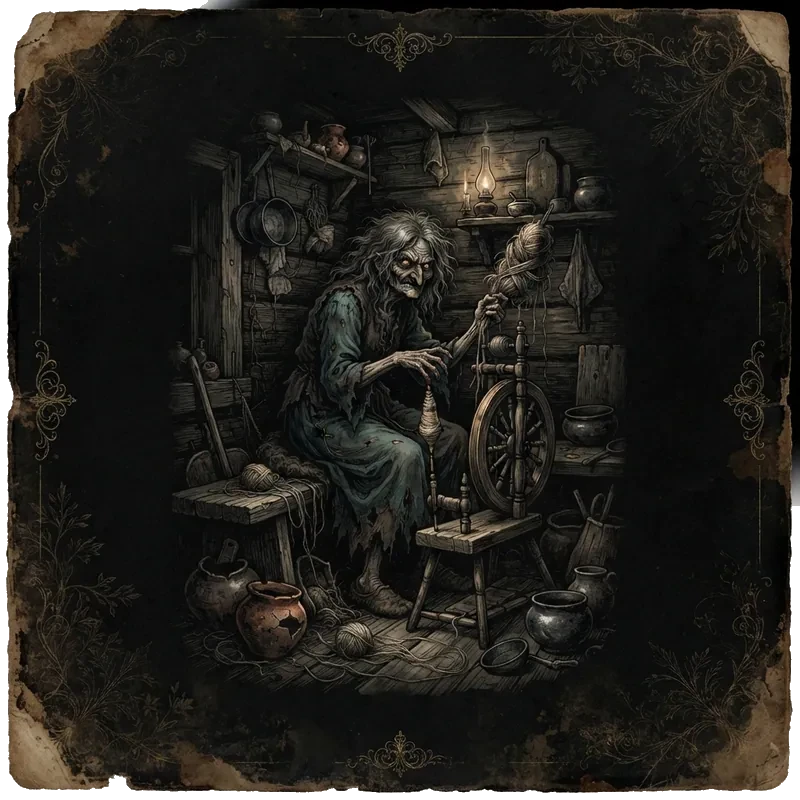
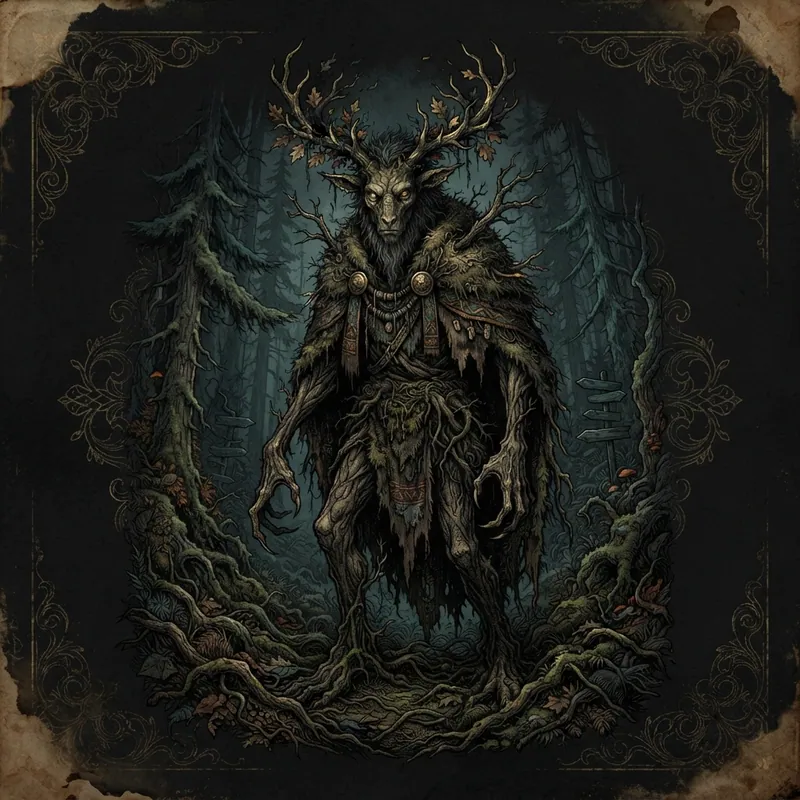
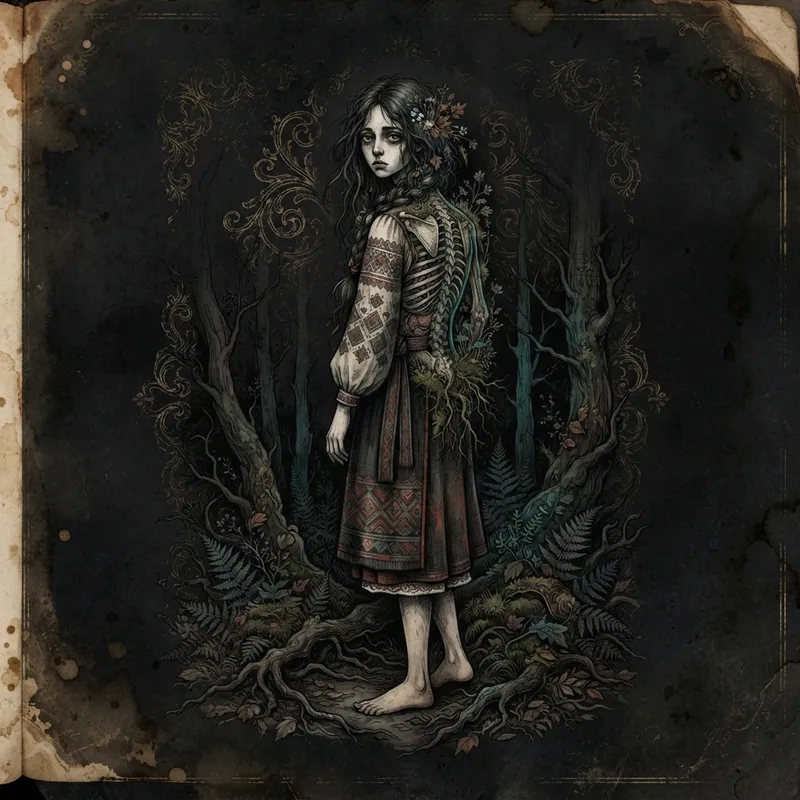
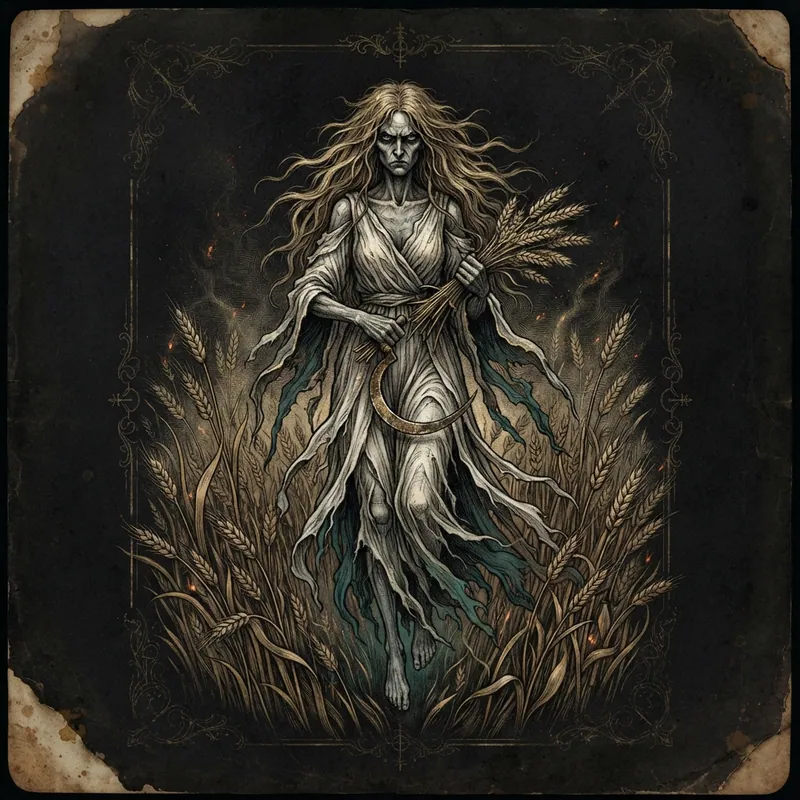
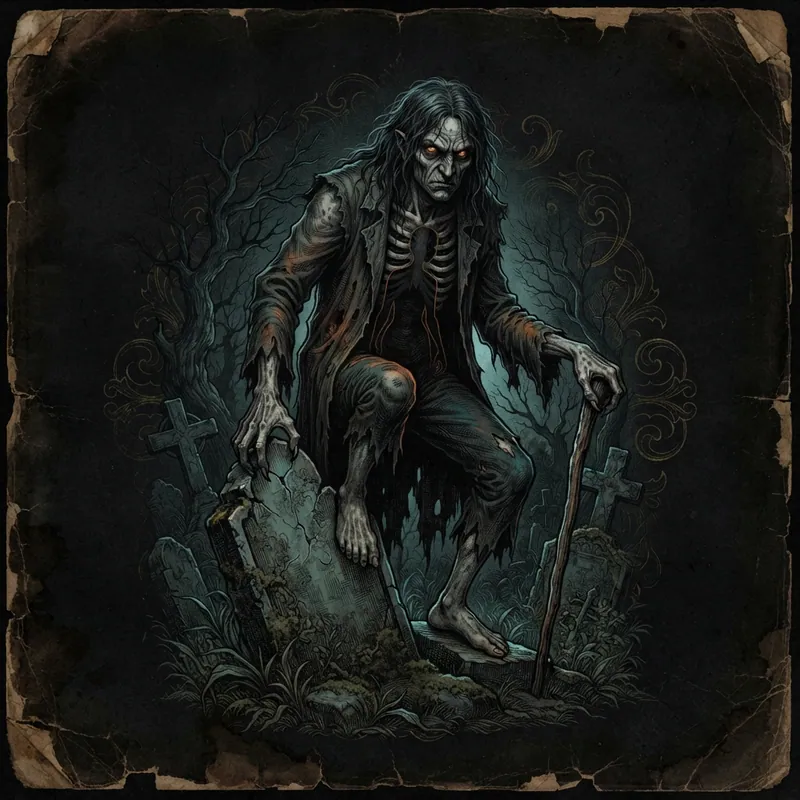
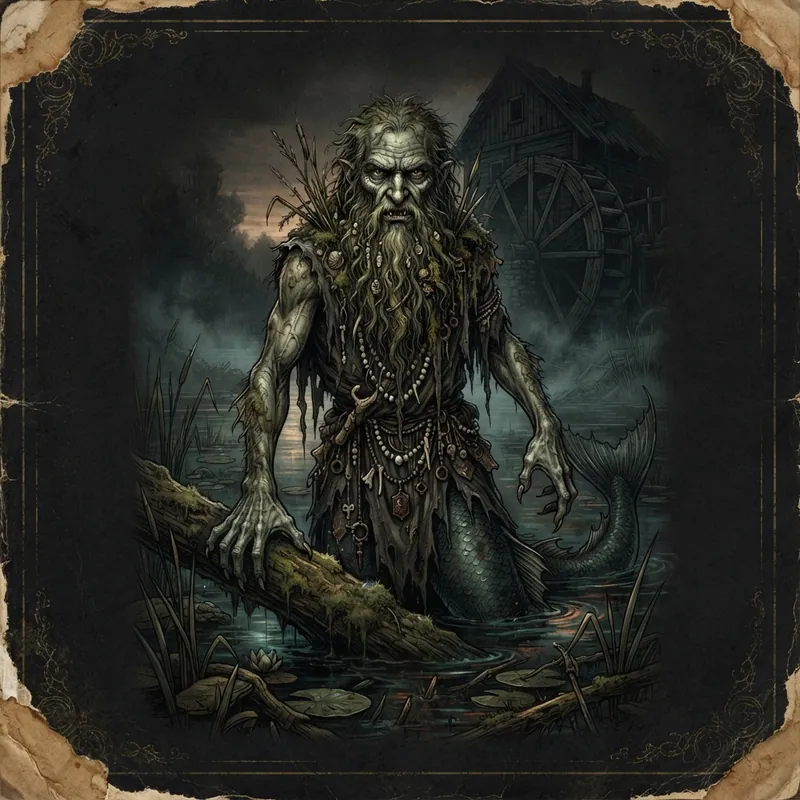
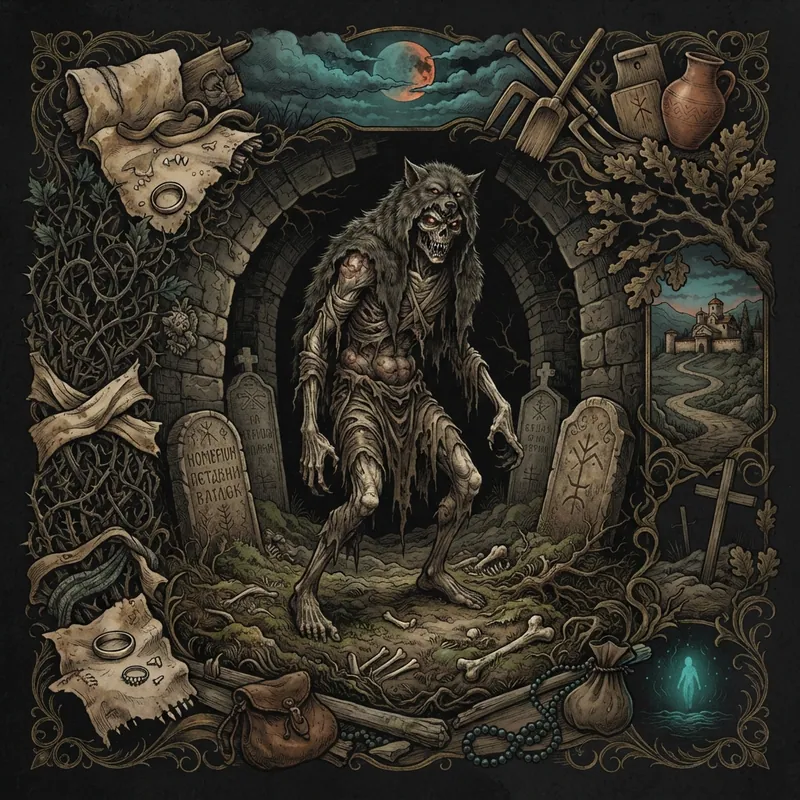
Baba YagaA formidable old woman of Slavic folktales whose hut stands on chicken legs. She can threaten, test, or aid a traveller; no single telling contains her.BannikThe spirit of the bathhouse in Russian folklore. Bathhouses were liminal, dangerous places; the bannik punished those who broke bathing etiquette or lingered after the proper hour.DomovoiA household spirit in Slavic folklore, connected with the wellbeing of the home and the obligations of those who live there.GolemIn Jewish tradition a golem is unformed matter, later an artificial human animated by holy language. The famous Prague tale of the Maharal is a later legend attached to a historical rabbi, not a proven event.IeleFeminine night dancers of Romanian folklore, known by many polite names, whose hora in woods, meadows, and watersides can bless or ruin those who watch. Related to South Slavic vila, but not the same being.KikimoraA domestic spirit in Slavic folklore, sometimes linked with unfinished household work, night noises, and unease inside the home. Tellings differ on whether she is merely mischievous or actively harmful.LeshyA forest being in Slavic tradition, variously imagined as guardian, trickster, or shapeshifter whose domain confuses the unwary.MavkaA forest spirit in Ukrainian tradition, often connected with young women who died before their time. Closely related in some tellings to rusalka lore, but rooted in woodland rather than only water.PołudnicaThe noon-lady or Lady Midday of Slavic agricultural folklore, said to appear in the fields at the hottest hour and punish or bewilder those who work through the dangerous heat.StrzygaIn Polish and related lore, a strzyga (or striga) is often a person born with two souls or two hearts who becomes a predatory undead after death. Folklore and later fiction should not be collapsed into one rule.VodyanoyA male water spirit of Slavic lore (vodník, wodnik, and related names elsewhere), often imagined as an old, slime-slick master of ponds and rivers who drowns the bold or bargains with millers.VukodlakA South Slavic wolf-skinned being whose name means wolf-hair. In Serbia, Bosnia, and neighbouring lands the word often names a revenant that drinks blood, not the literary werewolf of Western Europe.
 ♧
♧ ⌂
⌂ ⌂
⌂ ⌬
⌬ ❋
❋ ⌂
⌂ ♧
♧ ♧
♧ ✧
✧ ✦
✦ ≈
≈ ☽
☽Europe & the North · 11
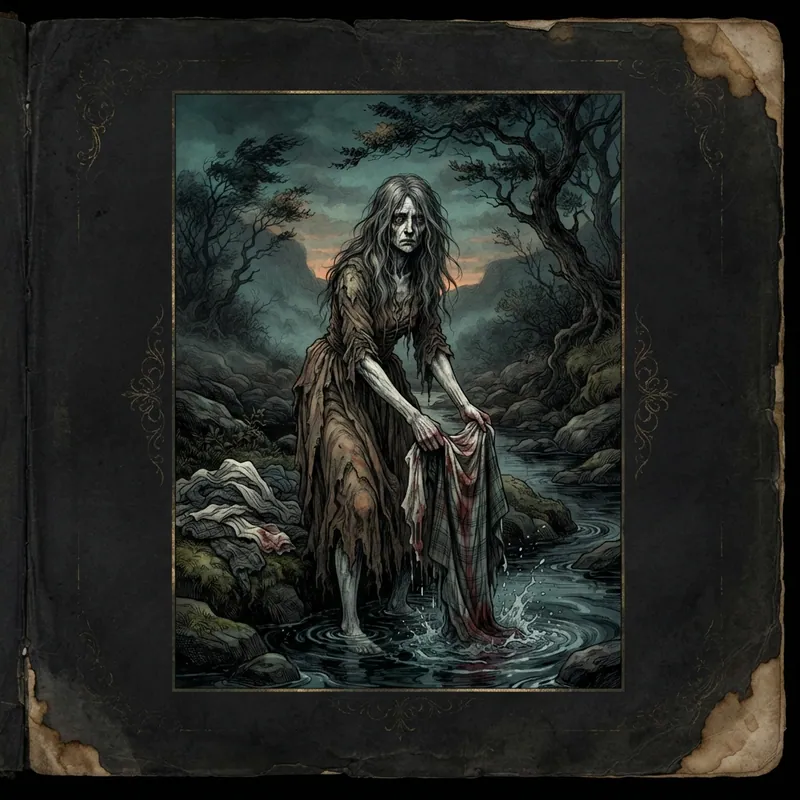
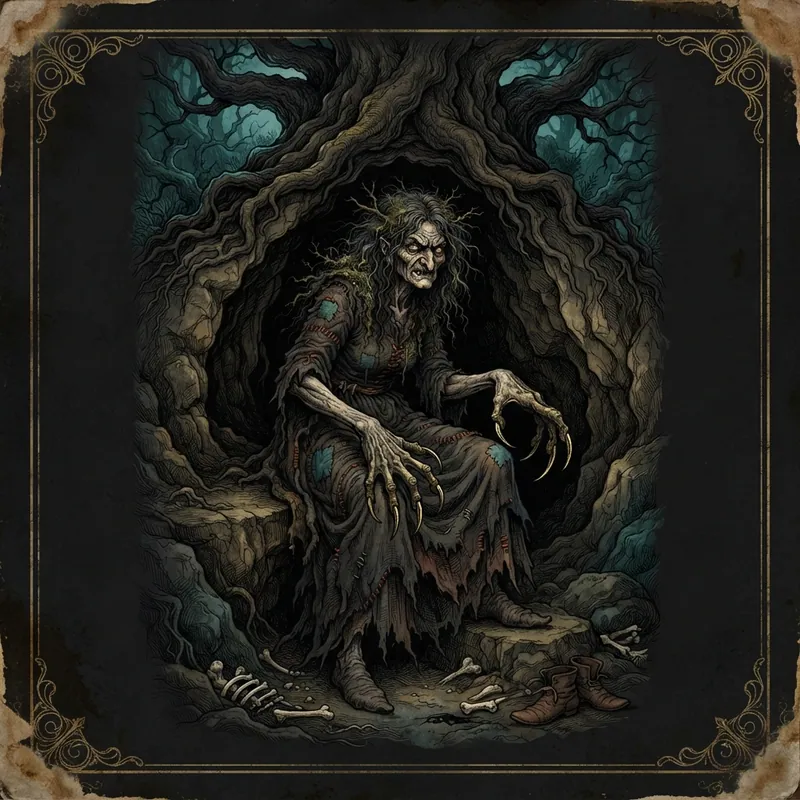
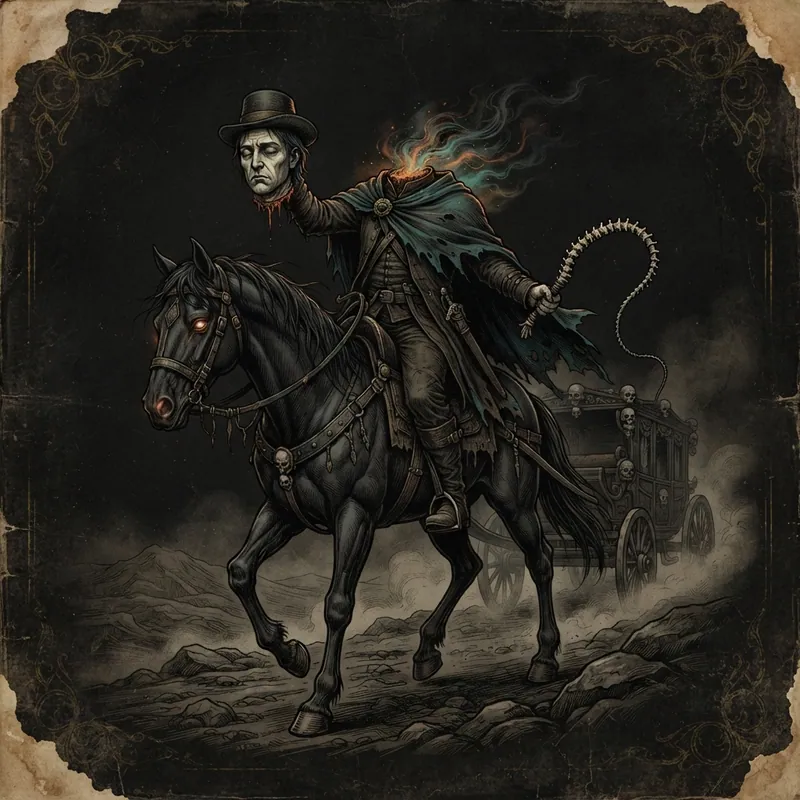
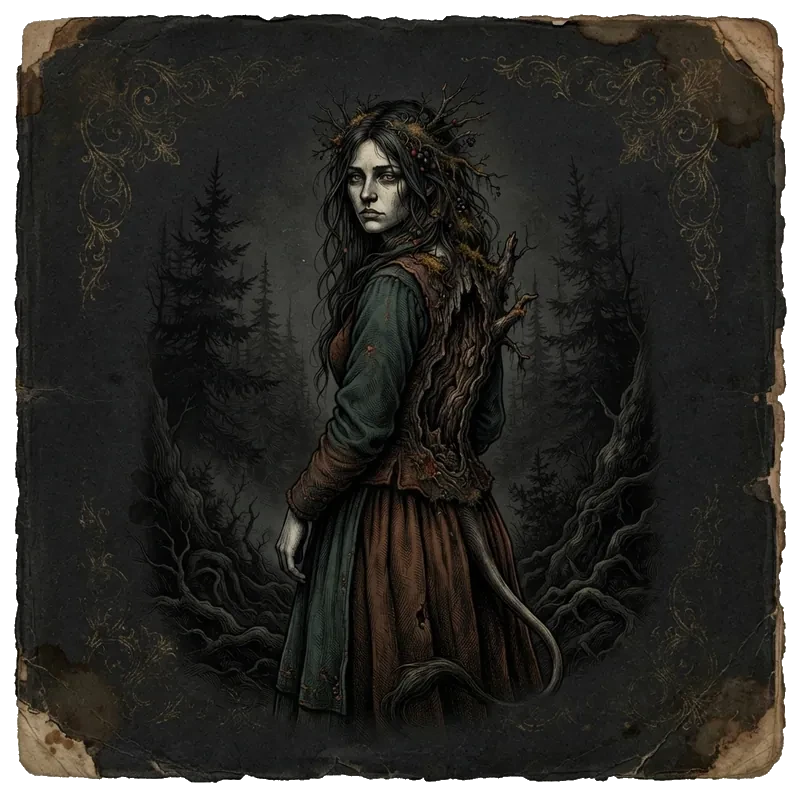
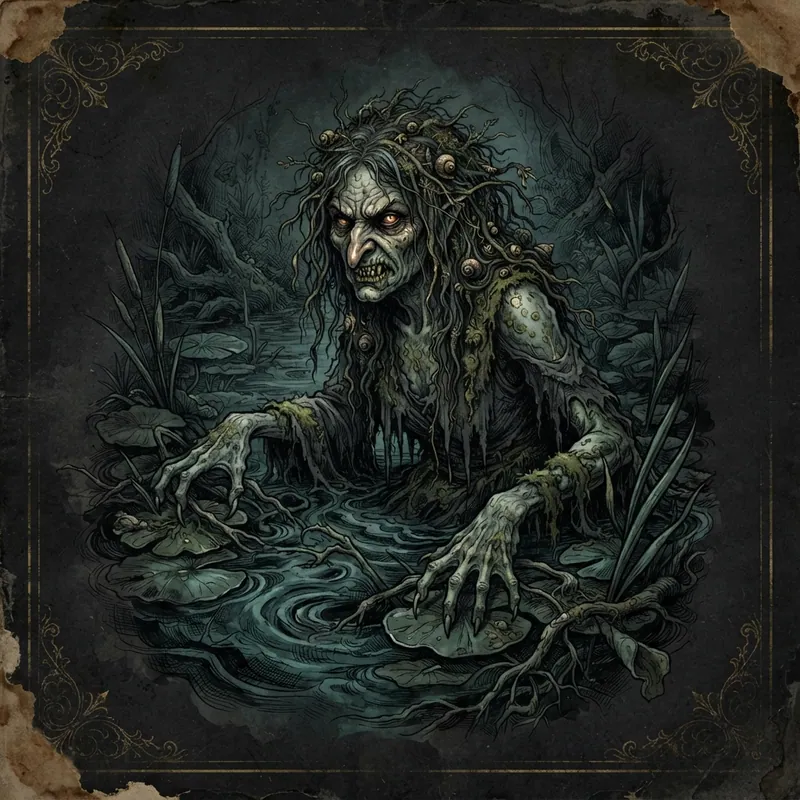
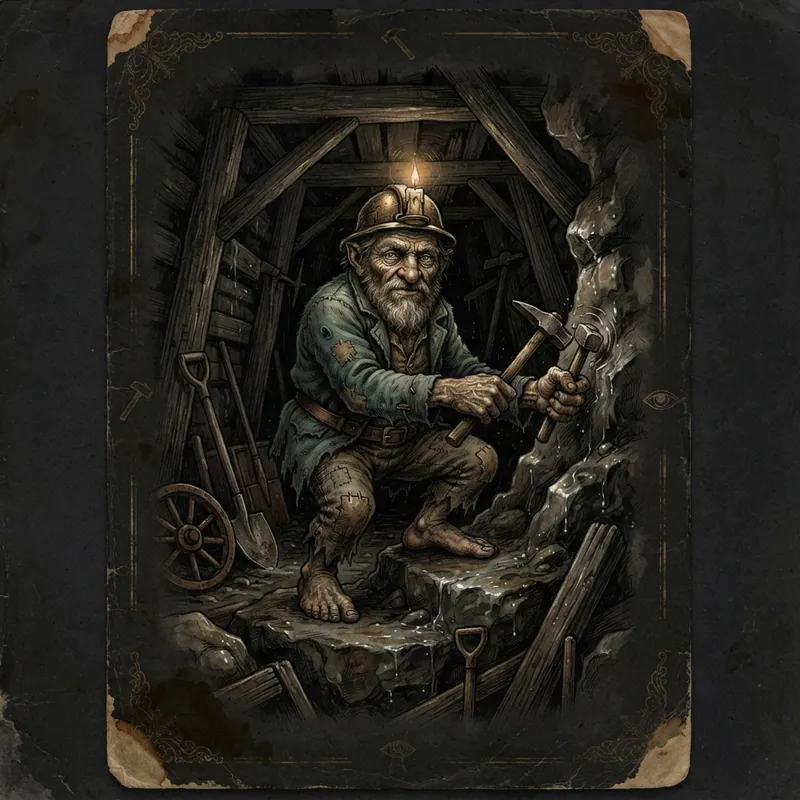
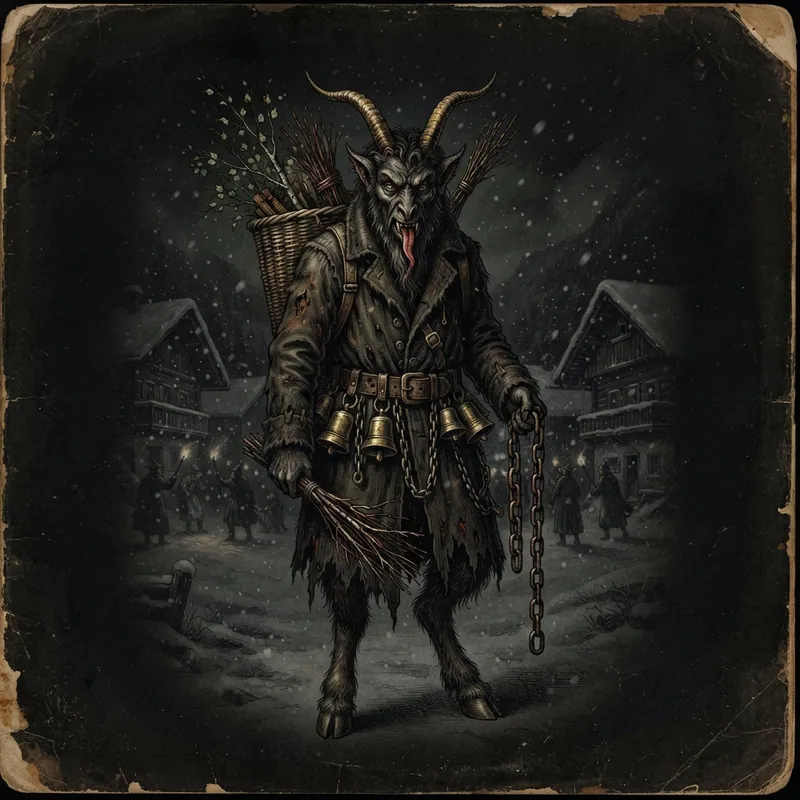
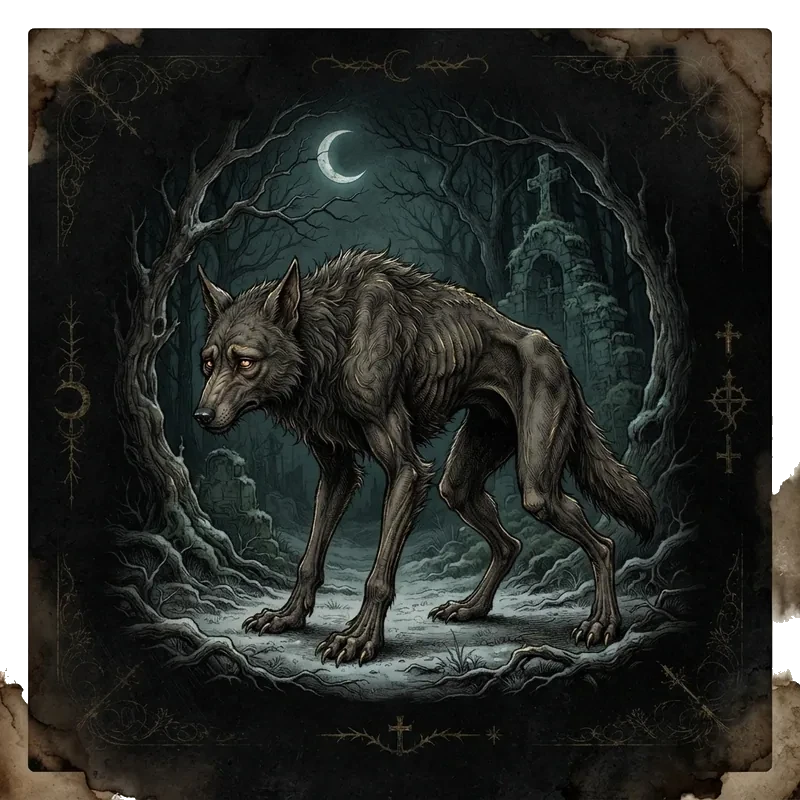
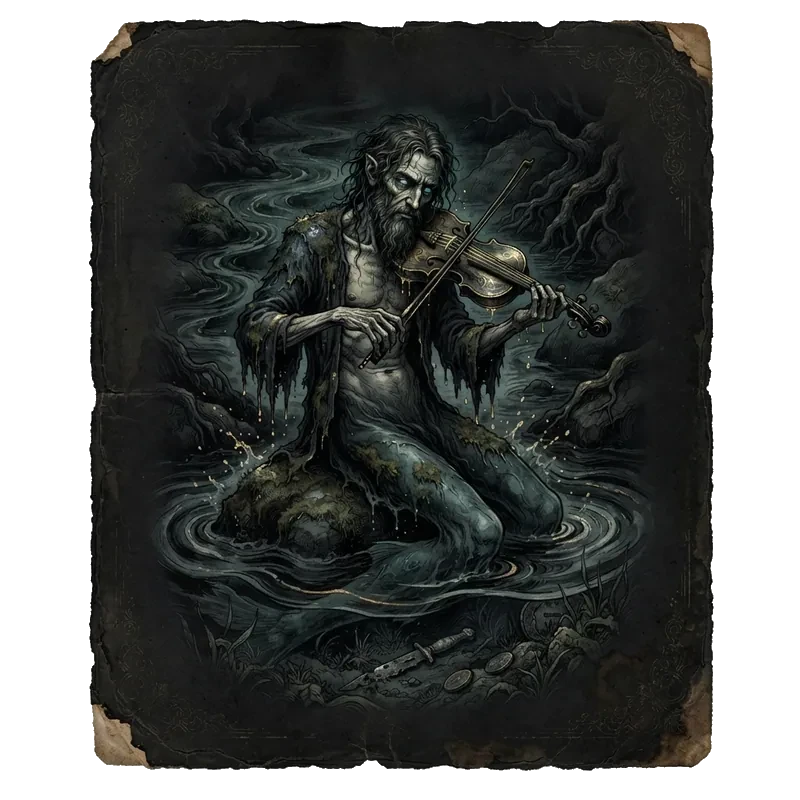
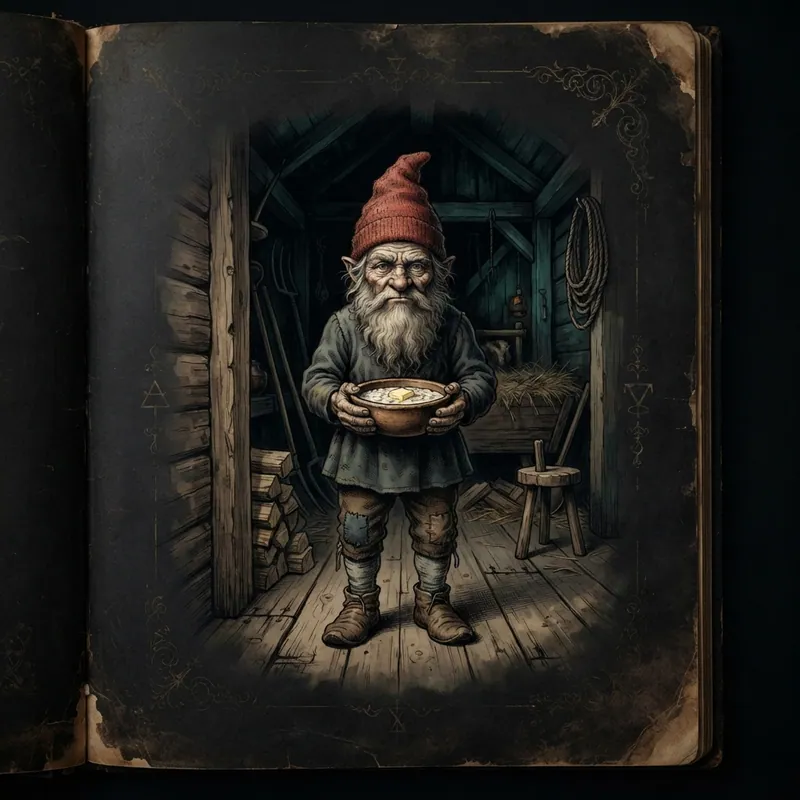
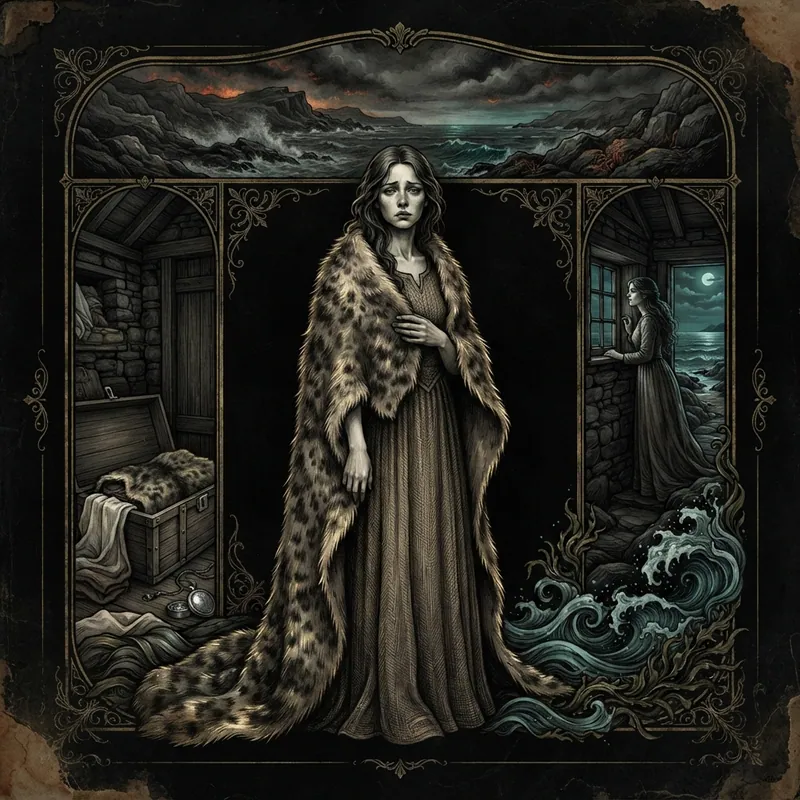
Bean NigheThe washing woman of Scottish Gaelic tradition, a type of death messenger related to the banshee complex, seen laundering the clothes of those about to die.Black AnnisA cannibal hag of Leicestershire lore associated with a cave and a great oak, used in local warning stories about children wandering too far.DullahanA headless harbinger in Irish folklore, often riding a black horse or driving a death-coach. Where he stops, a death is said to follow; gold may force him away in some tellings.HulderA seductive forest being of Scandinavian lore (huldra/hulder), sometimes helpful to charcoal burners, sometimes deadly. The hollow or bark-like back is a common recognition mark.Jenny GreenteethA water hag of English regional lore, especially in the northwest, used to warn children away from weed-choked ponds and rivers. Related to grindylow and similar drowners.KnockerMine spirits of Cornish and related mining lore whose knocks may warn of collapse or lead to ore. Carried into American mining camps as tommyknockers.KrampusA horned, frightening companion figure in Alpine seasonal customs and parades, whose modern image has travelled far beyond its local traditions.Loup-garouThe French werewolf tradition, including New World Francophone variants. Sometimes framed as punishment or unfulfilled penance rather than a bite-transmitted Hollywood curse.NäckenA water spirit (näck, nøkk, nix) who plays enchanting music to lure listeners into deep water. Offerings and steel are among the traditional counters in some regions.NisseA farm guardian spirit (nisse/tomte) of Nordic tradition who protects the homestead if treated with respect—especially a bowl of porridge at Christmas—and sabotages it if insulted.SelkieSeal-folk of Orkney, Shetland, and neighbouring Scottish coasts who become human by shedding a skin. Stories of stolen skins and captive spouses are the heart of the tradition, not a monster hunt.
 ✧
✧ ♧
♧ ✧
✧ ♧
♧ ≈
≈ ⌂
⌂ ☾
☾ ◎
◎ ≈
≈ ⌂
⌂ ◎
◎Oceania & the Pacific · 3
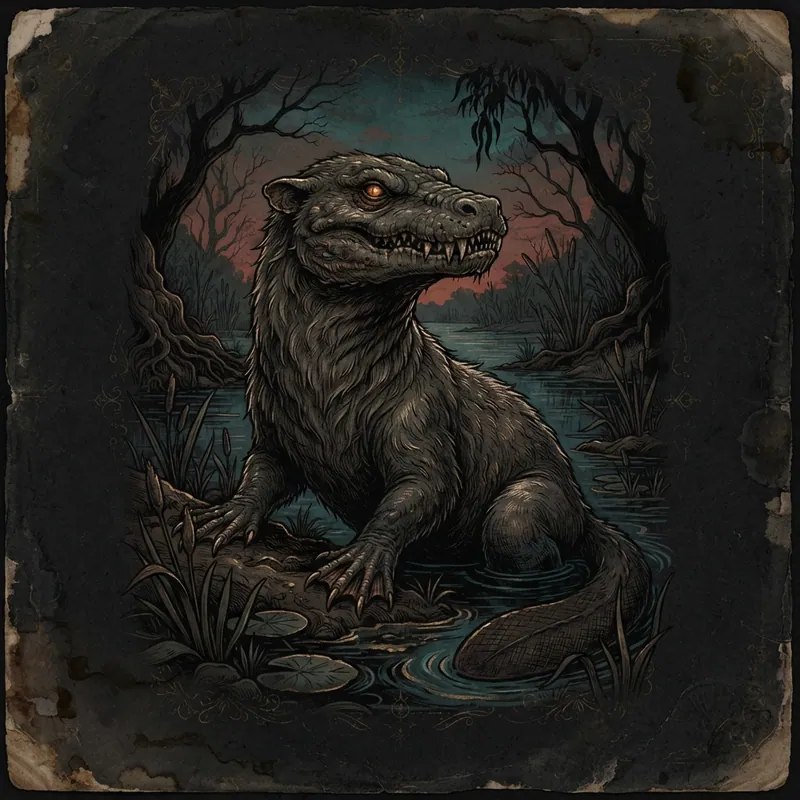
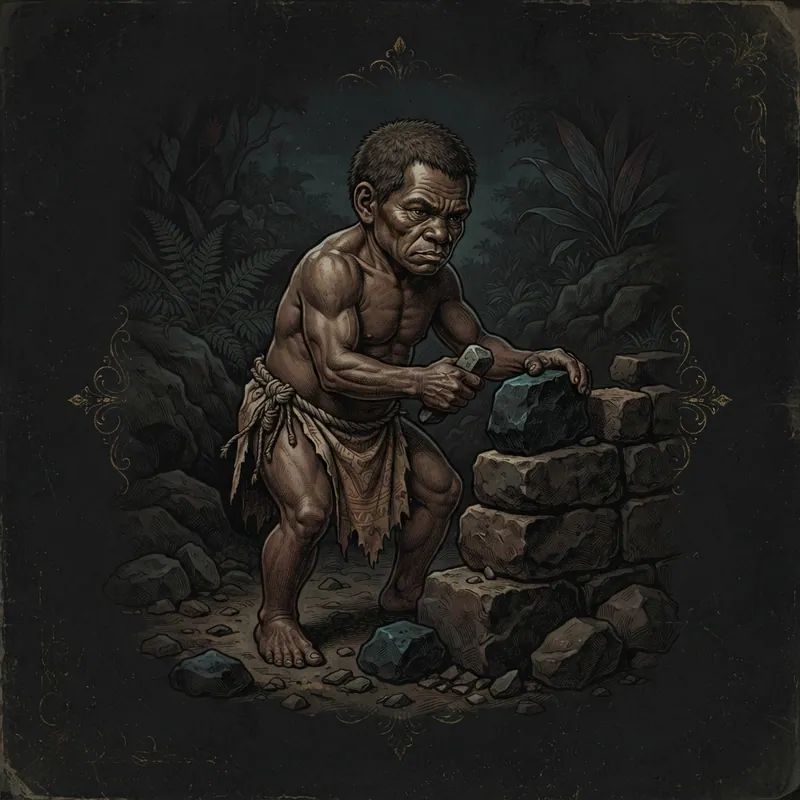
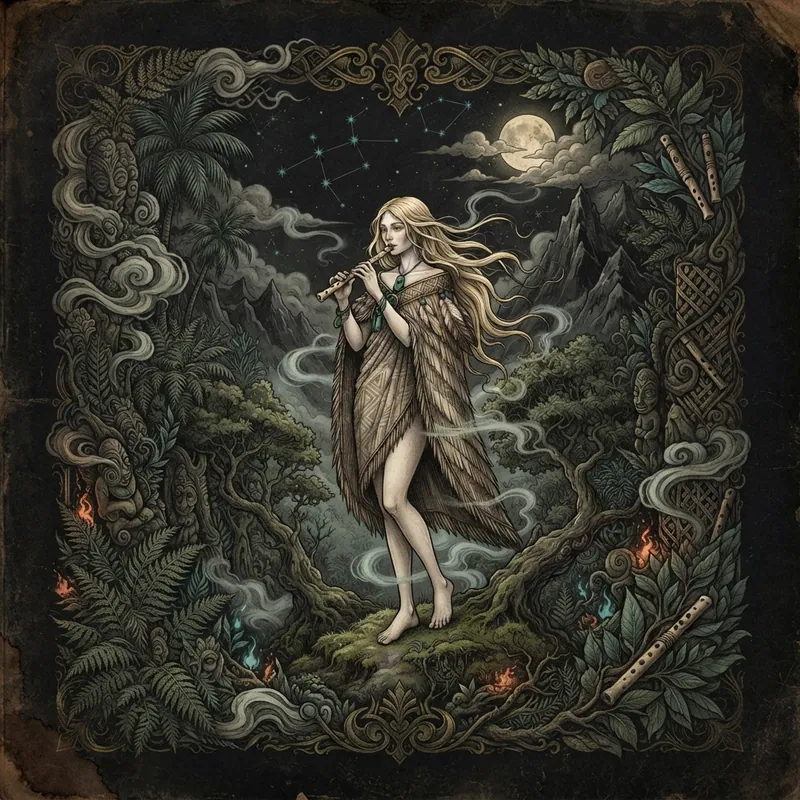
BunyipA being of Australian Aboriginal traditions and later settler retellings, associated with waterholes, swamps, and dangers at the water’s edge. Specific meanings belong to specific nations.MenehuneSmall night-working people in Hawaiian storytelling credited with prodigious stone construction. Interpretations range from legendary craftspeople to encodings of earlier populations—handle with cultural care.PatupaiareheIn Māori tradition, patupaiarehe are supernatural people of forest and misty peaks — he iwi atua — fair-skinned in many accounts, averse to cooked food, fire, and sun. A living knowledge, not a trophy fairy.
 ≈
≈ ⌂
⌂ ❋
❋South Asia · 1
 ◎
◎The Americas · 13
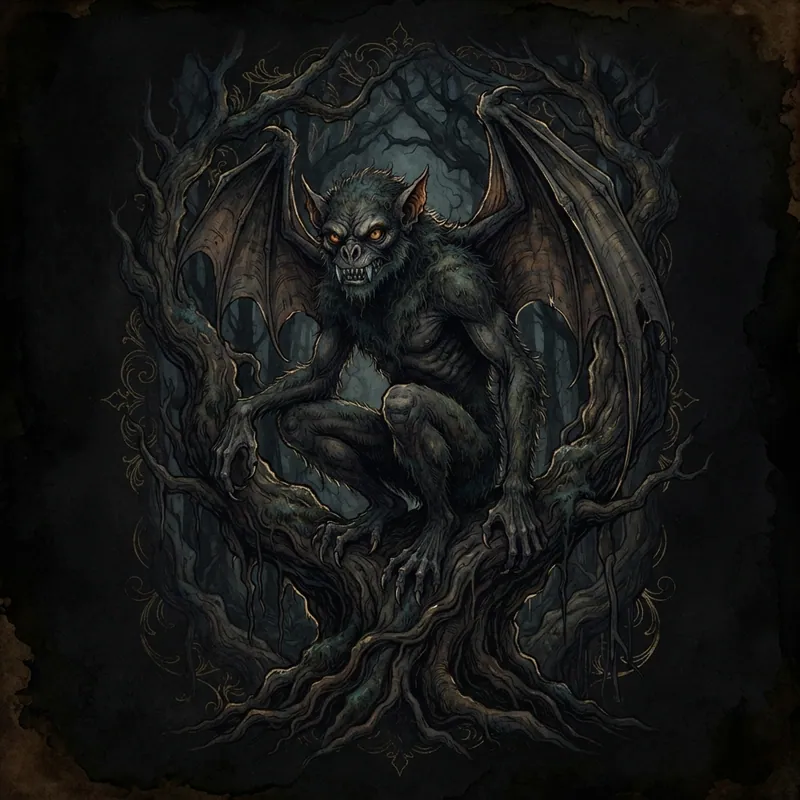
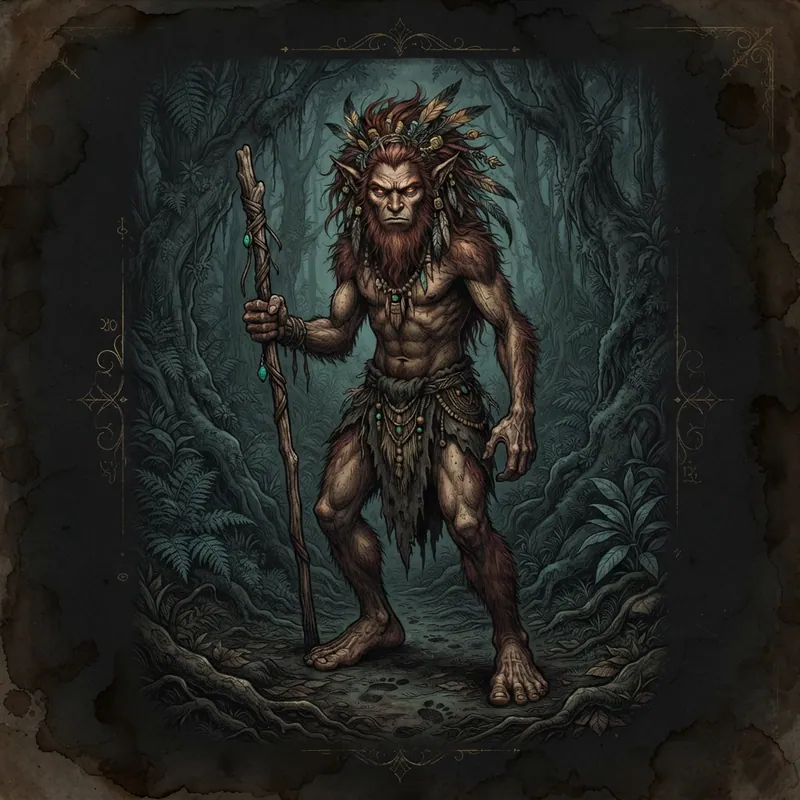
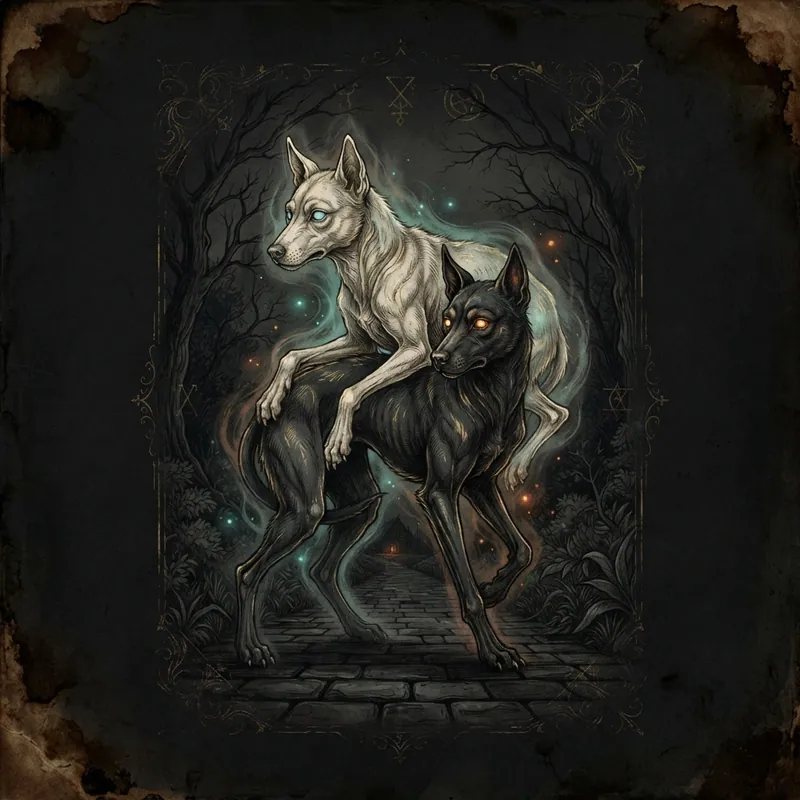
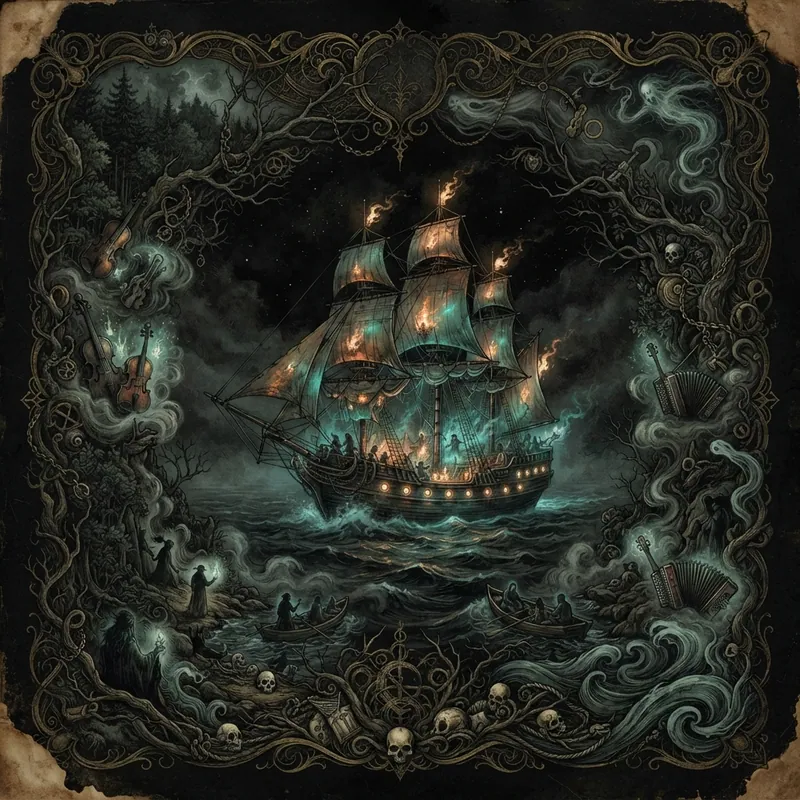
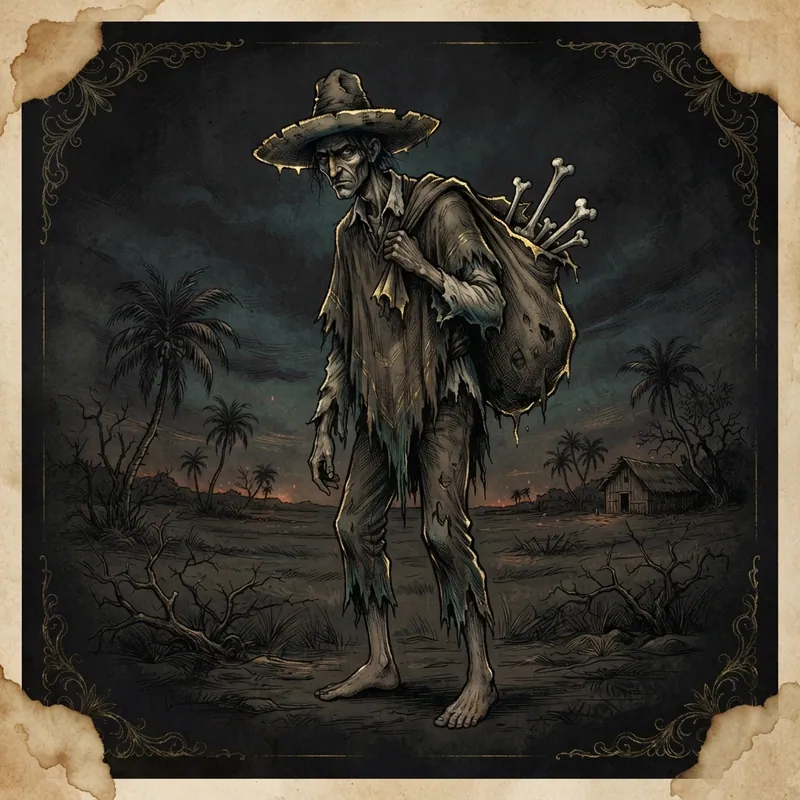
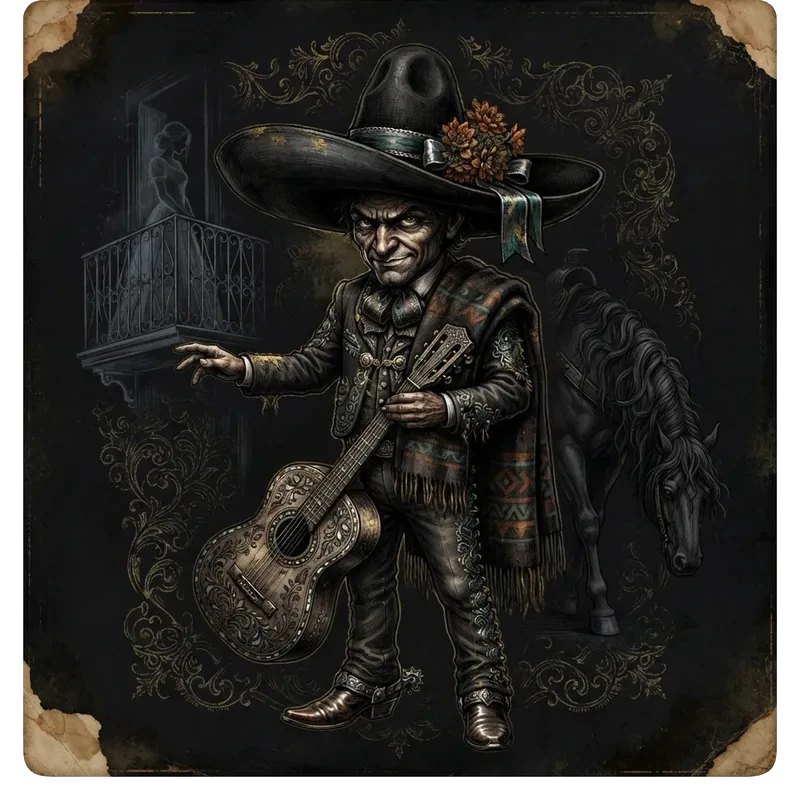
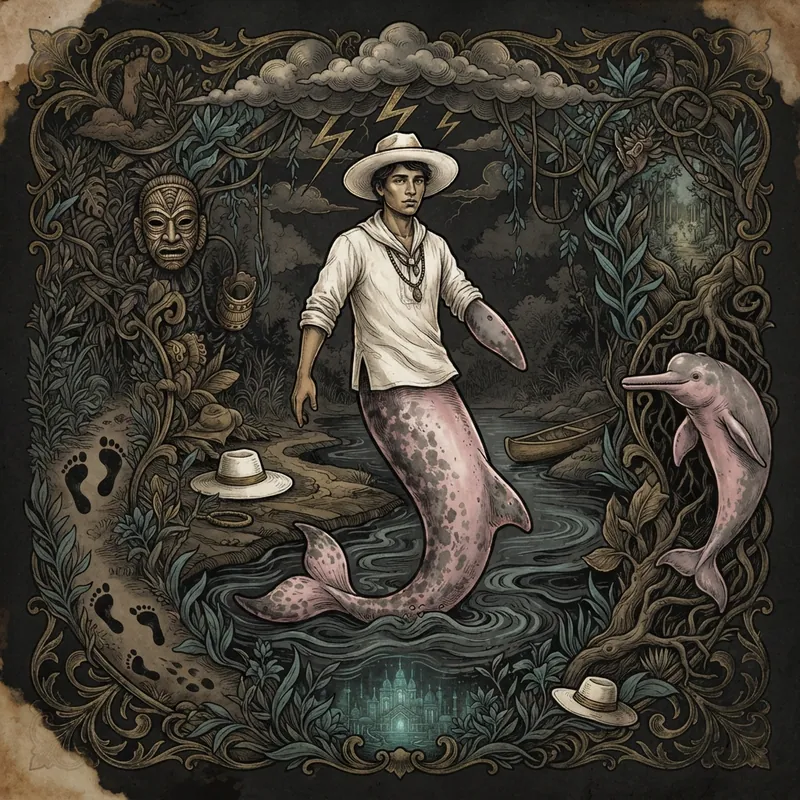
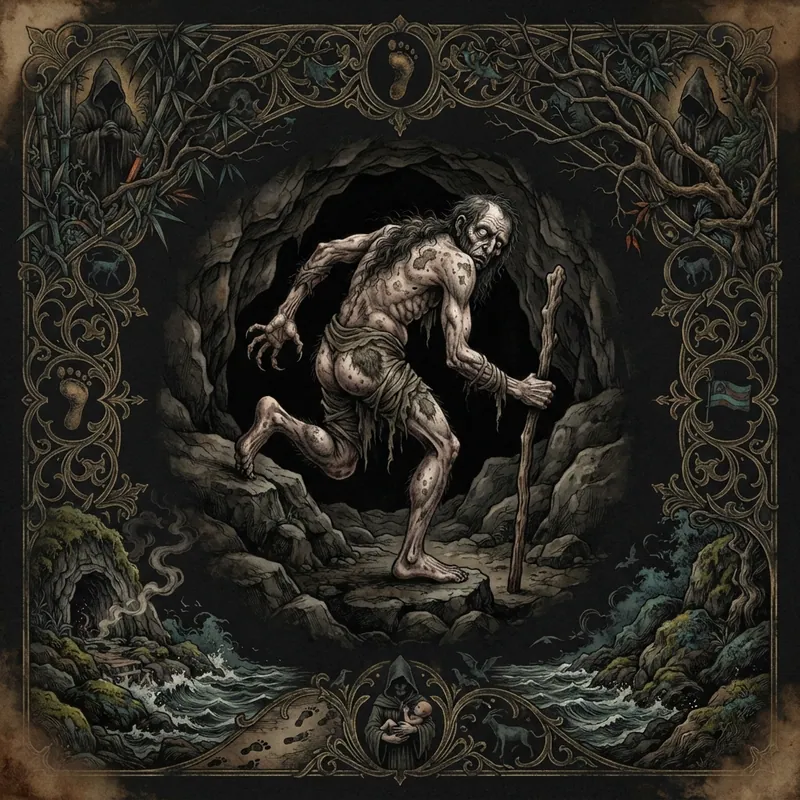
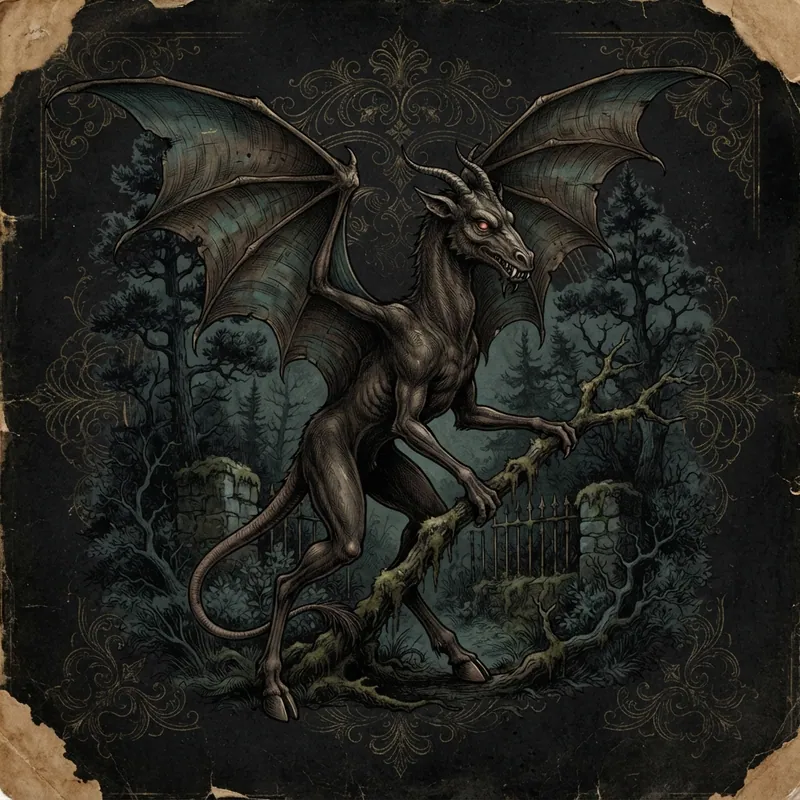
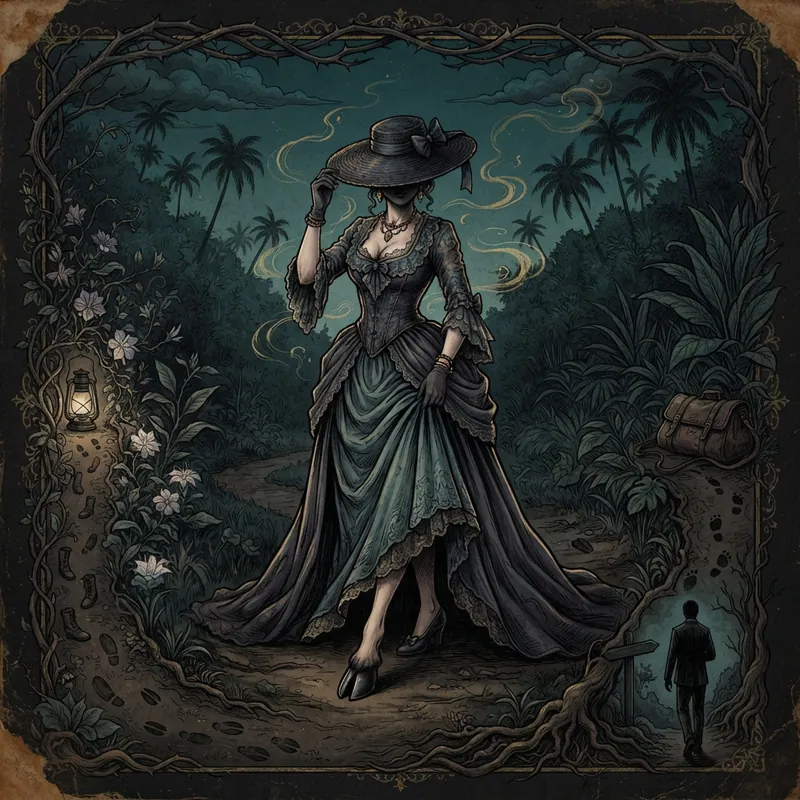
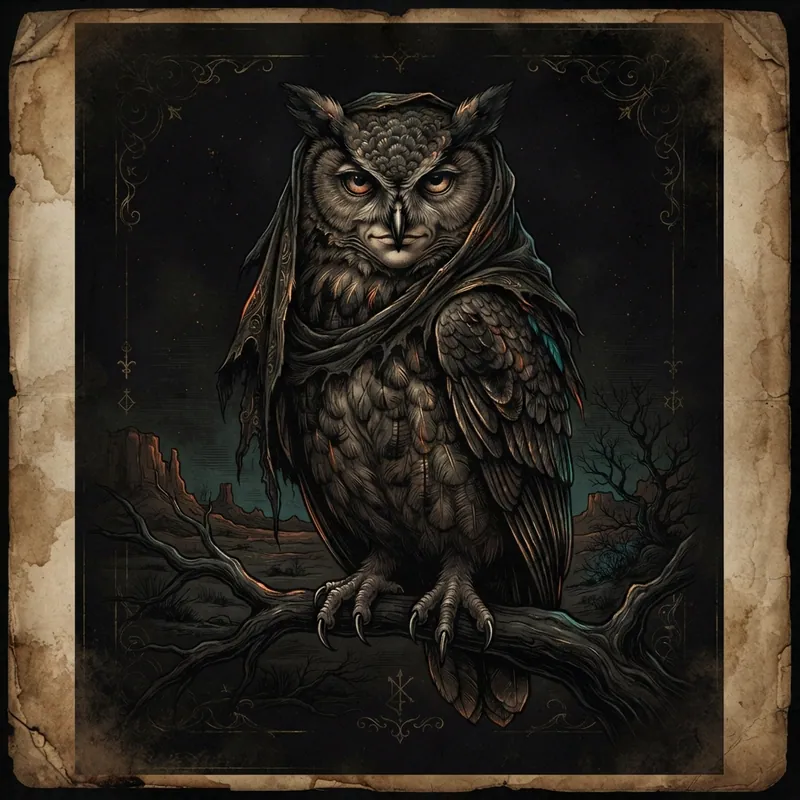
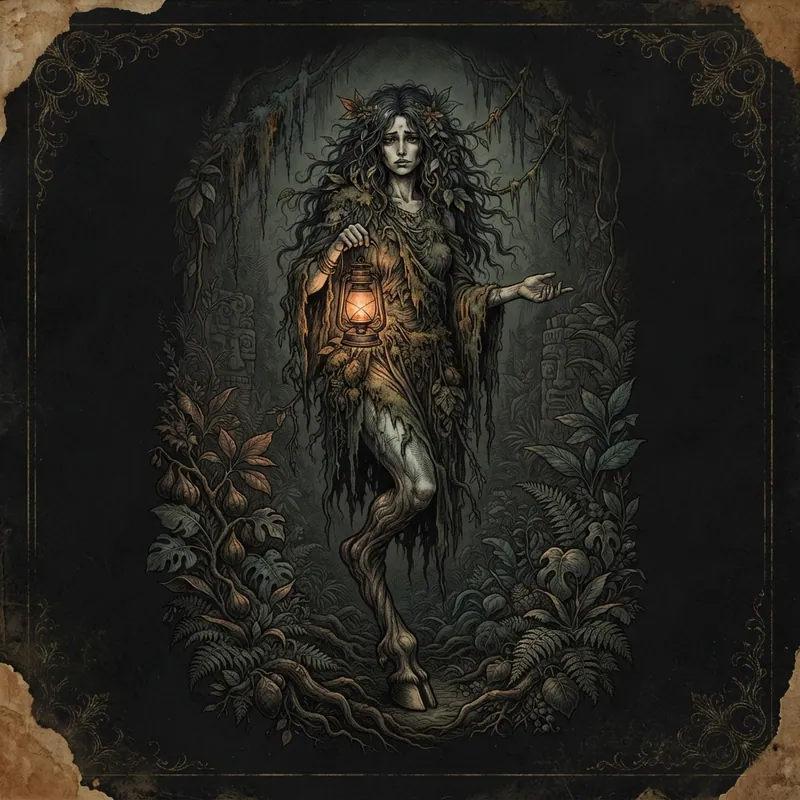
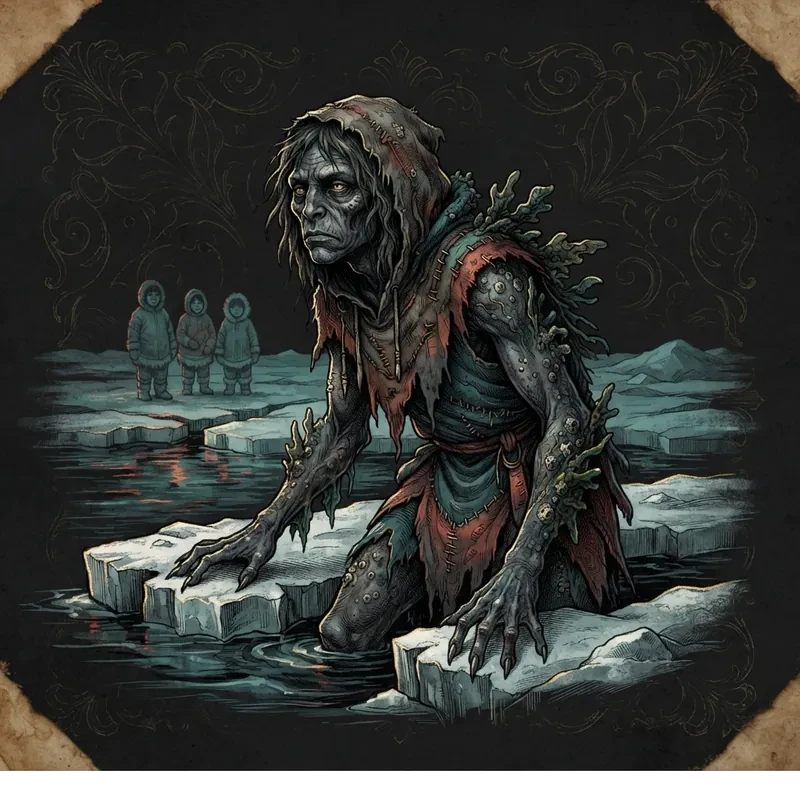
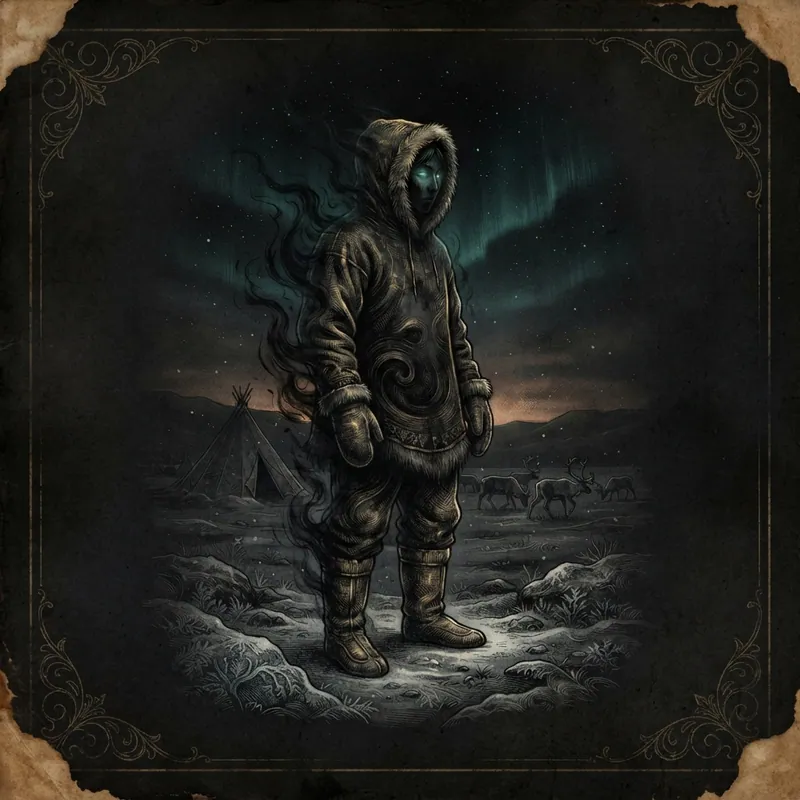
CurupiraA forest guardian of Brazilian folklore, often recognized by backward-facing feet that confuse hunters and protect the forest.El CadejoSpectral dog spirits of Central American lore, commonly told as a white protective cadejo and a black malevolent one that follow night travellers, especially the drunk or alone.El CaleucheThe ghost ship of Chiloé — Buque de Arte, Barcoiche, ship of fire — a night brig of lights and music that sails the channels, even underwater, carrying brujos and the drowned. Island lore, not a generic Flying Dutchman with Spanish names.El SilbónThe Whistler is a feared figure of the Llanos, known for a melody whose apparent nearness or distance can be deceptive in different tellings.El SombrerónA courtship and mischief figure of Guatemalan lore who serenades young women and tangles horses’ manes. Charm and threat sit close together in the tellings.EncantadoAmazonian encantados: river dolphins, especially the pink boto, who take human form, dance at festivals, seduce, and carry people to the Encante, a city under the water. Living Amazon tradition of Brazil and neighbouring Peru, not a generic mermaid and not the same as Iara.InvuncheIn Chiloé lore, the imbunche or invunche is a stolen or sold first-born, reshaped by island brujos into the mute, twisted porter of the witches’ cave. Distinctly Chilote — tied to the Recta Provincia and caves such as Quicaví — not a mainland ghost.Jersey DevilA winged, hoofed cryptid of New Jersey’s Pine Barrens, mixing colonial curse stories, 1909 panic sightings, and later pop culture. Local identity and tall tale share the same shadow.La DiablesseA Creole temptress of Trinidad, Martinique, and neighbouring islands: poise and perfume from the front, one cow’s hoof under the long dress, a face the hat keeps back. She leads the unwary off the path. Not a generic succubus; keep the French-Creole and African-Caribbean setting.La LechuzaA witch-owl figure of Mexican and borderlands storytelling, often a shapeshifting woman who takes owl form to hunt or curse at night. Versions differ between family and region.La PatasolaA one-legged forest seducer of Colombian lore who lures men into the wilderness. Often read as a warning about the jungle’s dangers and gendered violence in oral tradition.QallupilluitHumanoid sea beings in Inuit storytelling that lurk near floe edges and may take children who wander too close to dangerous ice. Descriptions vary; the stories also teach survival at the land–sea boundary.TariaksuqShadow-people beings in some Inuit tellings, glimpsed sideways rather than confronted. Related in discussion to ijirait but not identical; elders’ knowledge should lead any serious reading.
 ♧
♧ ✧
✧ ≈
≈ ✧
✧ ☾
☾ ◎
◎ ❖
❖ ◒
◒ ⛤
⛤ ◎
◎ ♧
♧ ≈
≈ ◎
◎