THE CONCORDANCE
hunger
An appetite that cannot be filled.
Africa & the Middle East · 9
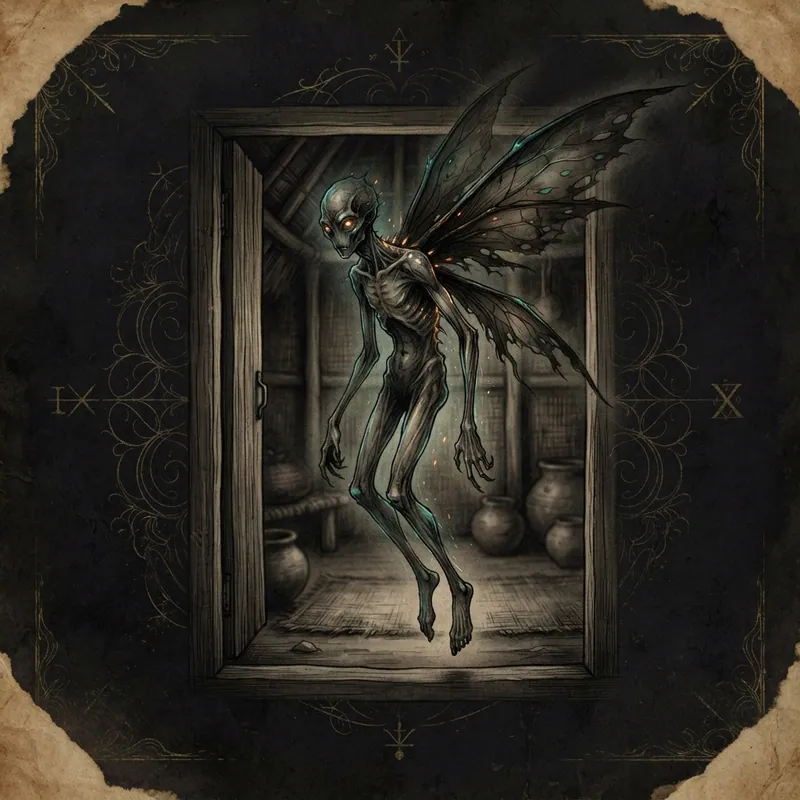
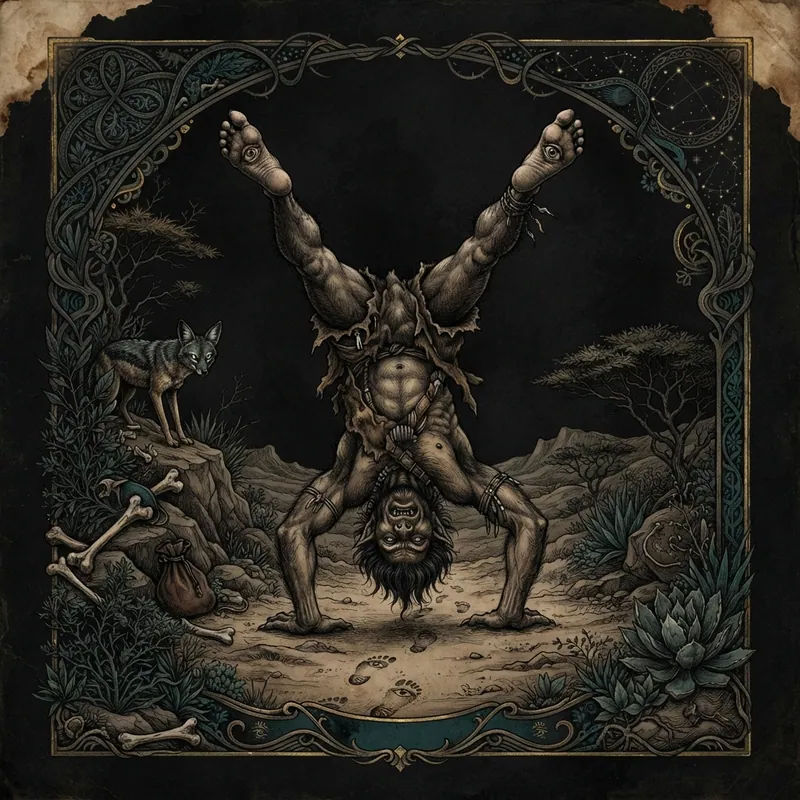
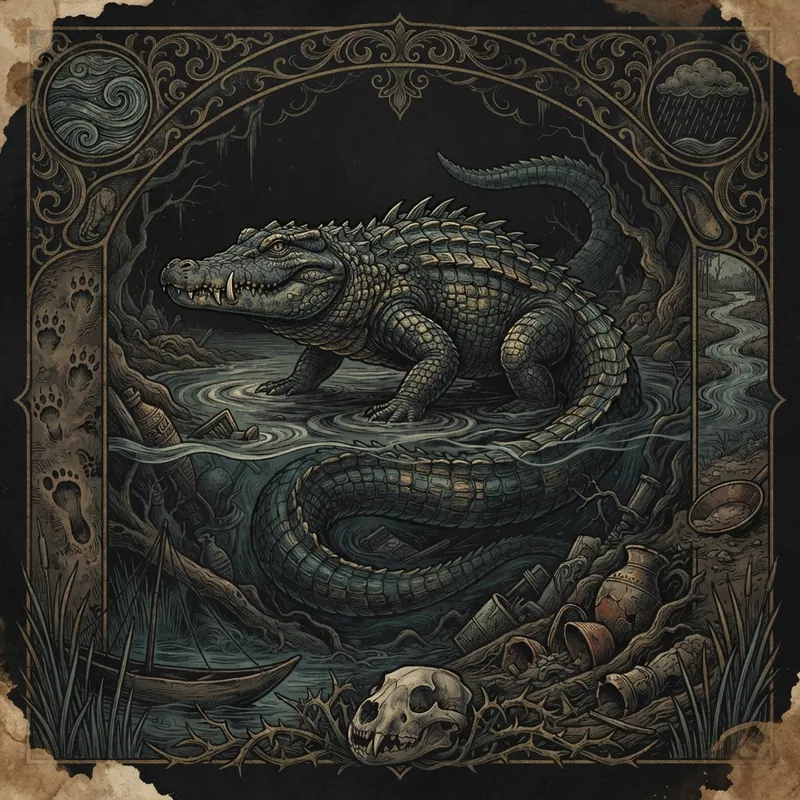
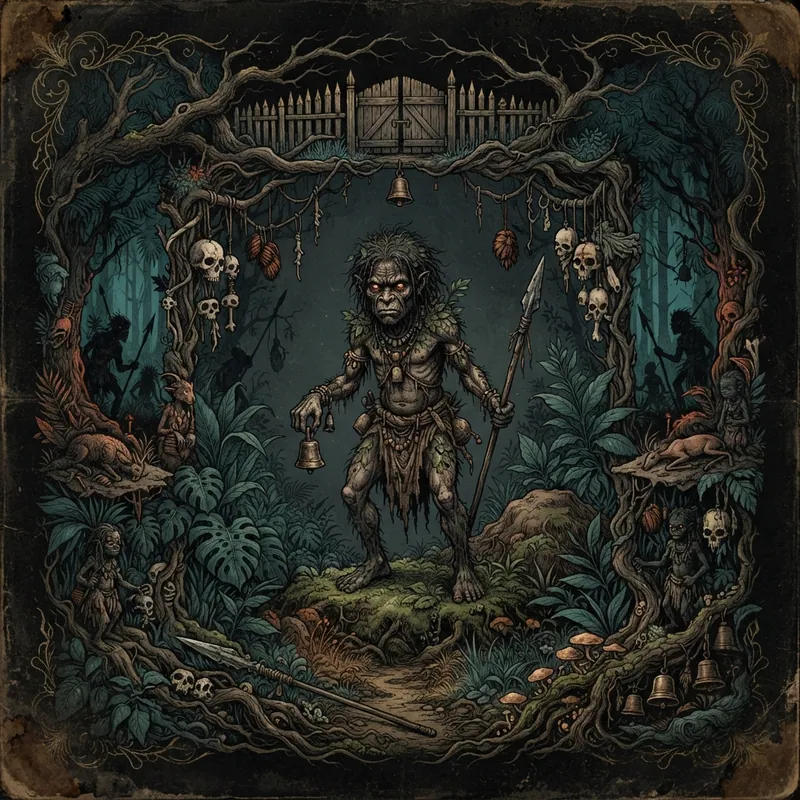
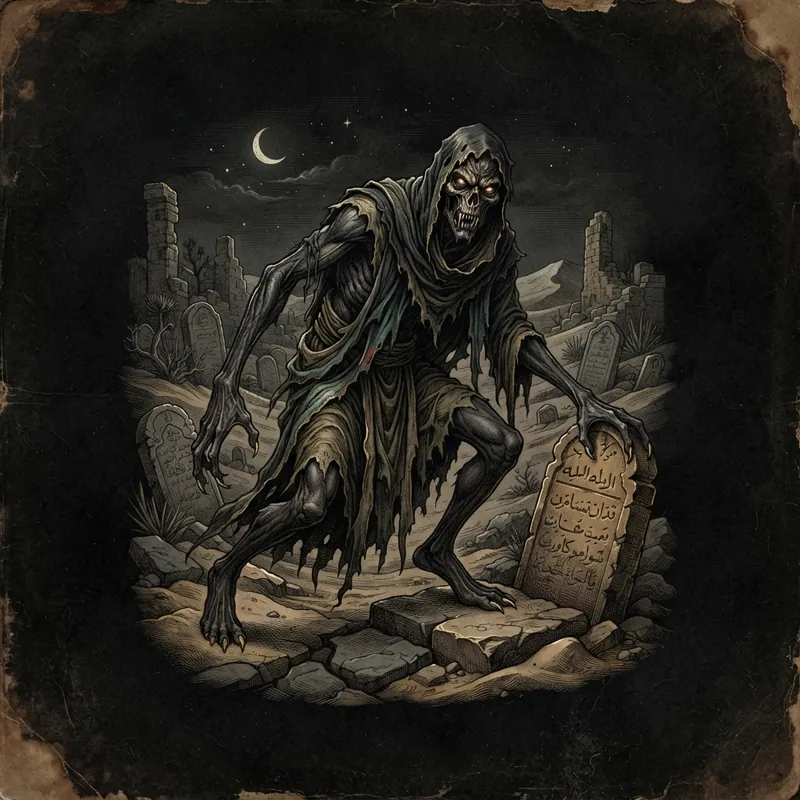
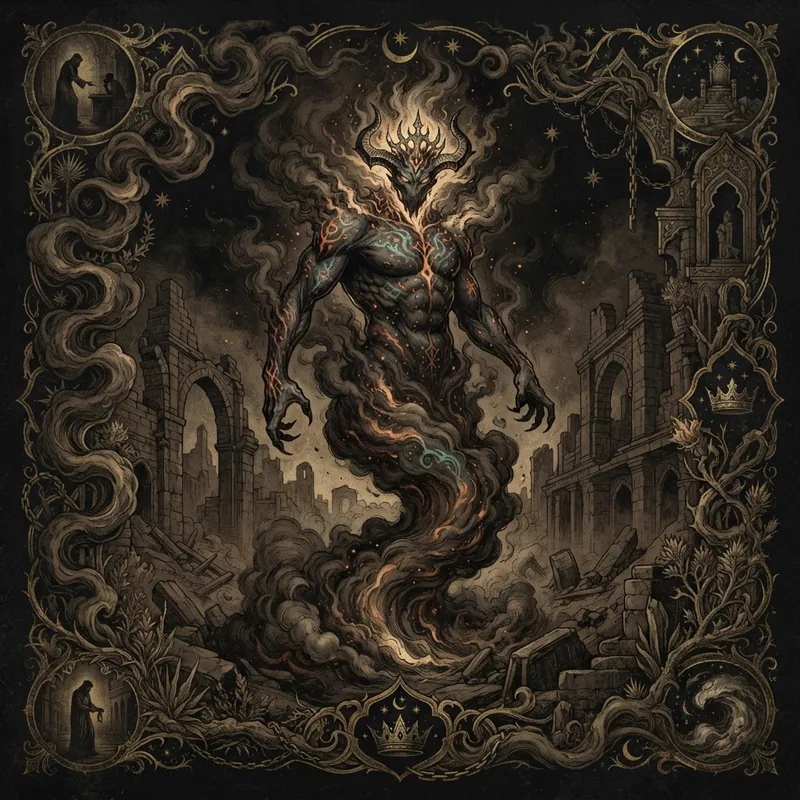
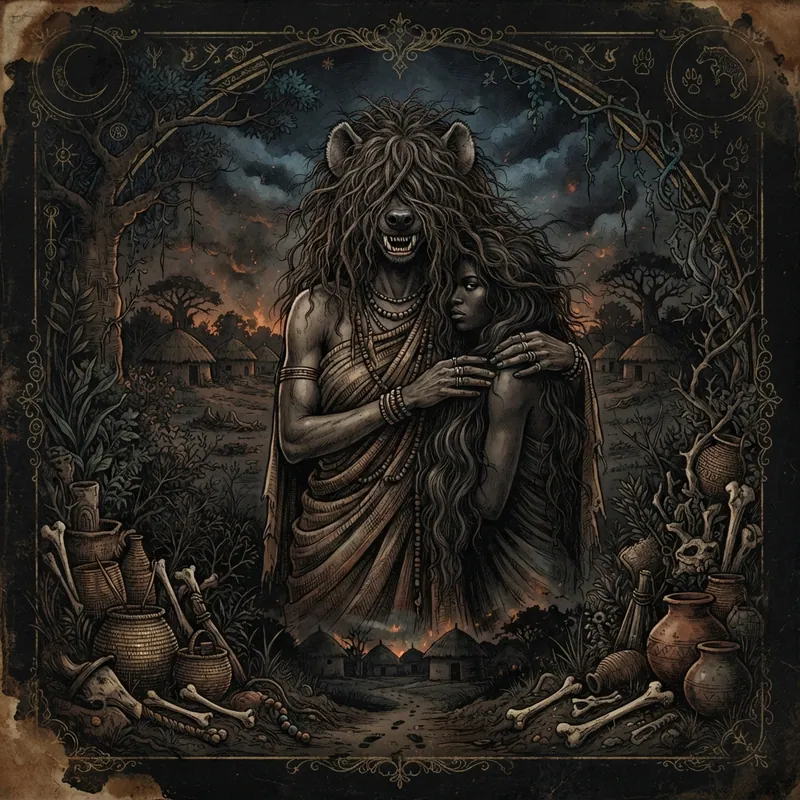
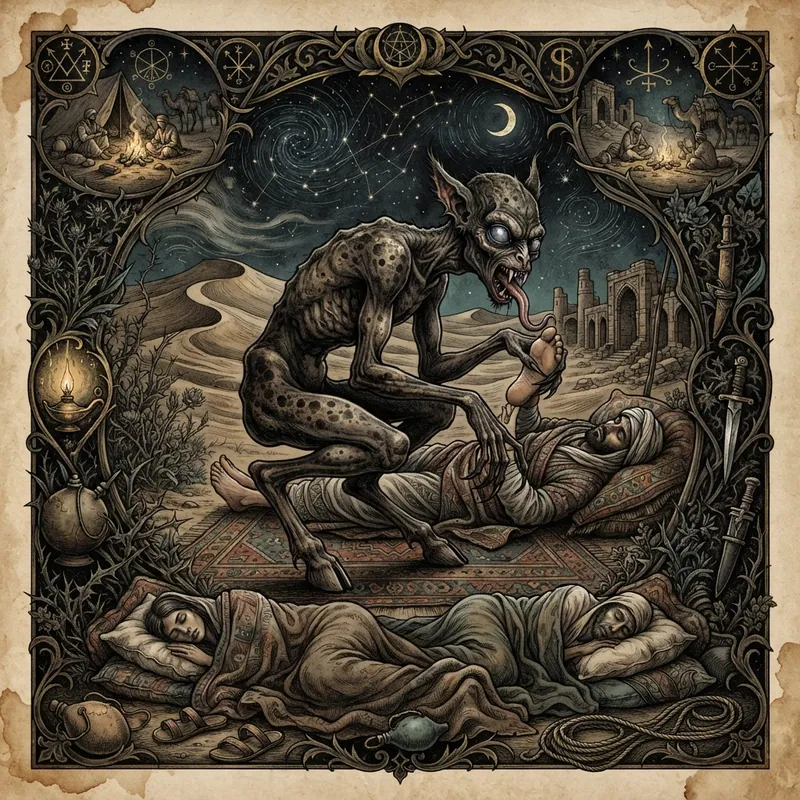
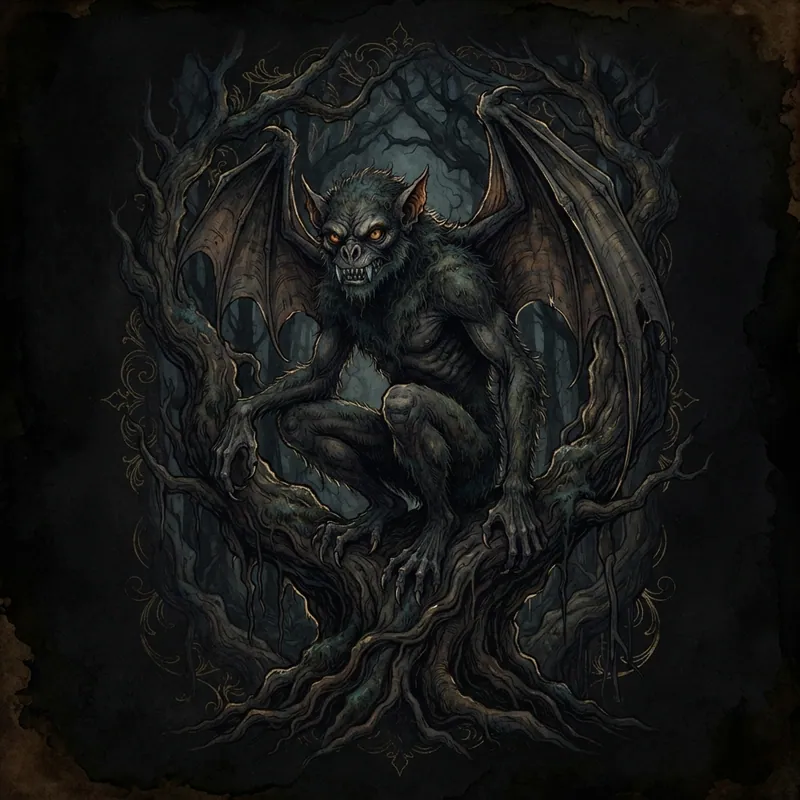
AdzeA being of Ewe folklore sometimes described as taking the form of a firefly, and in some accounts troubling a household after it has been let inside.AigamuxaIn Khoekhoe (Khoikhoi) storytelling of Namibia and the northern Cape, the Aigamuxa or Aigamuchab is a man-eating ogre with eyes on the soles of its feet. To see prey it must invert itself; tales collected by Schultze-Jena pair it with the wily jackal.DingonekA scaled, fanged river being reported from western Kenya’s Maggori and Mara drainages into Lake Victoria. English print memory begins with John Alfred Jordan’s 1907 encounter, while C. W. Hobley set it beside older lakeside talk of the Lukwata.ElokoAmong the Mongo-Nkundo of the Congo basin, an eloko (plural biloko) is a small, fierce forest being, often spoken of as an ancestral spirit that guards game and fruit and hunts the living. Tales warn of a little bell that casts a spell on anyone who answers it.GhūlA shape-changing, dangerous figure of Arabic folklore, often associated in translated accounts with wilderness, graveyards, and deception.IfritIn Islamic scripture the word ʿifrīt appears once, as “an ifrit of the jinn,” an epithet of a powerful, rebellious being. Later folklore turned ifrit into a class of formidable jinn, often of smoke and ruin, morally capable of belief or unbelief. Distinct from the wider category already archived as Jinn.KishiIn Ambundu storytelling recorded in Ki-Mbundu, a kishi (plural makishi) is a man-eating being who courts, abducts, and feeds. Later popular retellings add a human face hiding a hyena’s jaws; Chatelain’s 1894 texts emphasise tangled hair, hunger, and dangerous intimacy.PalisA desert predator of Persian travel literature and later folkloristic compilations, the palis or pā-līs (“foot-licker”) drains sleeping travellers by licking the soles of the feet. Sources do not agree on a body; they agree on the habit and on a famous muleteers’ trick.SasabonsamA forest being in Akan lore, often described with iron teeth and a taste for those who enter the deep woods carelessly. Part of a wider West African forest-warning tradition.
 ☾
☾ ☾
☾ ◒
◒ ♧
♧ ☾
☾ ⛧
⛧ ◎
◎ ☾
☾ ♧
♧Asia & the Isles · 13
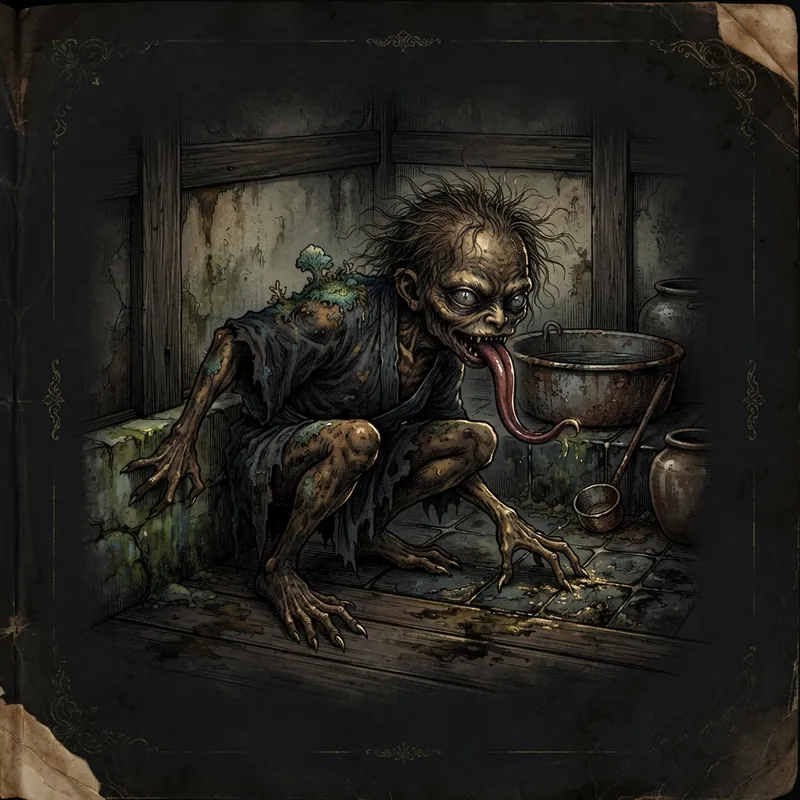
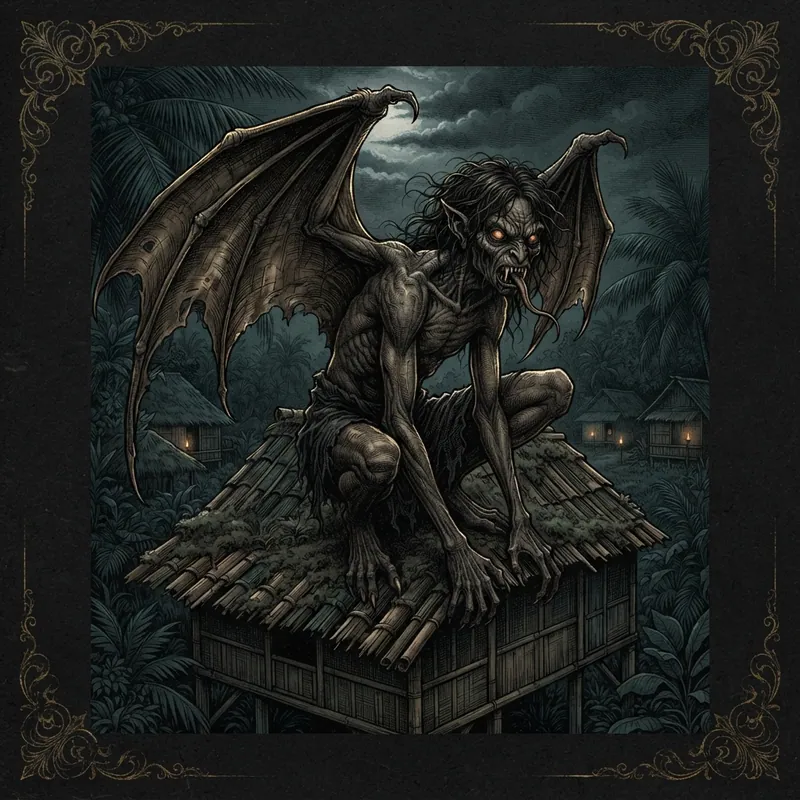
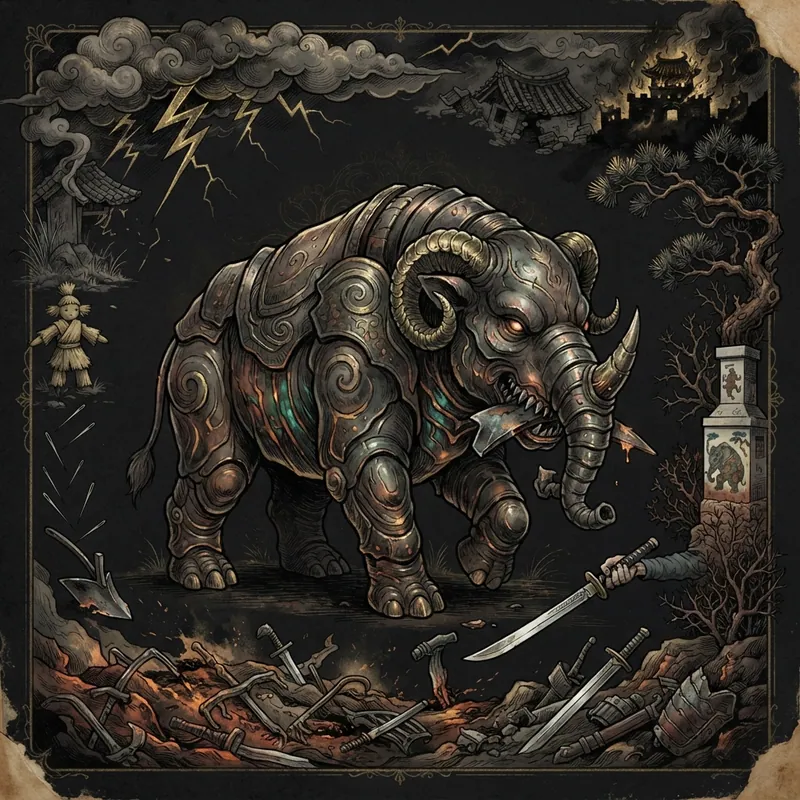
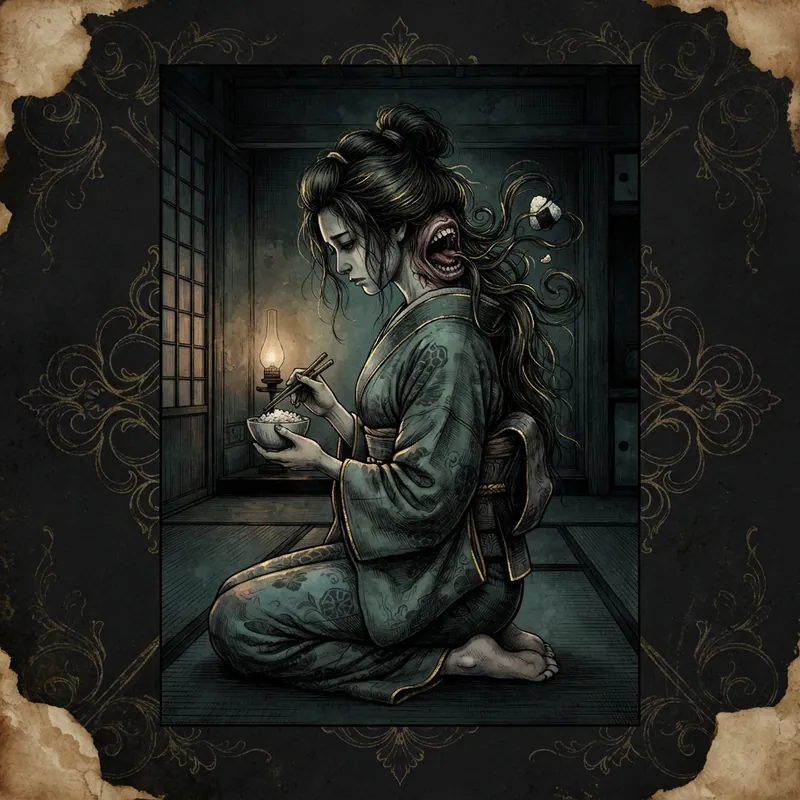
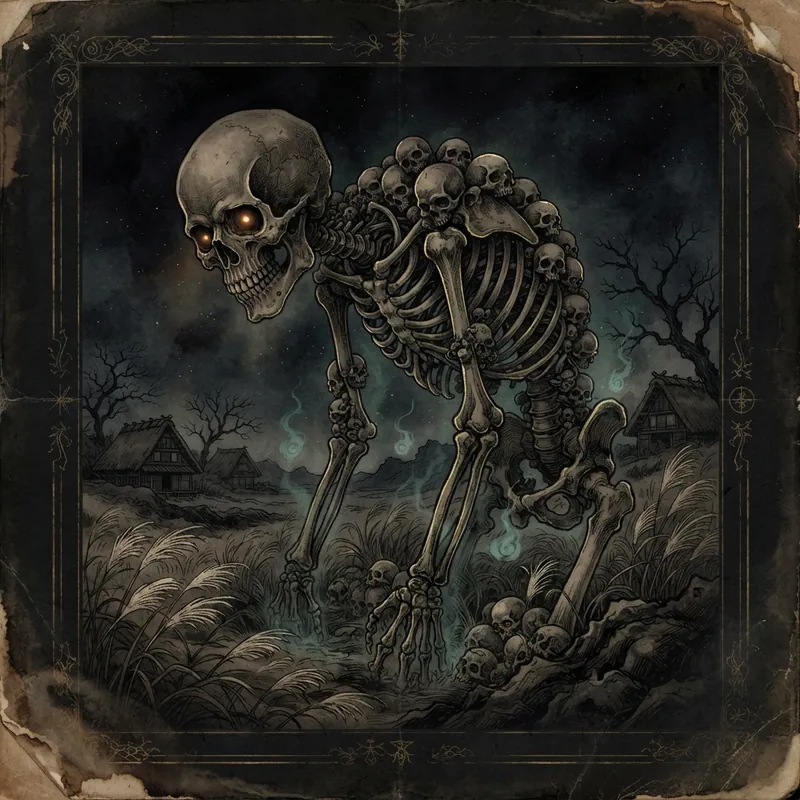
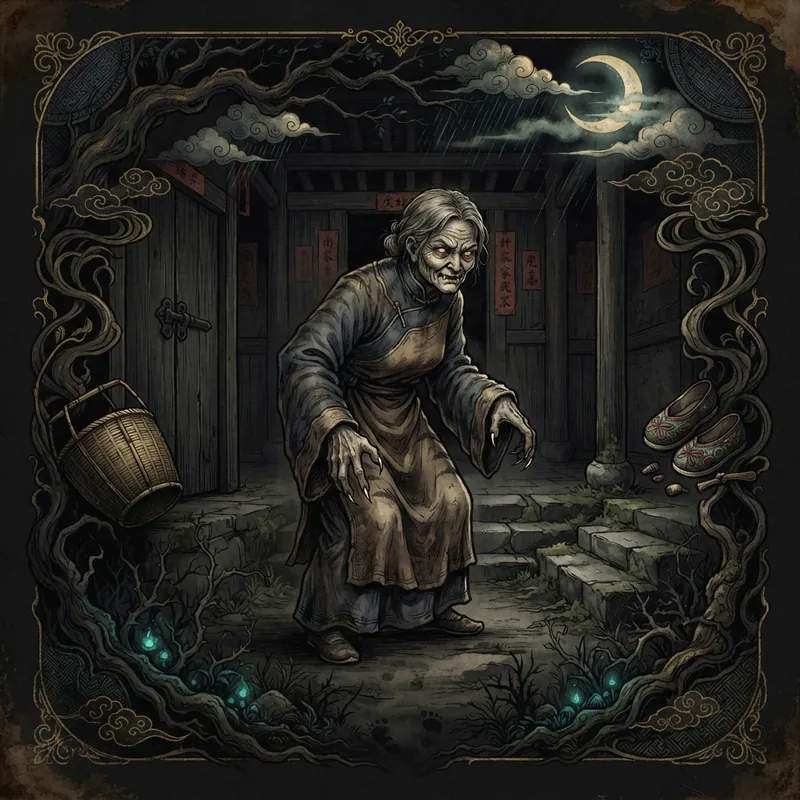
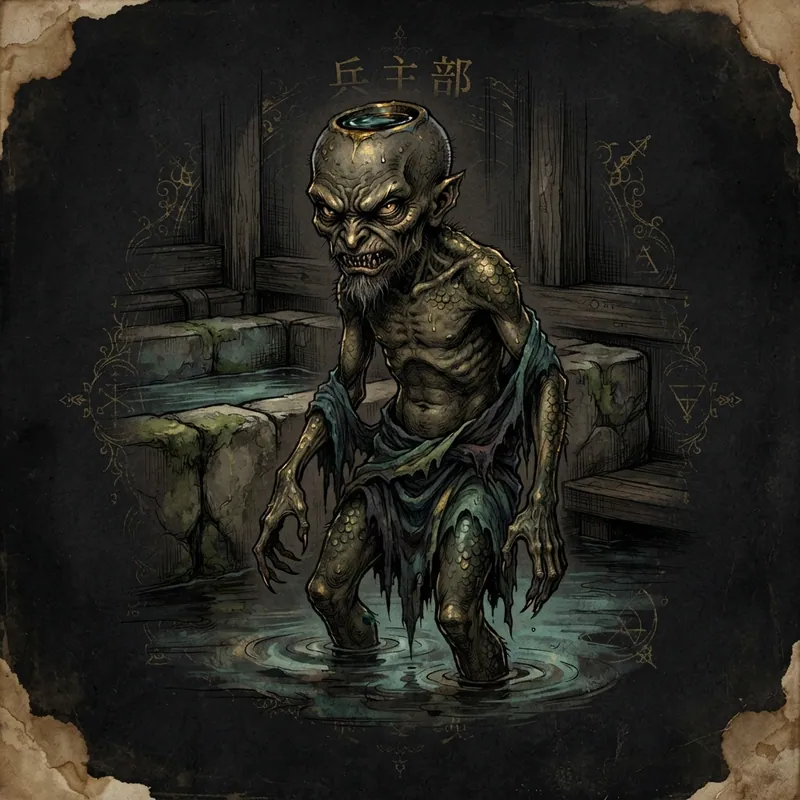
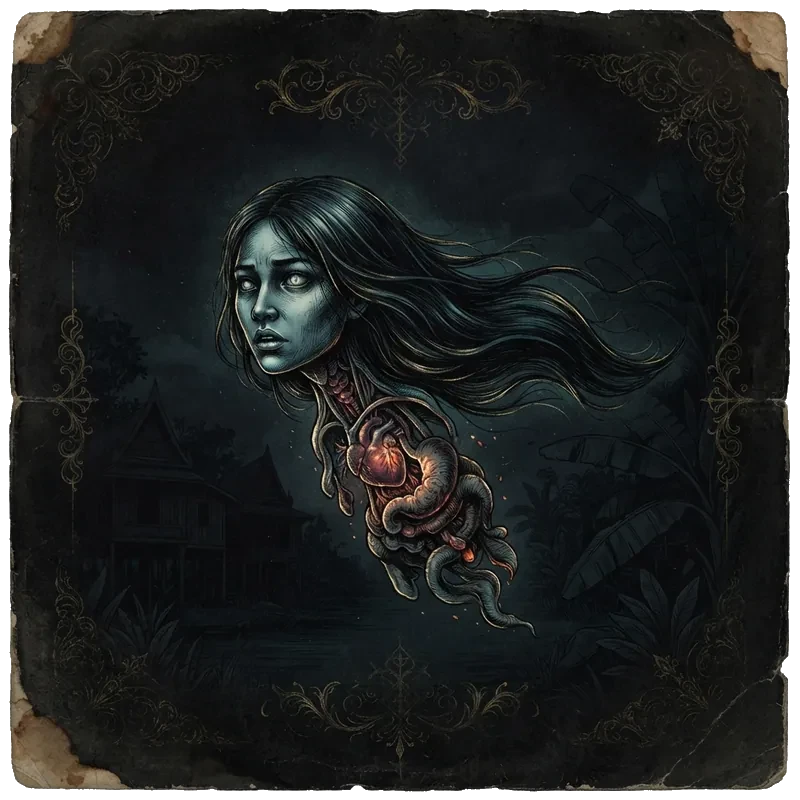
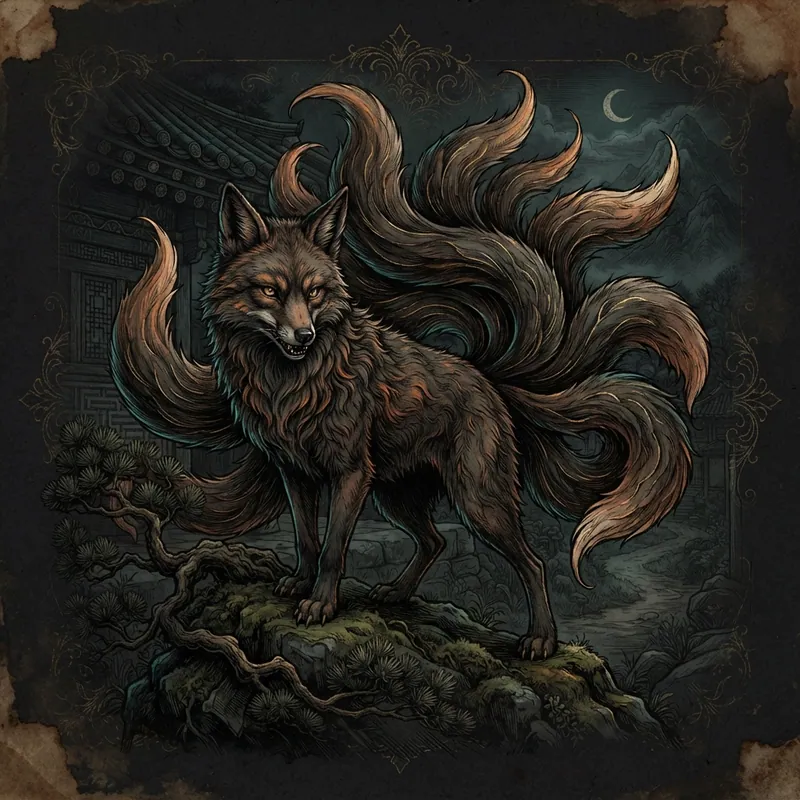
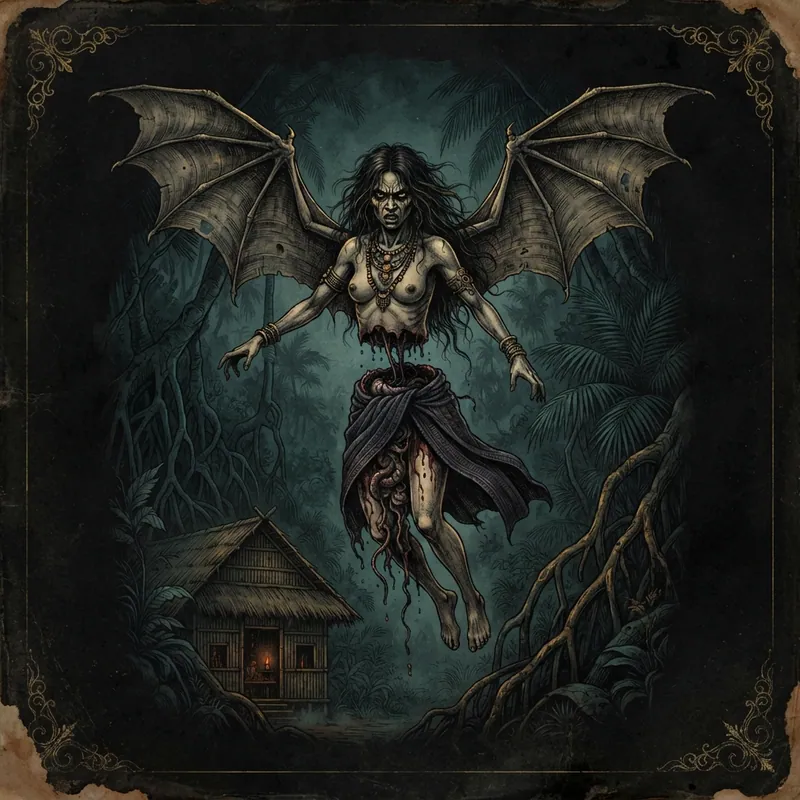
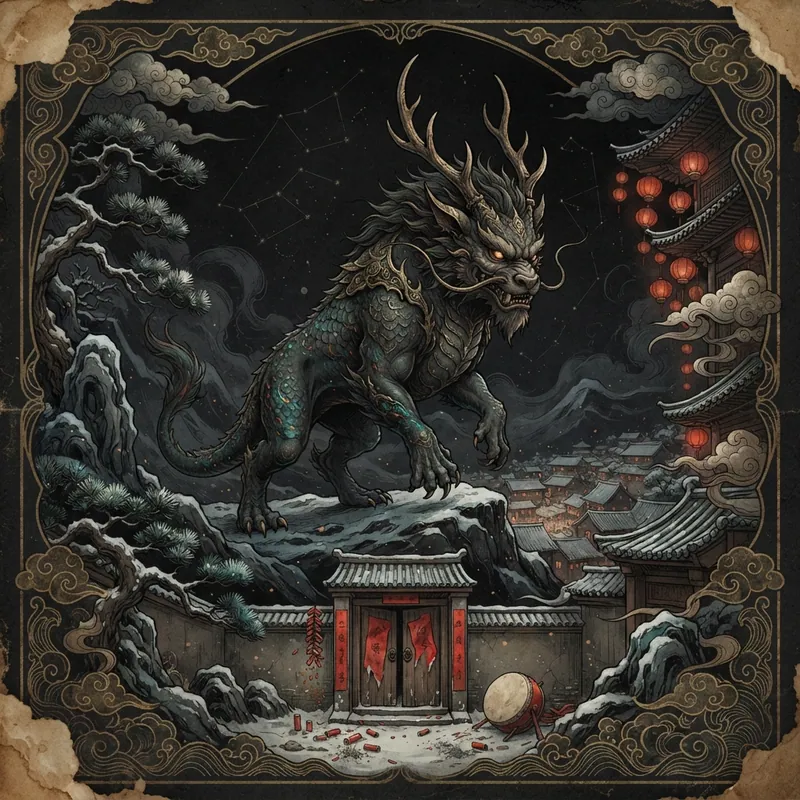
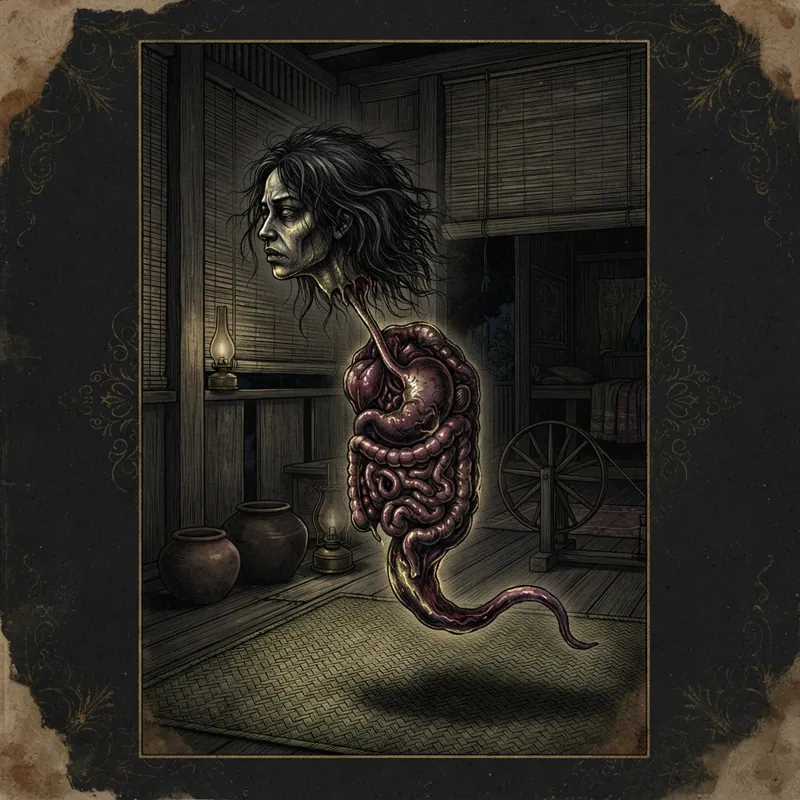
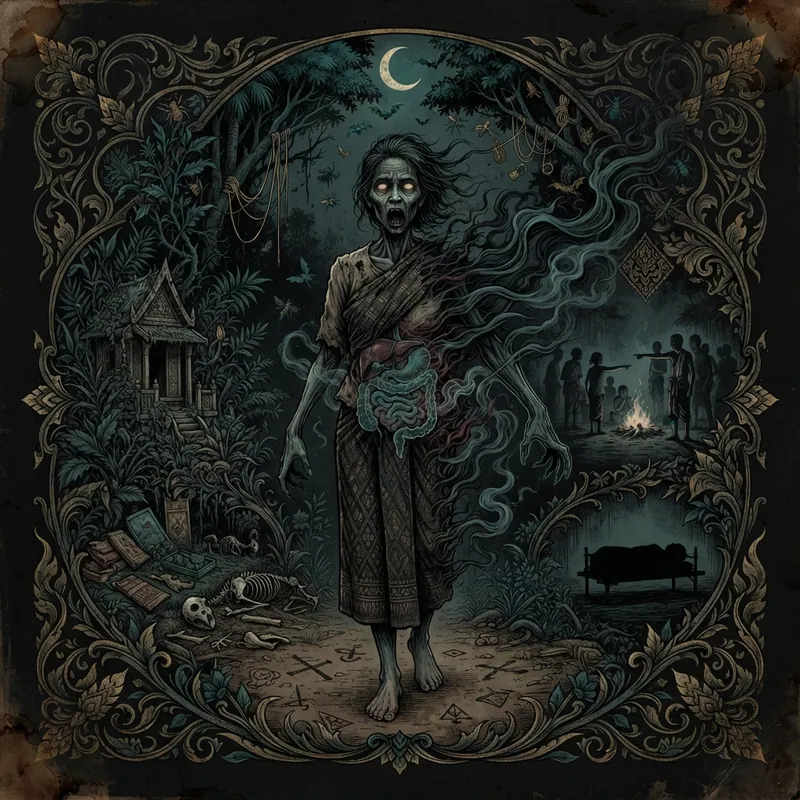
AkanameA yōkai associated with dirty bathrooms and neglected washing places, said to lick up the grime. A domestic warning dressed as a grotesque visitor.AswangAswang is a broad, regionally varied Philippine category encompassing several frightening beings and stories rather than one fixed creature.BulgasariA Korean legendary iron-eater whose name means, in one reading, the one that cannot be killed. Folktales make it a catastrophe of late Goryeo; folk craft also paints it on chimneys as a ward against nightmare and fire.Futakuchi-onnaA woman with a second mouth hidden in the back of her head, fed by writhing hair—often framed as a tale of neglected hunger, cruelty, or household injustice.GashadokuroA gigantic skeletal yōkai said to form from the bones of people who died of starvation or in battle without proper rites. Its approach is announced by a rattling, grinding sound.Hú Gū PóHú Gū Pó, Grandaunt Tiger: a Hakka and Taiwanese ogress-tale of a tiger who becomes an old woman to eat children. A cautionary bedtime story, not a hunting manual.HyōsubeA kappa-like child of rivers and baths in Kyushu lore, known for invading bathhouses and leaving sickness or mischief behind. Local and kappa traditions overlap without being identical.KrasueA night-spirit figure in Thai and Khmer folklore, associated in many modern retellings with a glowing head travelling through the night.KumihoThe nine-tailed fox of Korean tradition, often more predatory in classical tales than some Japanese kitsune tellings, though modern media softens or romanticises the figure.ManananggalA nocturnal, flying figure in Philippine folklore, often described in regional stories as separating from its lower body to hunt at night.NianA horned New Year beast of Chinese popular legend, said to leave sea or mountain once a year to feed. Firecrackers, drums, and the colour red are remembered as the wards that drive it off.PenanggalanA Malay nocturnal being, often a midwife or woman practicing dark arts, whose head and entrails detach to hunt. Related to but distinct from the Philippine manananggal.Phi PopA ravenous possessing spirit of ethnic Lao belief in Laos, Isan, and nearby regions. It uses a human host to eat internal organs. Communities may exile the accused; some Lao villages specialise in receiving them.
 ⌂
⌂ ◎
◎ ⌬
⌬ ☾
☾ ✦
✦ ◎
◎ ≈
≈ ☾
☾ ◎
◎ ◎
◎ ☾
☾ ☾
☾ ❖
❖Eastern Europe · 4
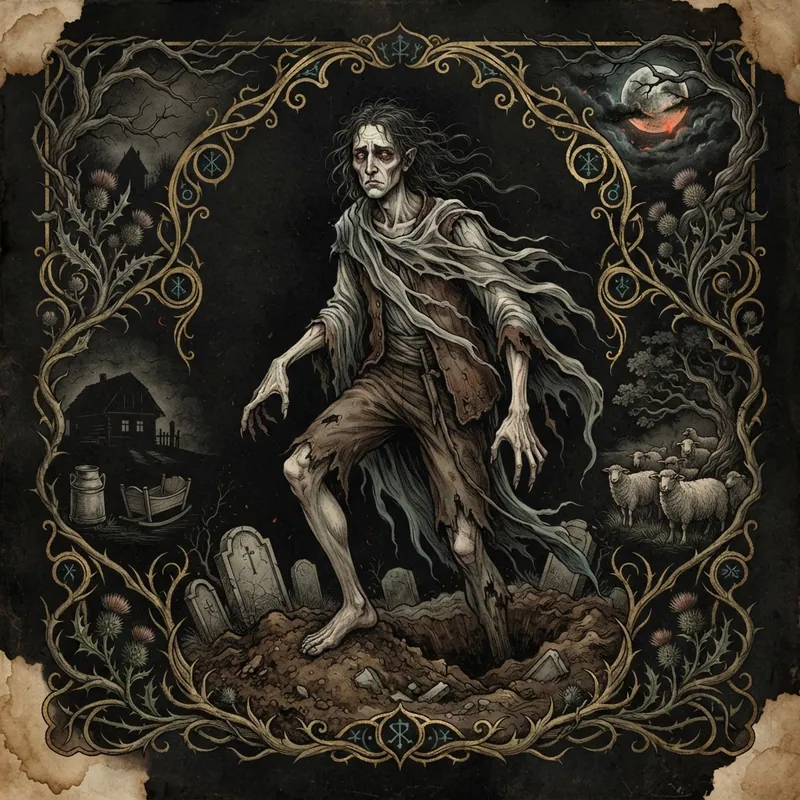
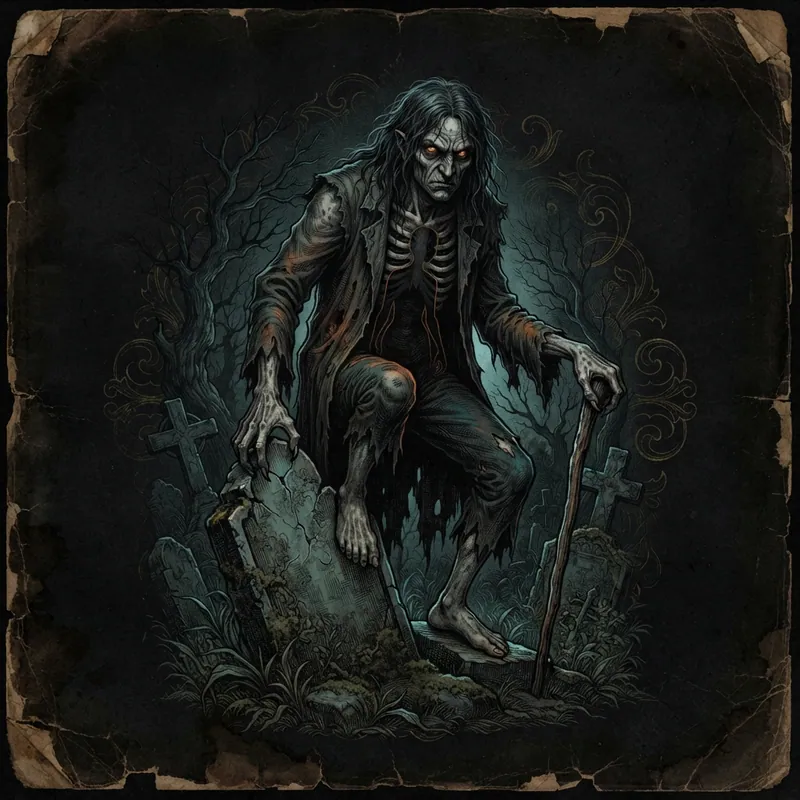
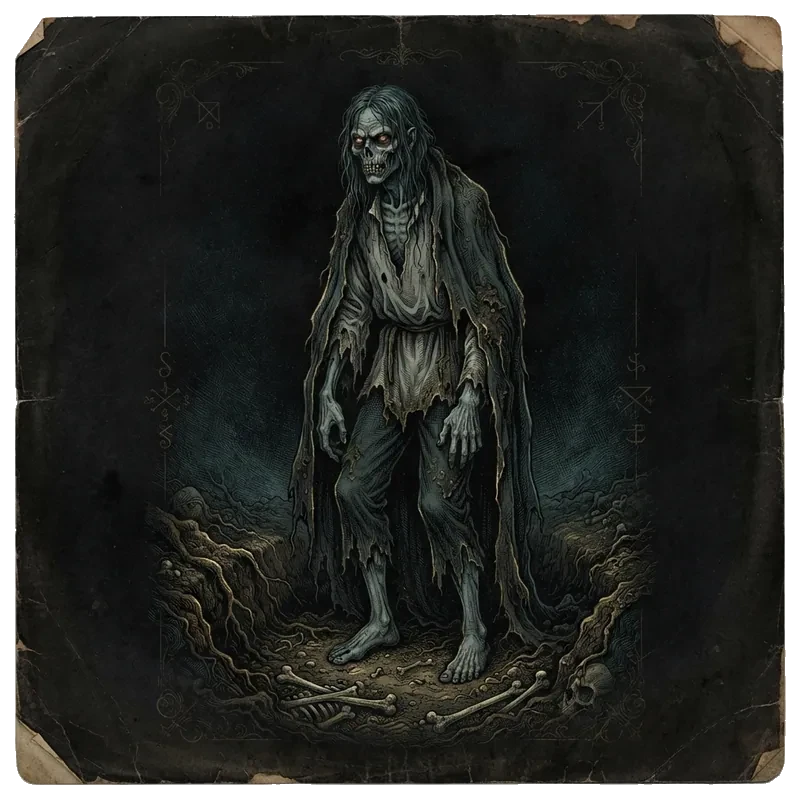
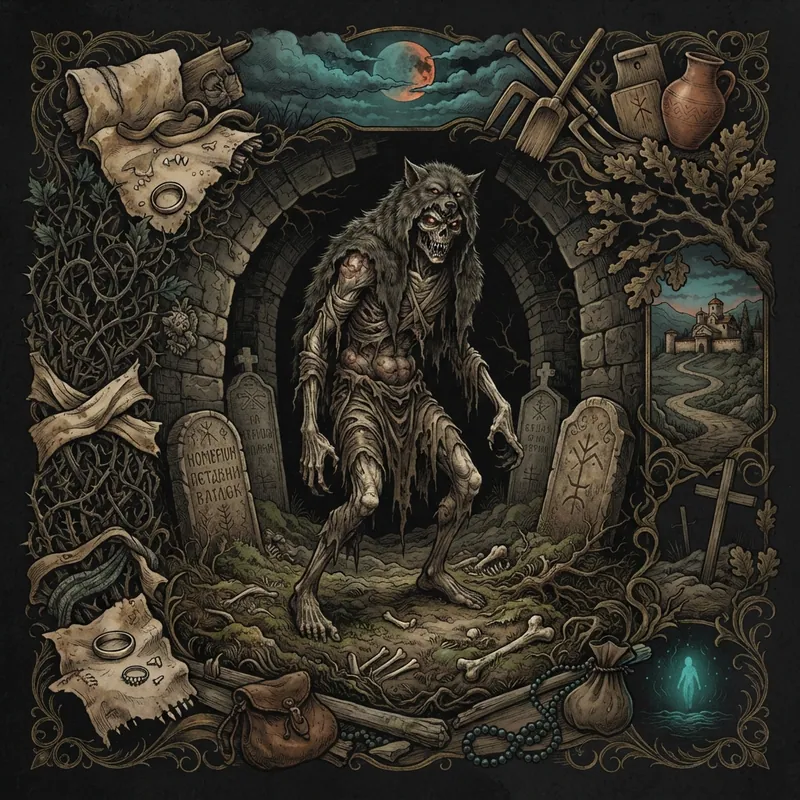
StrigoiIn Romanian folklore a strigoi may be a living person whose soul wanders at night, or a dead revenant who returns to trouble family and herd. Distinct from the Polish strzyga and from literary Dracula.StrzygaIn Polish and related lore, a strzyga (or striga) is often a person born with two souls or two hearts who becomes a predatory undead after death. Folklore and later fiction should not be collapsed into one rule.UpyrA Slavic term for a dangerous returning dead figure, often associated with improper burial or an unclean death. Later vampire fiction borrows the word but should not overwrite older regional meanings.VukodlakA South Slavic wolf-skinned being whose name means wolf-hair. In Serbia, Bosnia, and neighbouring lands the word often names a revenant that drinks blood, not the literary werewolf of Western Europe.
 ☠
☠ ✦
✦ ✦
✦ ☽
☽Europe & the North · 4
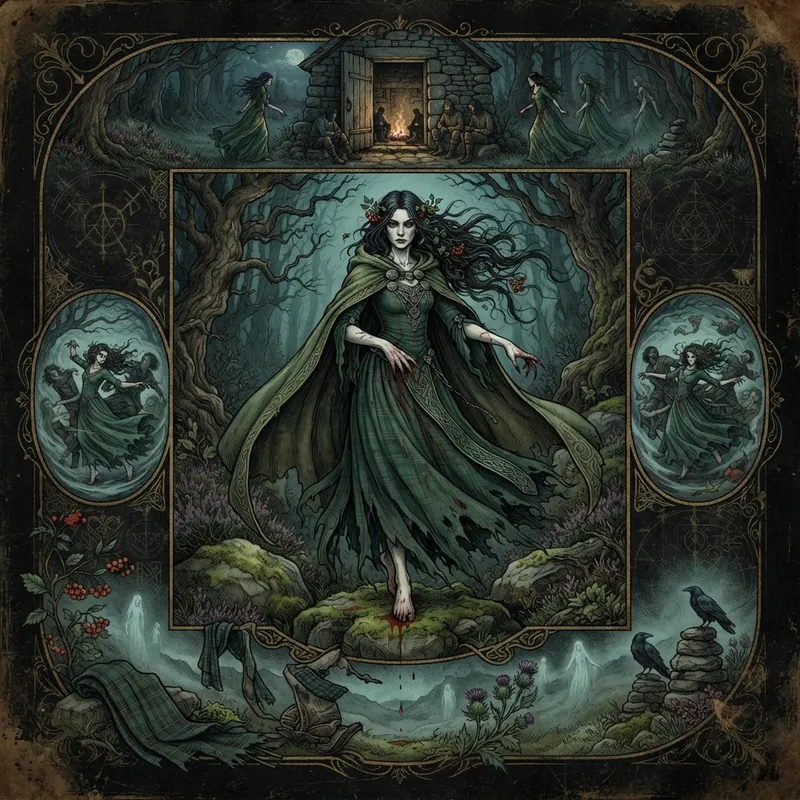
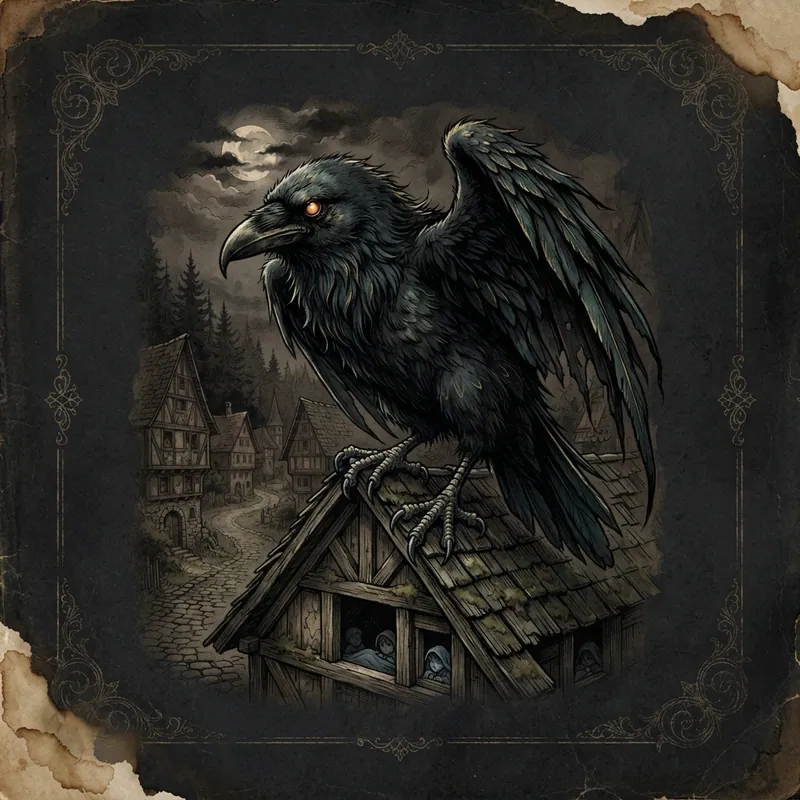
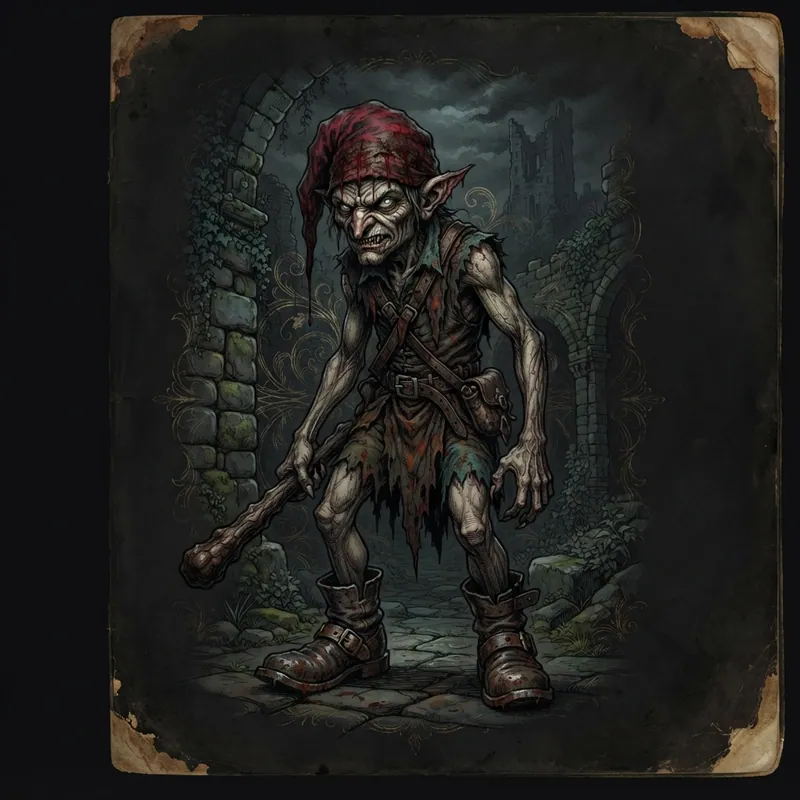
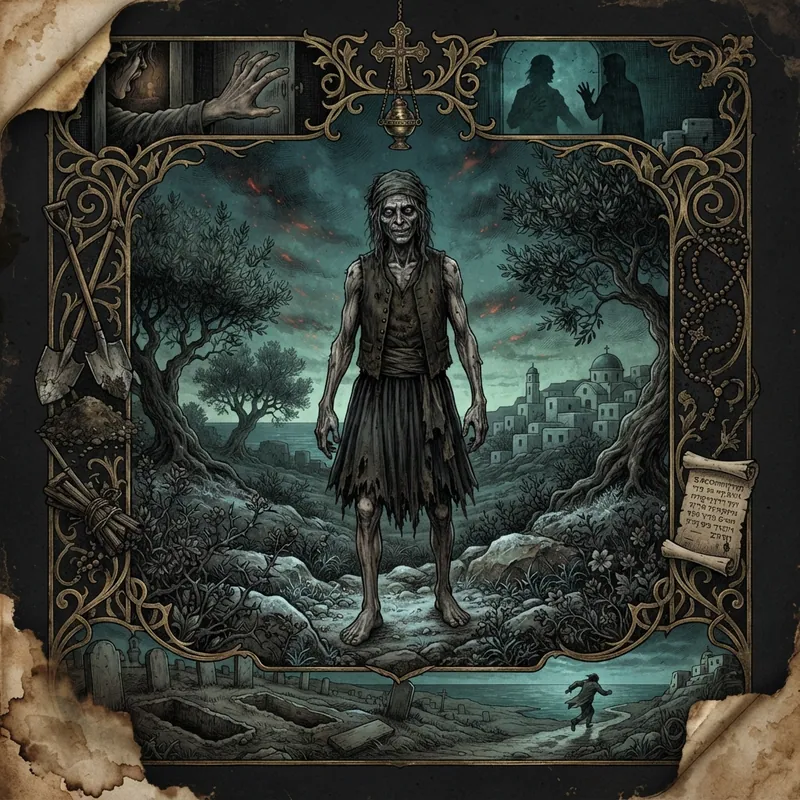
Baobhan SìthFemale Highland fairies who appear as beautiful dancers and drain the blood of hunters. They belong to Gaelic sìth tradition, not to the Irish banshee and not to literary vampires.NachtkrappA night-raven bogey of German-language folklore used to frighten children into staying in bed. Part of a wider European family of night-bird warnings.RedcapA murderous goblin of Anglo-Scottish border castles, said to dye his cap in blood. Associated with ruined strongholds and violent histories rather than gentle household brownie lore.VrykolakasA Greek Orthodox revenant: a corpse that remains whole and walks because of sin, excommunication, or broken funeral order. The word is Slavic in origin; the being is not Dracula and not a Slavic vampire copy.
 ❋
❋ ☾
☾ ☾
☾ ☠
☠Oceania & the Pacific · 2
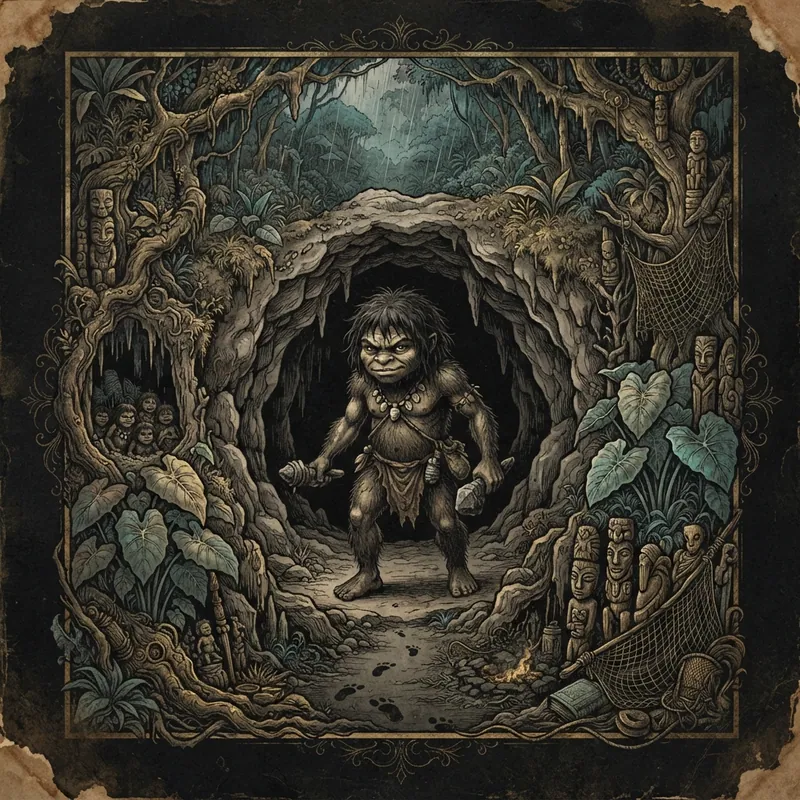
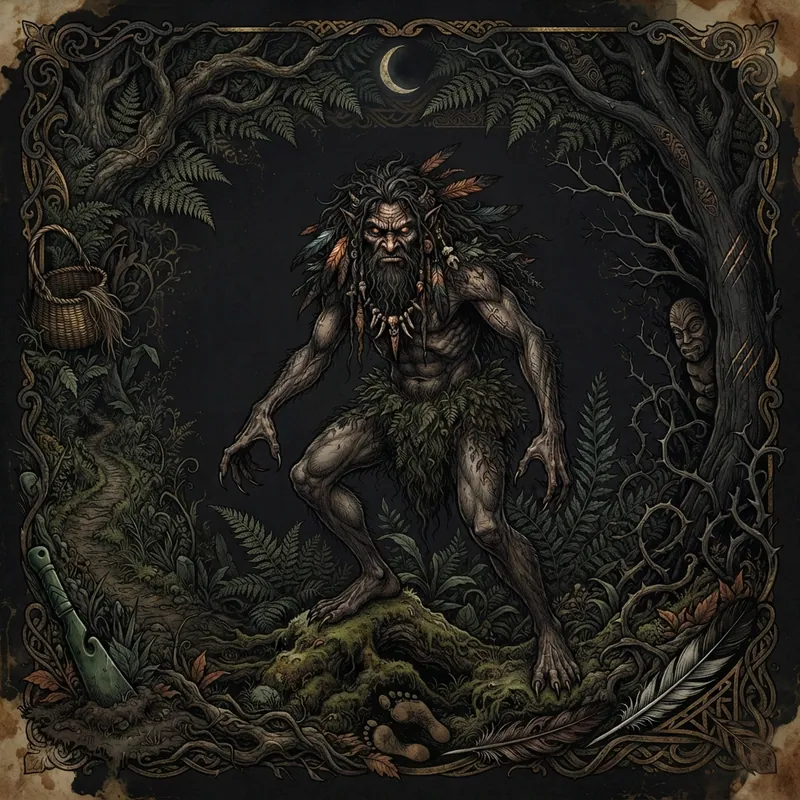
KakamoraIn Solomon Islands folklore, especially on Makira, kakamora are small, hairy, cave-dwelling people of the bush — original inhabitants in many tellings, mischievous, strong, and not to be cornered. This is local kastom, not a film pirate.MaeroIn Māori tradition, maero (North Island) and māeroero (South Island) are wild supernatural people of forest and mountain, feared in many kōrero as predators of travellers. Living tribal knowledge, not a trophy ogre.
 ♧
♧ ♧
♧South Asia · 4
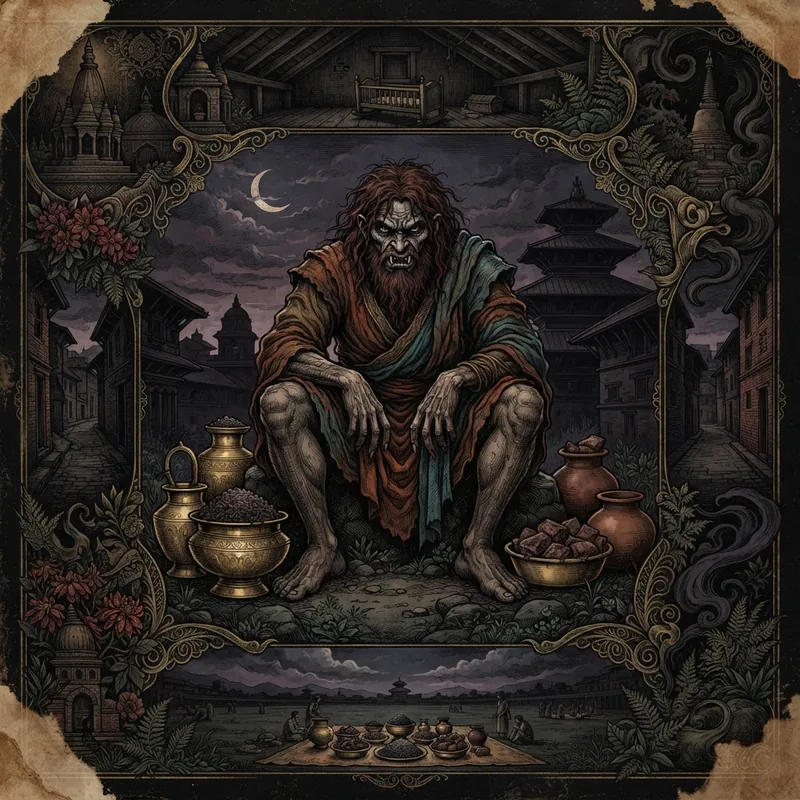
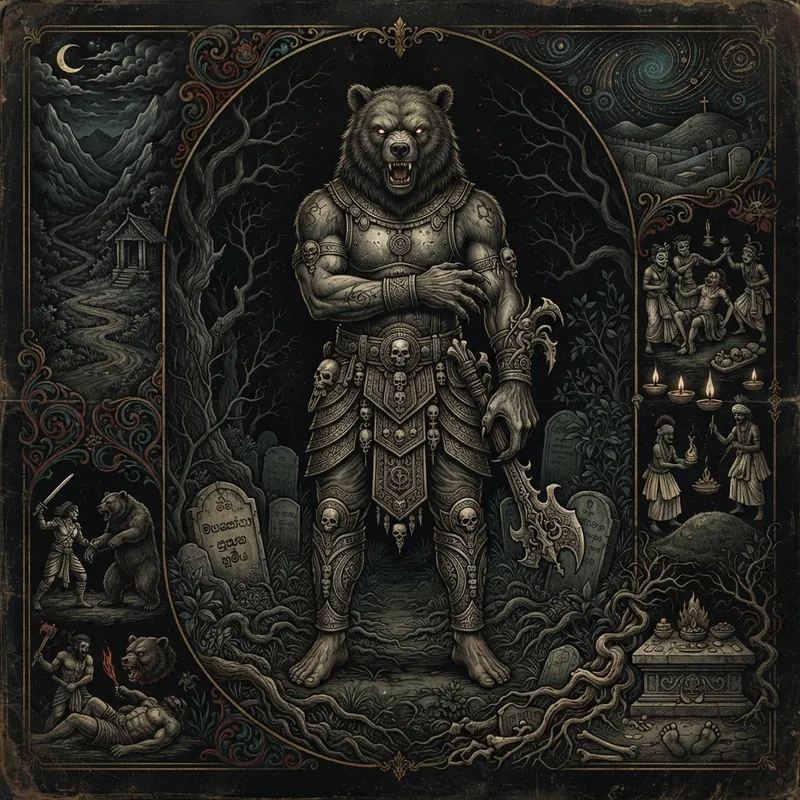
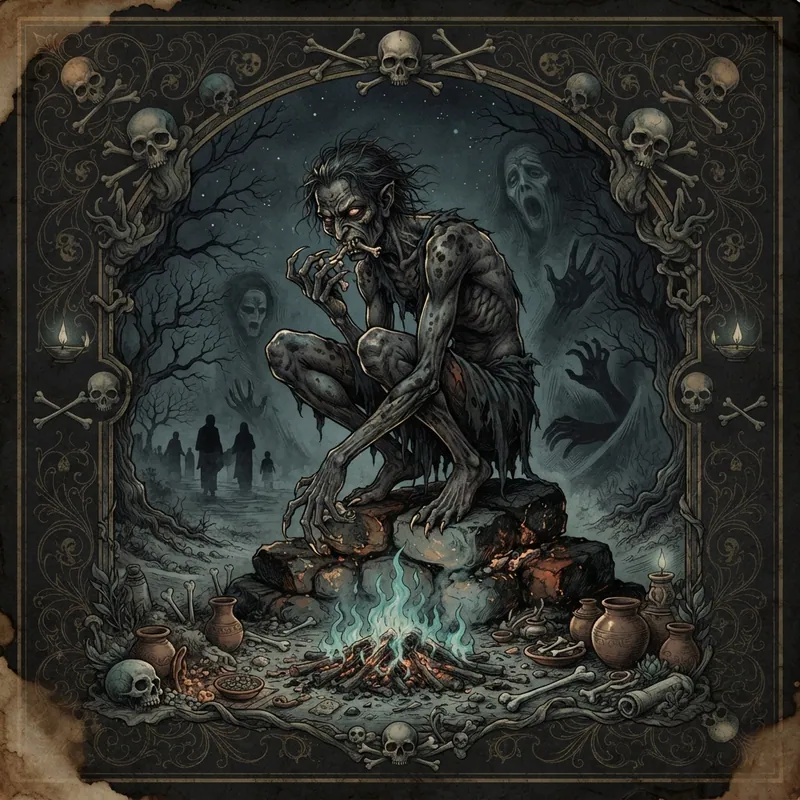
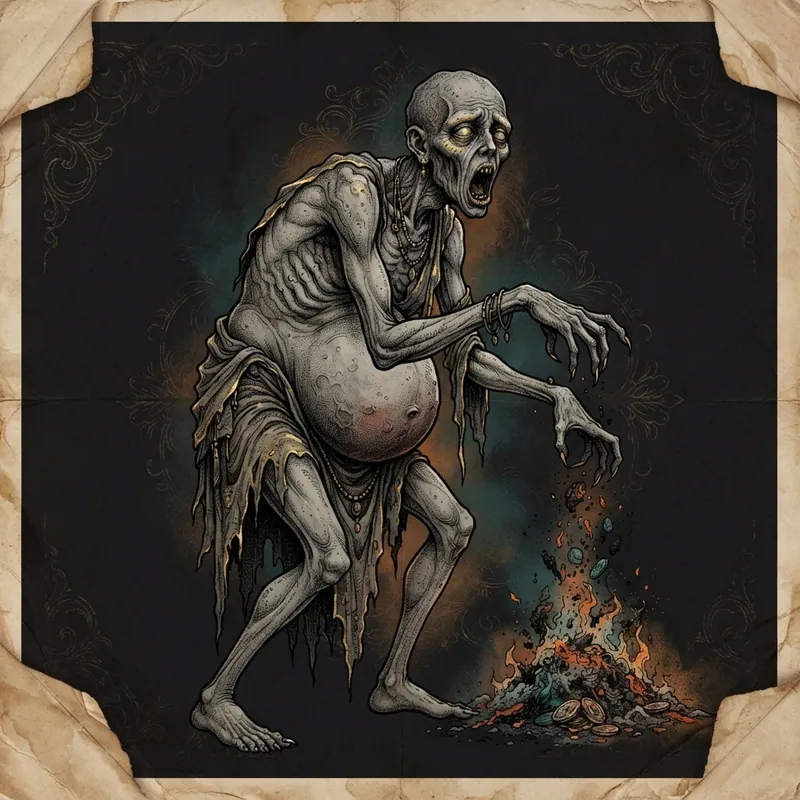
GurumapaA man-eating giant of Newar legend associated with Itum Bahal in Kathmandu, persuaded to live on Tundikhel in return for an annual feast of rice and buffalo meat.MahasonaThe great cemetery demon of Sinhalese folklore, Maha Sohona or Mahasona, a yakka of graveyard, hill, and crossroads, met in healing rites as well as in origin legends of a warrior given a bear's head.PiśāchaFlesh-eating night beings of Hindu and South Asian religious storytelling, associated with cremation grounds, violent death, shapeshifting, and possession that can unseat the mind.PretaHungry ghosts in South Asian religious cosmologies, beings of intense craving and thin satisfaction. Theological and ethical contexts matter more than horror costume.
 ☾
☾ ☾
☾ ☾
☾ ✦
✦The Americas · 7
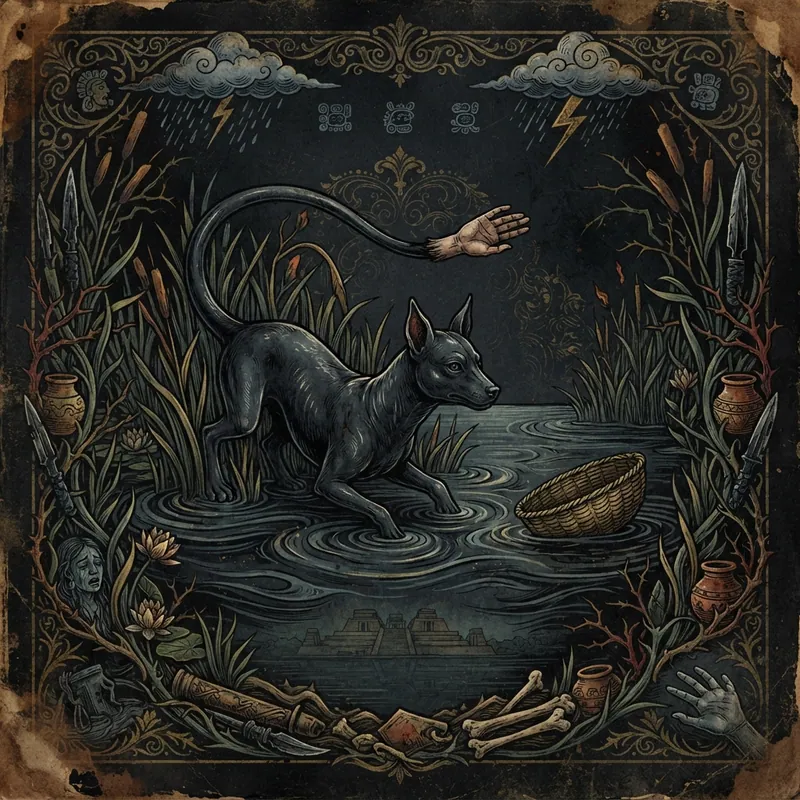
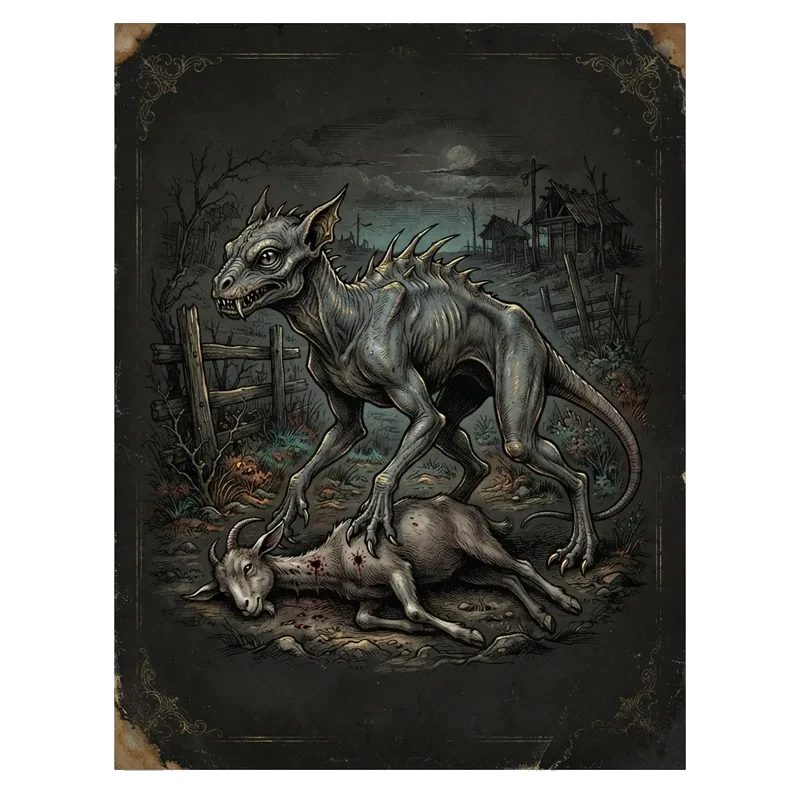
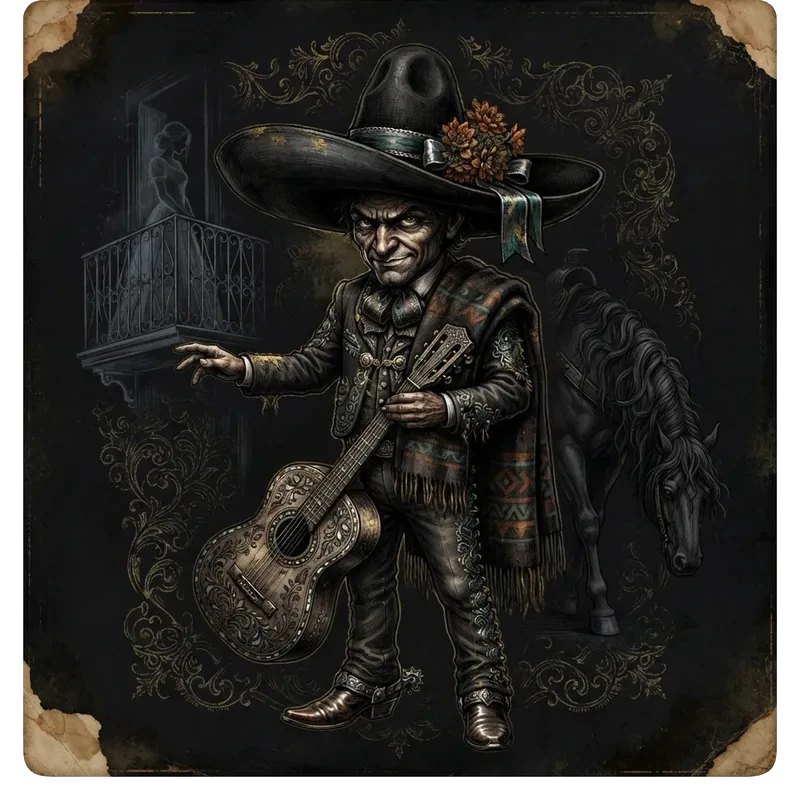
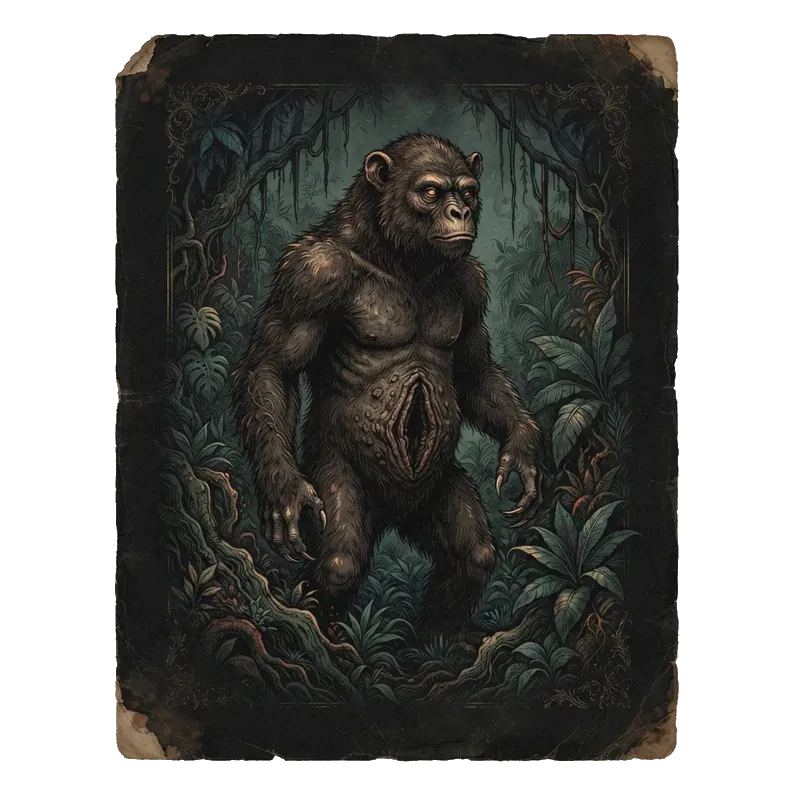
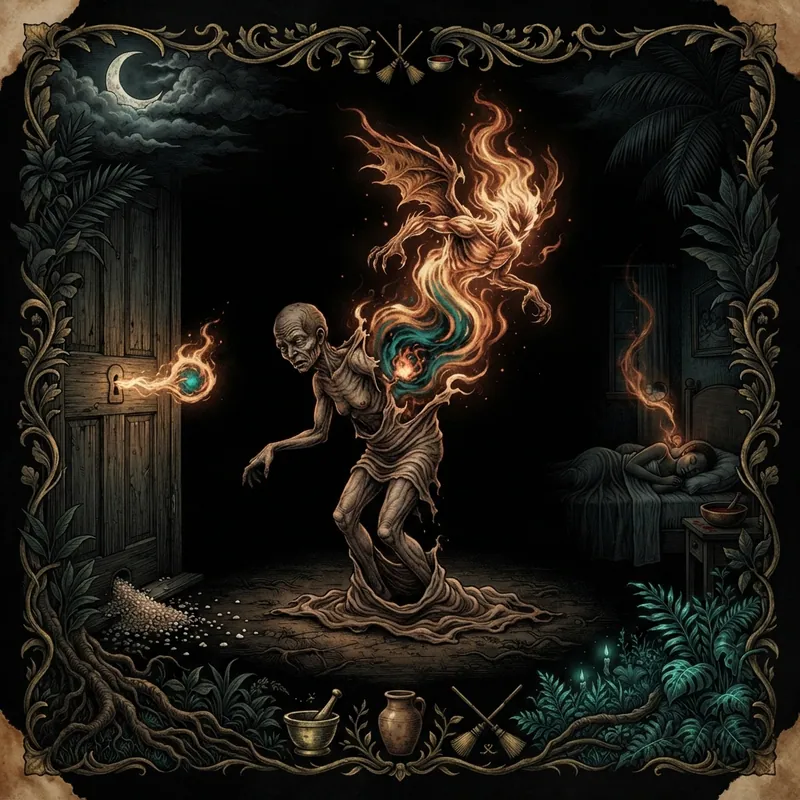
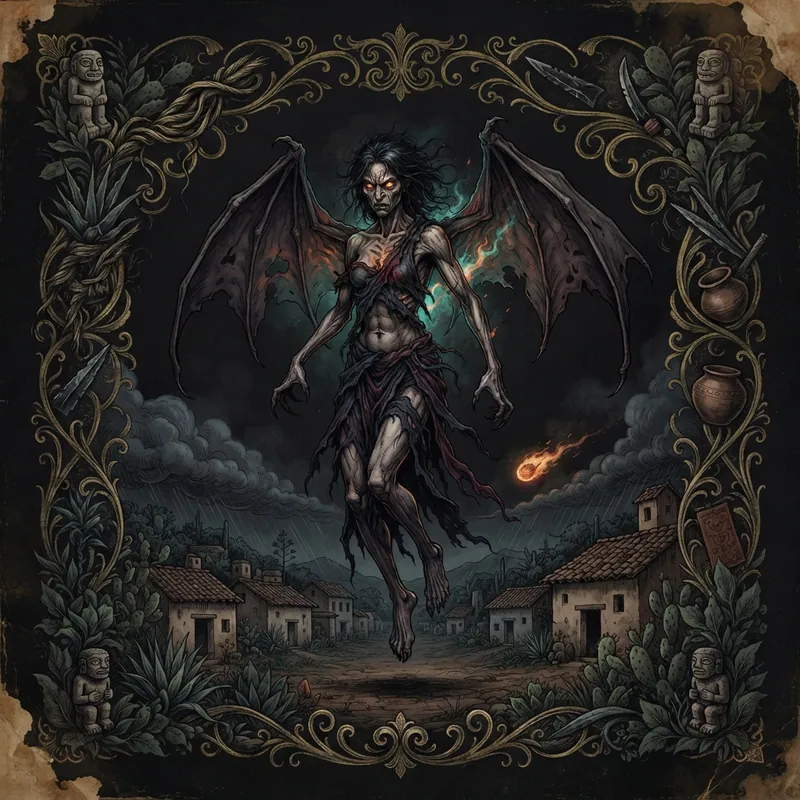
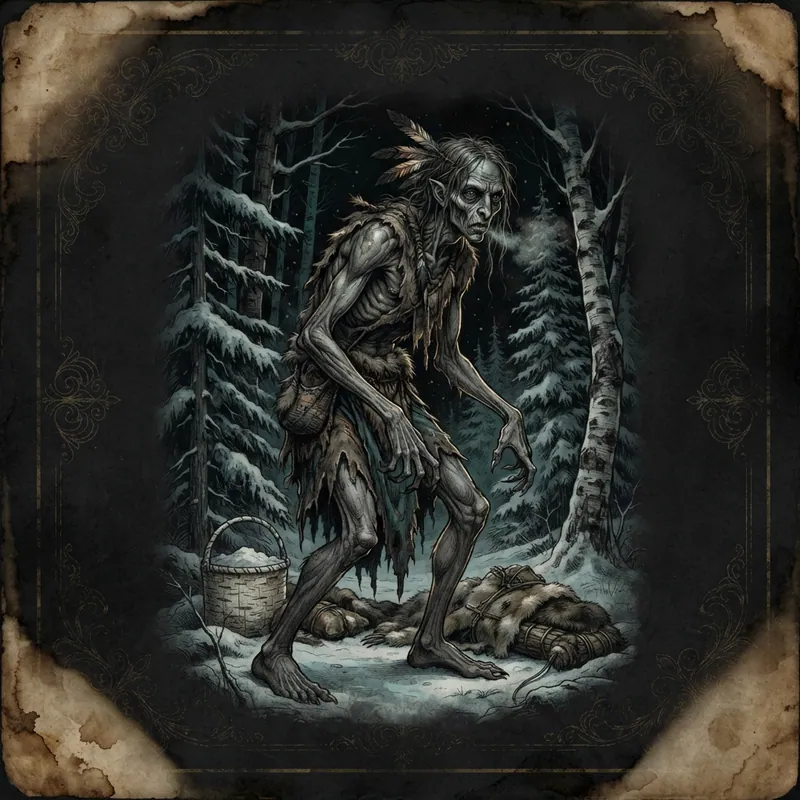
AhuizotlA Mexica water being of the Florentine Codex: dog-small, black and slippery, with a human hand at the tail’s tip, said to drown people at lakes and springs around Tenochtitlan. Historical-cultural, not a video-game beast.ChupacabraA late-twentieth-century cryptid first widely reported in Puerto Rico, later spreading across the Americas. Descriptions shift between spiny alien and hairless dog; media and rumour feed each other.El SombrerónA courtship and mischief figure of Guatemalan lore who serenades young women and tangles horses’ manes. Charm and threat sit close together in the tellings.MapinguariA formidable creature from Amazonian stories and later cryptid retellings, linked to the dense forest and the boundaries of the known.SoucouyantA Creole and African-diaspora night figure of Trinidad and the wider Caribbean: by day an ordinary neighbour, by night a skin-shedder who travels as fire and takes blood. Not a generic European vampire; salt, rice-counting, and dawn belong to this tradition’s own logic.TlahuelpuchiA Tlaxcalan blood-witch complex: a person, usually a woman, born to a hunger that takes animal or fireball form at night. Living, sensitive Nahua-Mexican belief documented by Nutini and Roberts. Not a how-to, not a Halloween vampire.WendigoA gaunt, insatiable being of Algonquian tradition, associated with deep winter, starvation, and the dread of a hunger that consumes the self.
 ≈
≈ ◒
◒ ☾
☾ ◒
◒ ◎
◎ ◎
◎ ♧
♧