THE CONCORDANCE
Threshold
Doorways, gates, crossings — where in becomes out.
Africa & the Middle East · 11
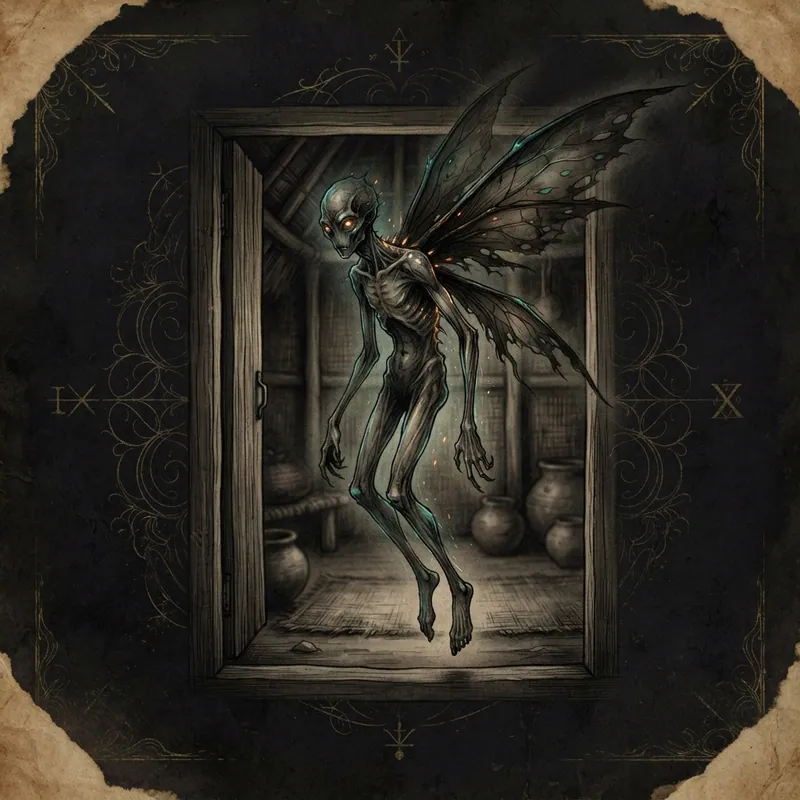
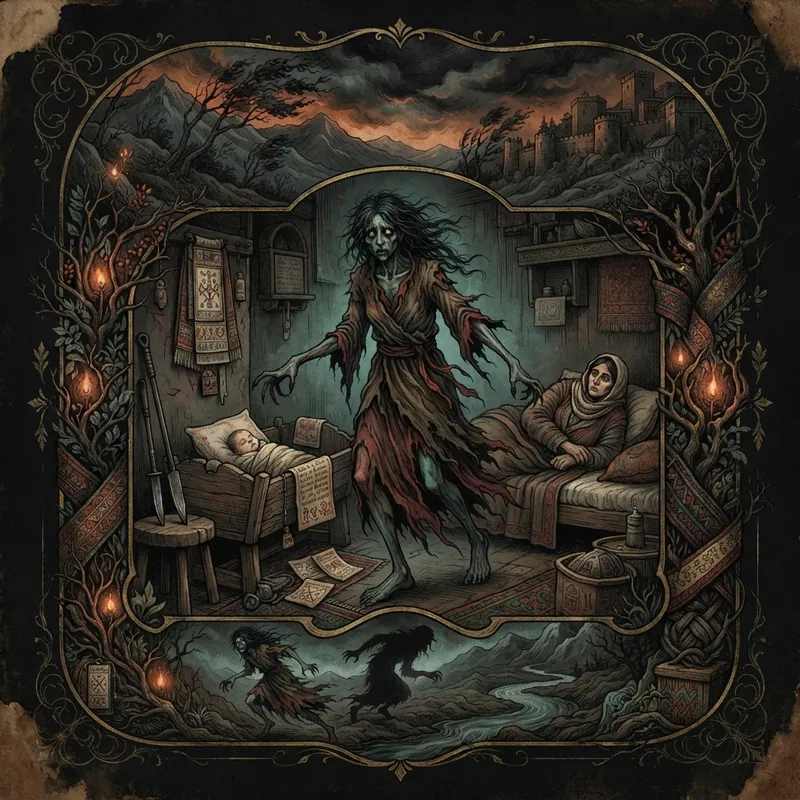
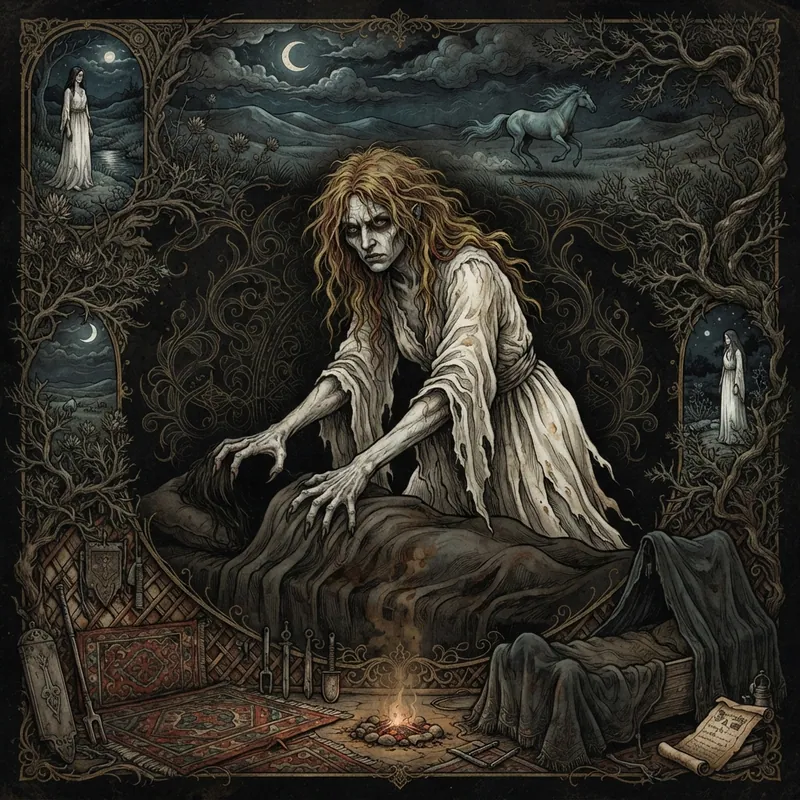
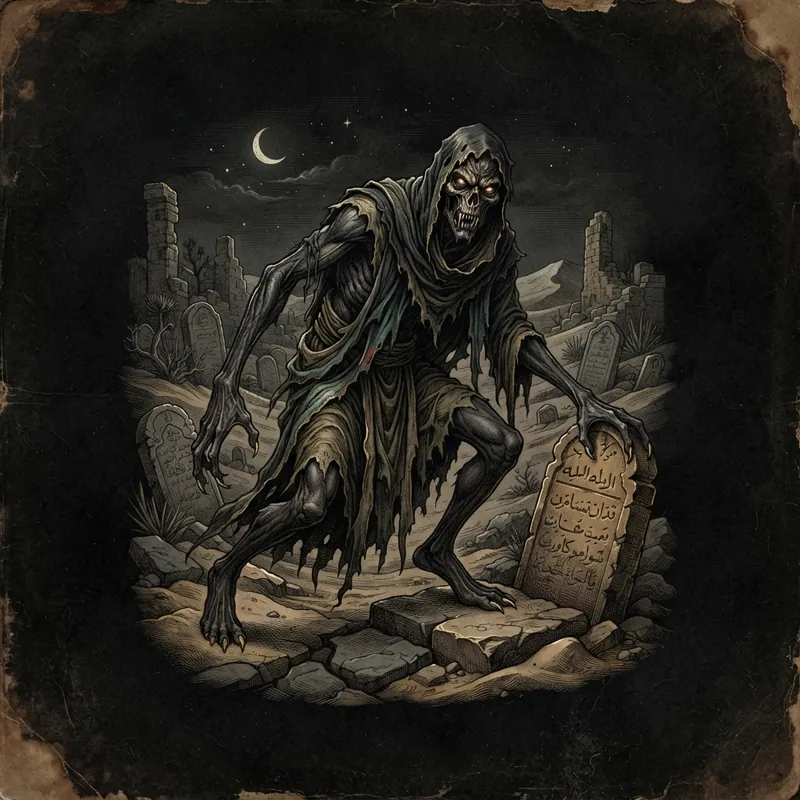
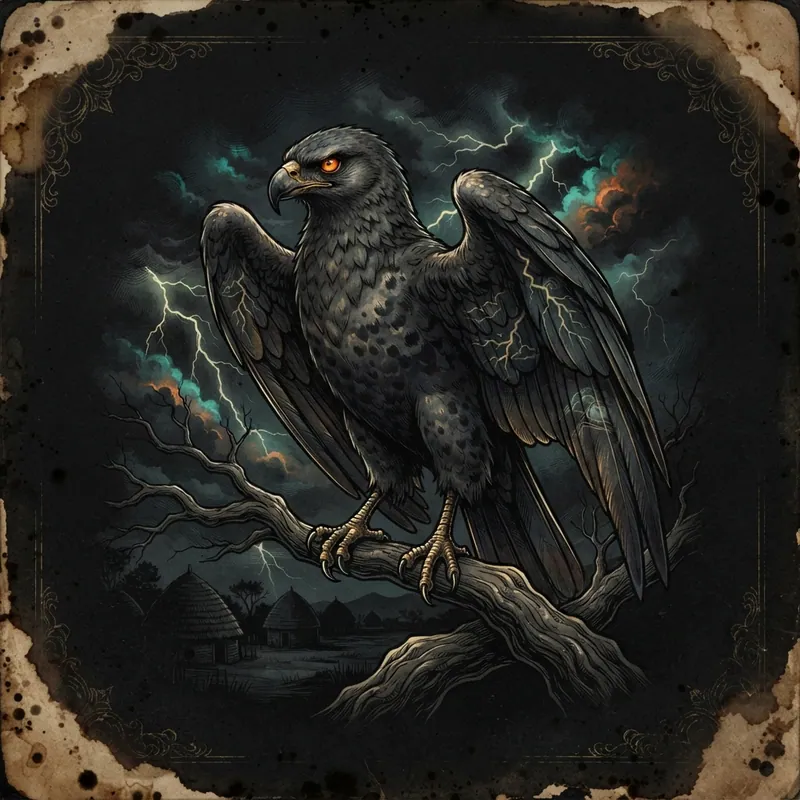
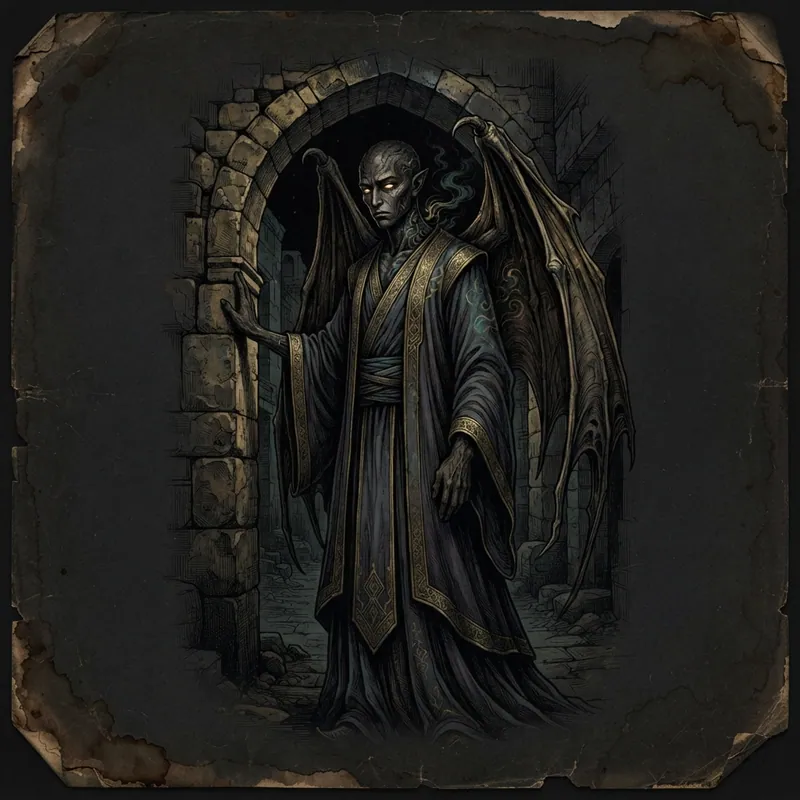
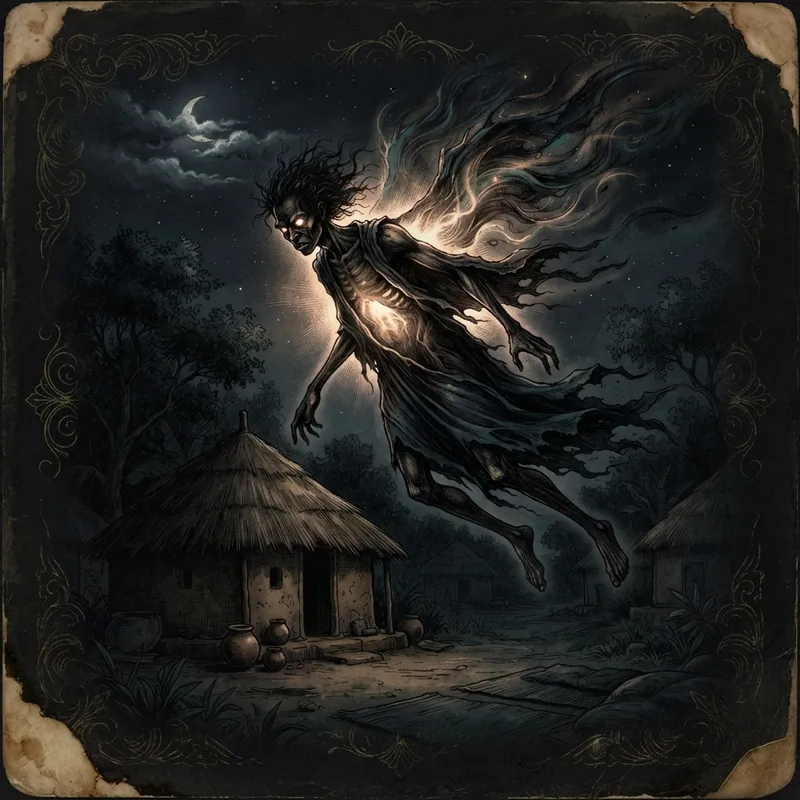
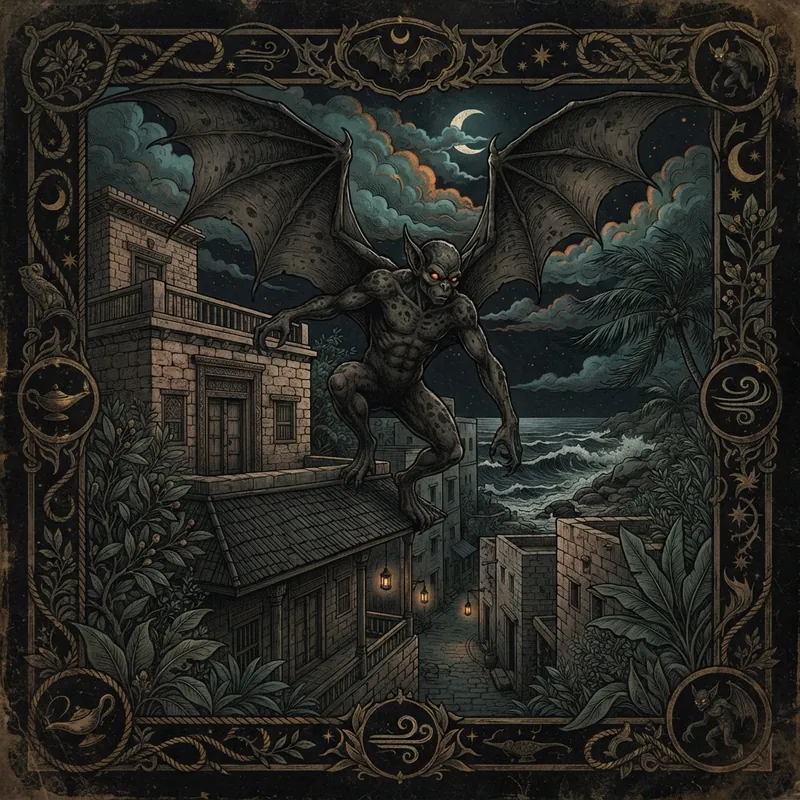
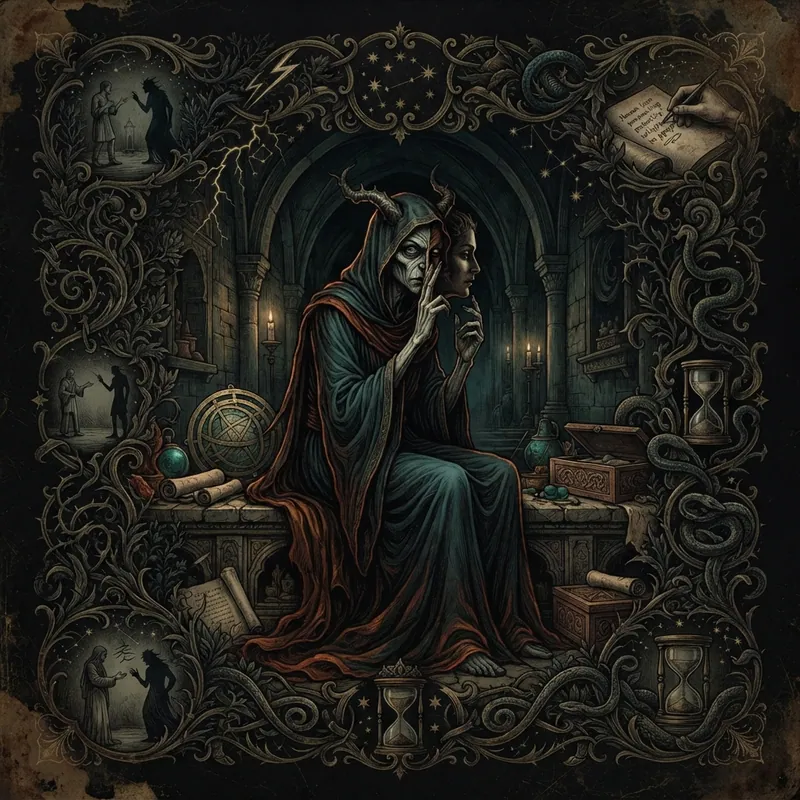
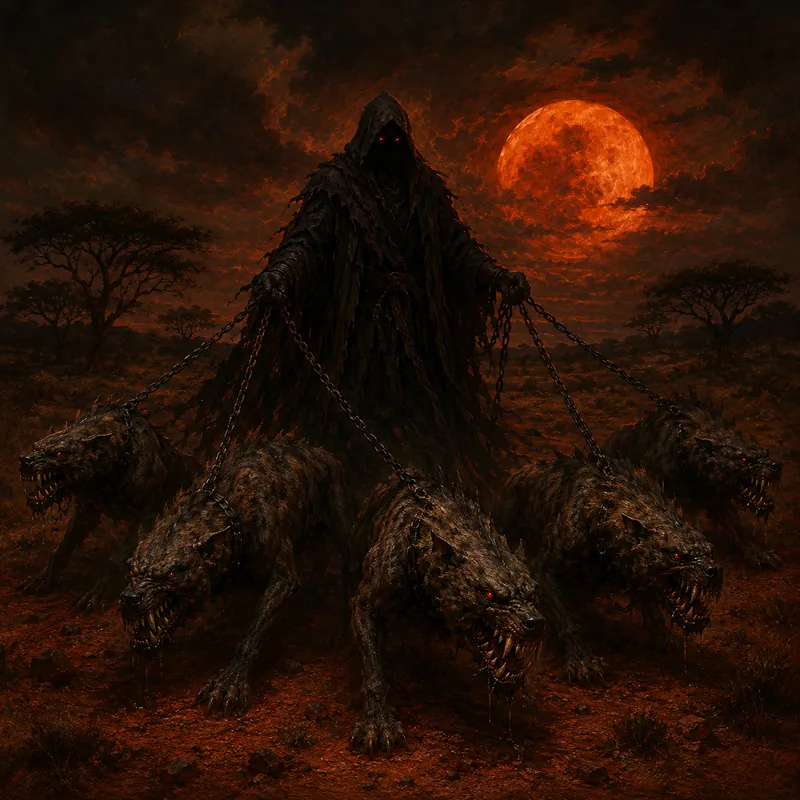
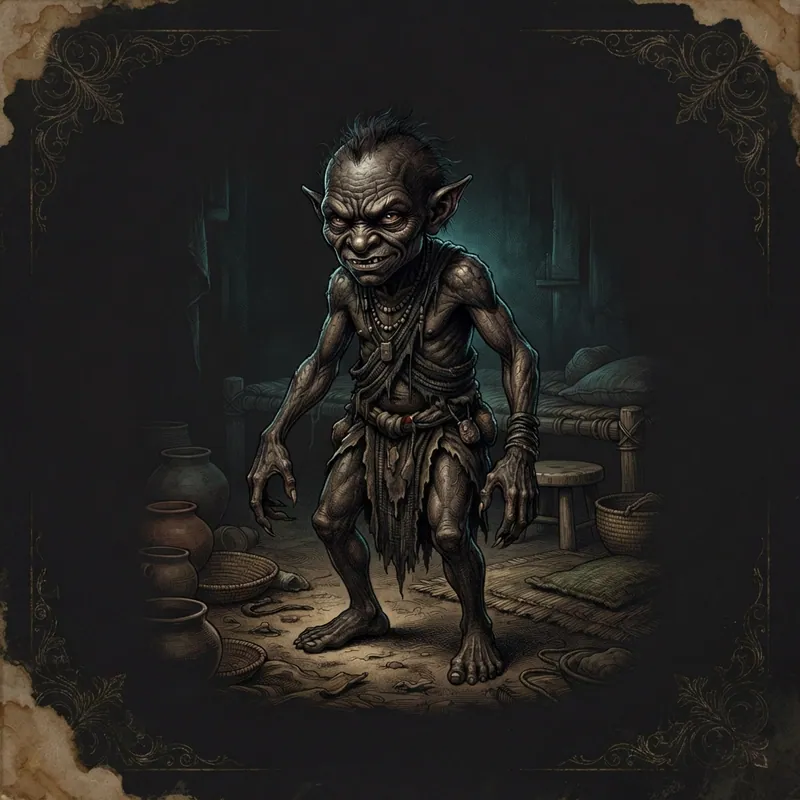
AdzeA being of Ewe folklore sometimes described as taking the form of a firefly, and in some accounts troubling a household after it has been let inside.ĀlThe āl (Armenian ալ, Persian آل) is a being of childbed across Iran, Armenia, and the Caucasus, often said to personify puerperal fever. Traditions disagree on shape; they agree that a new mother must not be left unguarded, and that iron and prayer belong at the threshold.AlbastiAlbasty (Albastı, Albasly, Albarsty and many local forms) is a female being known across Turkic Central Asia, the Volga, the Caucasus, and Anatolia. On the steppe she is foremost a childbed demon; in some regions a disease-presser or, in older layers, a guardian of birth later recast as harmful.GhūlA shape-changing, dangerous figure of Arabic folklore, often associated in translated accounts with wilderness, graveyards, and deception.ImpunduluA lightning-associated bird figure in stories from parts of Southern Africa; accounts and significance vary across the cultures that tell them.JinnJinn are beings in Arabic and Islamic traditions with wide-ranging depictions, moral qualities, and religious meanings; this record avoids treating a living tradition as a generic monster catalogue.ObayifoA witchcraft being in Akan belief, sometimes described as leaving the body as a glowing light to harm others at night. Treat as part of living cosmologies of harm and protection, not a cartoon vampire.PopobawaA feared shetani of Zanzibar and the Swahili coast, named for the bat-wing shadow of its night visits rather than any single body. Accounts describe a shapeshifter that enters houses, attacks sleepers, and binds victims by forcing the story to be told.QareenA qareen (qarīn) is, in Islamic tradition, the constant companion assigned to a human—often a jinn who whispers toward evil, though some authorities also name an angelic counterpart. Folklore sometimes makes it a jealous double. Distinct from the wider class archived as Jinn.The NightwardThe guardian-spirit of the Highveld night: a hooded warder who walks the dark with five leashed, hyena-shouldered hounds. Fearsome to look upon, but his menace is turned outward — he stands between the sleeper and whatever else moves after dark, and is remembered most often as a protector of children who wake in the small hours.TokolosheA figure appearing in several Southern African stories and contemporary cultural conversations, with meanings that vary across communities, languages, and tellers.
 ☾
☾ ☾
☾ ☾
☾ ☾
☾ ✧
✧ ☾
☾ ☾
☾ ◎
◎ ❖
❖ ☾
☾ ☾
☾Asia & the Isles · 20
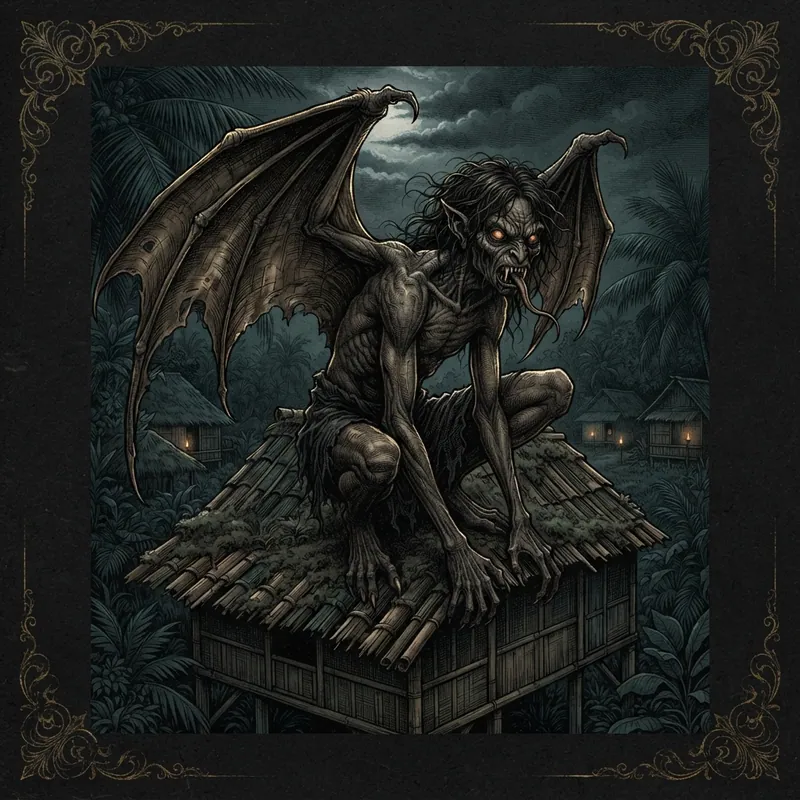
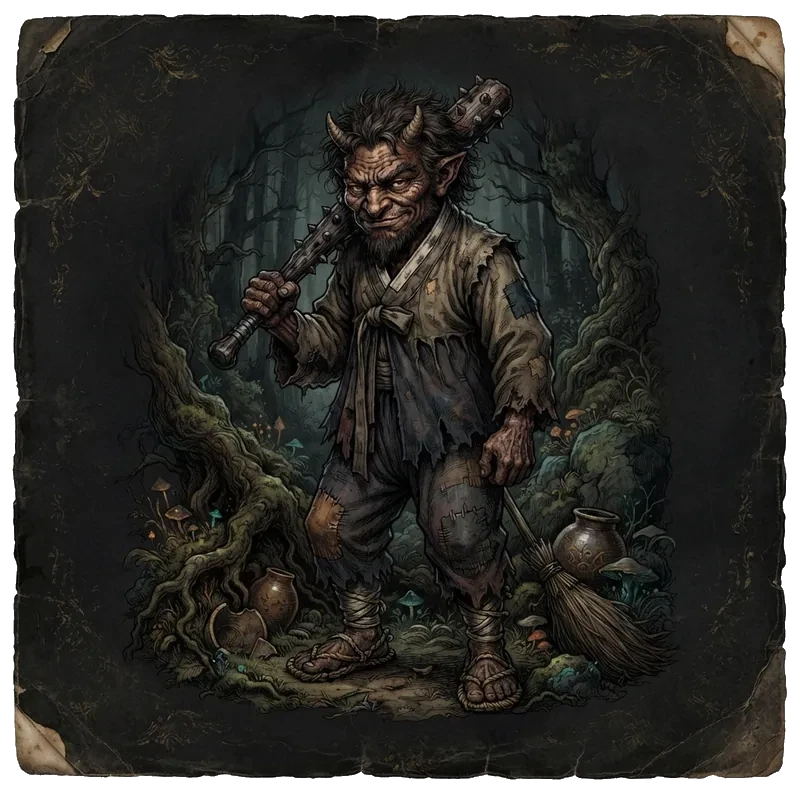
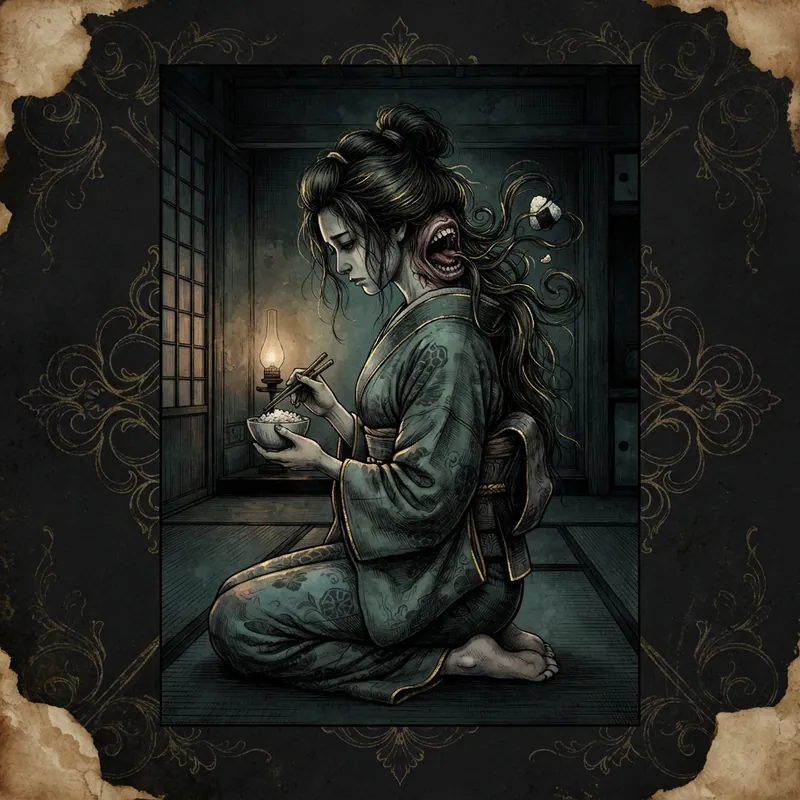
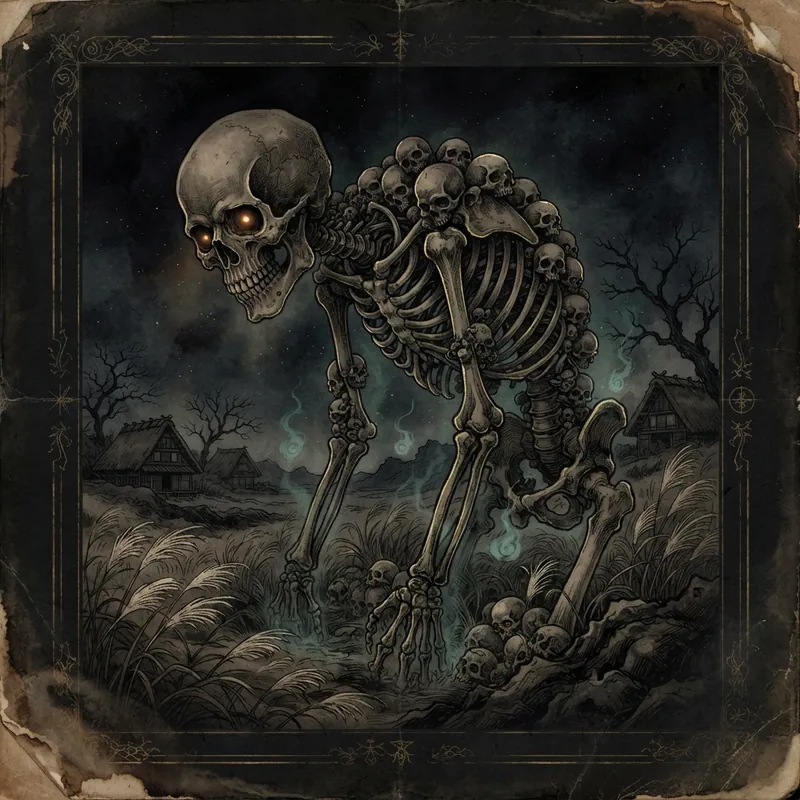
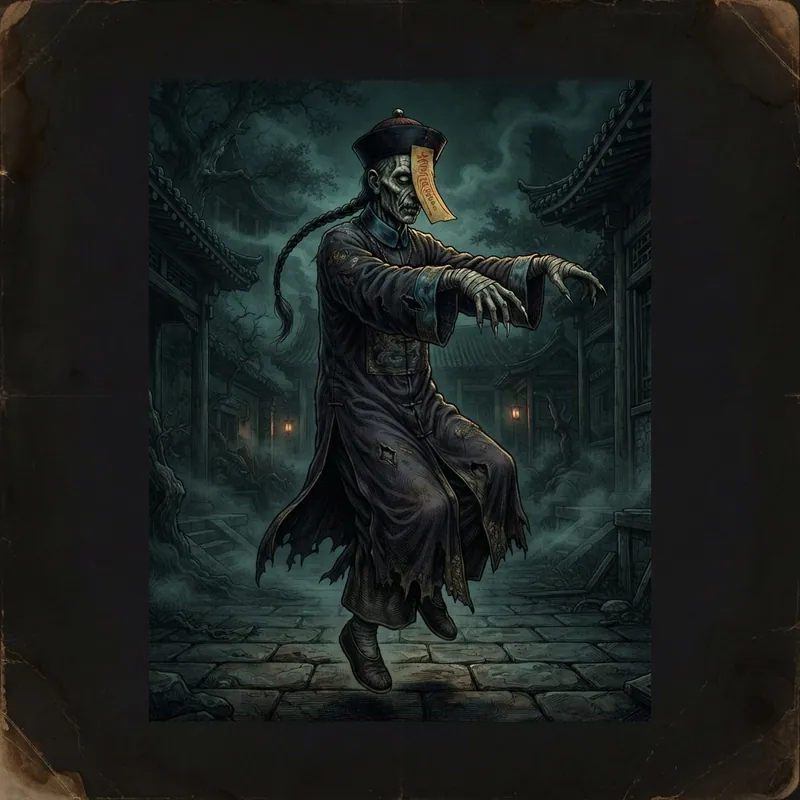
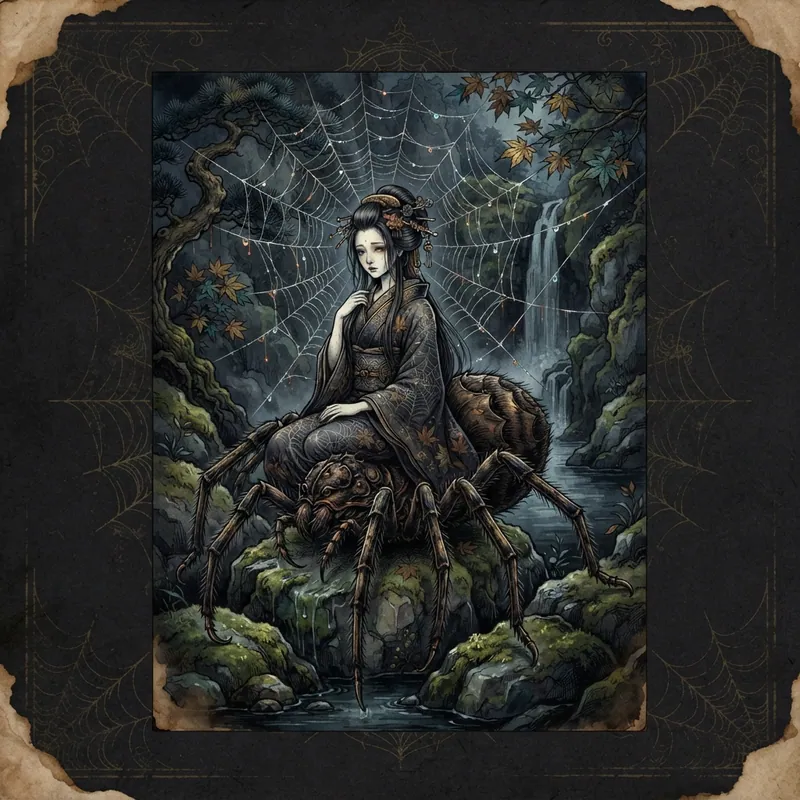
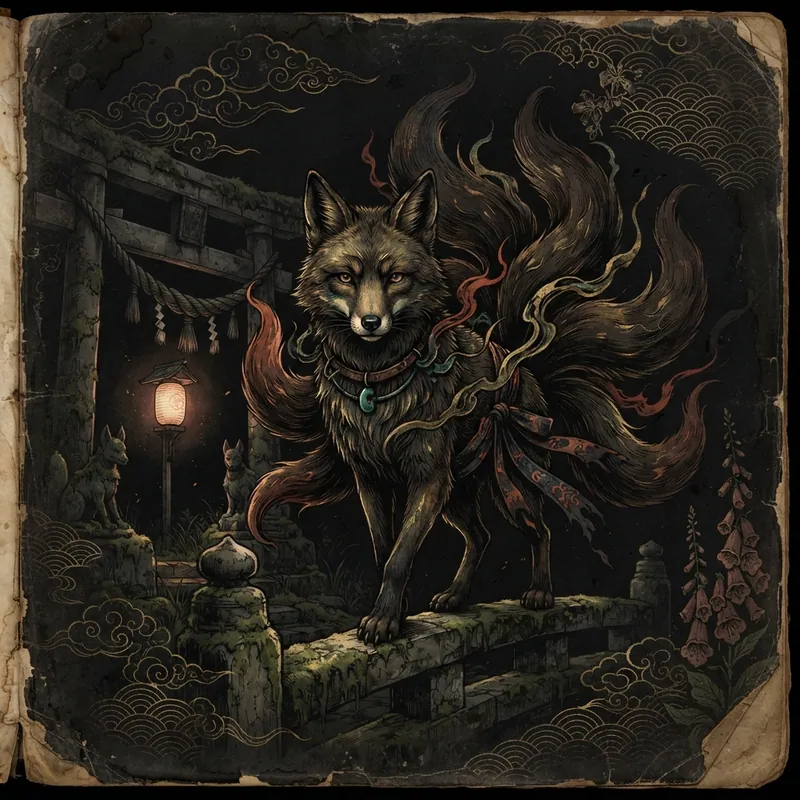
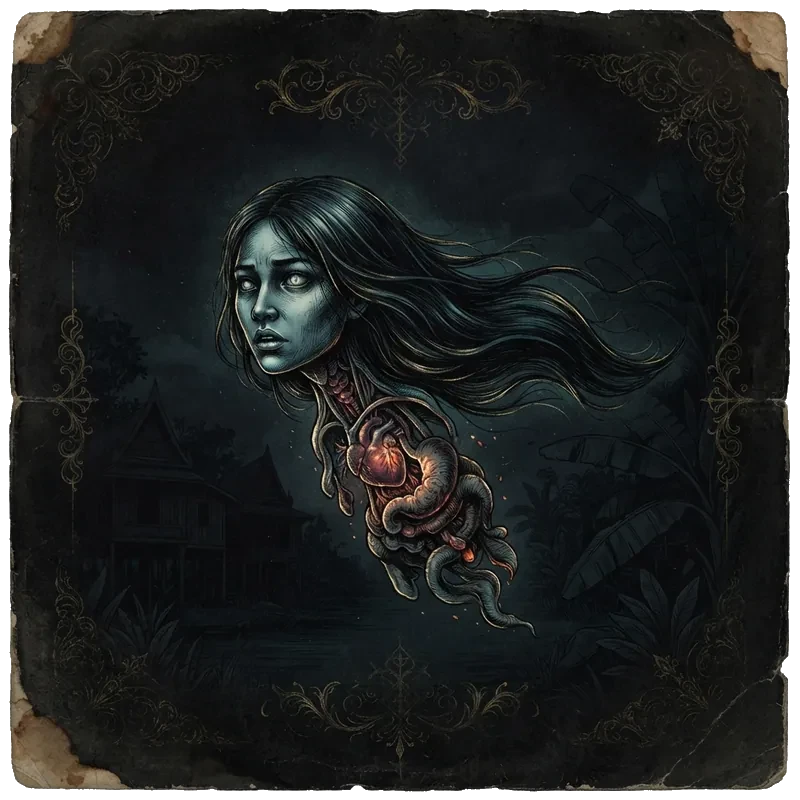
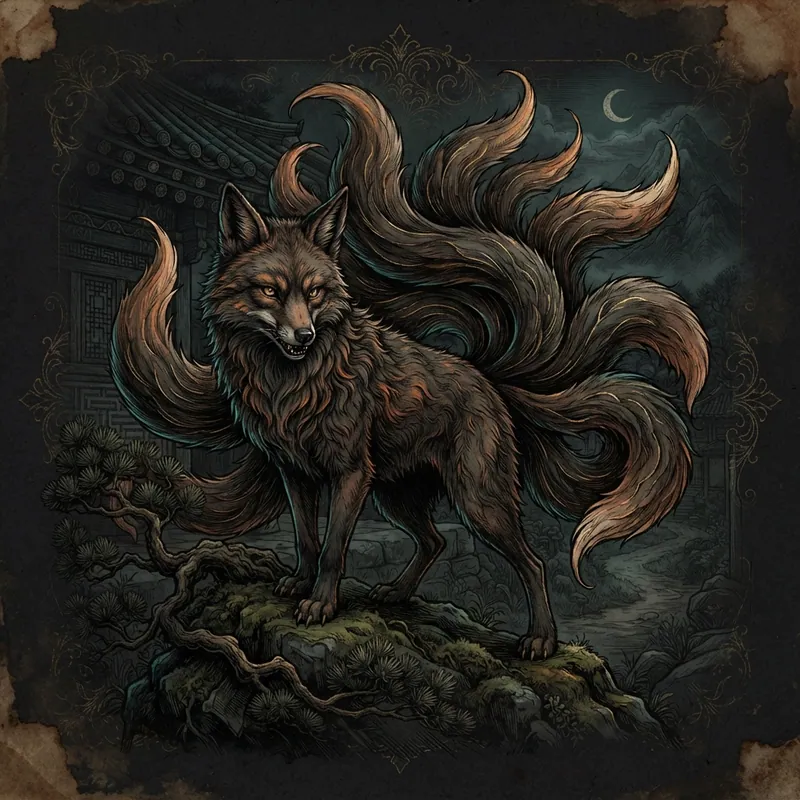
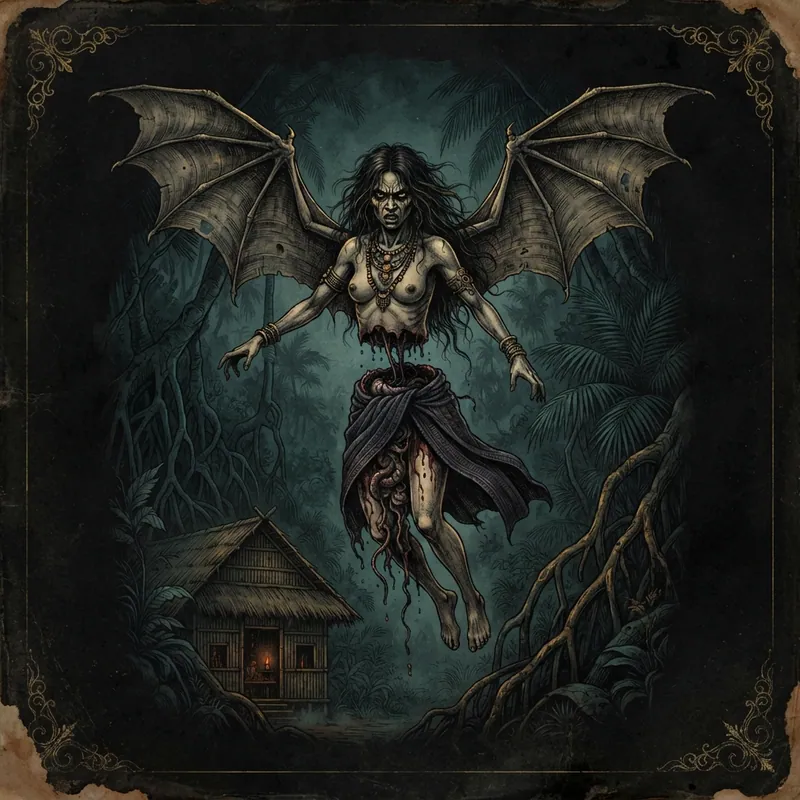
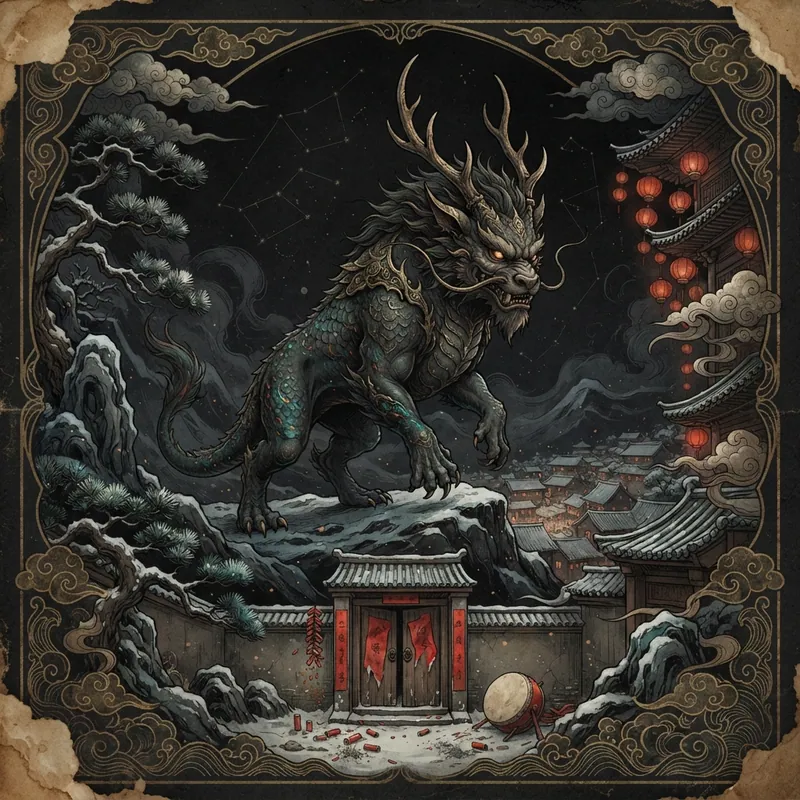
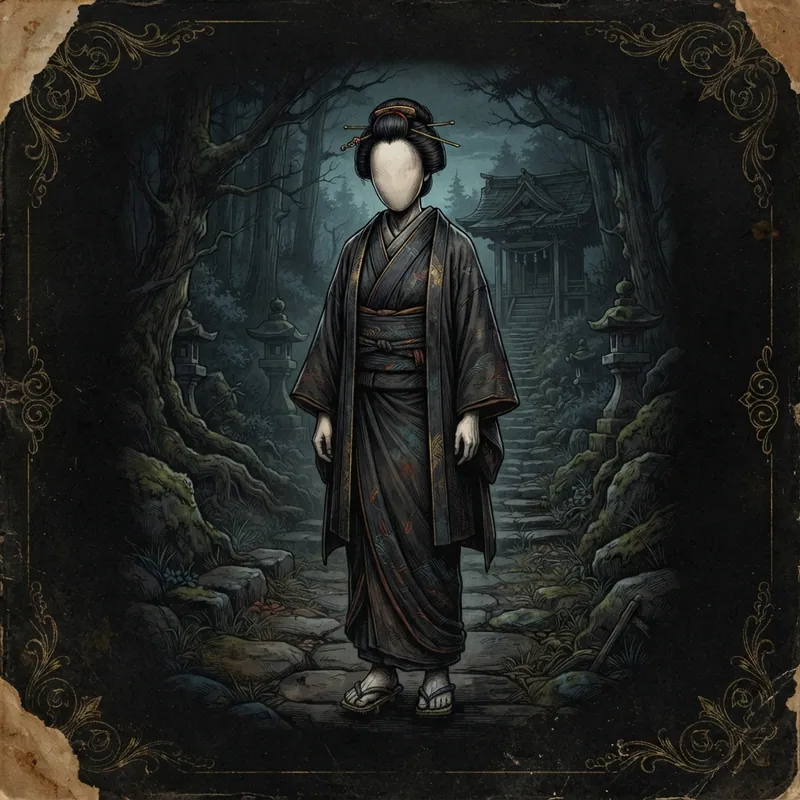
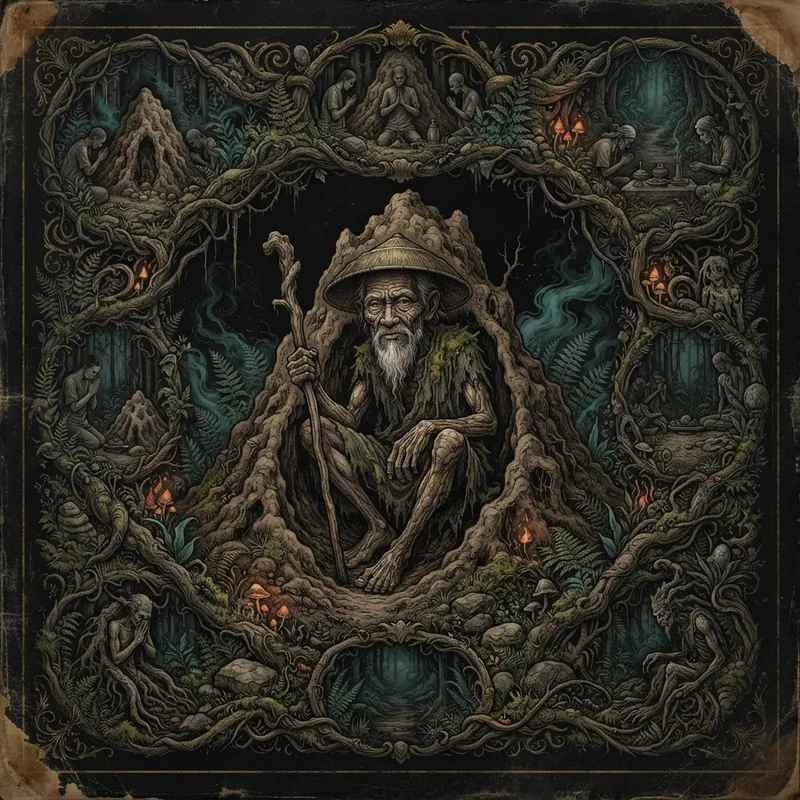
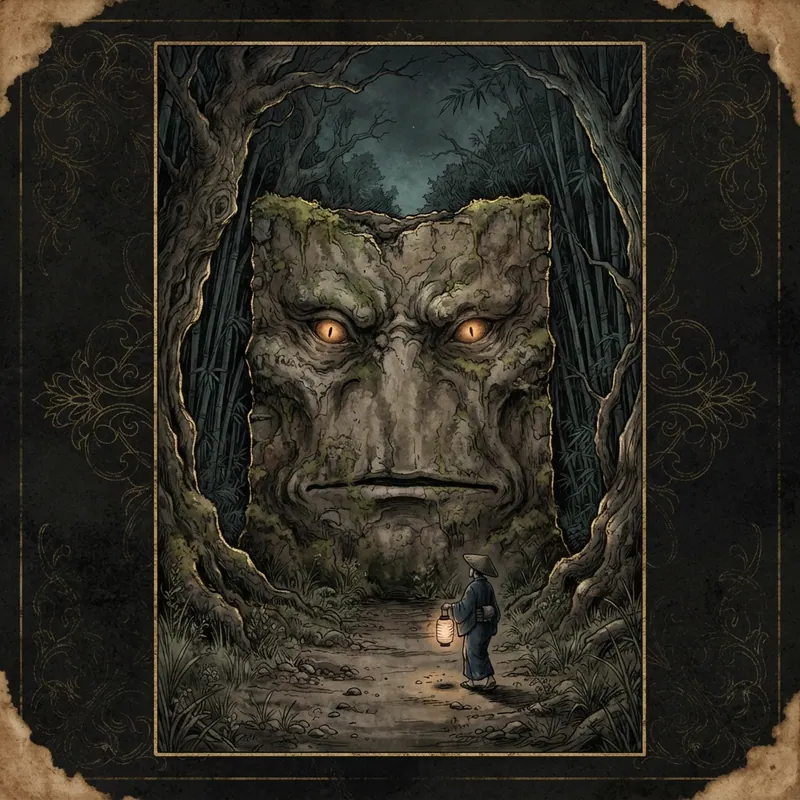
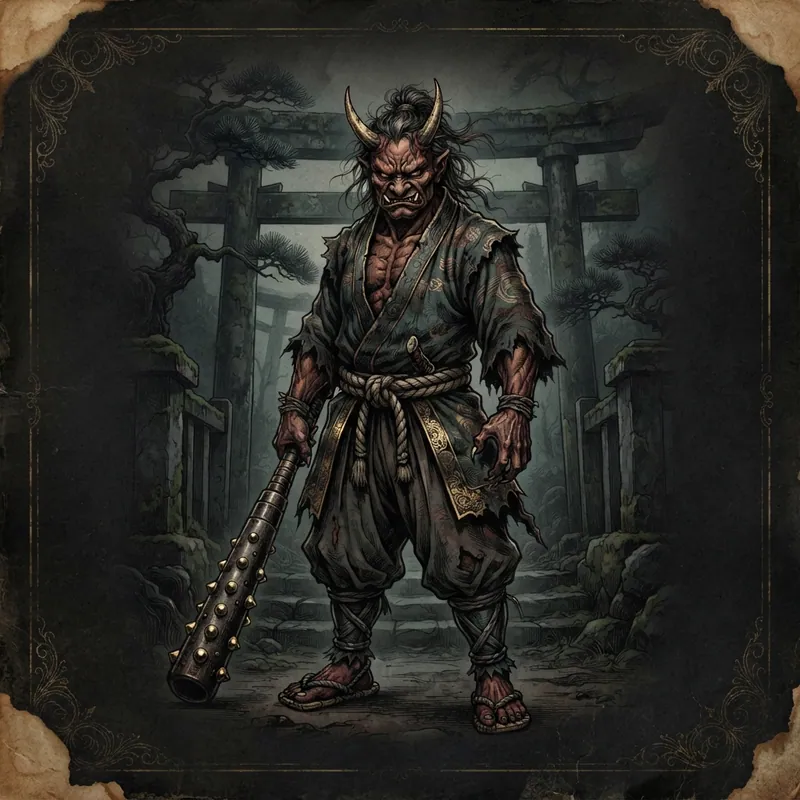
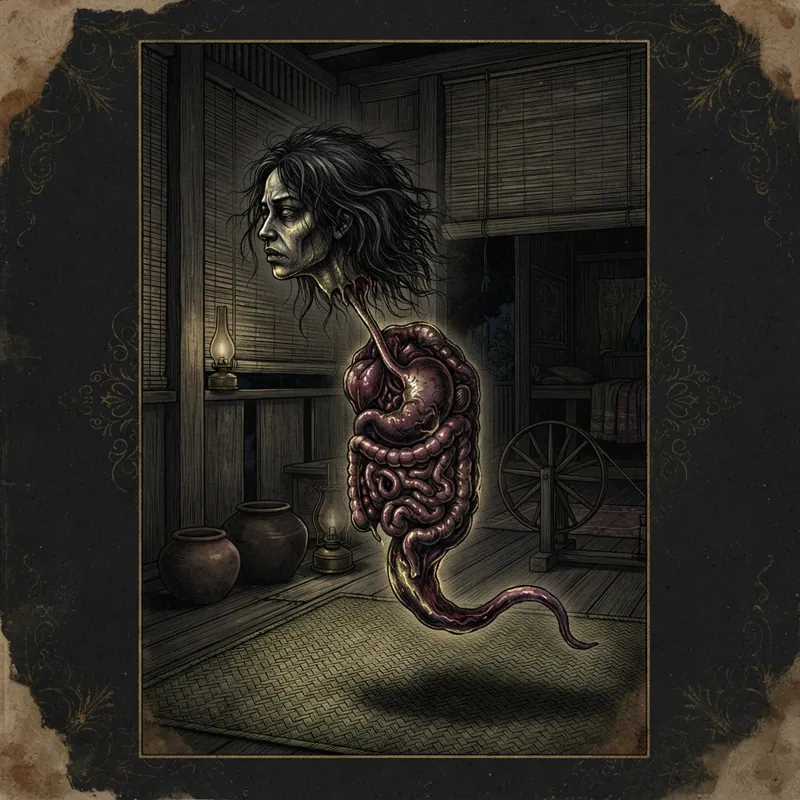
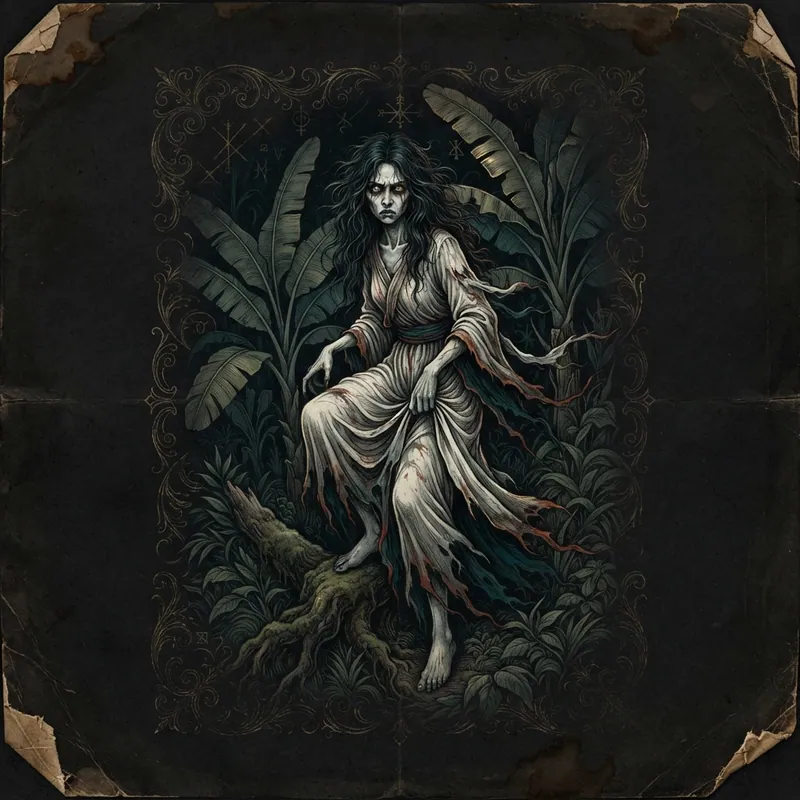
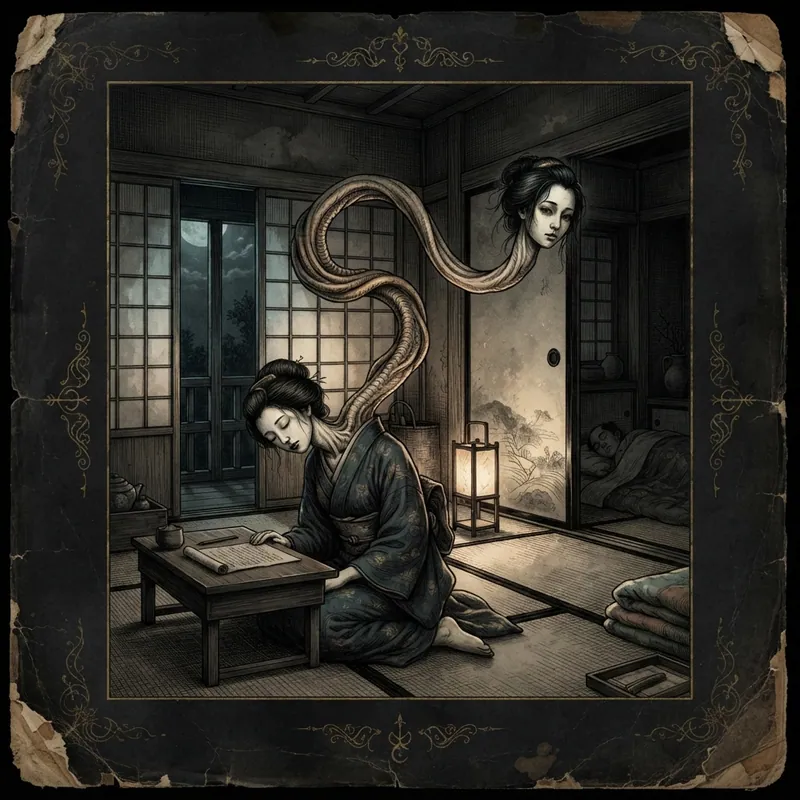
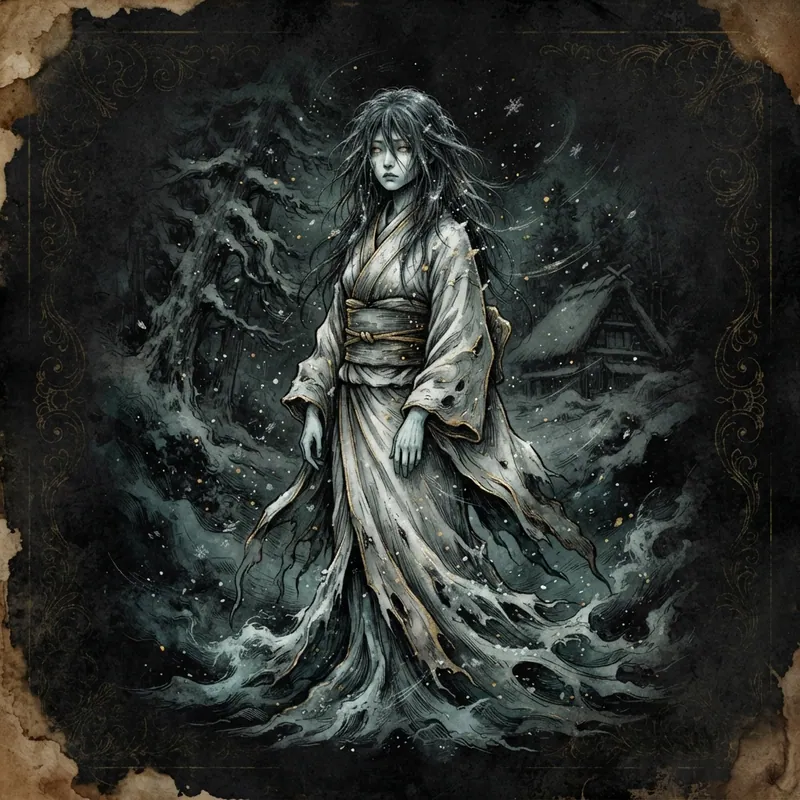
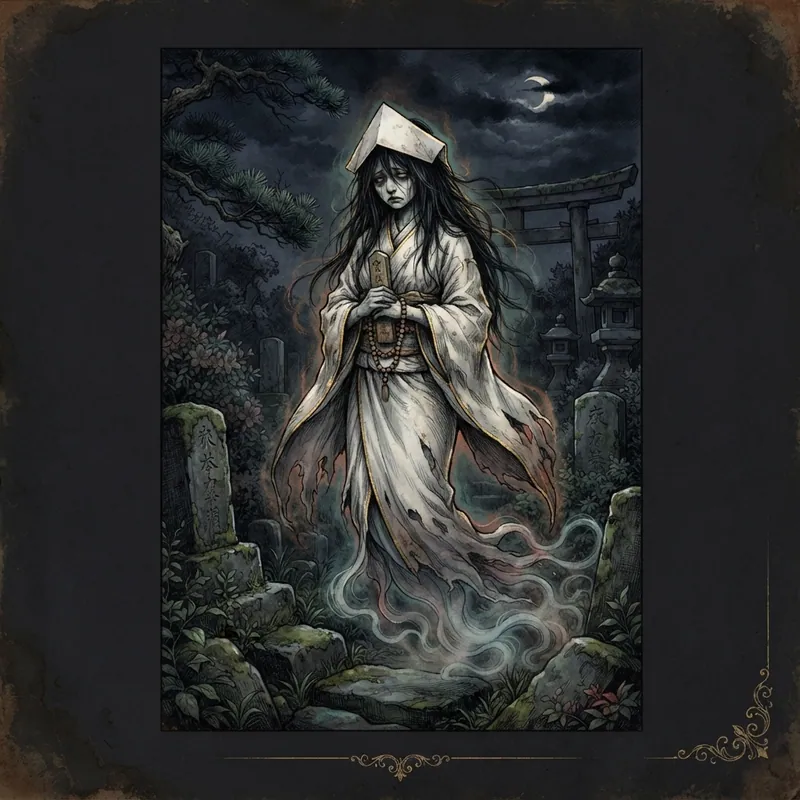
AswangAswang is a broad, regionally varied Philippine category encompassing several frightening beings and stories rather than one fixed creature.DokkaebiNature-spirits or goblin-like beings of Korean folklore formed from old stained objects or arising in the wild—tricksters who punish greed and reward cleverness, not simple demons.Futakuchi-onnaA woman with a second mouth hidden in the back of her head, fed by writhing hair—often framed as a tale of neglected hunger, cruelty, or household injustice.GashadokuroA gigantic skeletal yōkai said to form from the bones of people who died of starvation or in battle without proper rites. Its approach is announced by a rattling, grinding sound.JiangshiA hopping revenant of Chinese folklore and later popular culture, usually tied to a body animated by disrupted death rites or vital force.JorōgumoA spider yōkai in Japanese tradition, often imagined as able to take the form of a woman and lure travellers.KitsuneFox spirits in Japanese tradition, ranging from messengers of Inari to tricksters and lovers in disguise. Age and number of tails mark power; not every kitsune story is malevolent.KrasueA night-spirit figure in Thai and Khmer folklore, associated in many modern retellings with a glowing head travelling through the night.KumihoThe nine-tailed fox of Korean tradition, often more predatory in classical tales than some Japanese kitsune tellings, though modern media softens or romanticises the figure.ManananggalA nocturnal, flying figure in Philippine folklore, often described in regional stories as separating from its lower body to hunt at night.NianA horned New Year beast of Chinese popular legend, said to leave sea or mountain once a year to feed. Firecrackers, drums, and the colour red are remembered as the wards that drive it off.Noppera-bōThe faceless ghost of Japanese urban and roadside lore, often appearing first as an ordinary person before revealing a smooth, featureless face—a jolt more than a long chase.Nuno sa PunsoThe ‘old one of the mound’: a Philippine ancestral earth spirit dwelling in anthills and termite mounds. People ask leave before passing. Disturbance brings illness; respect keeps the ground quiet.NurikabeA yōkai that appears as an invisible or plaster-like wall, blocking travellers at night. Folklore remedies include tapping the base; the joke and the dread share the same obstacle.OniOgre-like beings in Japanese storytelling and festival imagery, associated with punishment, otherworldly strength, and the driving-out of misfortune (as in Setsubun). Many local and literary variants exist.PenanggalanA Malay nocturnal being, often a midwife or woman practicing dark arts, whose head and entrails detach to hunt. Related to but distinct from the Philippine manananggal.PontianakA female ghost figure found in Malay-language folklore, with local versions and names that shift across the region.RokurokubiA yōkai whose neck stretches enormously at night while the body sleeps or sits still. Some tellings treat the person as unaware; others as knowing and predatory.Yuki-onnaThe snow woman of Japanese folklore, appearing in mountain storms as a beautiful, deadly figure of cold. Motives range from predation to strange mercy depending on the tale.YūreiSpirits of the dead that linger for unresolved reasons — often bound to places, objects, or grudges — until the matter that holds them is finally settled.
 ◎
◎ ☾
☾ ☾
☾ ✦
✦ ✦
✦ ◎
◎ ◎
◎ ☾
☾ ◎
◎ ◎
◎ ☾
☾ ◎
◎ ⌂
⌂ ☾
☾ ☾
☾ ☾
☾ ✦
✦ ☾
☾ ☾
☾ ◌
◌Eastern Europe · 7
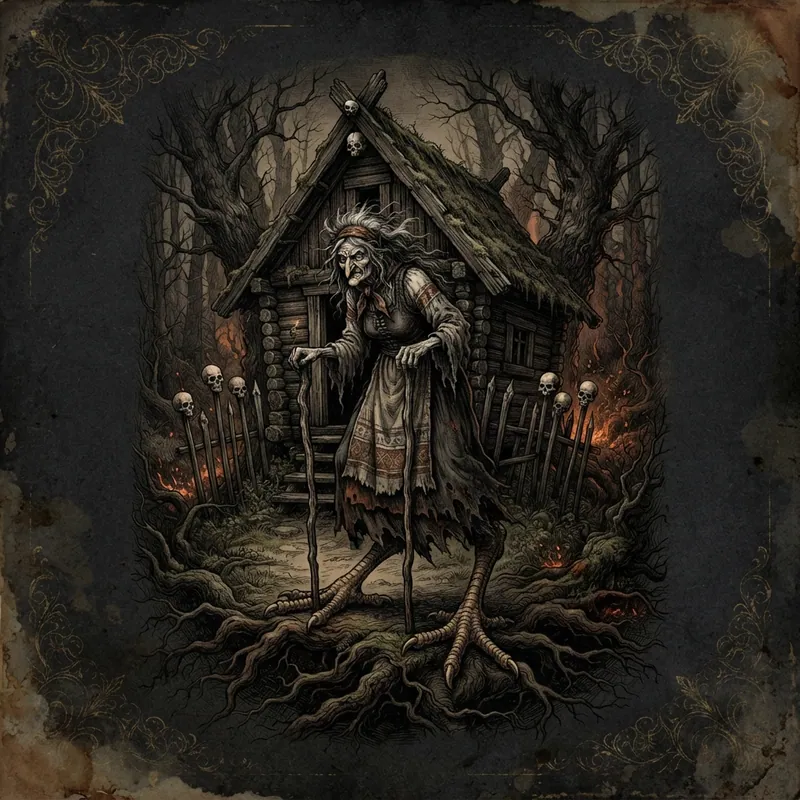
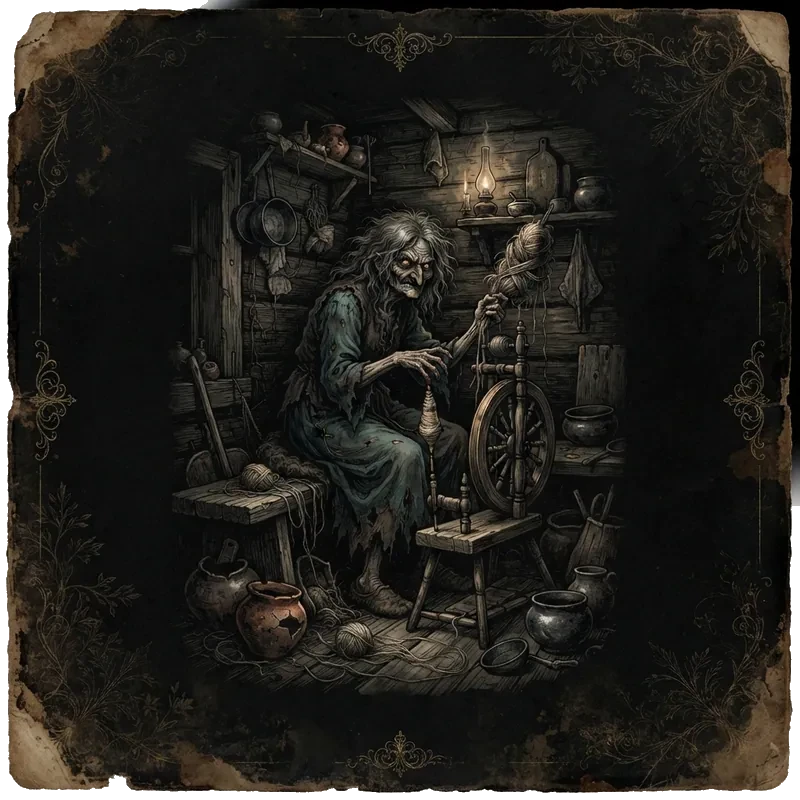
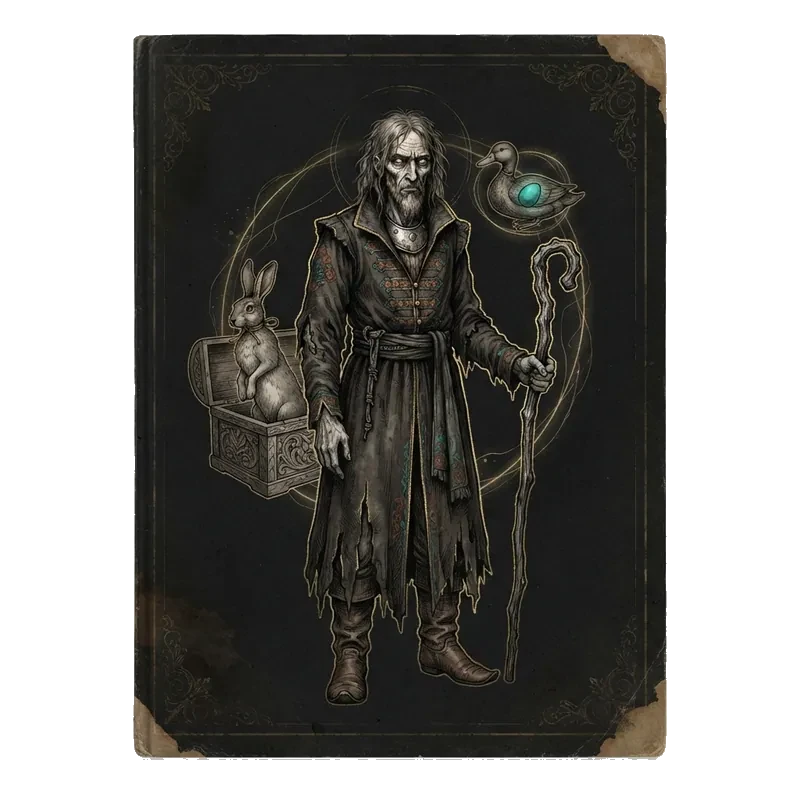
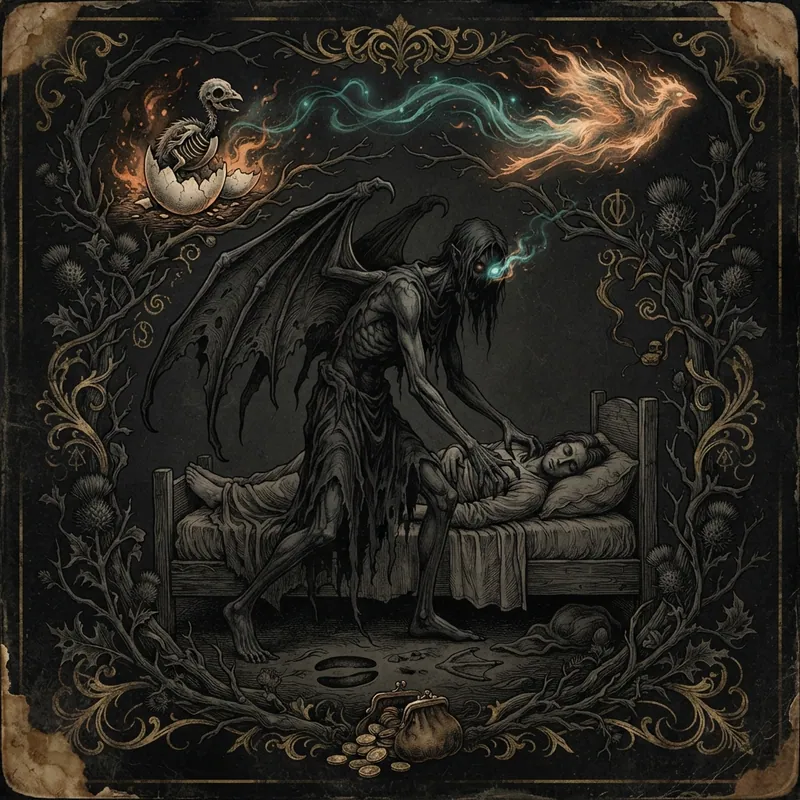
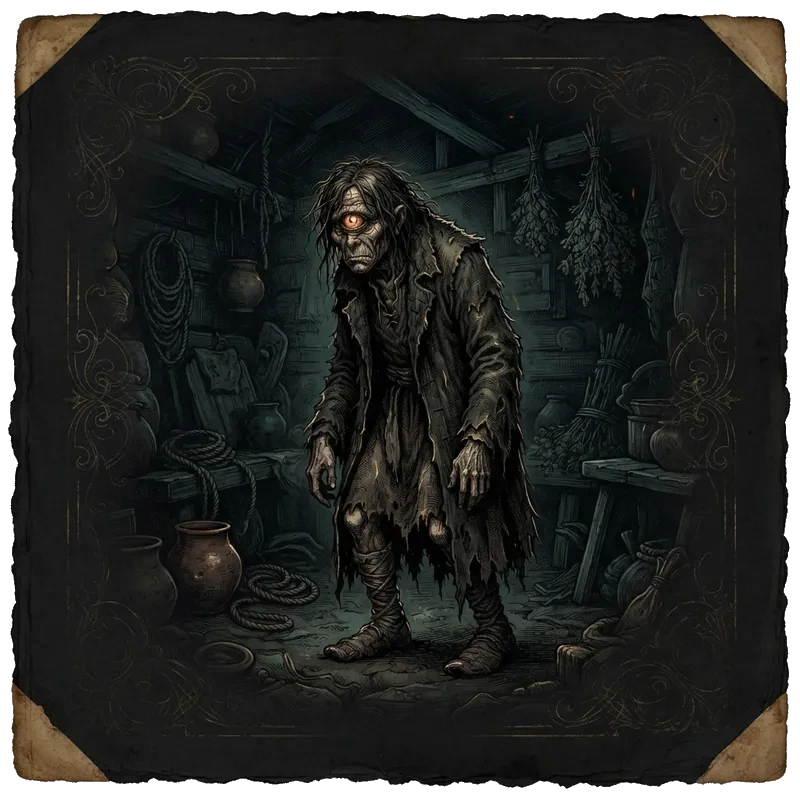
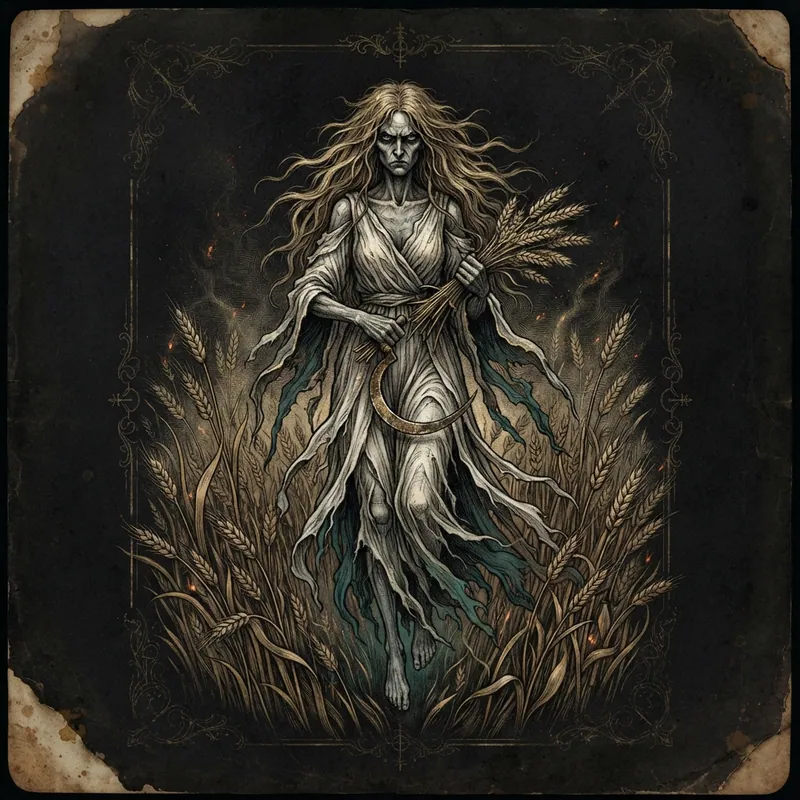
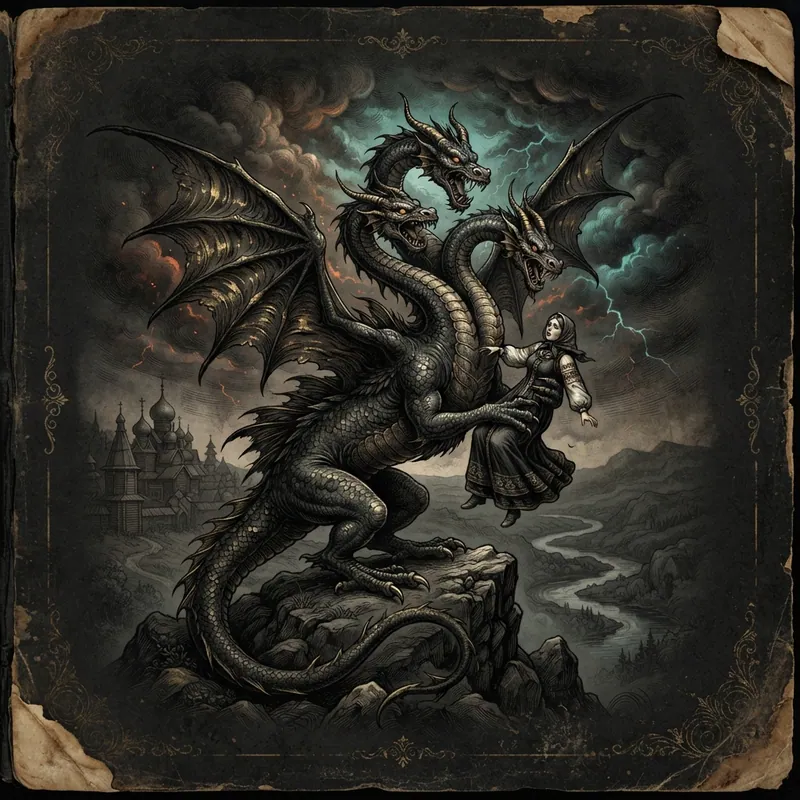
Baba YagaA formidable old woman of Slavic folktales whose hut stands on chicken legs. She can threaten, test, or aid a traveller; no single telling contains her.KikimoraA domestic spirit in Slavic folklore, sometimes linked with unfinished household work, night noises, and unease inside the home. Tellings differ on whether she is merely mischievous or actively harmful.Koschei the DeathlessA recurring antagonist of East Slavic wonder tales whose life is hidden outside his body—often in nested objects—so he cannot be killed by ordinary means. A story figure more than a village belief.LidércA Hungarian night visitor that may be hatched as a miracle chicken, fly as a fiery light, or press the sleeper as an incubus. Wealth and longing arrive together; the keeper seldom keeps both life and gold.LikhoPersonified misfortune in East Slavic tradition, sometimes imagined as a one-eyed being that attaches itself to a household or traveller. Related to ideas of fate and doom rather than a single fixed monster.PołudnicaThe noon-lady or Lady Midday of Slavic agricultural folklore, said to appear in the fields at the hottest hour and punish or bewilder those who work through the dangerous heat.ZmeyA dragon or serpent figure across Slavic storytelling (zmey, zmaj, smok), sometimes a storm-bringer, sometimes a shapeshifting abductor of maidens, sometimes a guardian. Local names and morals diverge widely.
 ♧
♧ ⌂
⌂ ☾
☾ ☾
☾ ✧
✧ ✧
✧ ◎
◎Europe & the North · 18
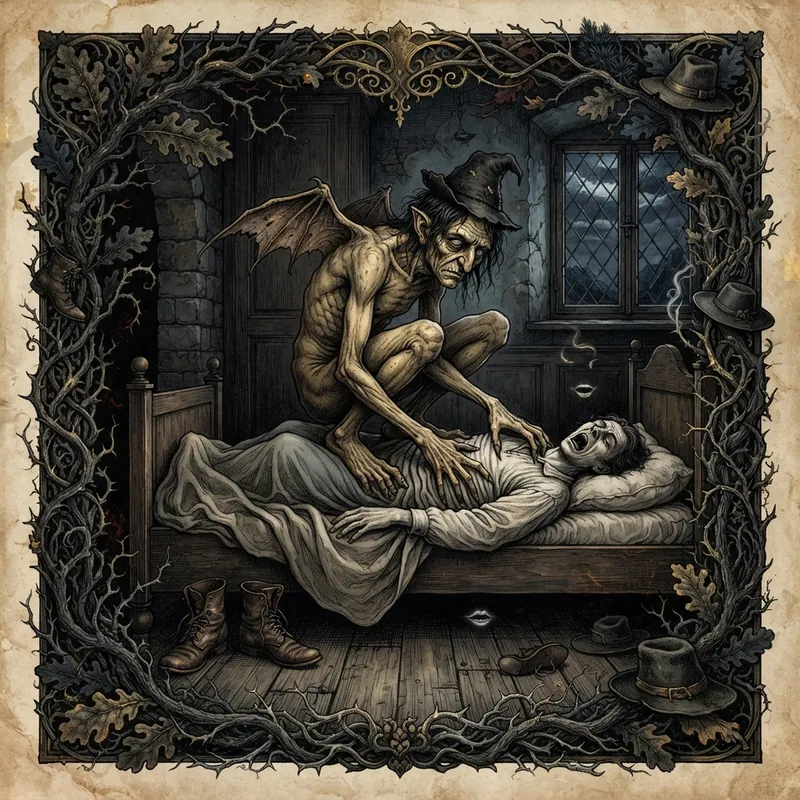
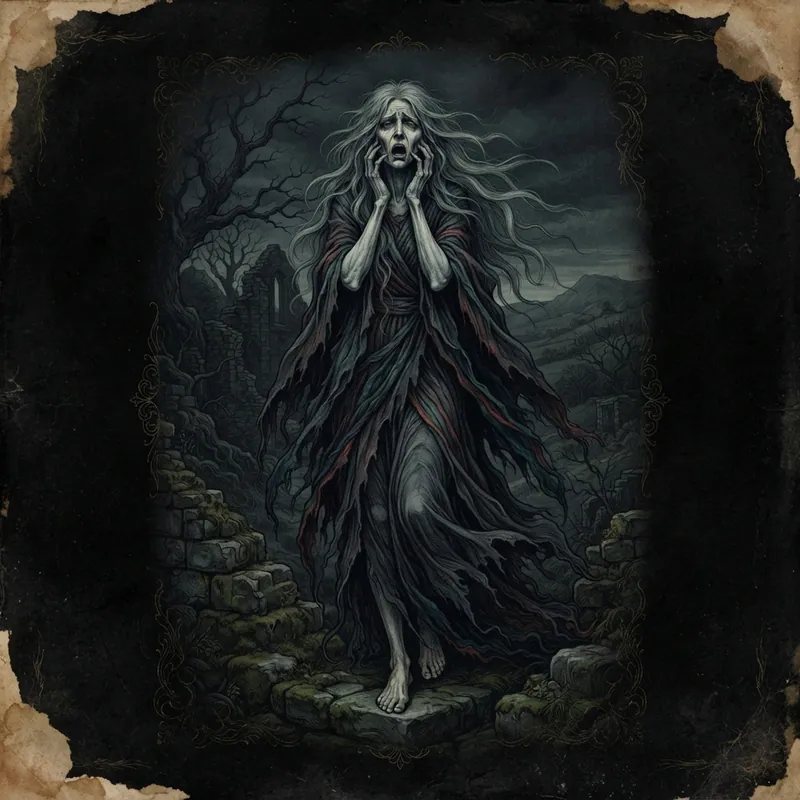
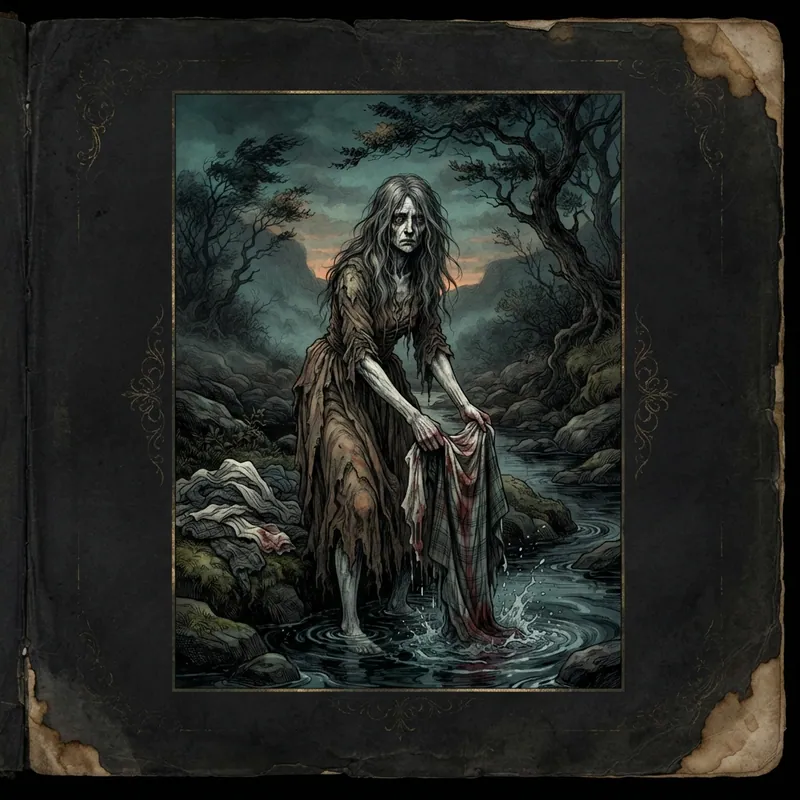
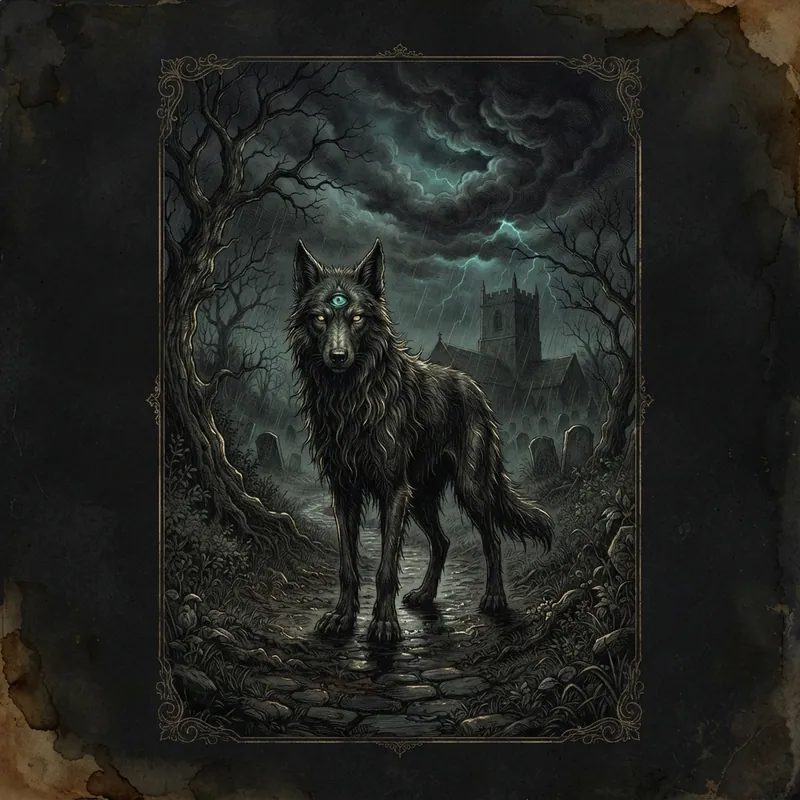
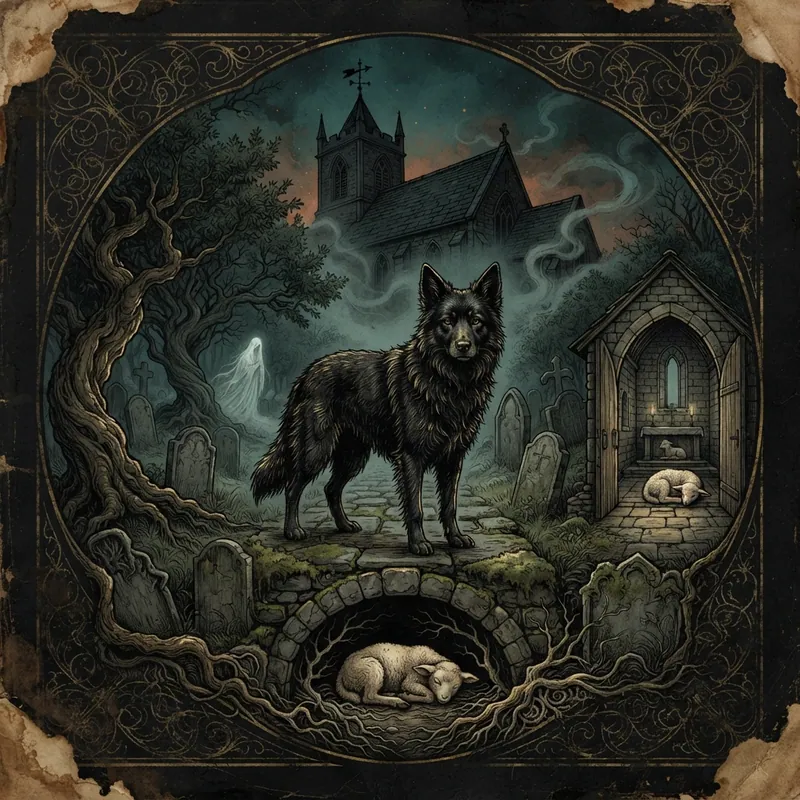
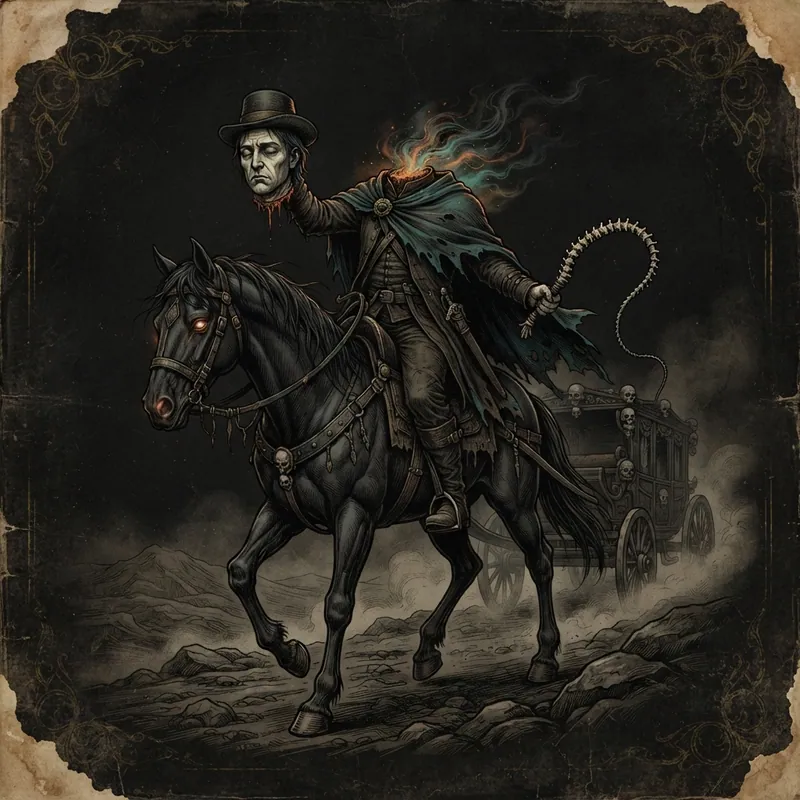
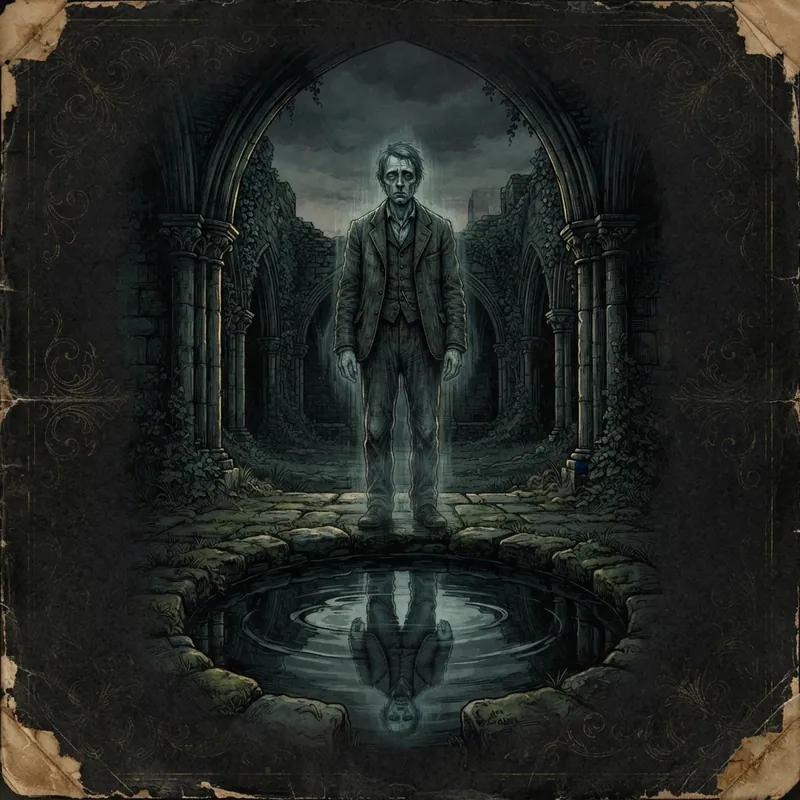
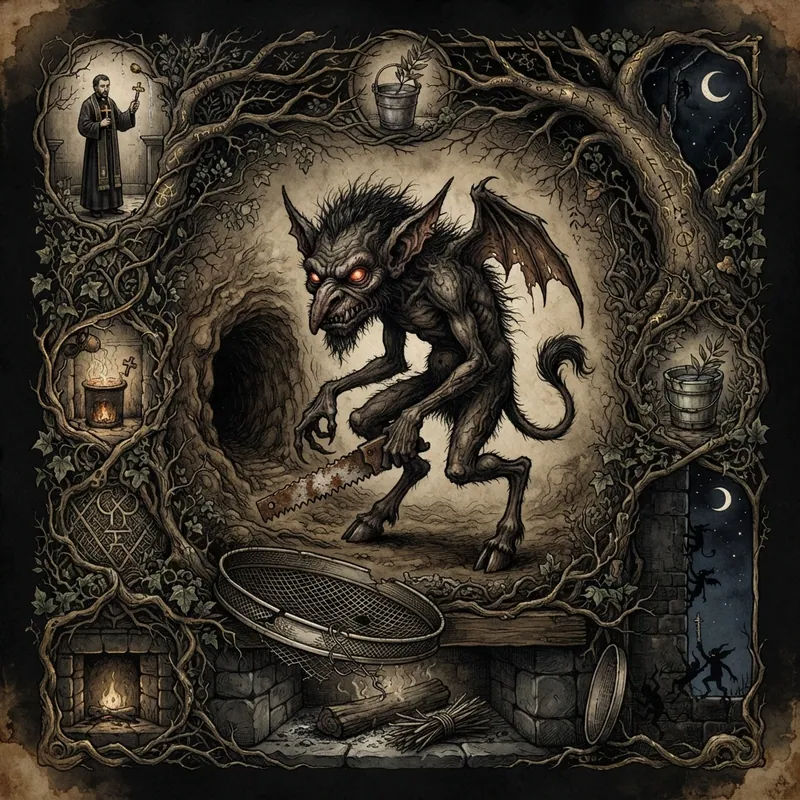
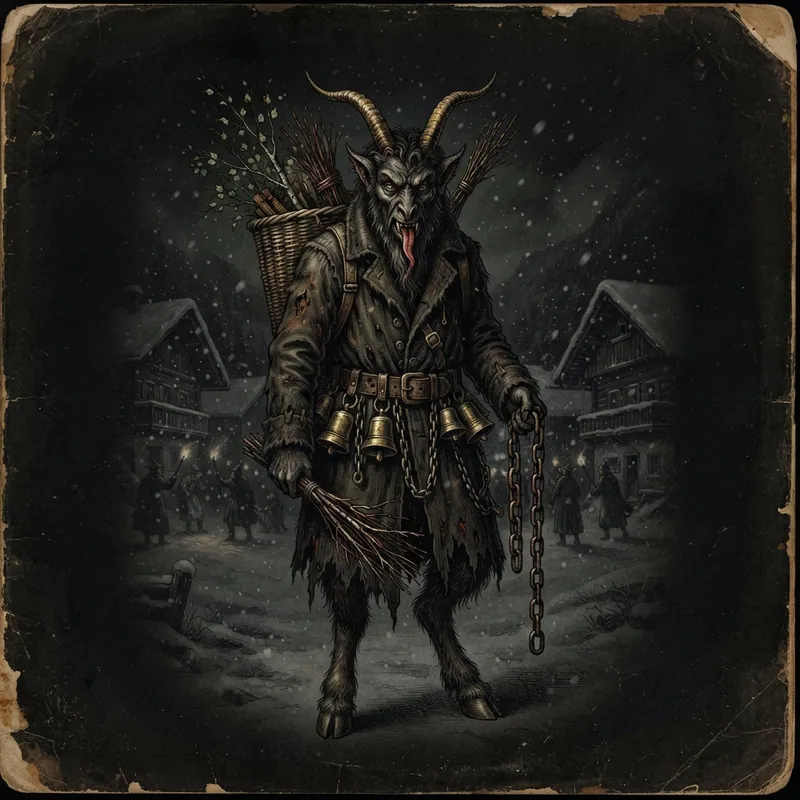
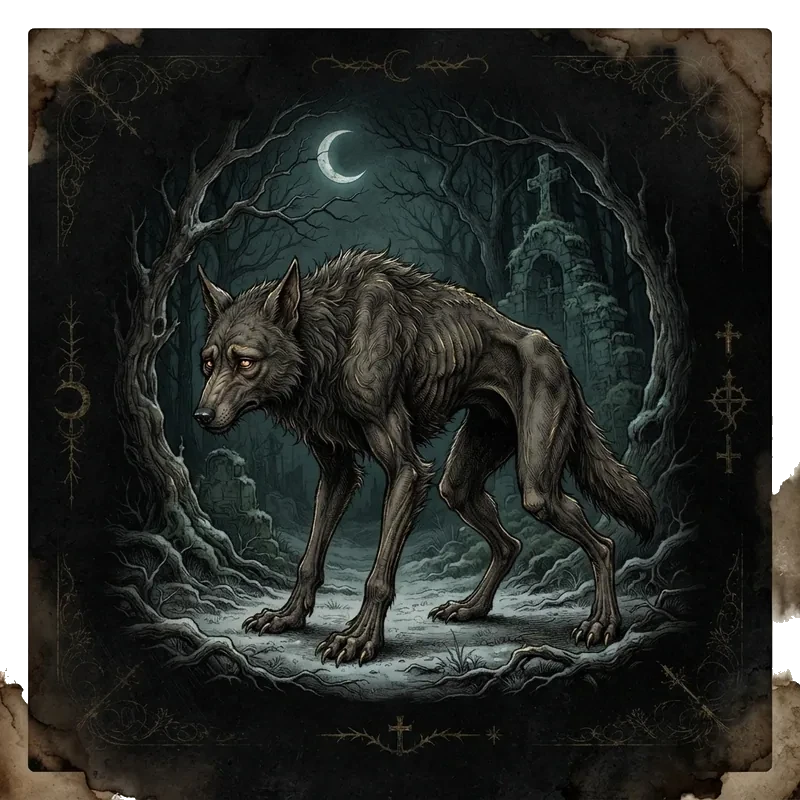
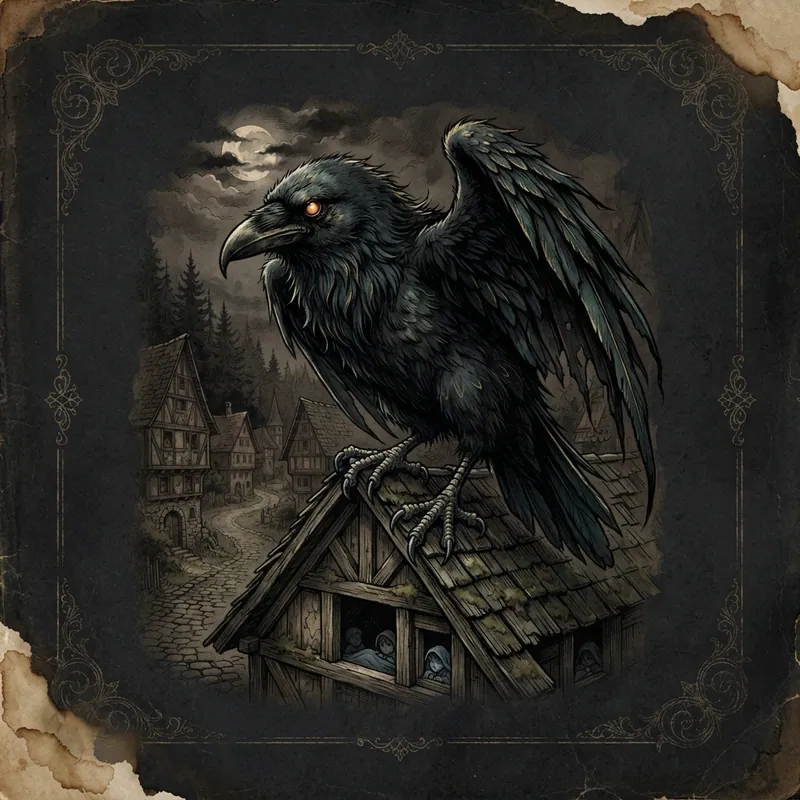
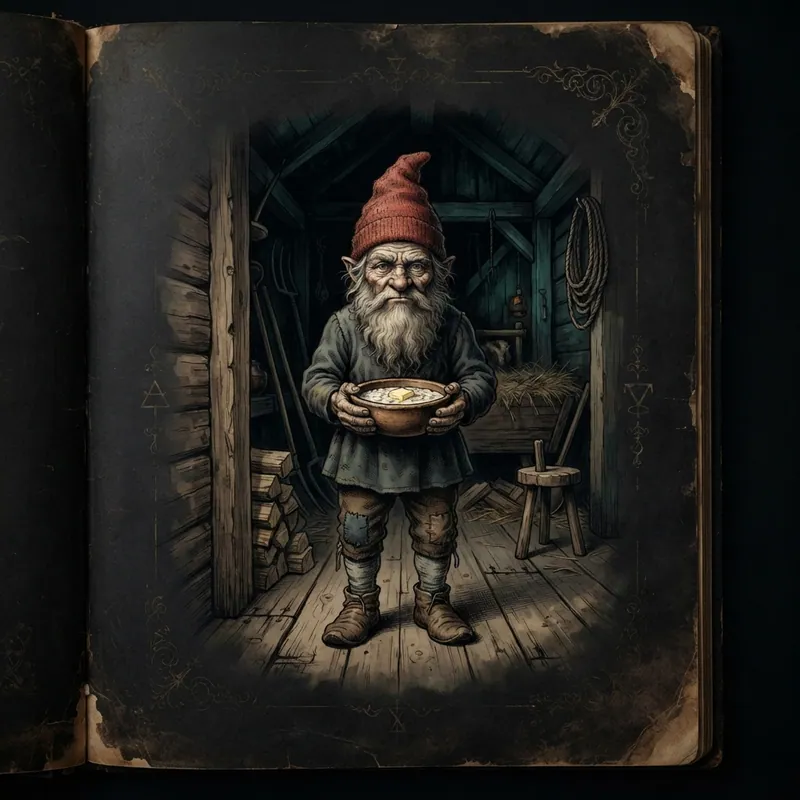
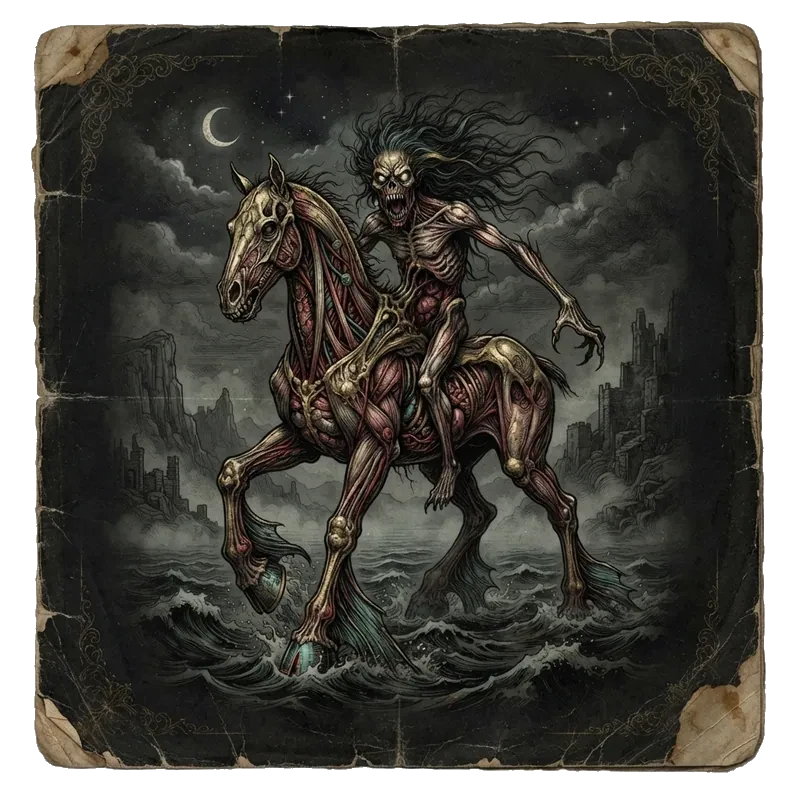
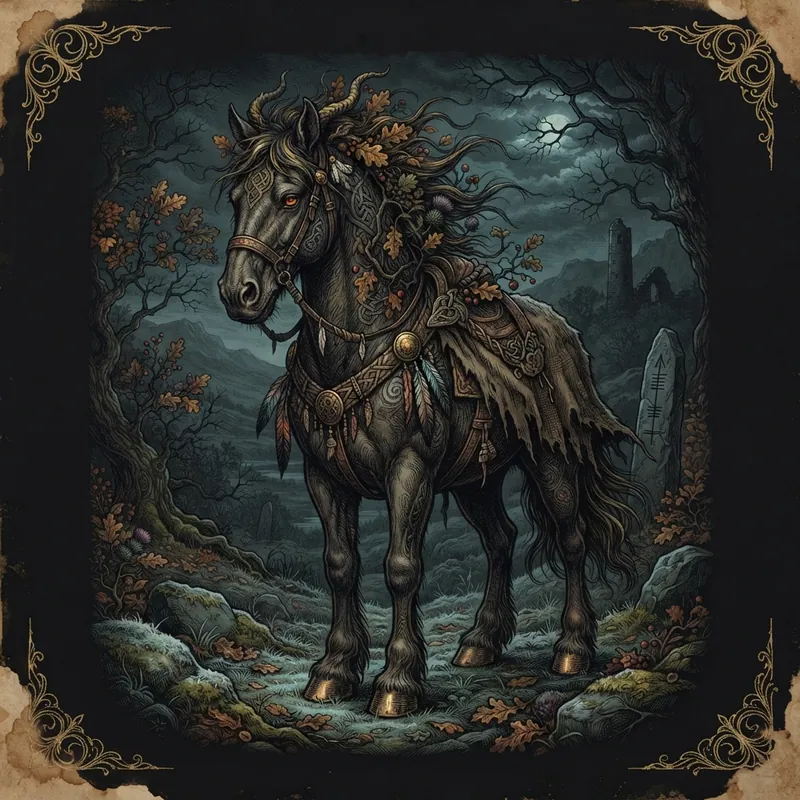
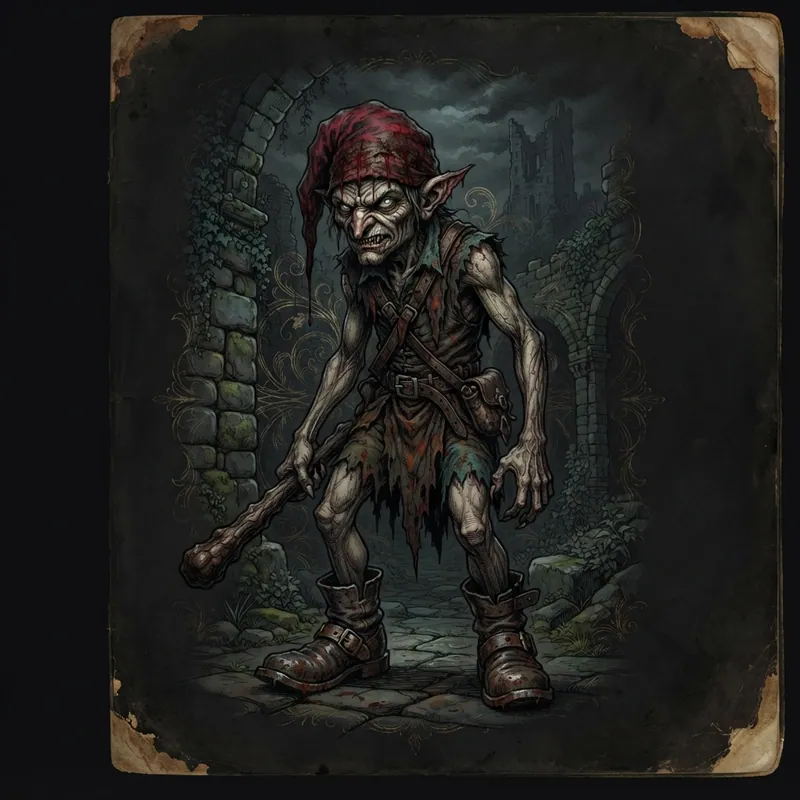
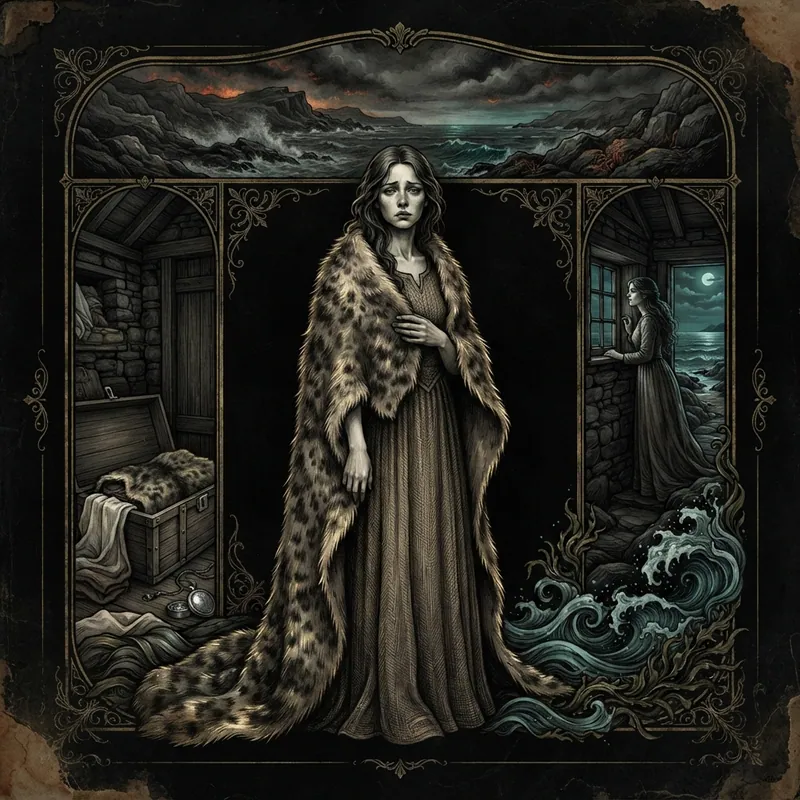
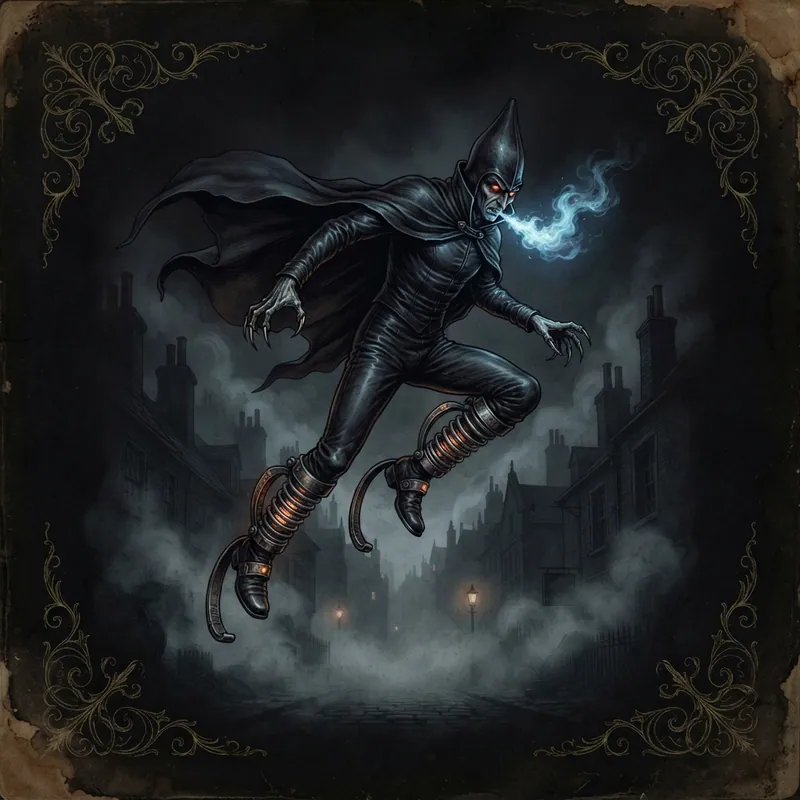
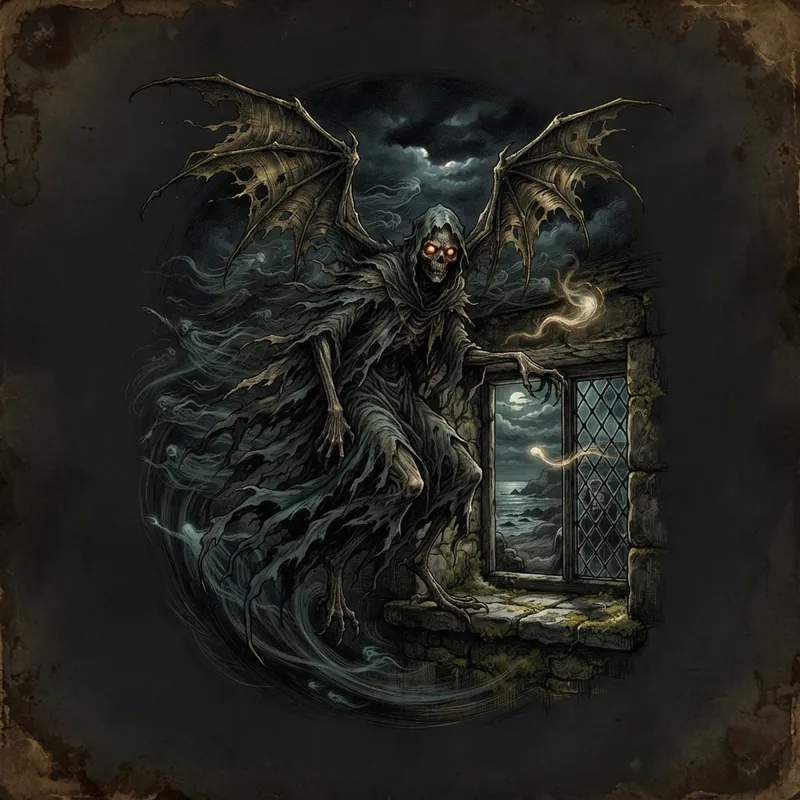
AlpIn German folklore an alp is a typically male night-presser, kin to the elf, that sits on sleepers and sends Alpdruck. Distinct from the mara, though both explain the same crushed waking.BansheeA woman of the Irish and Scottish Otherworld whose mournful cry is said to foretell a death in certain families — a herald, not a killer.Bean NigheThe washing woman of Scottish Gaelic tradition, a type of death messenger related to the banshee complex, seen laundering the clothes of those about to die.Black ShuckA spectral black dog of East Anglian folklore, often linked in stories to storms, churchyards, and ominous encounters.Church grimGuardian spirit of a church and churchyard in English and Scandinavian folklore, often a black dog, sometimes a church-lamb. Protector of consecrated ground, easily confused with omen-dogs such as Black Shuck.DullahanA headless harbinger in Irish folklore, often riding a black horse or driving a death-coach. Where he stops, a death is said to follow; gold may force him away in some tellings.FetchA spectral double in Irish tradition whose appearance can foretell death or crisis. Related to wider European doppelgänger lore but rooted in Irish naming and omen practice.KallikantzarosGreek and Anatolian Christmas goblins who spend the year sawing the world-tree underground and climb out only for the Twelve Days. Epiphany water and a kept fire send them home.KrampusA horned, frightening companion figure in Alpine seasonal customs and parades, whose modern image has travelled far beyond its local traditions.Loup-garouThe French werewolf tradition, including New World Francophone variants. Sometimes framed as punishment or unfulfilled penance rather than a bite-transmitted Hollywood curse.NachtkrappA night-raven bogey of German-language folklore used to frighten children into staying in bed. Part of a wider European family of night-bird warnings.NisseA farm guardian spirit (nisse/tomte) of Nordic tradition who protects the homestead if treated with respect—especially a bowl of porridge at Christmas—and sabotages it if insulted.NuckelaveeA terrifying, skinless horse-and-rider figure in Orcadian folklore, remembered in stories as a force of disease and devastation.PúcaA mercurial shape-changing being in Irish folklore, sometimes frightening, sometimes helpful, and rarely reducible to a single moral.RedcapA murderous goblin of Anglo-Scottish border castles, said to dye his cap in blood. Associated with ruined strongholds and violent histories rather than gentle household brownie lore.SelkieSeal-folk of Orkney, Shetland, and neighbouring Scottish coasts who become human by shedding a skin. Stories of stolen skins and captive spouses are the heart of the tradition, not a monster hunt.Spring-heeled JackA nineteenth-century English panic figure reported leaping extraordinary heights, clawing, and breathing blue flame in popular press accounts. Folklore, hoax, and urban fear braided together.The SluaghIn Gaelic lore, a host of restless dead said to fly in from the west and attempt to claim souls of the dying. Windows on the west side were sometimes watched with care.
 ☾
☾ ✧
✧ ✧
✧ ✧
✧ ⌂
⌂ ✧
✧ ✧
✧ ☾
☾ ☾
☾ ◎
◎ ☾
☾ ⌂
⌂ ☾
☾ ◎
◎ ☾
☾ ◎
◎ ◒
◒ ☾
☾Oceania & the Pacific · 2
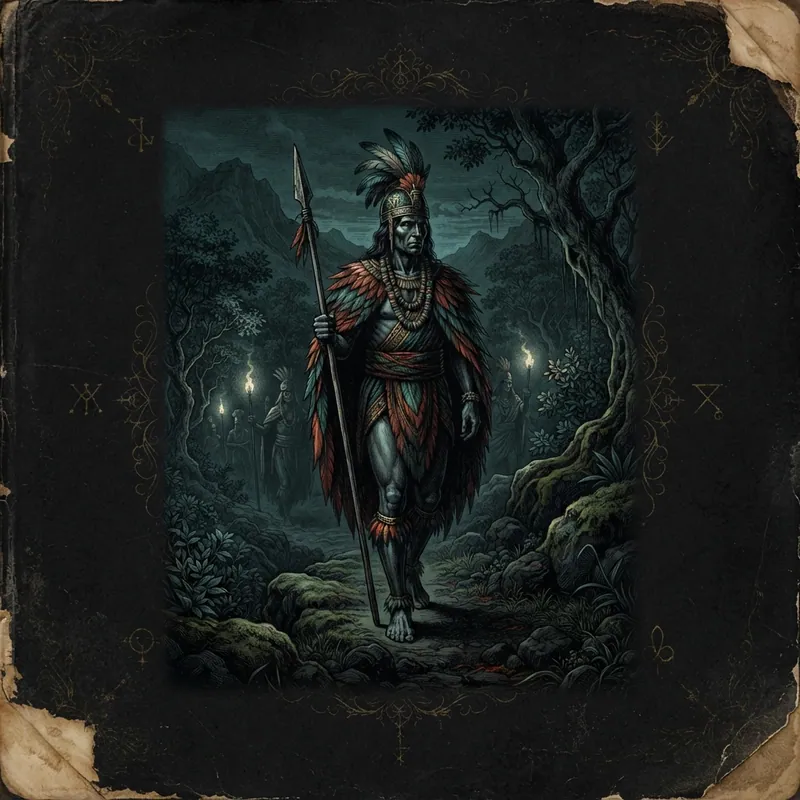
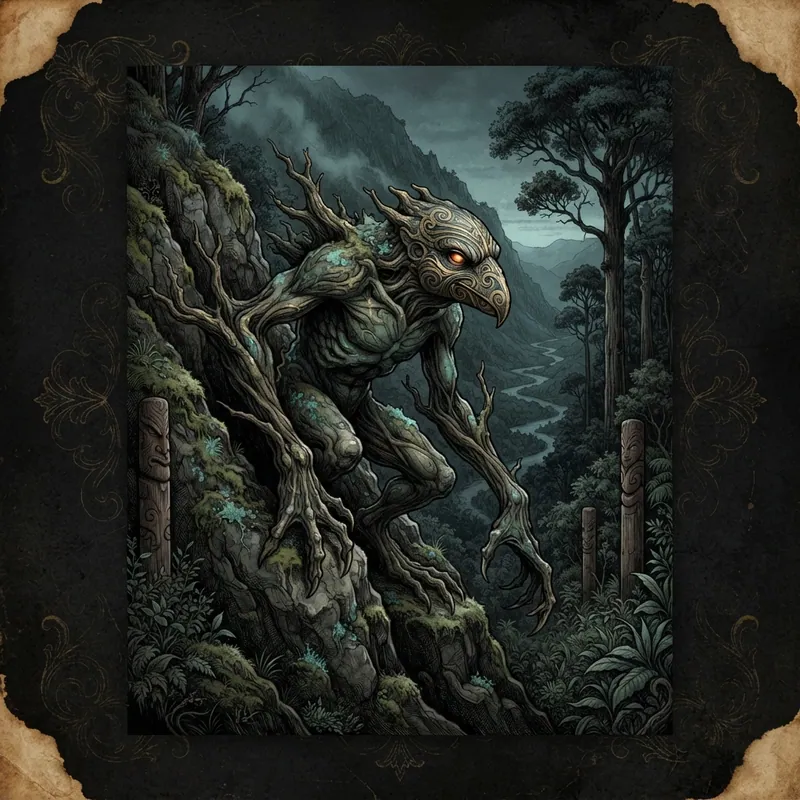
Night MarchersA supernatural procession in Hawaiian storytelling, often treated with serious respect. This entry points outward rather than pretending a living sacred tradition is simply a scare story.TipuaIn Māori tradition, tipua can be supernatural beings or uncanny animated objects and places. Meanings are specific to whakapapa and locale; treat as knowledge, not a catch-all cryptid.
 ☾
☾ ◎
◎South Asia · 5
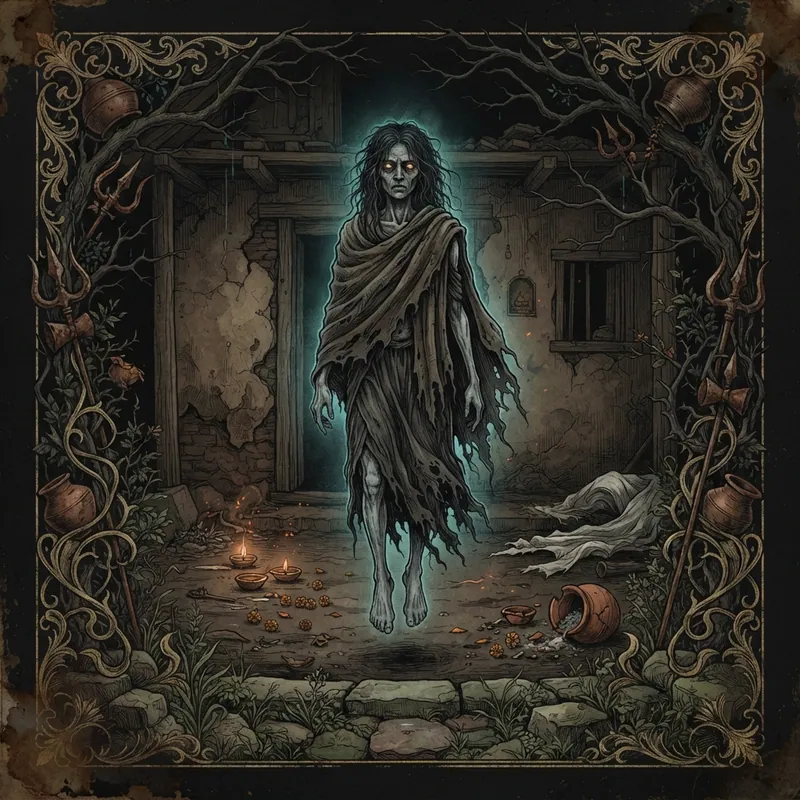
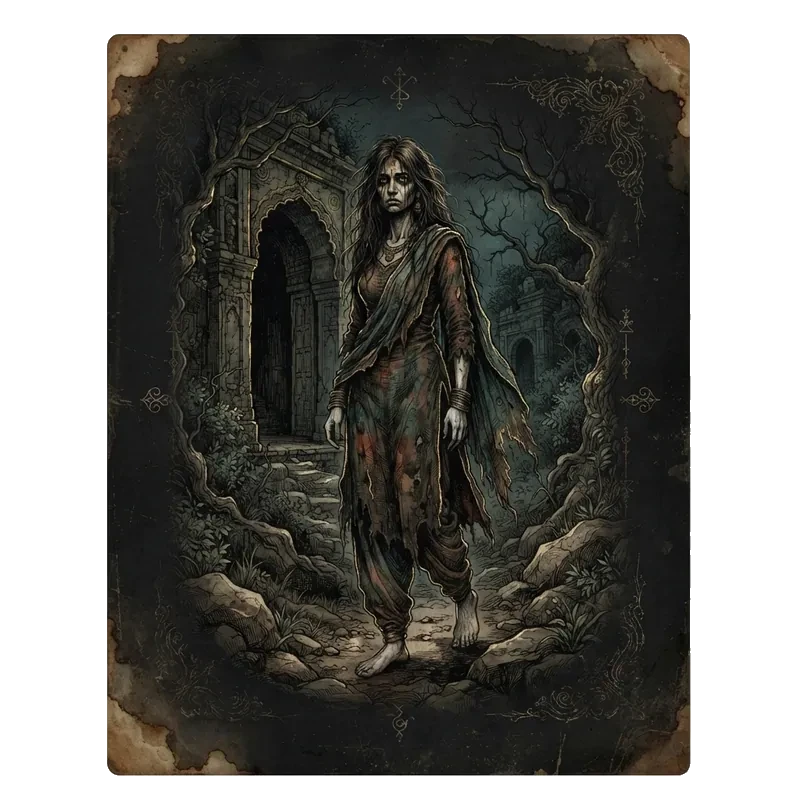
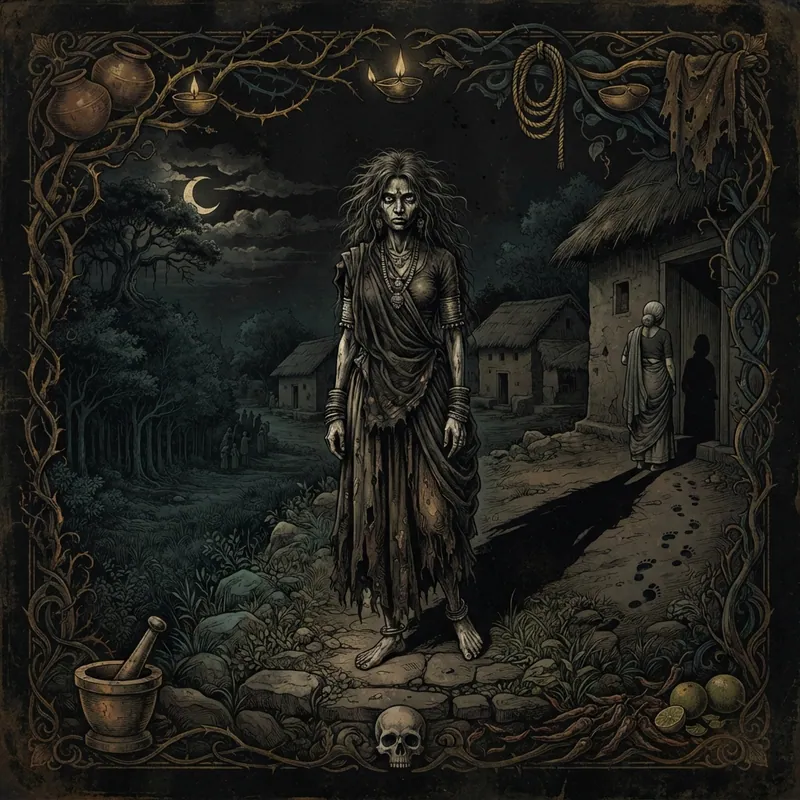
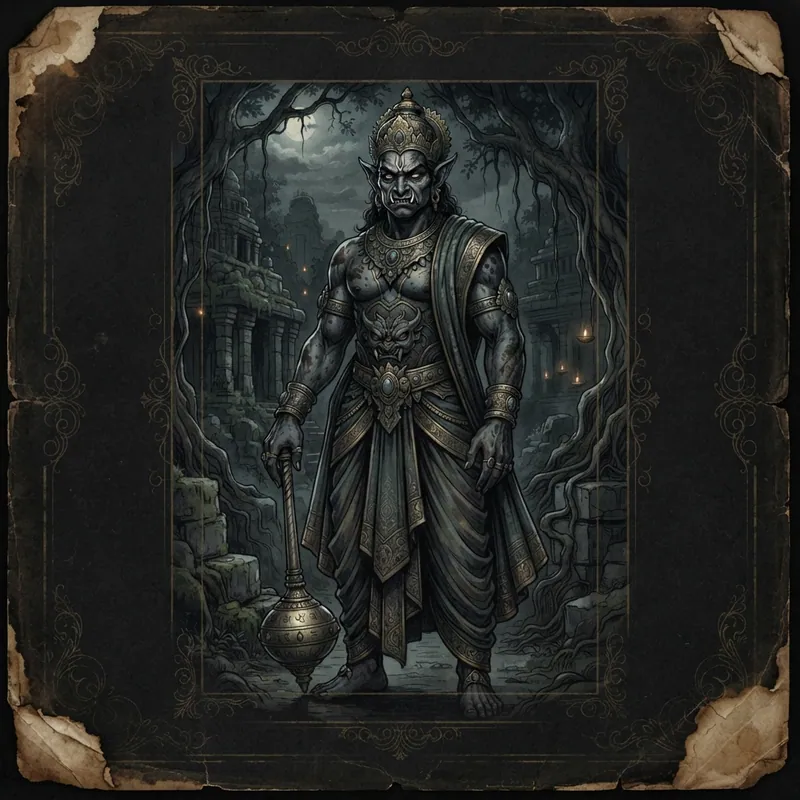
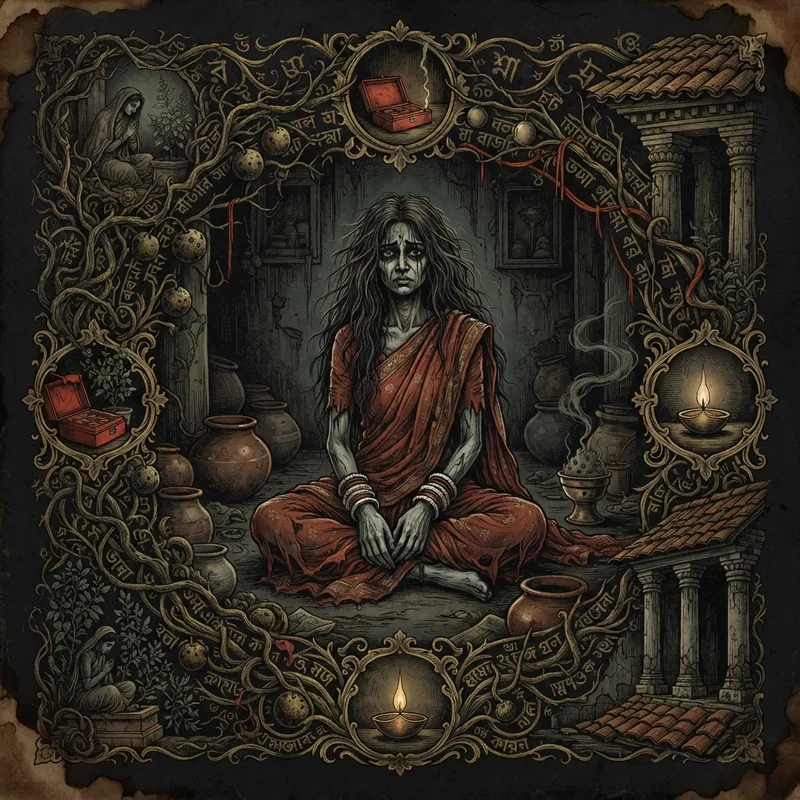
BhūtaA broad South Asian name for a disembodied spirit or restless dead, often linked to violent death or incomplete funeral rites, yet also, in some regions, to honoured local deities and household guardians.ChurelA female revenant figure in varied South Asian traditions, often linked in stories to injury, injustice, or a death outside the expected order.DaayanIn North Indian folklore, a daayan (ḍāin) is a malevolent female spirit or witch-figure, often linked to dakini traditions. The same name has been used in accusations against living women; this record holds both the tale and that social history without offering a hunt.RakshasaPowerful beings of Hindu epic and storytelling—capable of illusion, night roaming, and both antagonism and complexity (not every rakshasa is simply ‘evil’). Read through the text tradition, not only monster lists.ShakchunniIn Bengali folklore, the spirit of a married Hindu woman who died while her husband still lived, retaining shankha bangles and a fierce attachment to household life. Related to, but not identical with, petni and churel.
 ◌
◌ ✦
✦ ✴
✴ ◎
◎ ✦
✦The Americas · 12
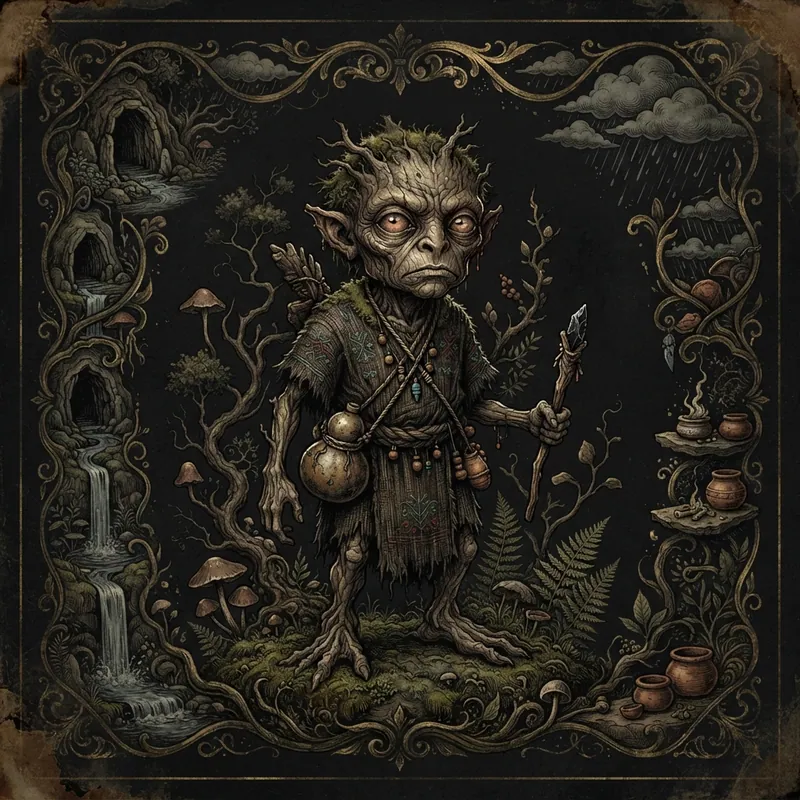
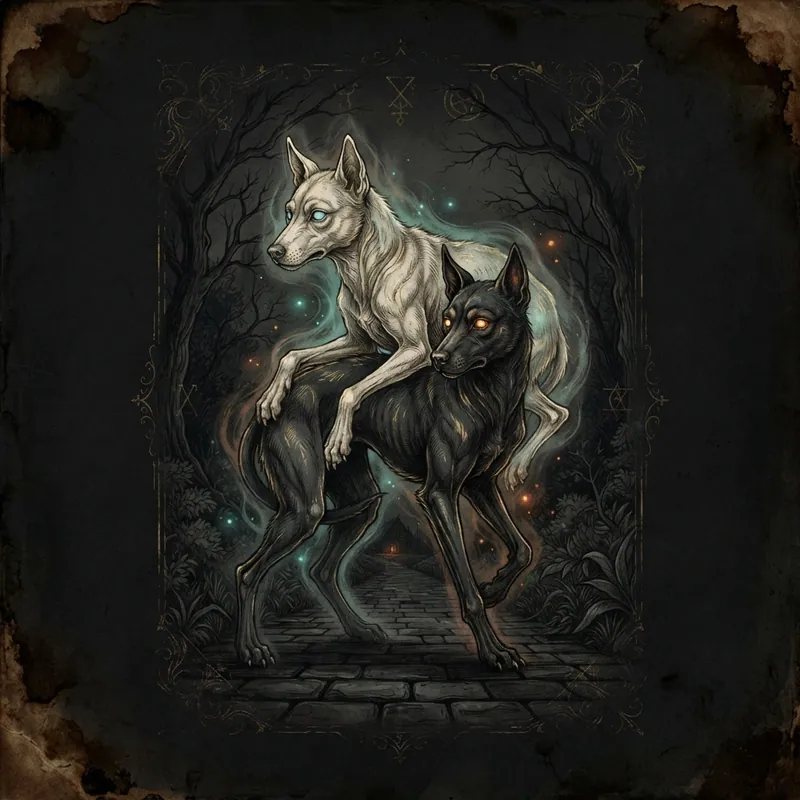
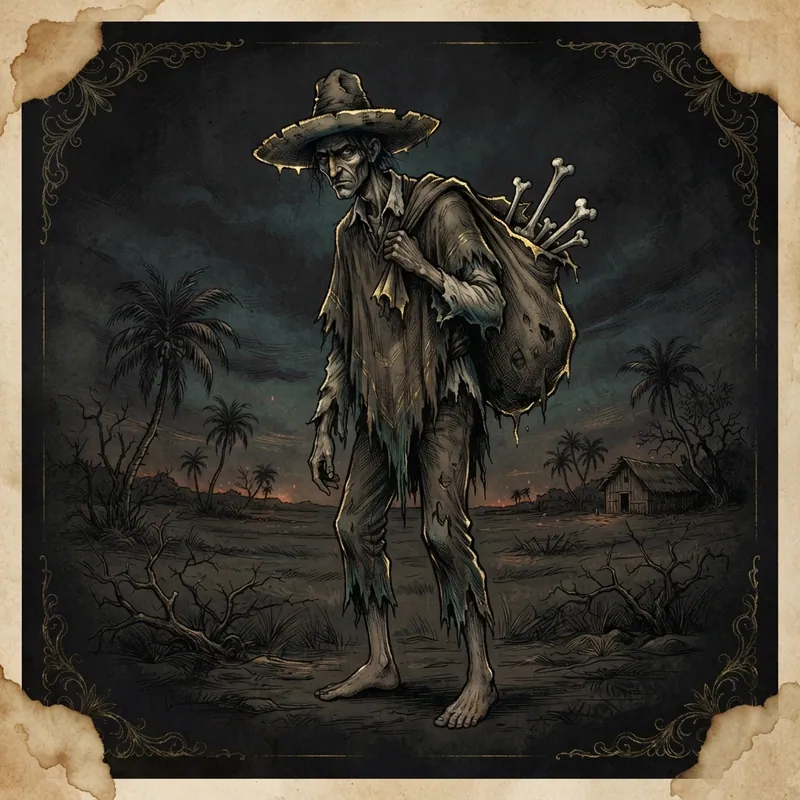
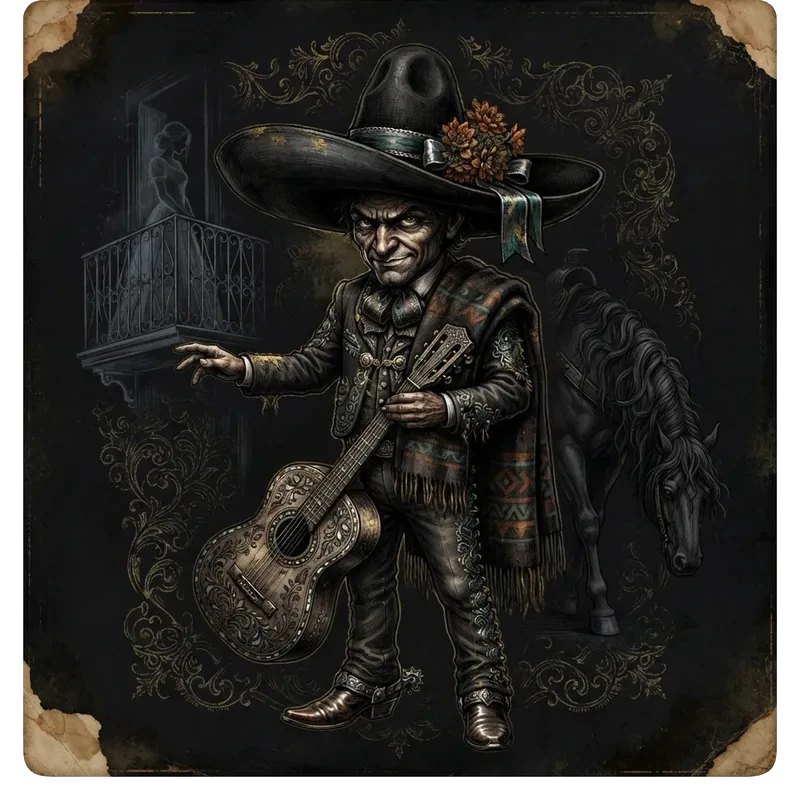
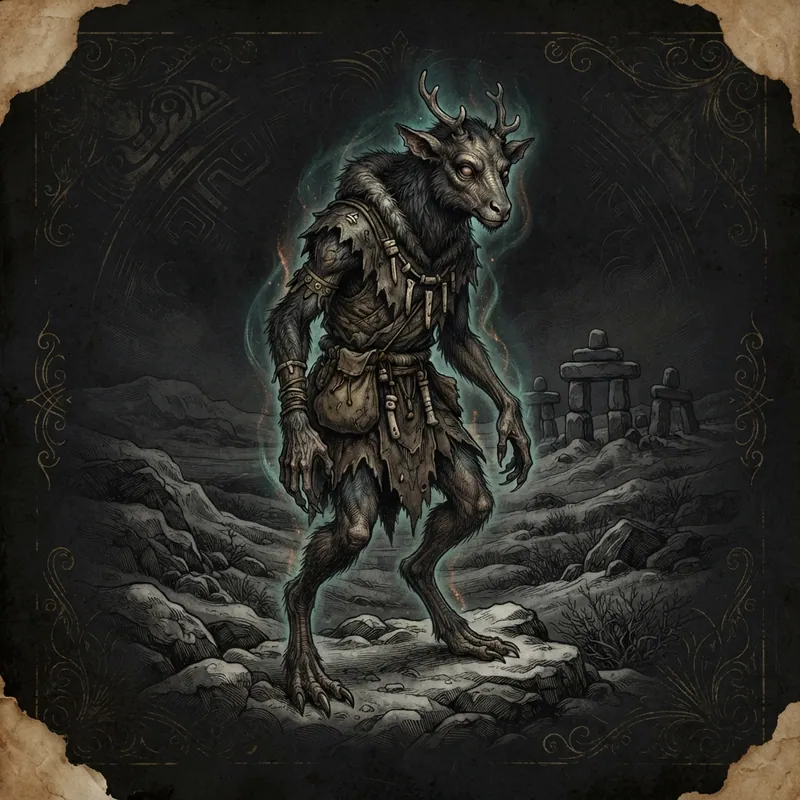
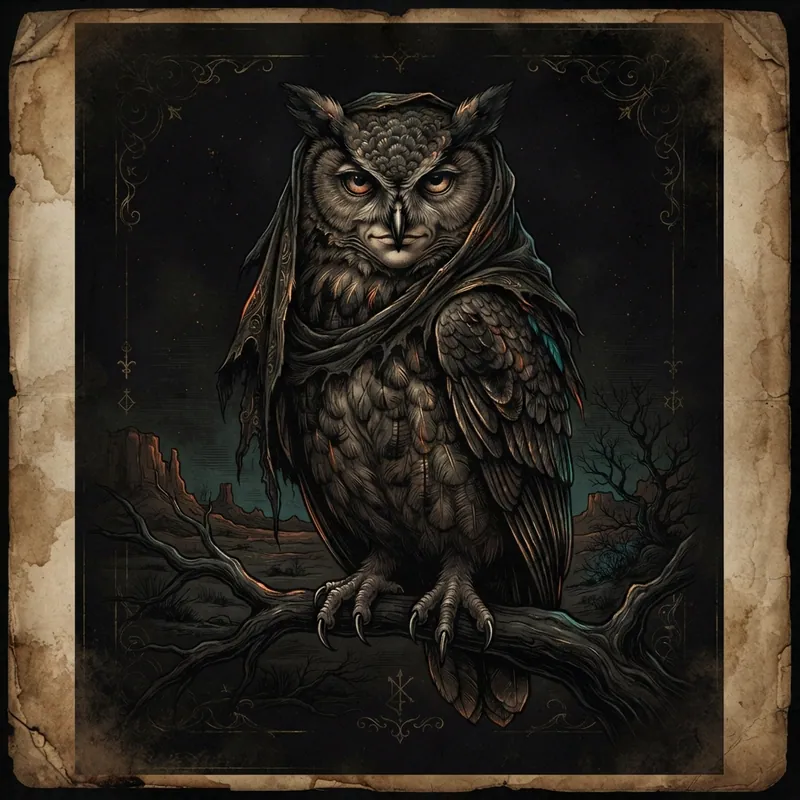
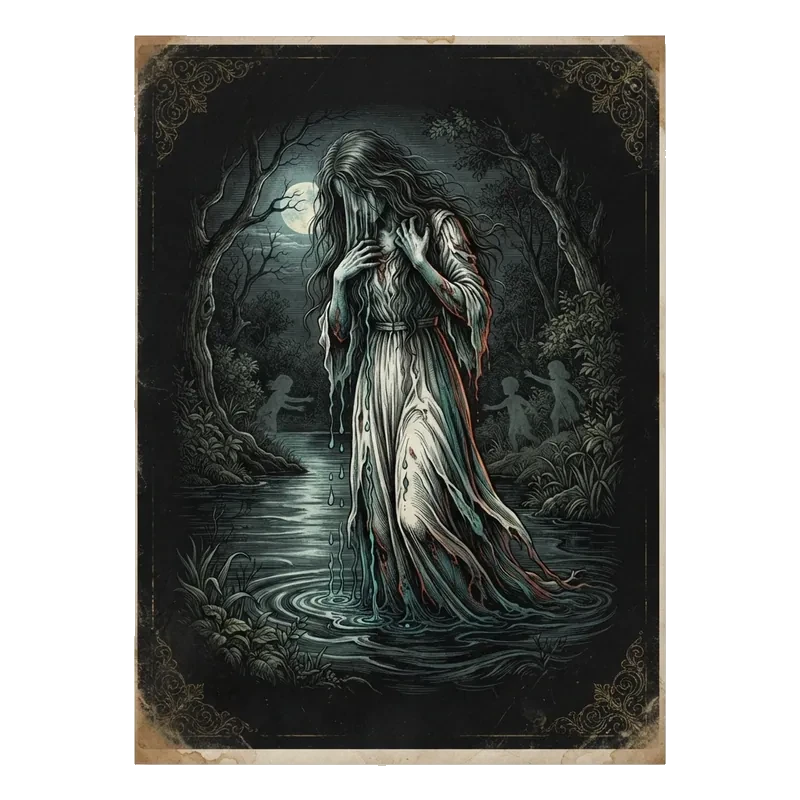
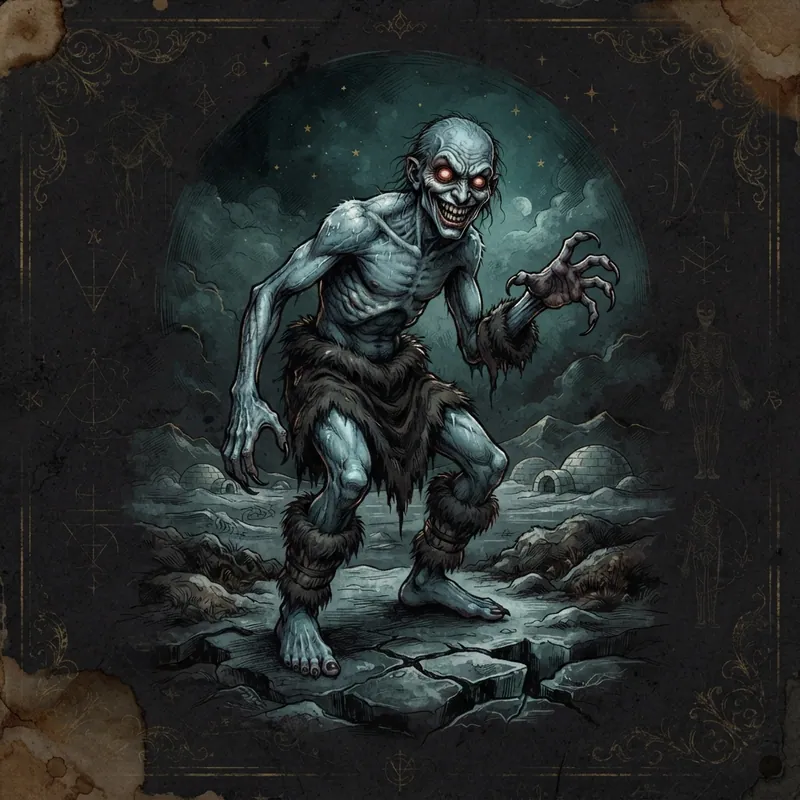
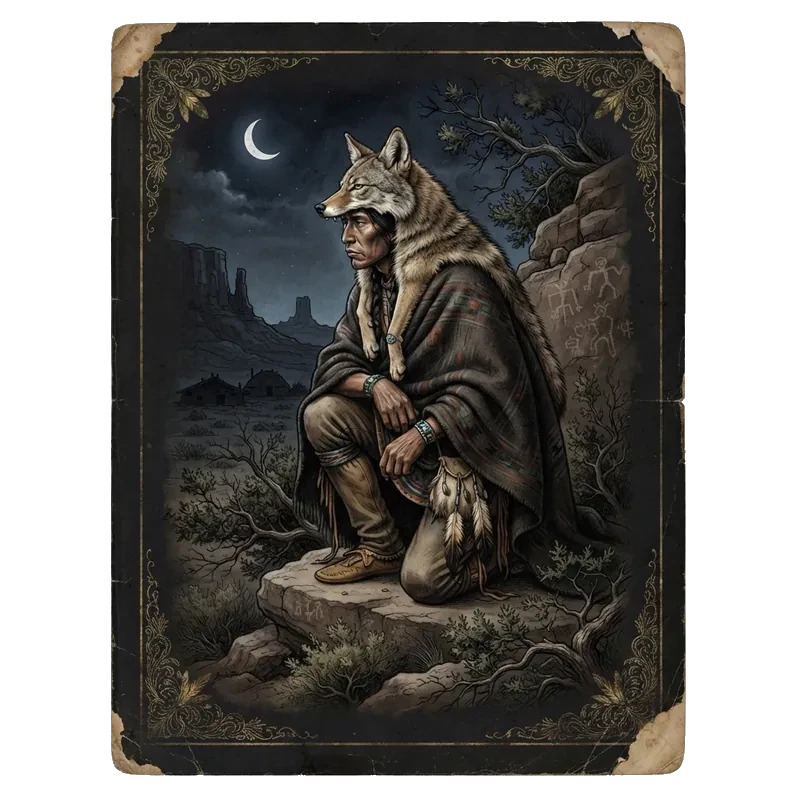
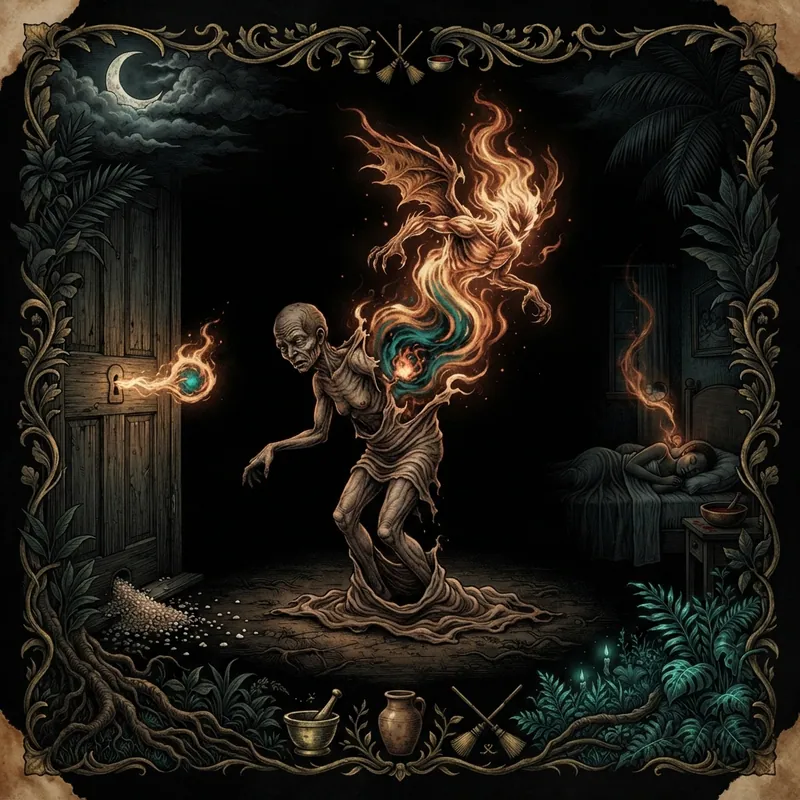
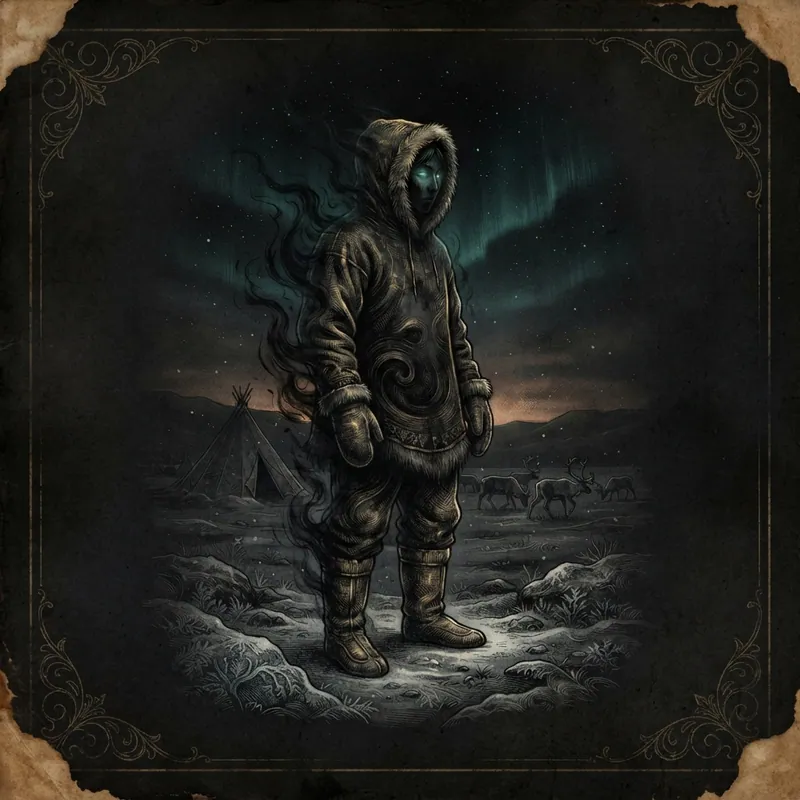
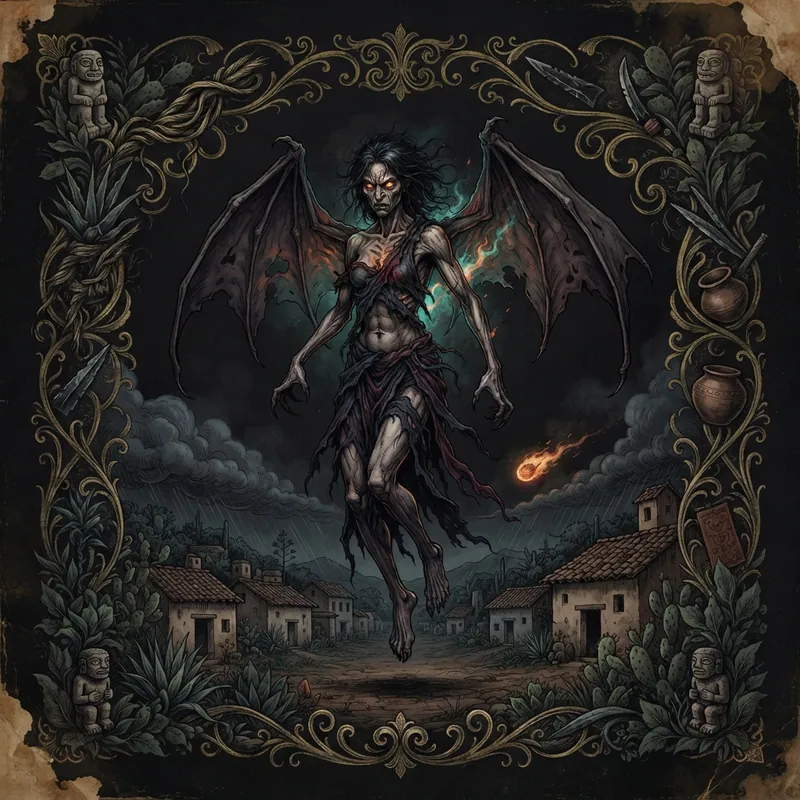
ChanequeNahua and Mexican forest householders — chanehqueh, owners of the place — small guardians of woods, water, and caves. Related in role to Maya aluxob but Mexican in language and cosmology. Living belief in several regions, not a vanished Aztec mascot.El CadejoSpectral dog spirits of Central American lore, commonly told as a white protective cadejo and a black malevolent one that follow night travellers, especially the drunk or alone.El SilbónThe Whistler is a feared figure of the Llanos, known for a melody whose apparent nearness or distance can be deceptive in different tellings.El SombrerónA courtship and mischief figure of Guatemalan lore who serenades young women and tangles horses’ manes. Charm and threat sit close together in the tellings.IjiraqShapeshifting beings in Inuit lore (especially North Baffin dialects) associated with leading travellers astray or hiding children. Inuksuit may help the lost find a way home. Treat as living cultural knowledge, not a game enemy.La LechuzaA witch-owl figure of Mexican and borderlands storytelling, often a shapeshifting woman who takes owl form to hunt or curse at night. Versions differ between family and region.La LloronaA weeping figure whose story travels through Mexico, Latin America, and Spanish-speaking communities in the United States. Her appearance, origin, and meaning differ sharply from place to place.MahahaA cold-weather being in Inuit art and story, often barefoot and long-nailed, said to tickle victims to death while grinning. Also known in some tellings as qungalukkakkiit.Skin-walker (yee naaldlooshii)Among the Diné, stories of skin-walkers belong to a living, sensitive witchcraft complex. Outsiders’ horror media often appropriates and flattens them. This archive points to respect and community authority rather than a monster dossier.SoucouyantA Creole and African-diaspora night figure of Trinidad and the wider Caribbean: by day an ordinary neighbour, by night a skin-shedder who travels as fire and takes blood. Not a generic European vampire; salt, rice-counting, and dawn belong to this tradition’s own logic.TariaksuqShadow-people beings in some Inuit tellings, glimpsed sideways rather than confronted. Related in discussion to ijirait but not identical; elders’ knowledge should lead any serious reading.TlahuelpuchiA Tlaxcalan blood-witch complex: a person, usually a woman, born to a hunger that takes animal or fireball form at night. Living, sensitive Nahua-Mexican belief documented by Nutini and Roberts. Not a how-to, not a Halloween vampire.
 ♧
♧ ✧
✧ ✧
✧ ☾
☾ ◎
◎ ◎
◎ ✦
✦ ☾
☾ ◎
◎ ◎
◎ ◎
◎ ◎
◎