THE CONCORDANCE
grief
Loss that will not stay buried.
Africa & the Middle East · 1
 ☾
☾Asia & the Isles · 12
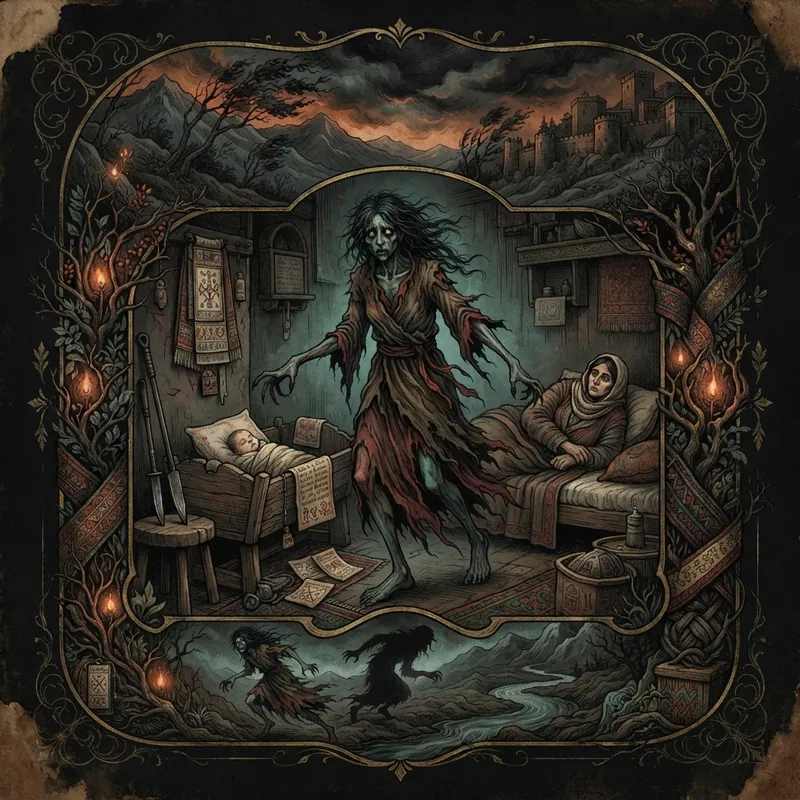
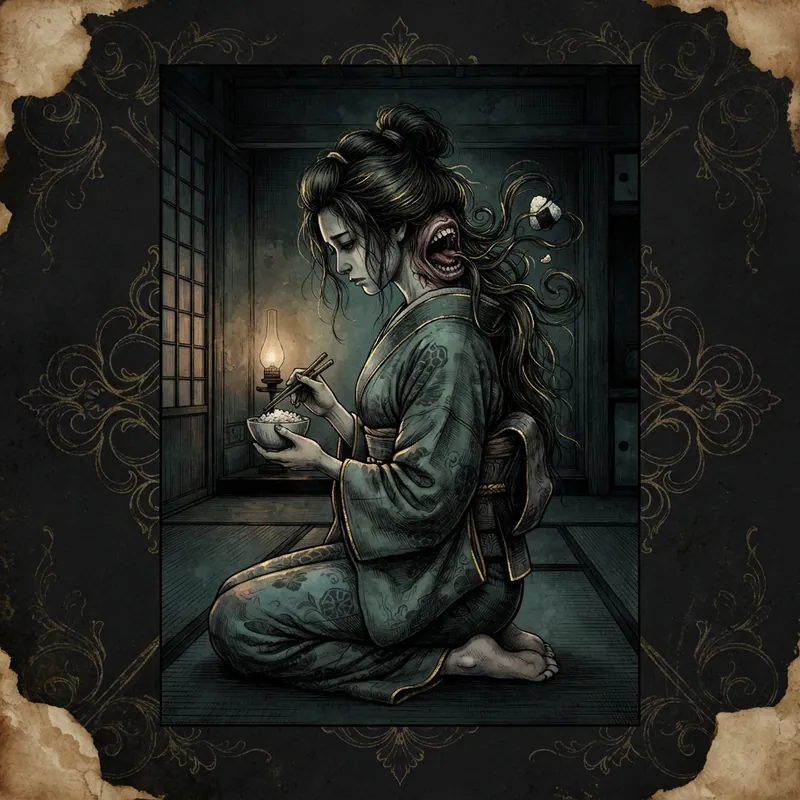
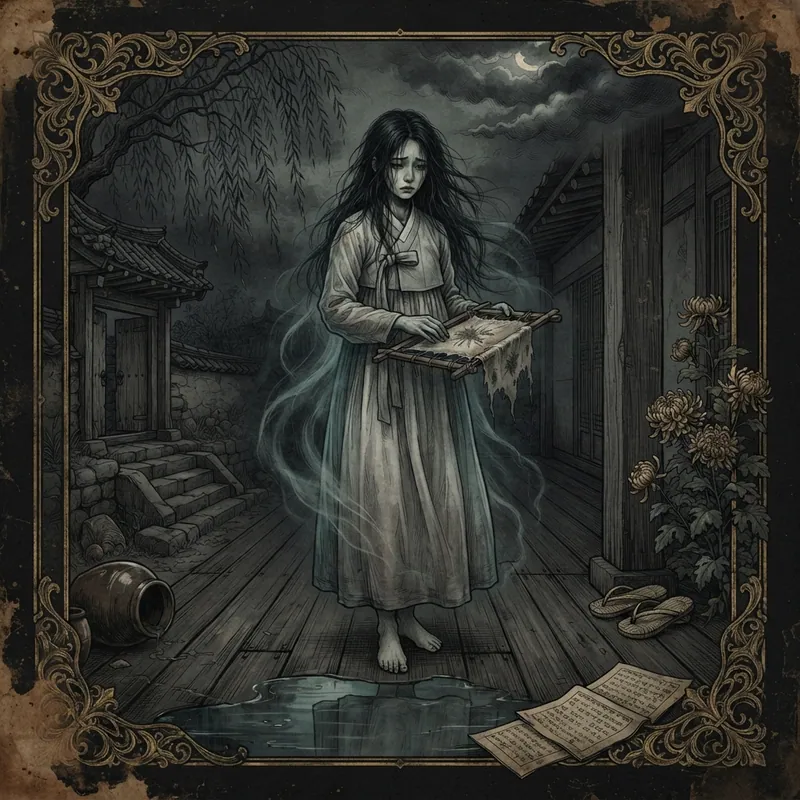
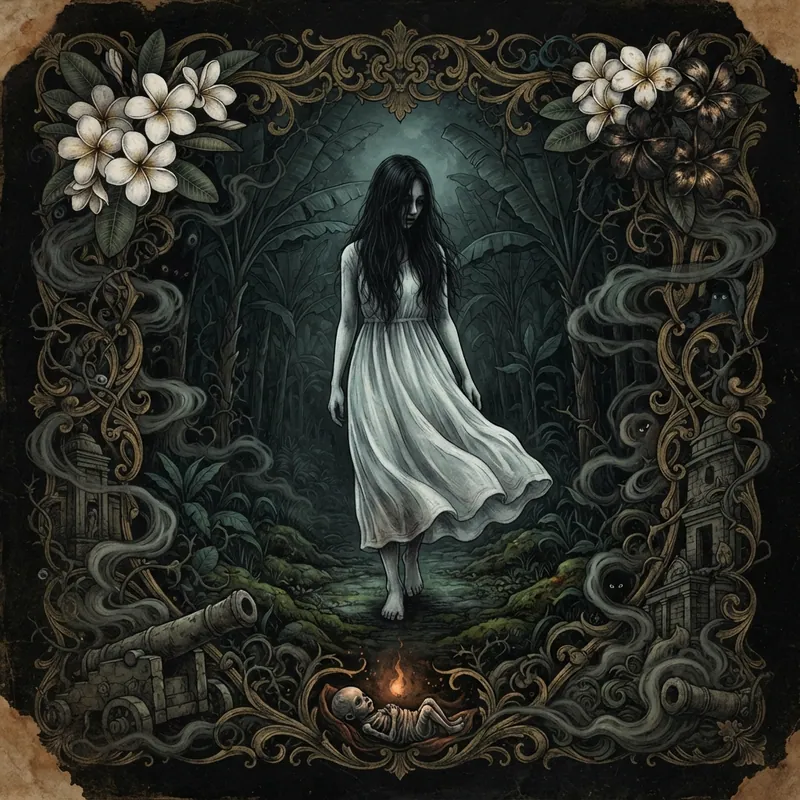
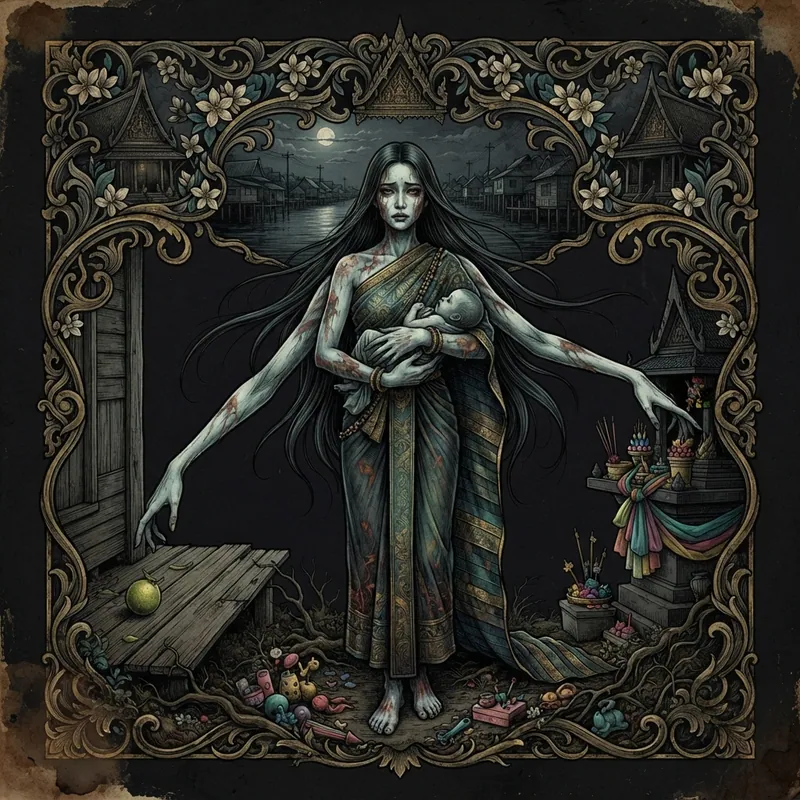
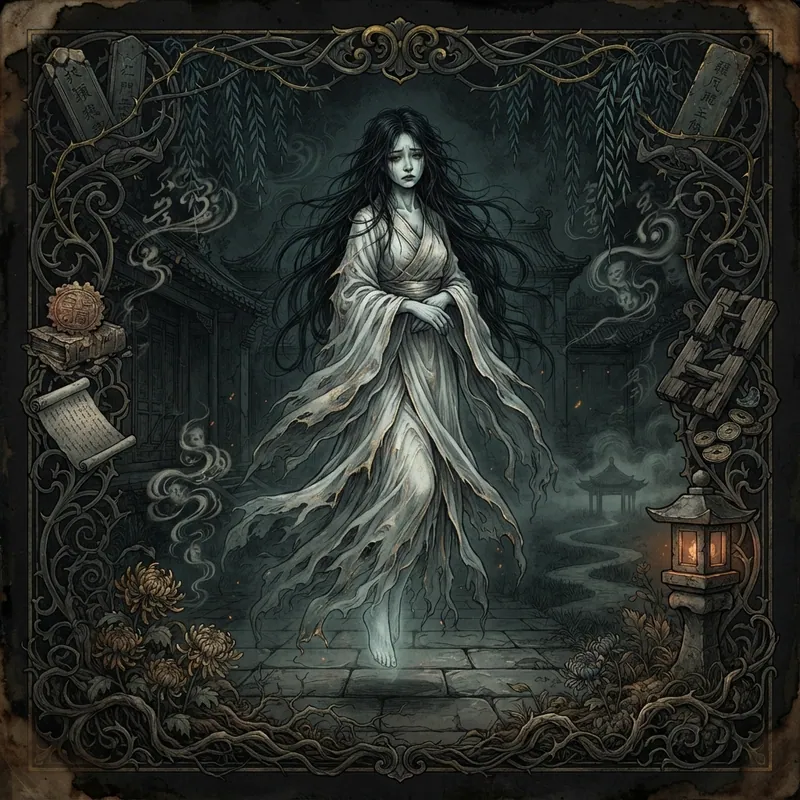
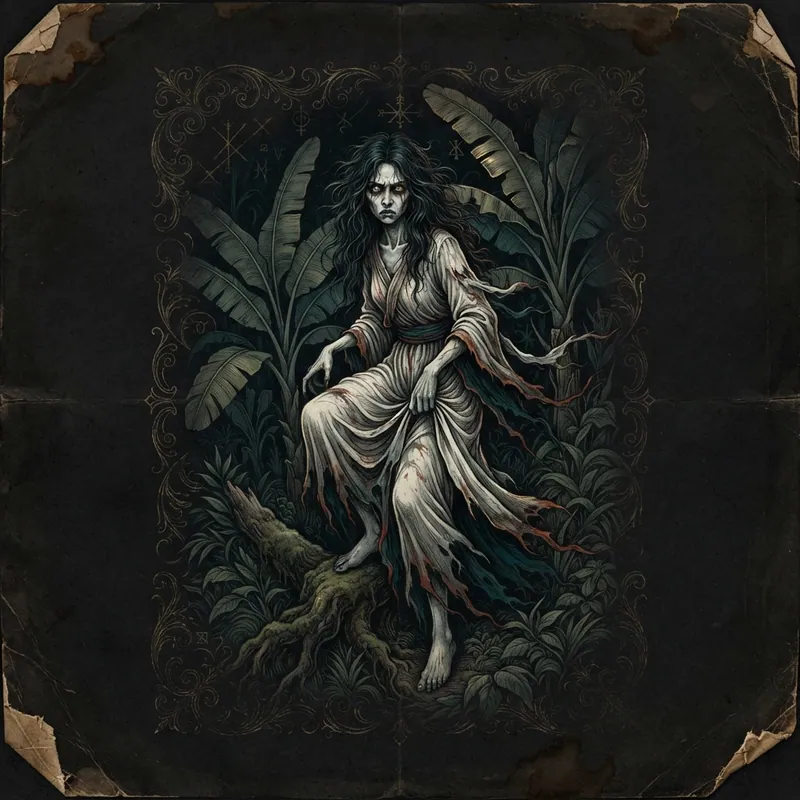
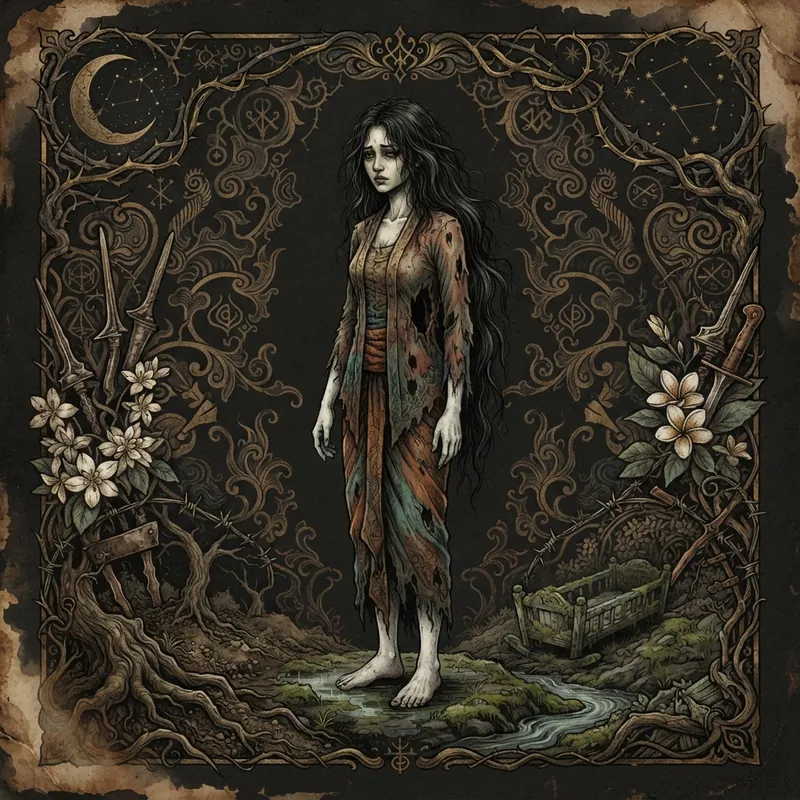
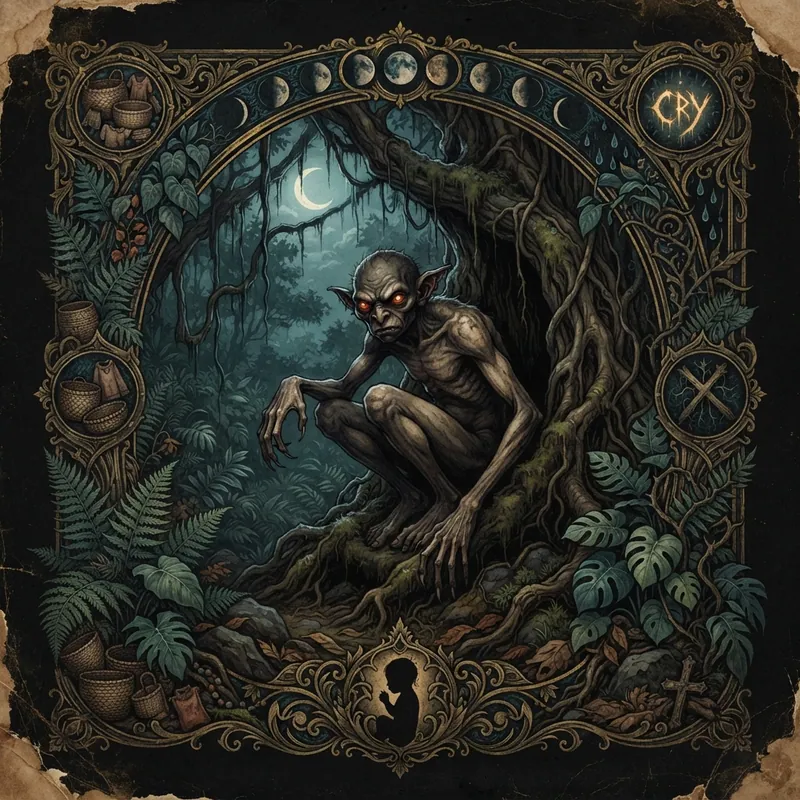
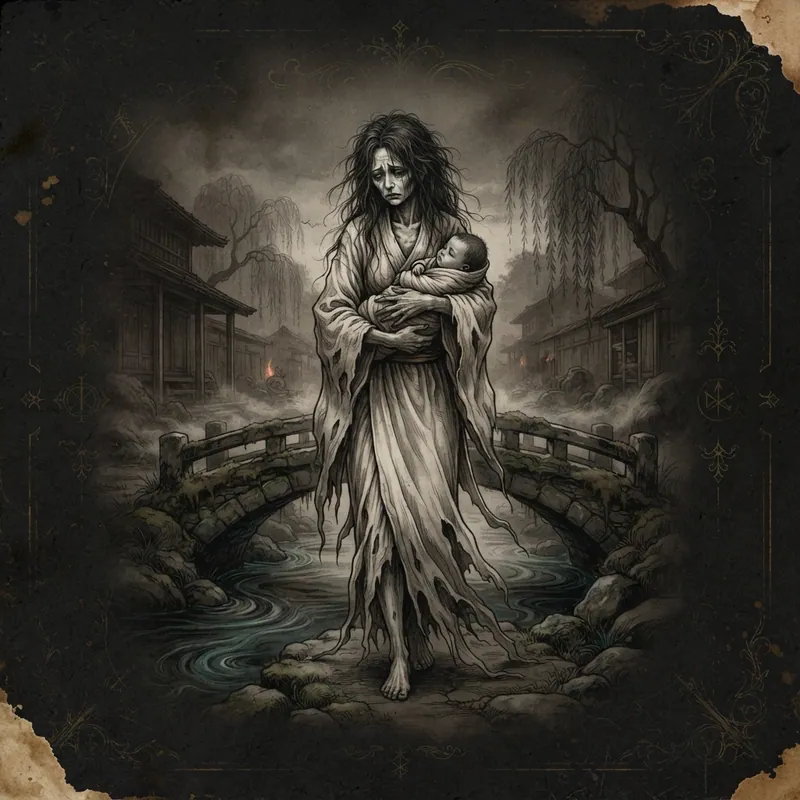
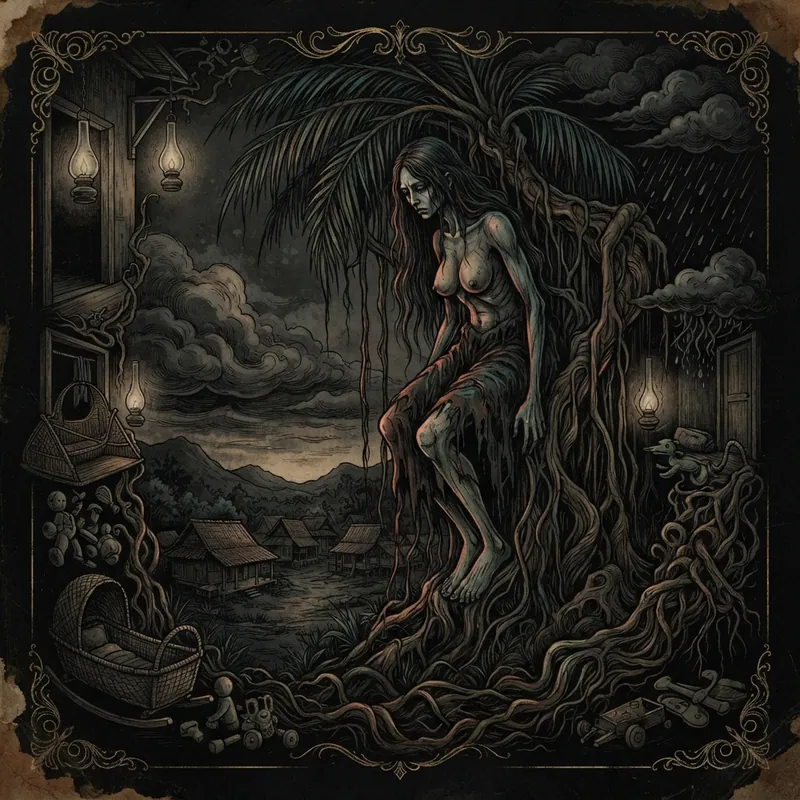
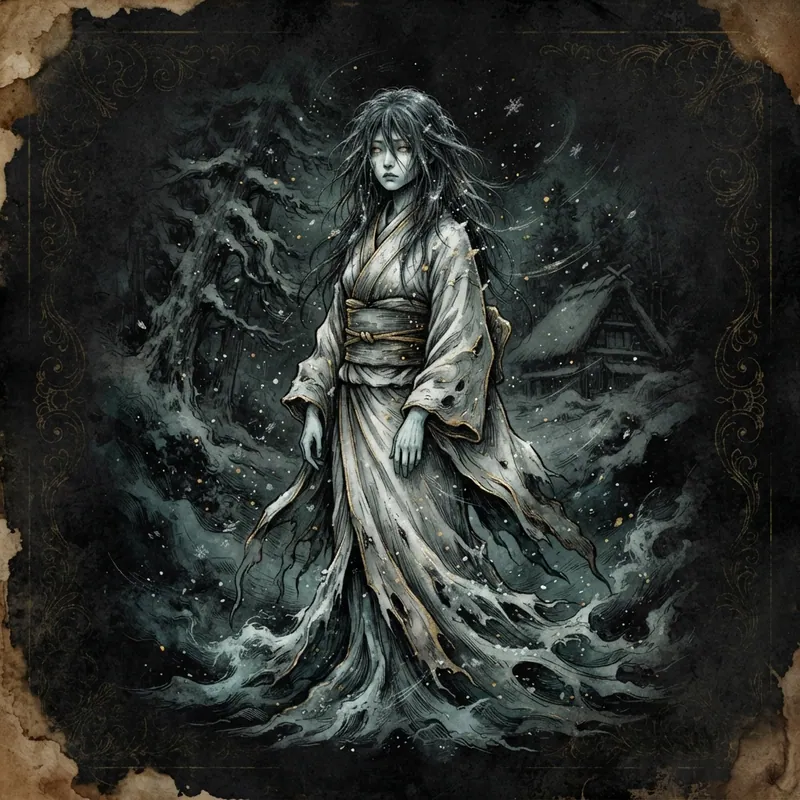
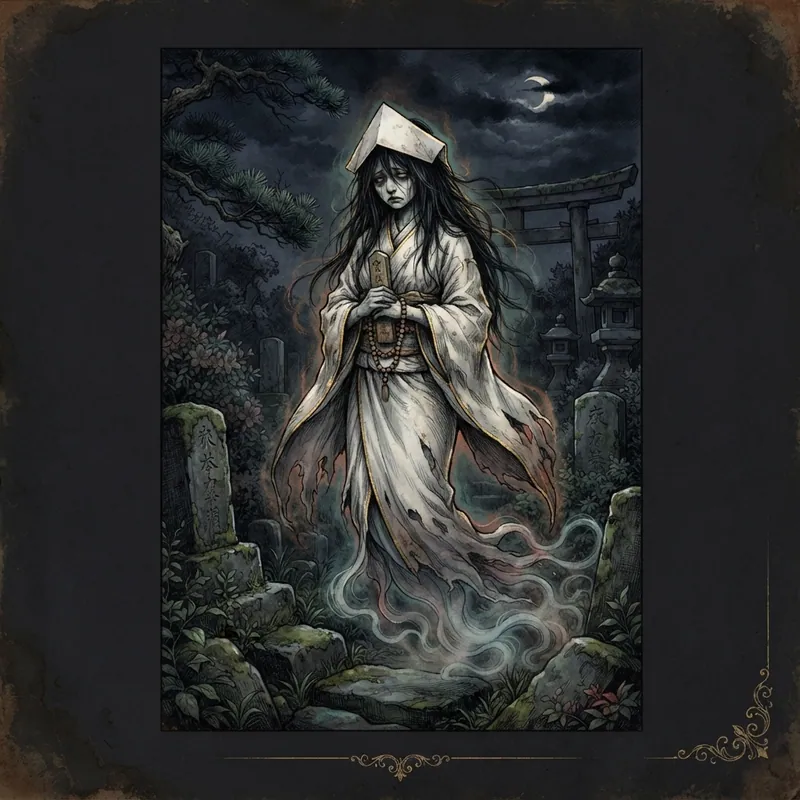
Futakuchi-onnaA woman with a second mouth hidden in the back of her head, fed by writhing hair—often framed as a tale of neglected hunger, cruelty, or household injustice.GwisinA Korean term for ghost, spirit, or divinity. Unlike the dokkaebi, gwisin in folk usage are often the human dead who remain because of unfinished ties. Distinct from the kumiho, which is a fox, not a ghost.KuntilanakThe Indonesian cousin of the Malay pontianak: a female revenant of pregnancy or childbirth death. Names are often used interchangeably; tellings and the city of Pontianak’s founding legend keep them entangled rather than identical.Mae NakMae Nak of Phra Khanong: a specific Thai revenant of a woman who died in childbirth and waited for her husband. Her shrine at Wat Mahabut remains a place of living offerings.Nü GuiA Chinese category of female ghost, often the returning spirit of a woman who died under injustice. Not one named monster, but a recurring figure of grievance, mourning dress, and unfinished memory.PontianakA female ghost figure found in Malay-language folklore, with local versions and names that shift across the region.Sundel BolongA Javanese and Indonesian female revenant: a woman who died pregnant or in childbirth, often after sexual violence, leaving a hole in her back. Distinct from kuntilanak though films blur them.TiyanakA Philippine being that mimics an infant’s cry to lure passers-by. Related in name to Malay childbirth spirits, but here the child, not the mother, is the hunter. Origins and forms vary by ethnolinguistic group.UbumeA spirit associated with women who died in childbirth in Japanese lore, often appearing near water or bridges and testing the living with a baby that becomes impossibly heavy.Wewe GombelA Javanese female spirit who kidnaps children. Folklore also says she keeps neglected children kindly until their parents change. Fright and shelter occupy the same figure.Yuki-onnaThe snow woman of Japanese folklore, appearing in mountain storms as a beautiful, deadly figure of cold. Motives range from predation to strange mercy depending on the tale.YūreiSpirits of the dead that linger for unresolved reasons — often bound to places, objects, or grudges — until the matter that holds them is finally settled.
 ☾
☾ ◌
◌ ✦
✦ ✦
✦ ◌
◌ ✦
✦ ✦
✦ ☾
☾ ✦
✦ ☾
☾ ☾
☾ ◌
◌Eastern Europe · 1
 ✦
✦Europe & the North · 7
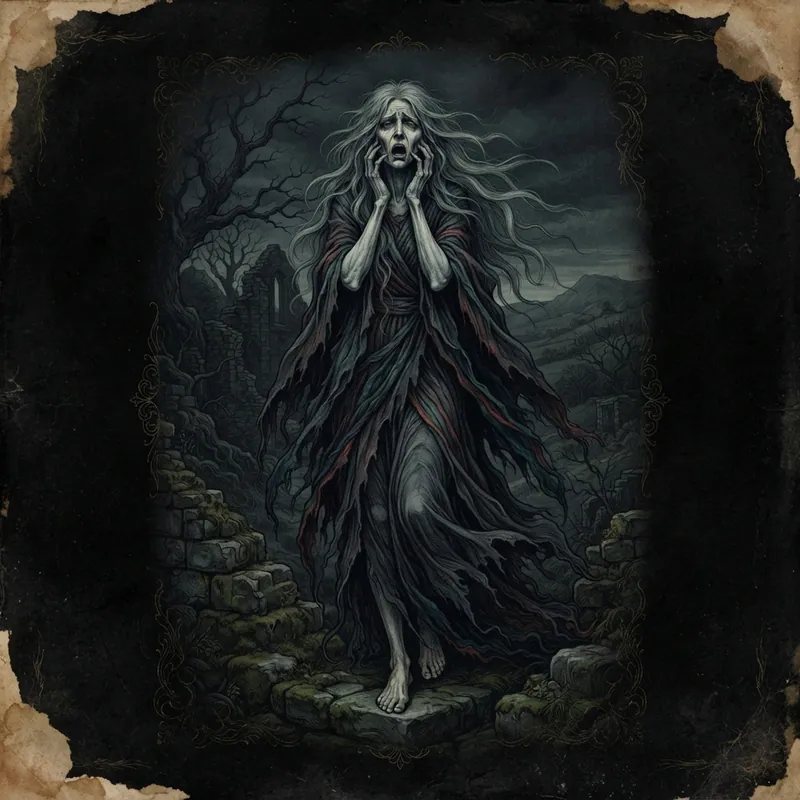
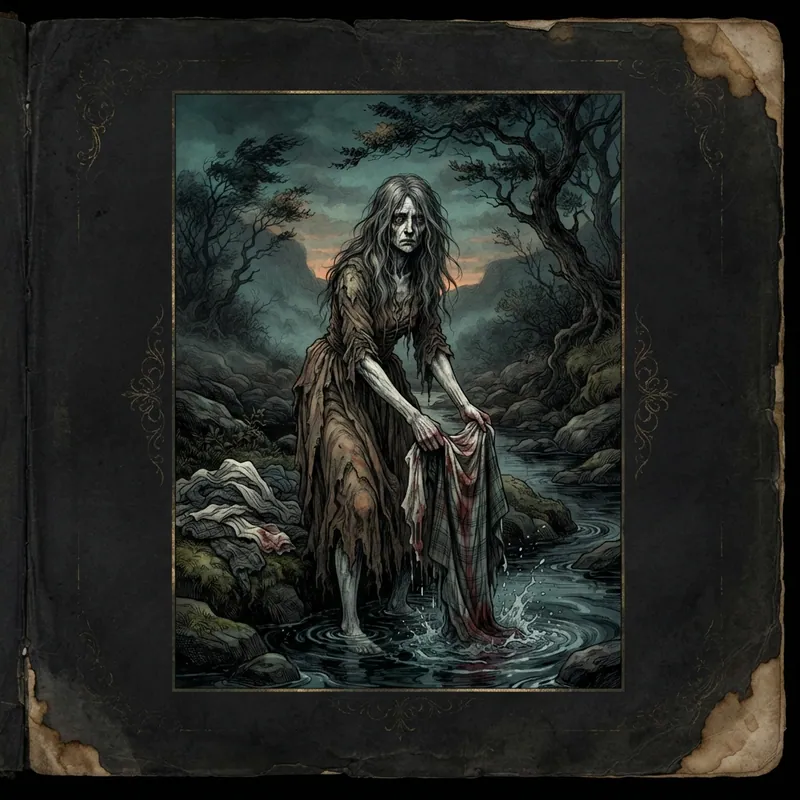
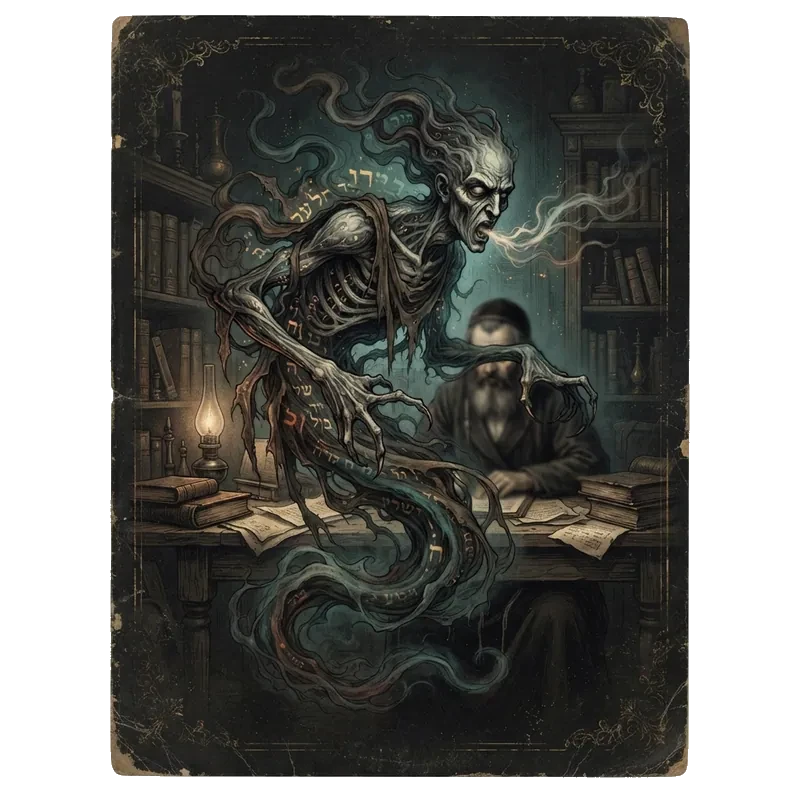
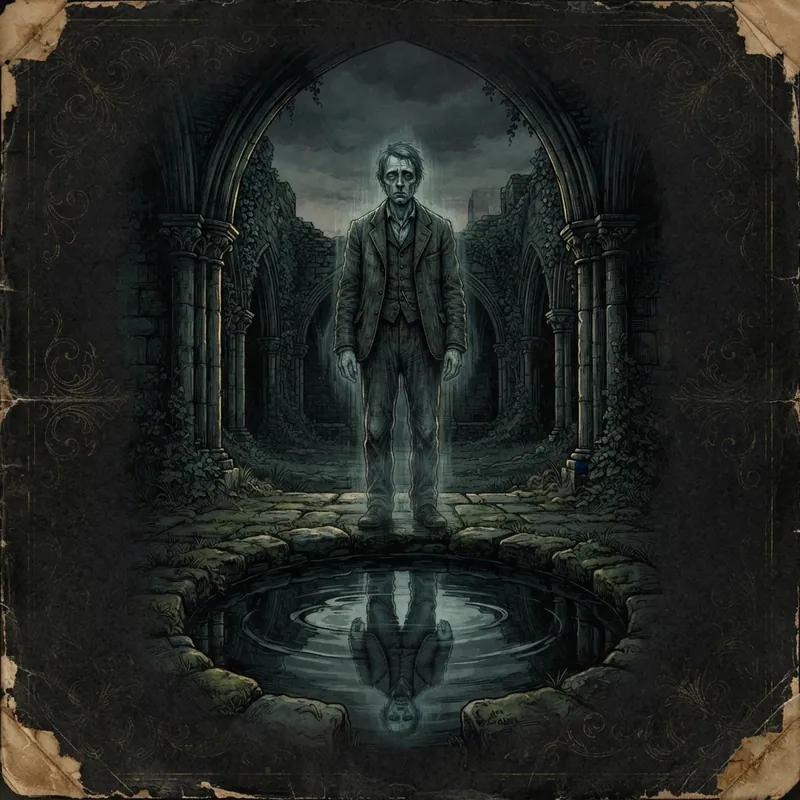
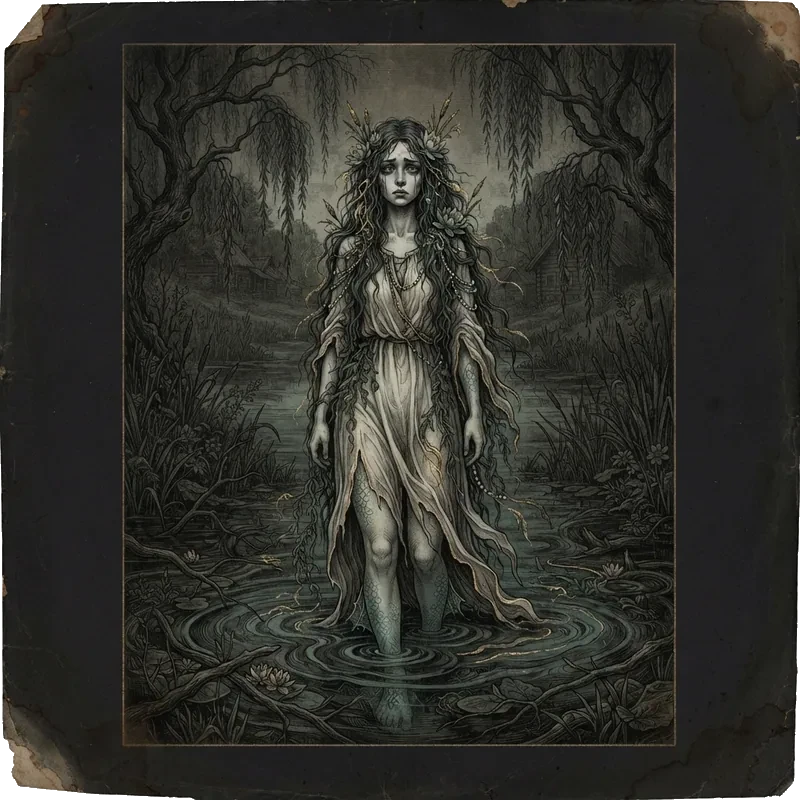
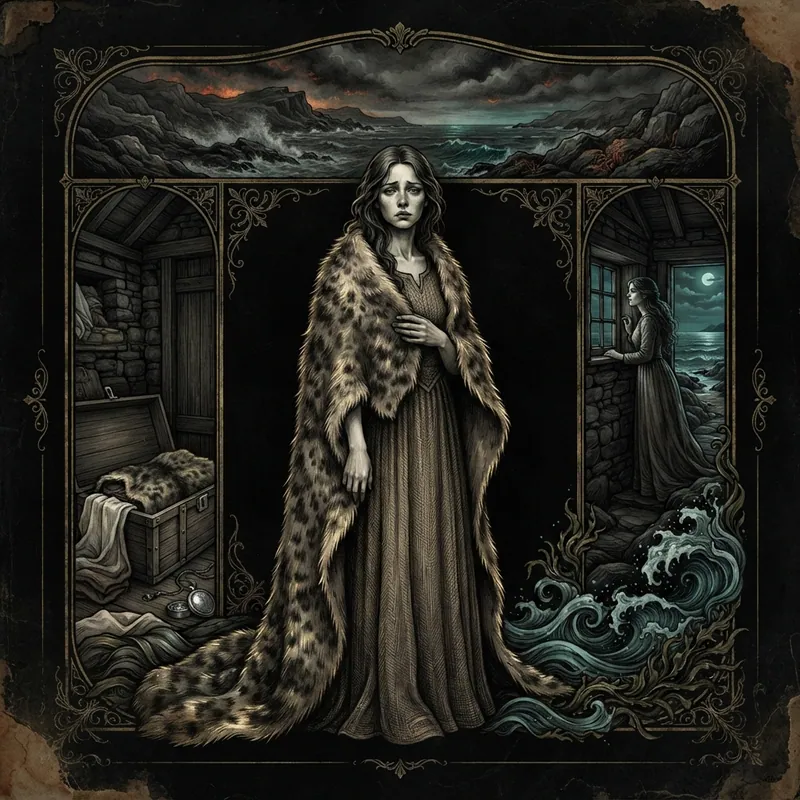
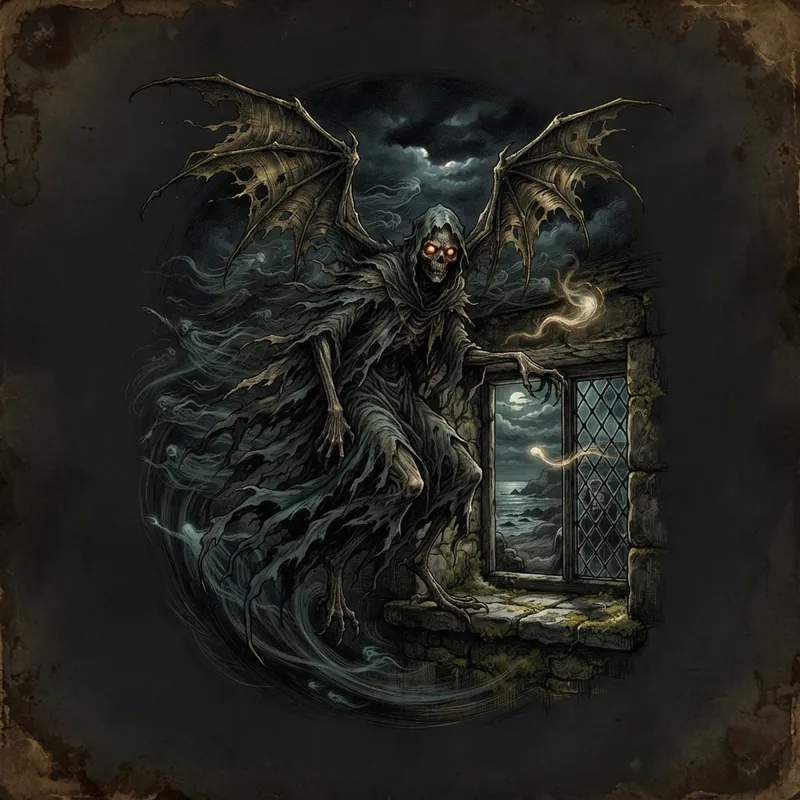
BansheeA woman of the Irish and Scottish Otherworld whose mournful cry is said to foretell a death in certain families — a herald, not a killer.Bean NigheThe washing woman of Scottish Gaelic tradition, a type of death messenger related to the banshee complex, seen laundering the clothes of those about to die.DybbukA possessing spirit in Jewish folklore and literature, whose stories belong to distinct historical and religious contexts and deserve care beyond horror shorthand.FetchA spectral double in Irish tradition whose appearance can foretell death or crisis. Related to wider European doppelgänger lore but rooted in Irish naming and omen practice.RusalkaA Slavic water spirit, in many tellings the restless soul of a young woman who drowned or died unwed, dwelling in rivers and lakes and drawing the living to the water.SelkieSeal-folk of Orkney, Shetland, and neighbouring Scottish coasts who become human by shedding a skin. Stories of stolen skins and captive spouses are the heart of the tradition, not a monster hunt.The SluaghIn Gaelic lore, a host of restless dead said to fly in from the west and attempt to claim souls of the dying. Windows on the west side were sometimes watched with care.
 ✧
✧ ✧
✧ ❖
❖ ✧
✧ ≈
≈ ◎
◎ ☾
☾South Asia · 5
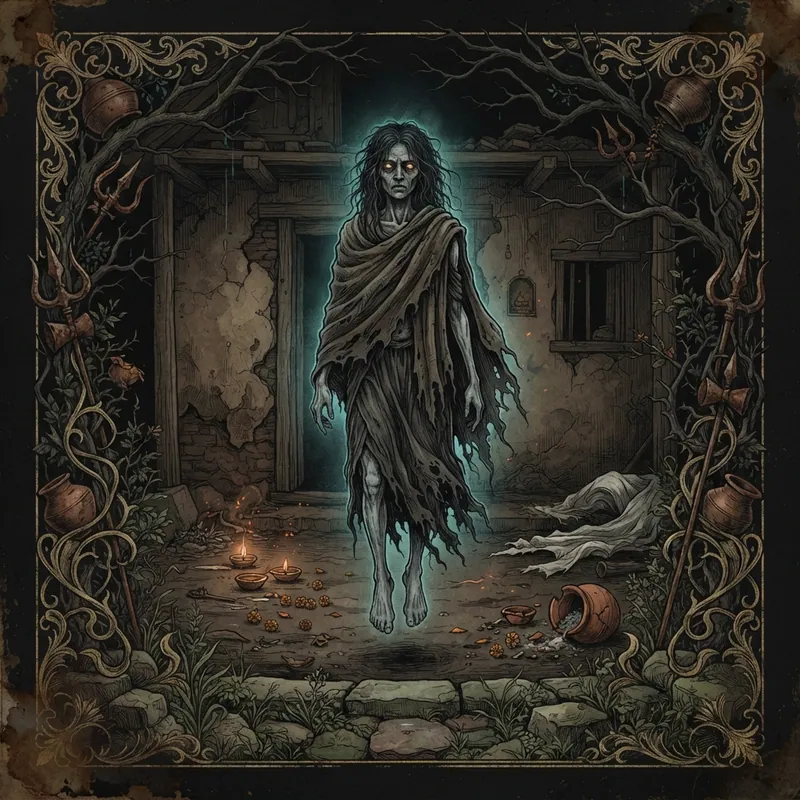
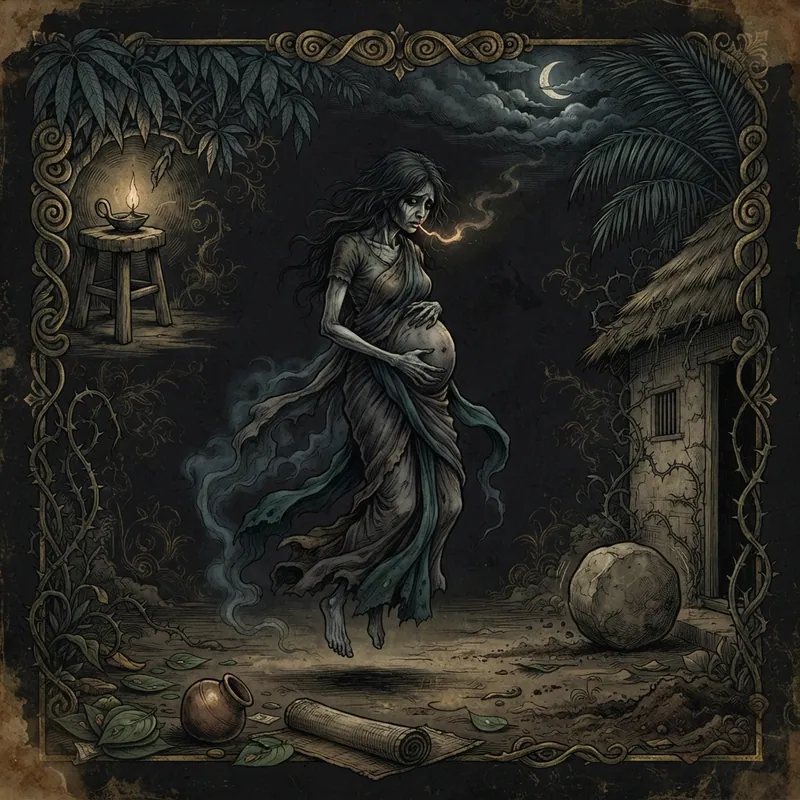
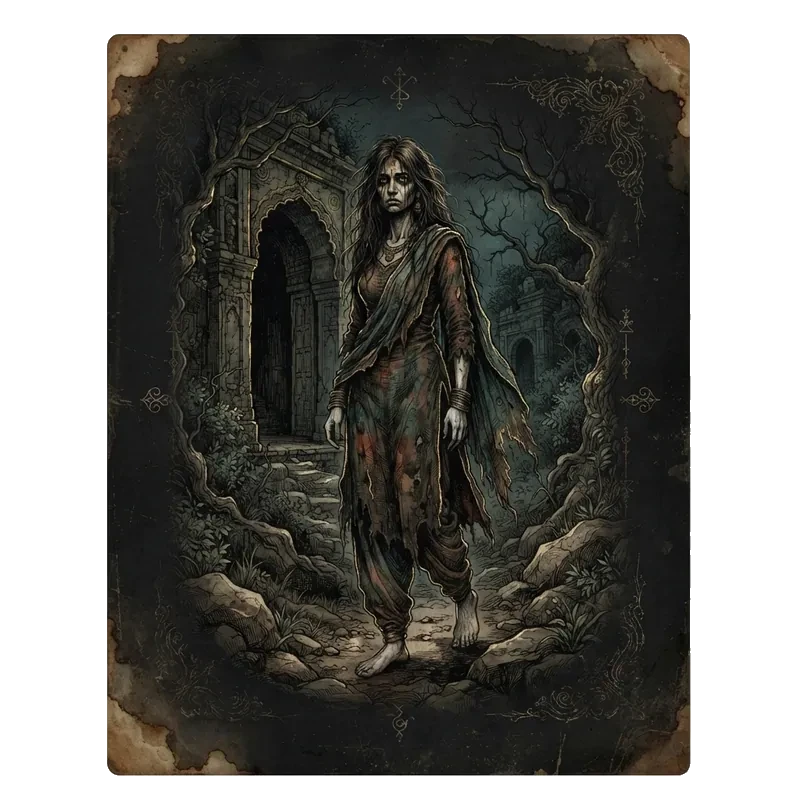
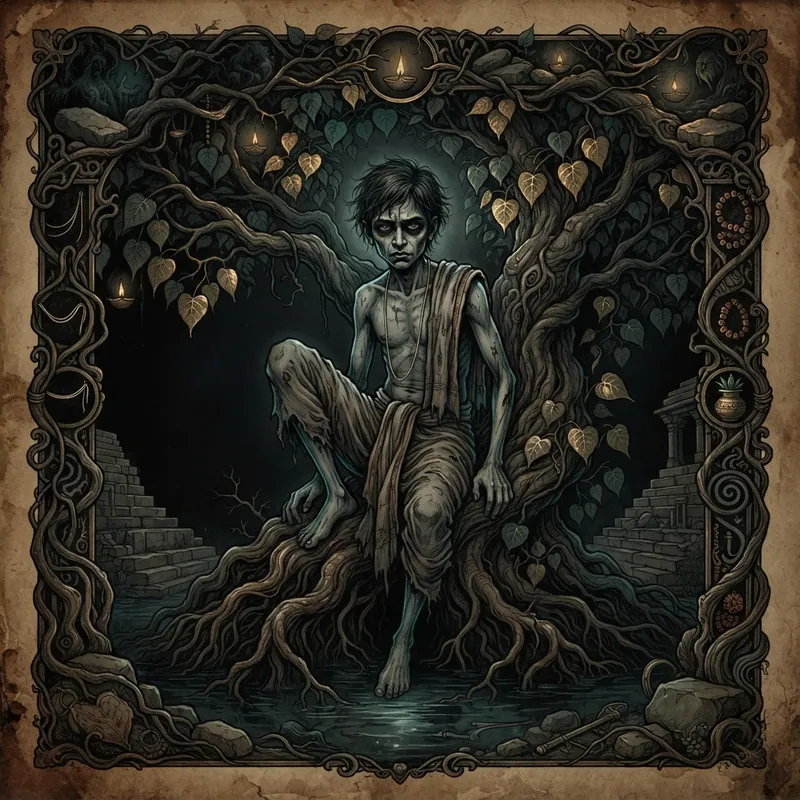
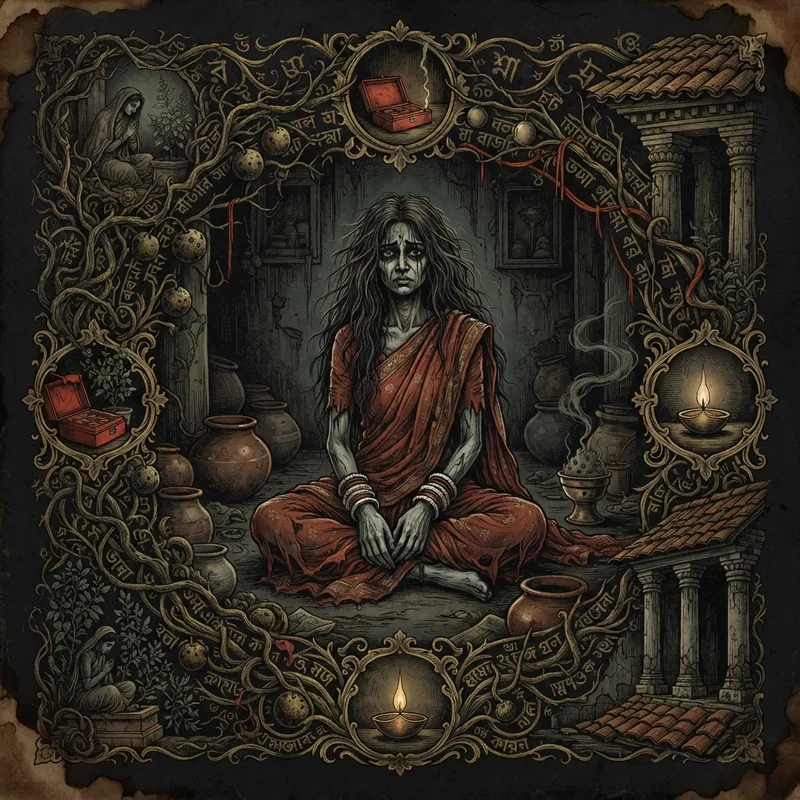
BhūtaA broad South Asian name for a disembodied spirit or restless dead, often linked to violent death or incomplete funeral rites, yet also, in some regions, to honoured local deities and household guardians.BodilimaIn Sinhalese folklore, the spirit of a woman who died in childbirth and was buried with the child still within her. A household and night wailer, related in kind to other South Asian childbirth revenants but locally named bodirima or bodilima.ChurelA female revenant figure in varied South Asian traditions, often linked in stories to injury, injustice, or a death outside the expected order.MunjyaIn Maharashtrian and Konkan folklore, the restless spirit of a young Brahmin who dies after the munja (upanayana) but before sod-munja and marriage, often said to dwell in peepal trees or near wells.ShakchunniIn Bengali folklore, the spirit of a married Hindu woman who died while her husband still lived, retaining shankha bangles and a fierce attachment to household life. Related to, but not identical with, petni and churel.
 ◌
◌ ◌
◌ ✦
✦ ✦
✦ ✦
✦The Americas · 4
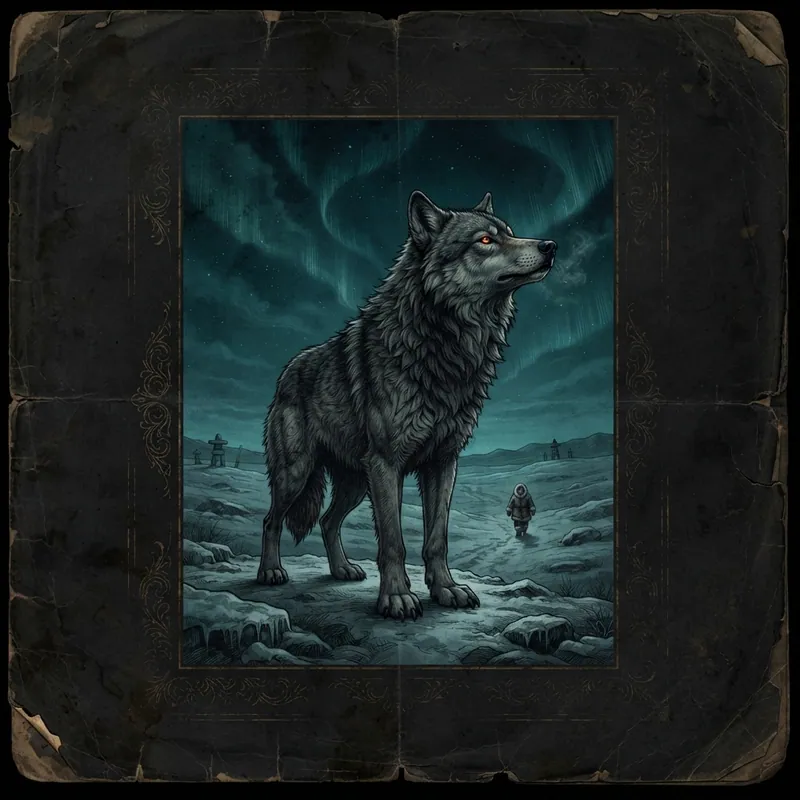
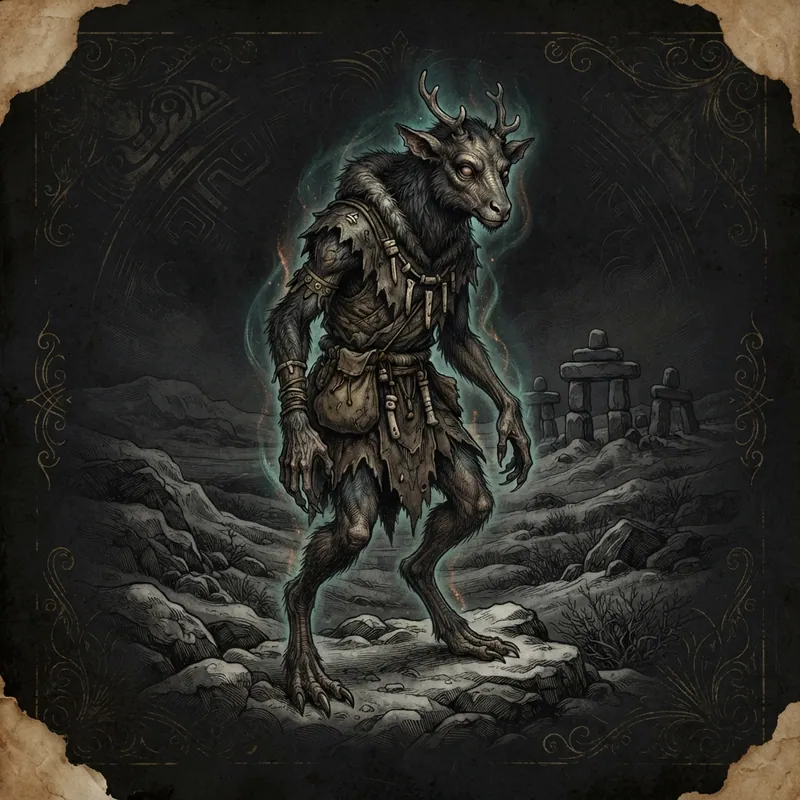
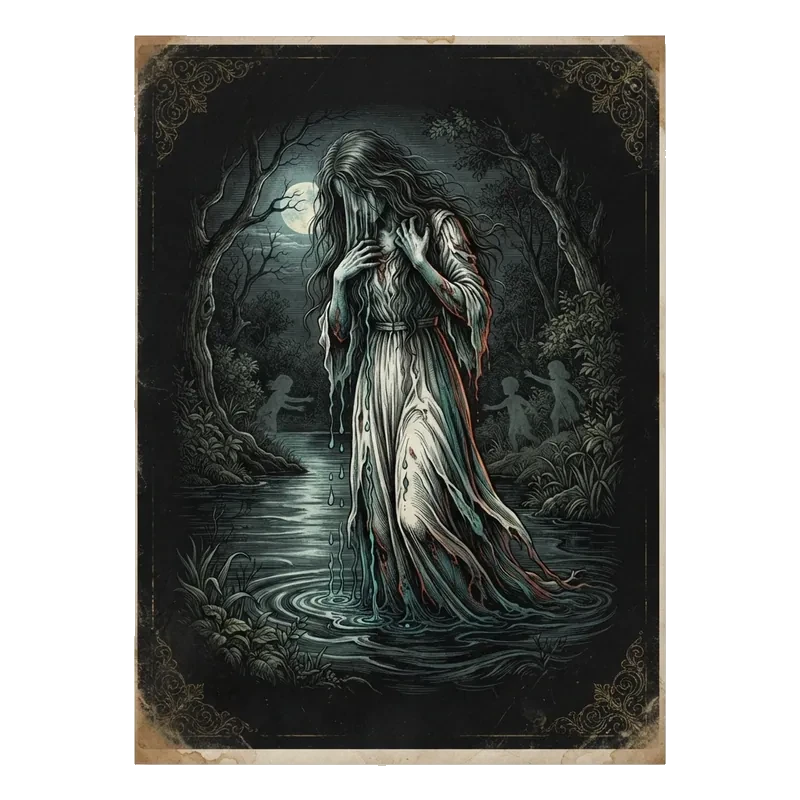
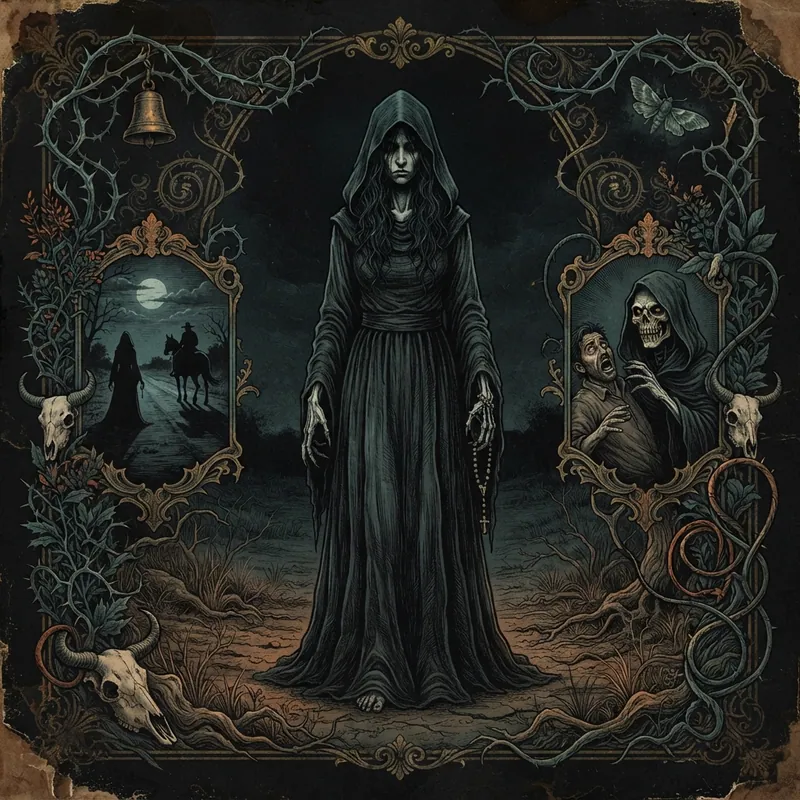
AmarokA giant wolf of Inuit folklore that hunts solitary travellers. Unlike pack wolves, the amarok is associated with the danger of going alone into the land.IjiraqShapeshifting beings in Inuit lore (especially North Baffin dialects) associated with leading travellers astray or hiding children. Inuksuit may help the lost find a way home. Treat as living cultural knowledge, not a game enemy.La LloronaA weeping figure whose story travels through Mexico, Latin America, and Spanish-speaking communities in the United States. Her appearance, origin, and meaning differ sharply from place to place.La SayonaA vengeful revenant of the Venezuelan Llanos who hunts unfaithful and roving men. Named for the sayal, her long tunic, or from sayón, the punisher. Related in the plains to El Silbón; not La Llorona.
 ♧
♧ ◎
◎ ✦
✦ ✦
✦