THE CONCORDANCE
Salt
41 records across 25 traditions carry this current.
Africa & the Middle East · 3
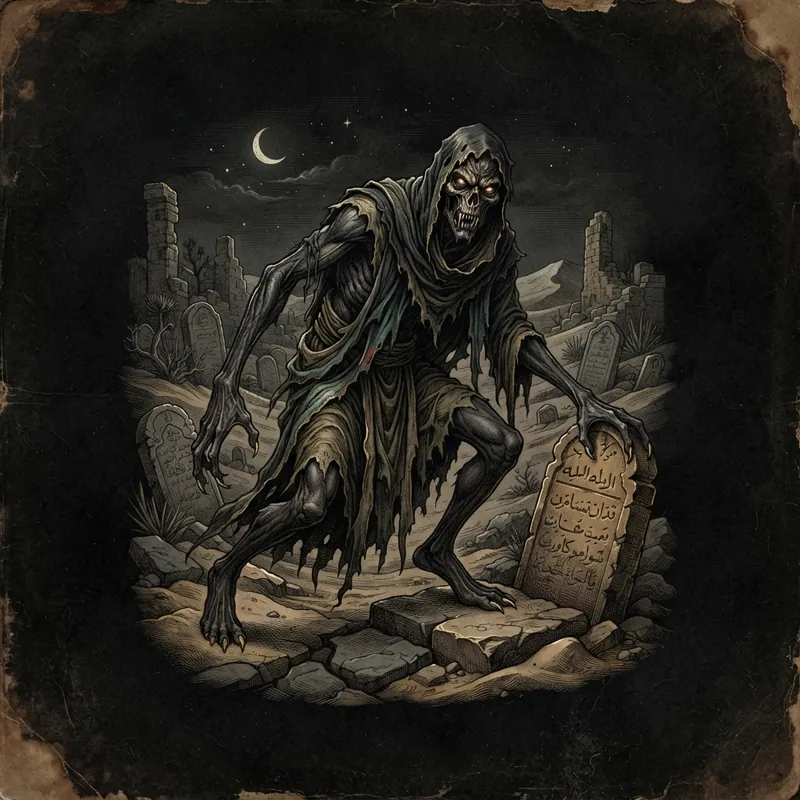
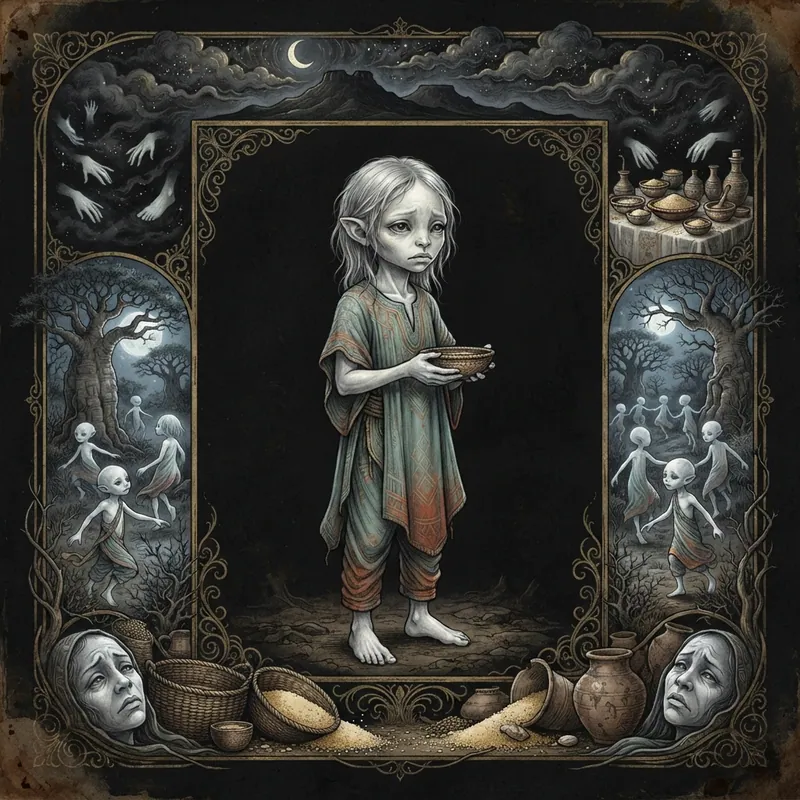
GhūlA shape-changing, dangerous figure of Arabic folklore, often associated in translated accounts with wilderness, graveyards, and deception.JinnJinn are beings in Arabic and Islamic traditions with wide-ranging depictions, moral qualities, and religious meanings; this record avoids treating a living tradition as a generic monster catalogue.YumboesYumboes, also called Bakhna Rakhna (“Good People”), are small pearly-white beings of Wolof and Lebou lore around Gorée. The principal written account is Thomas Keightley’s, taken from a woman who heard it from a Wolof maid: they feast under the Paps, steal couscous, and lament the families they attach themselves to.
 ☾
☾ ☾
☾ ❋
❋Asia & the Isles · 22
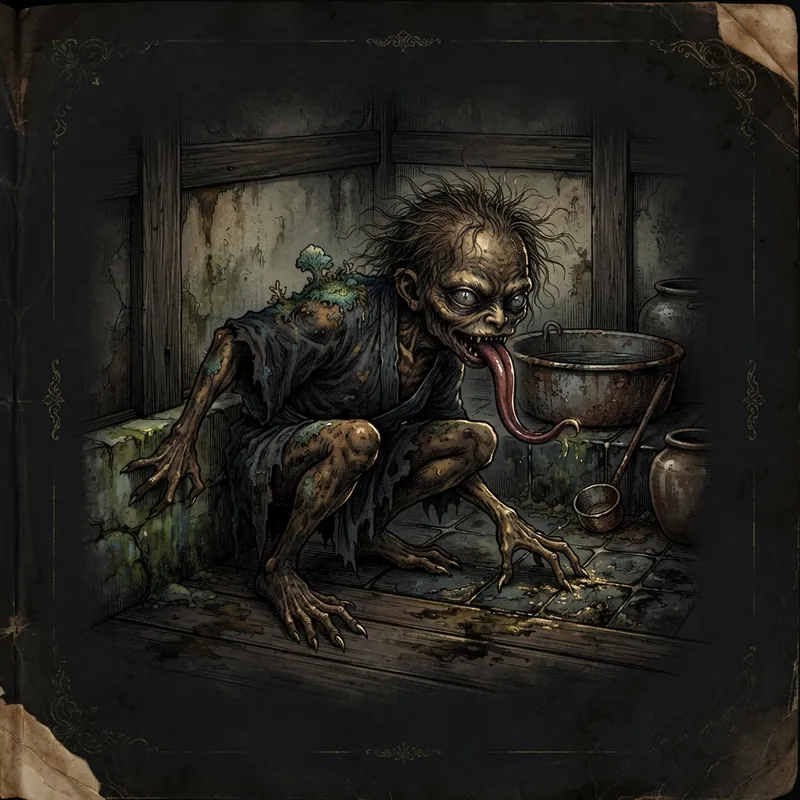
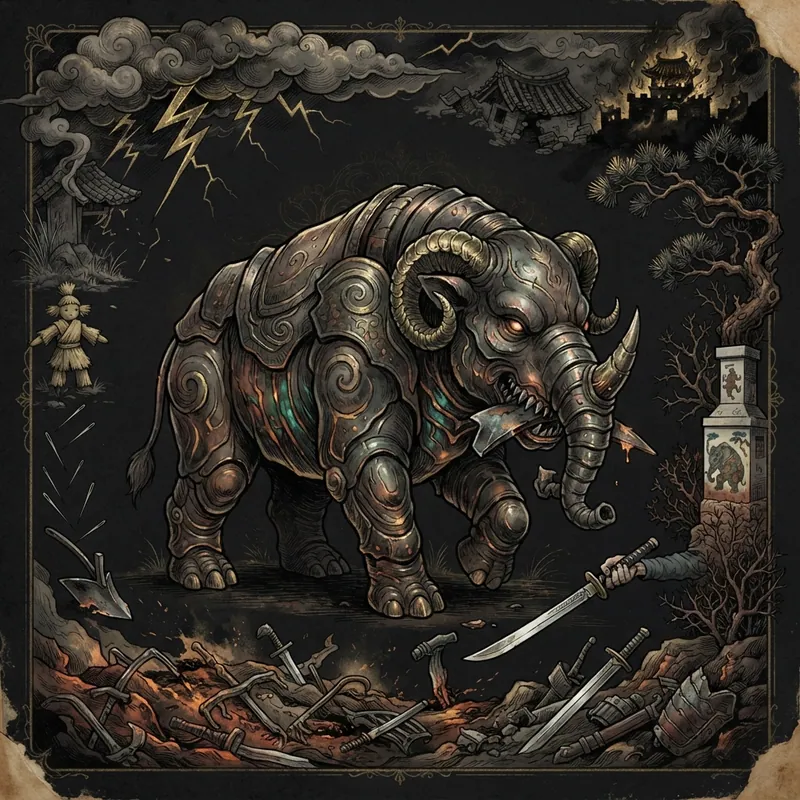
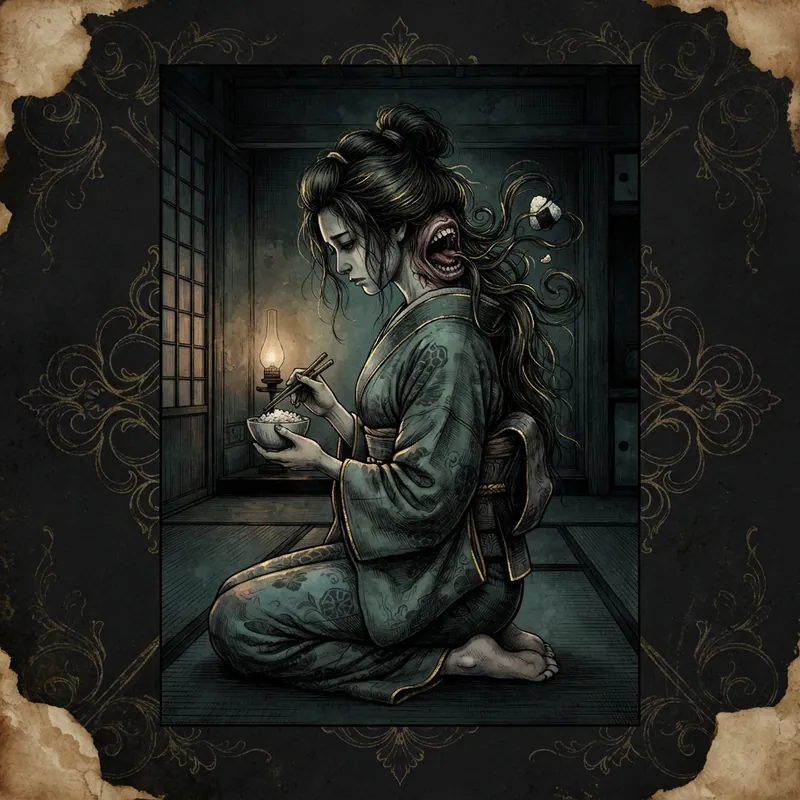
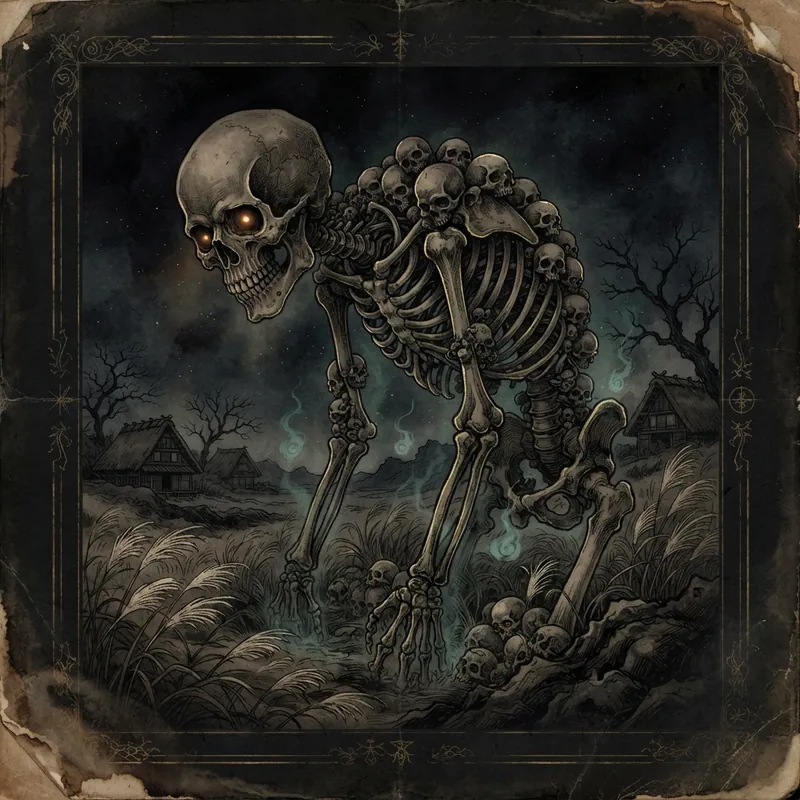
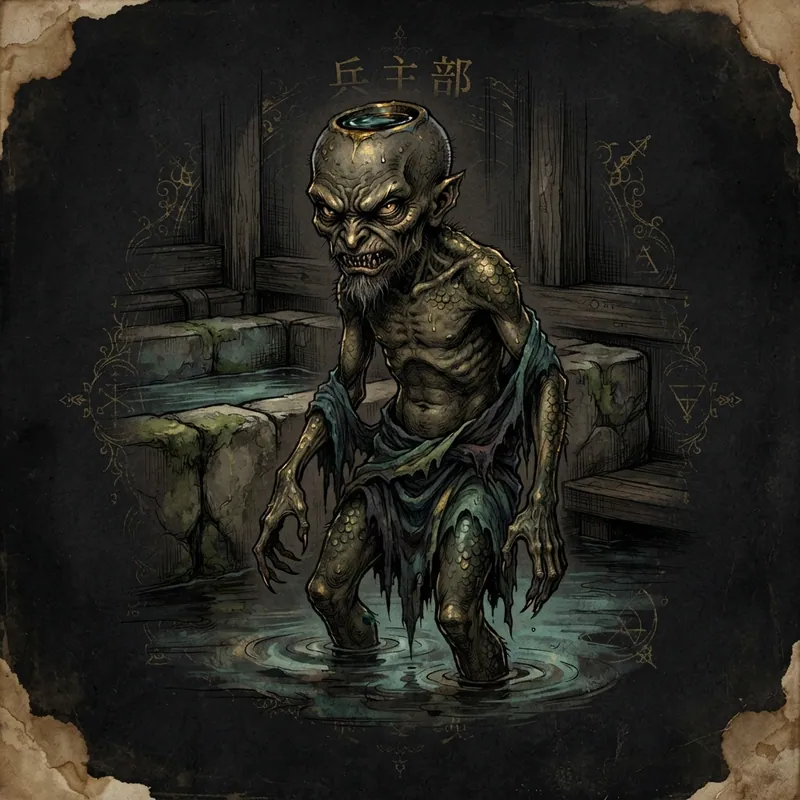
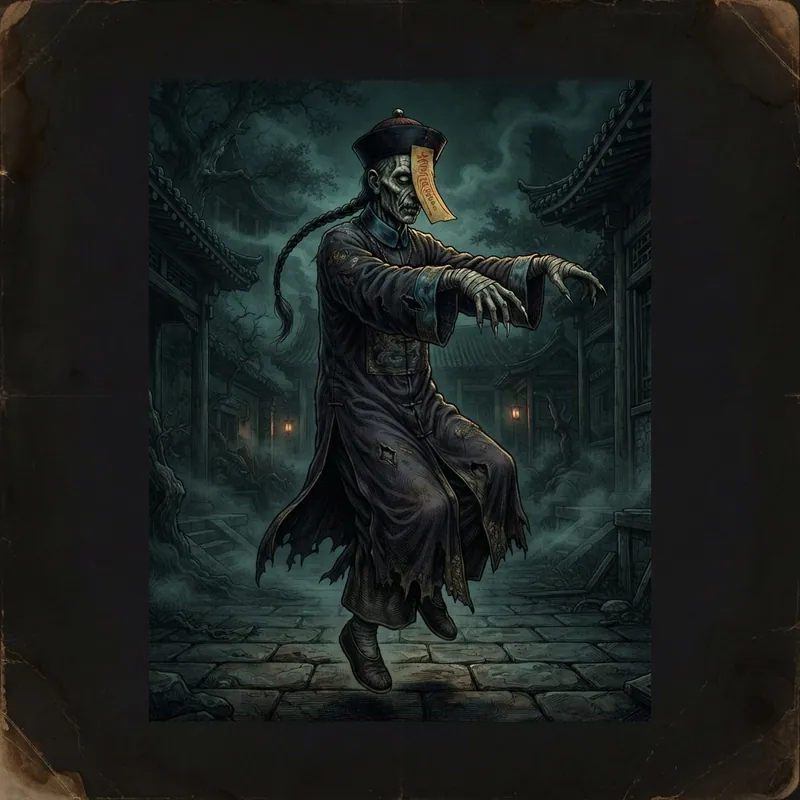
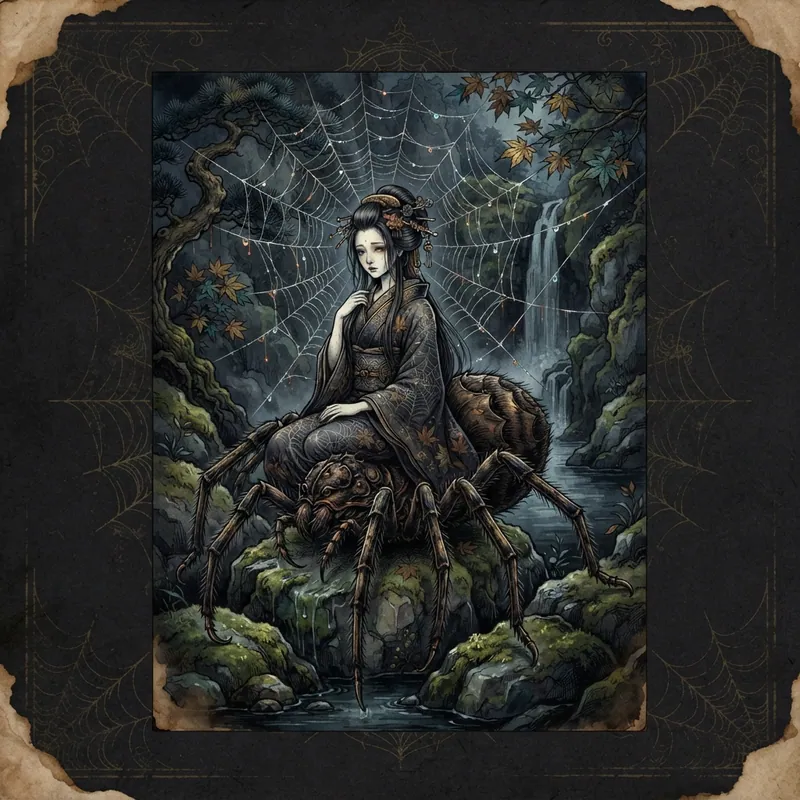
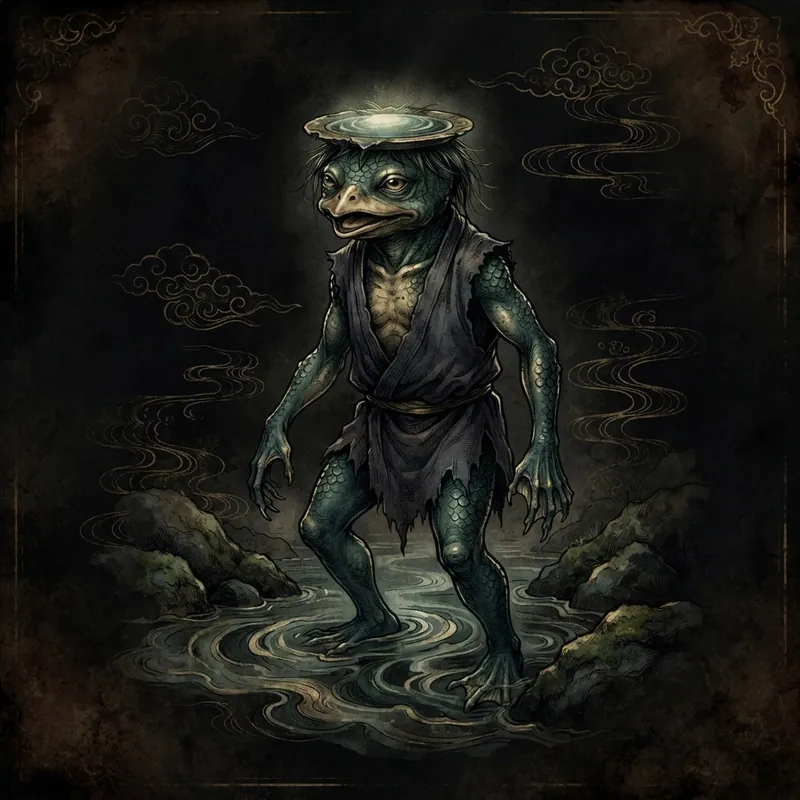
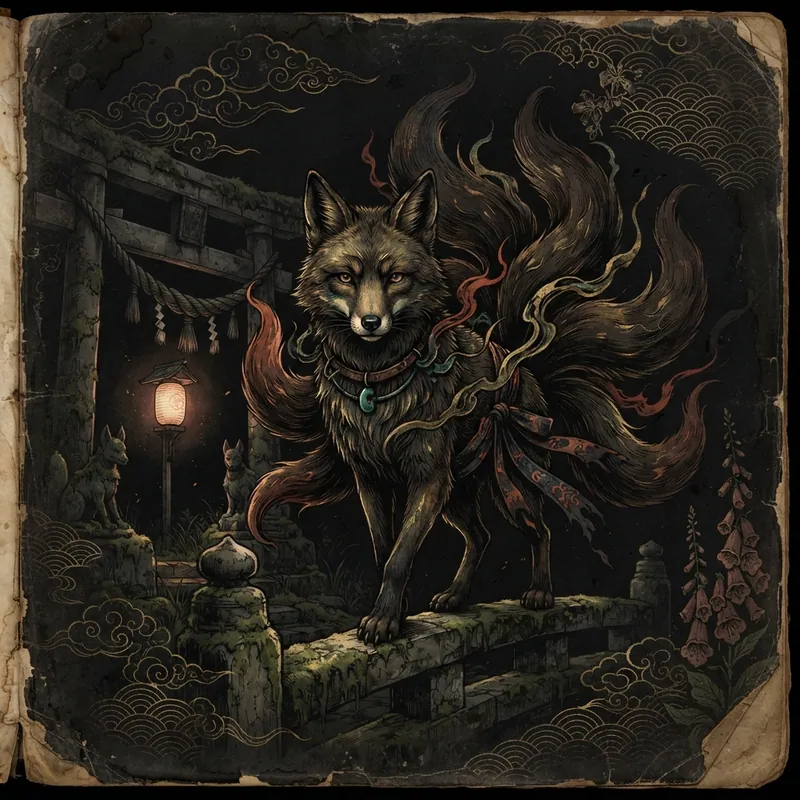
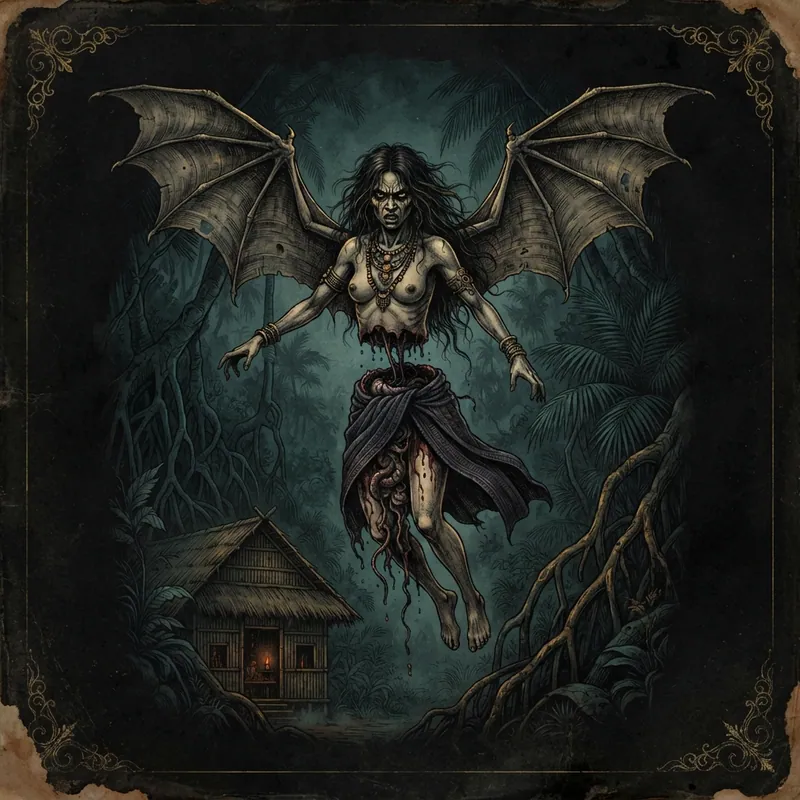
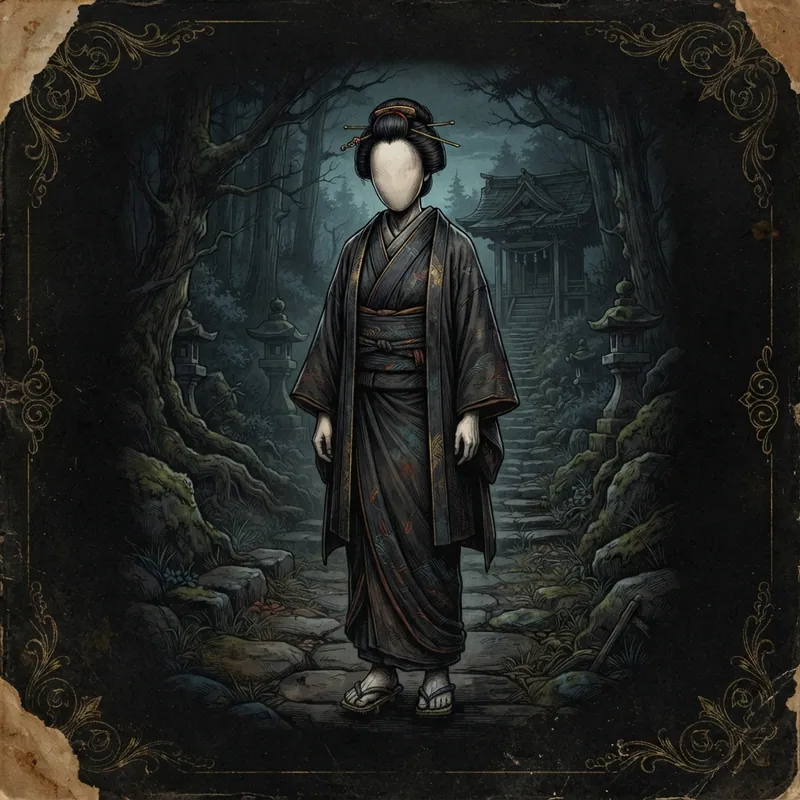
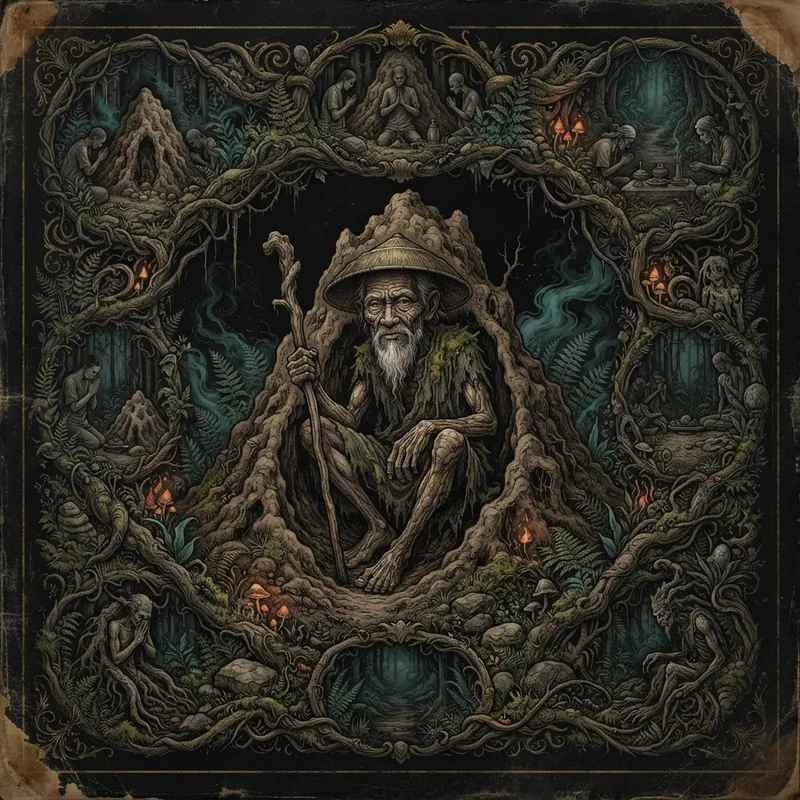
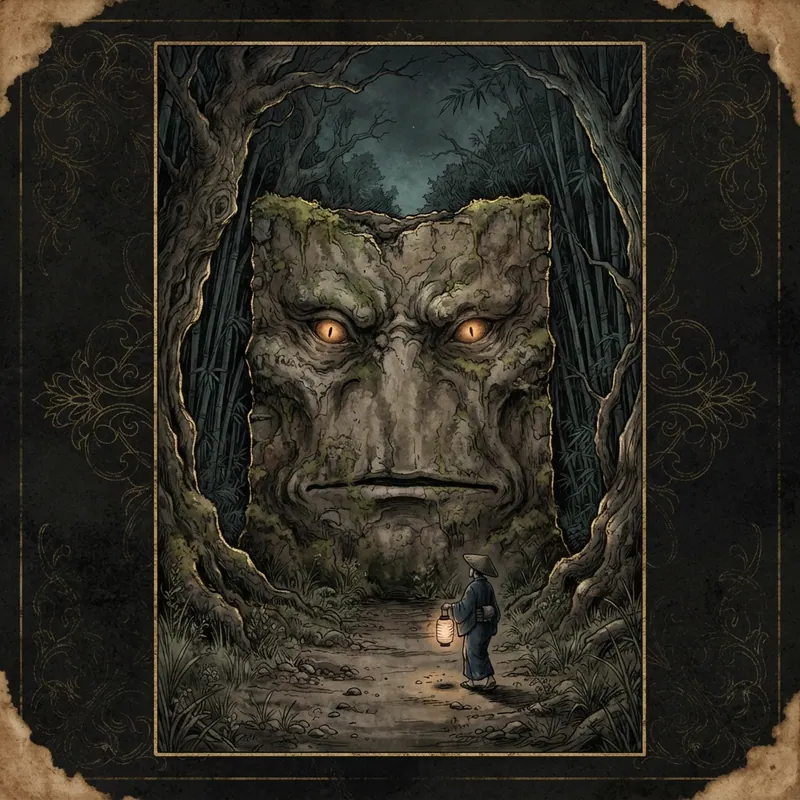
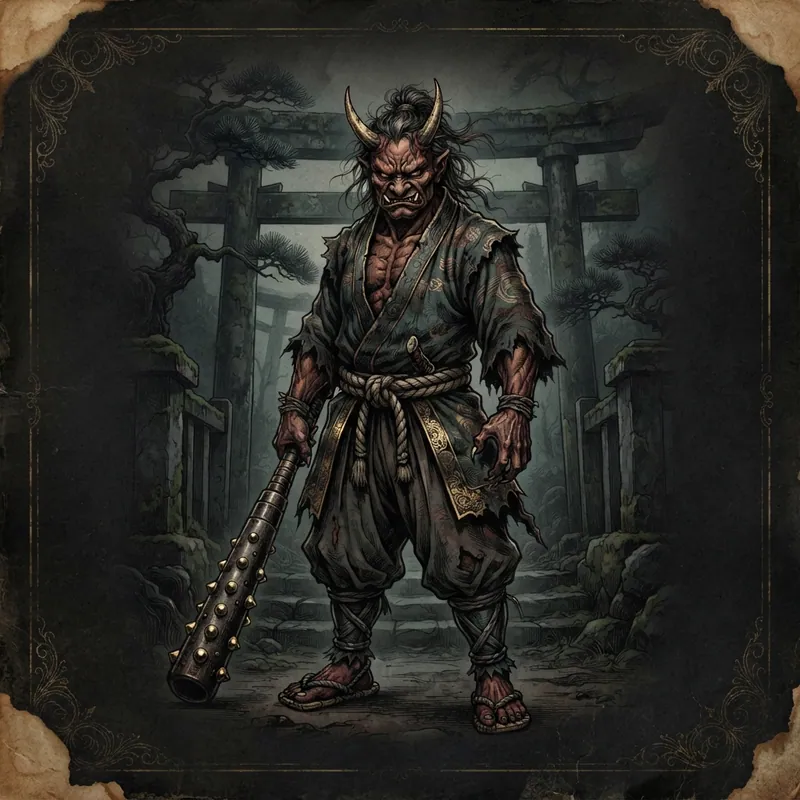
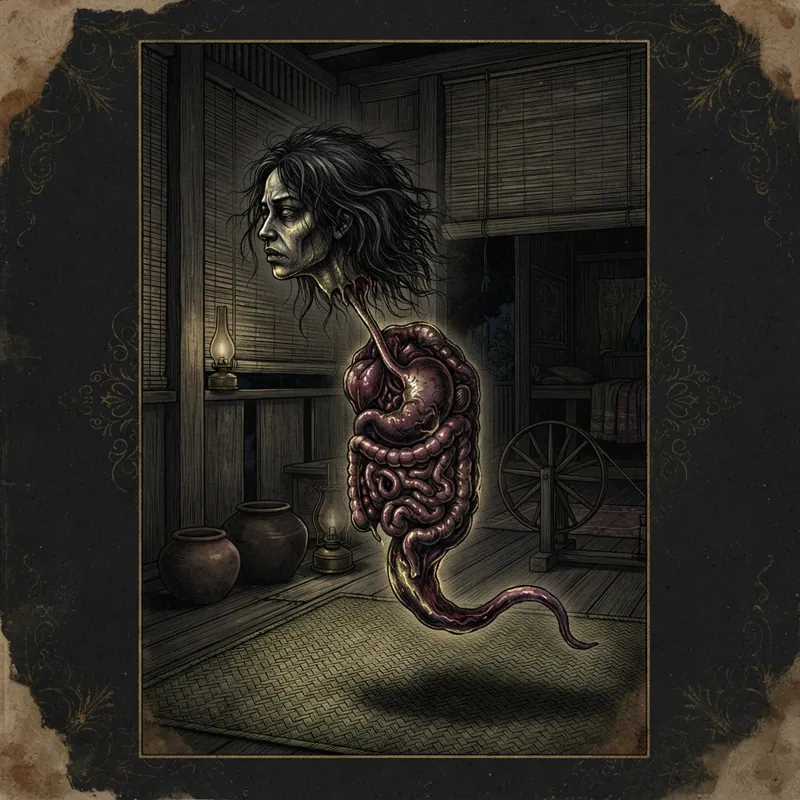
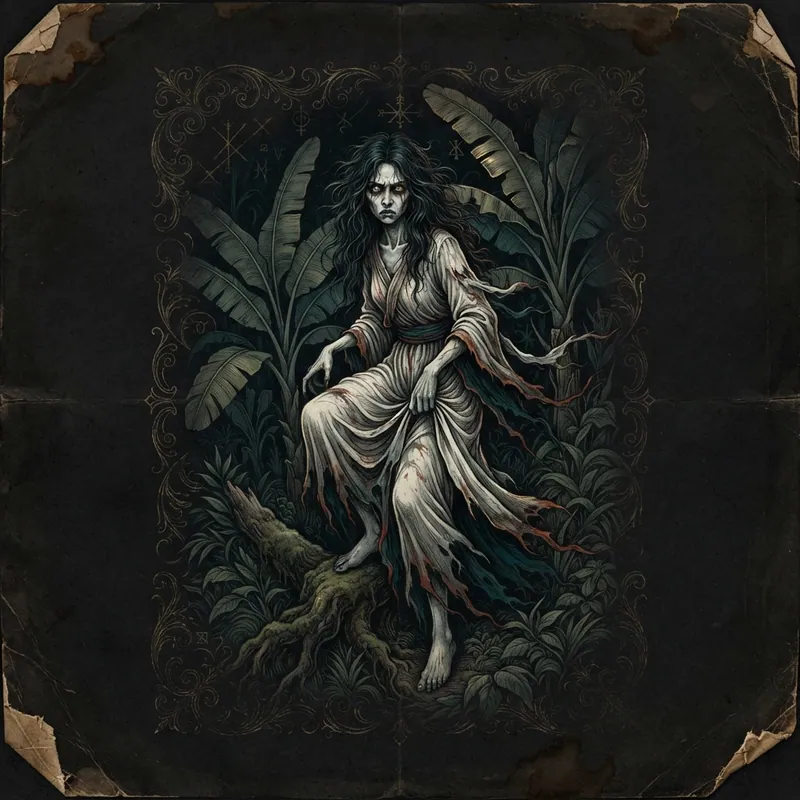
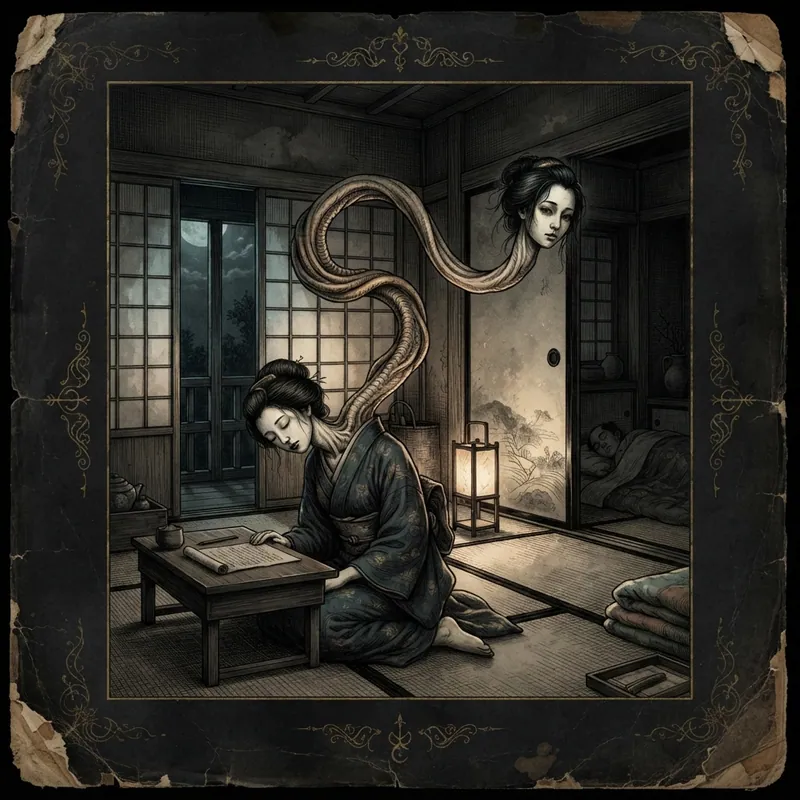
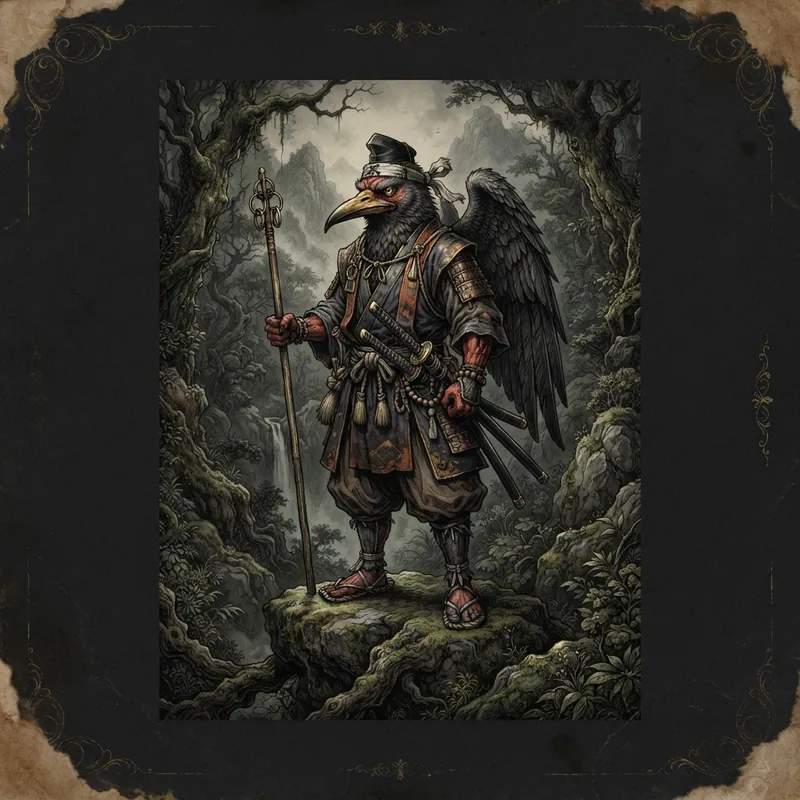
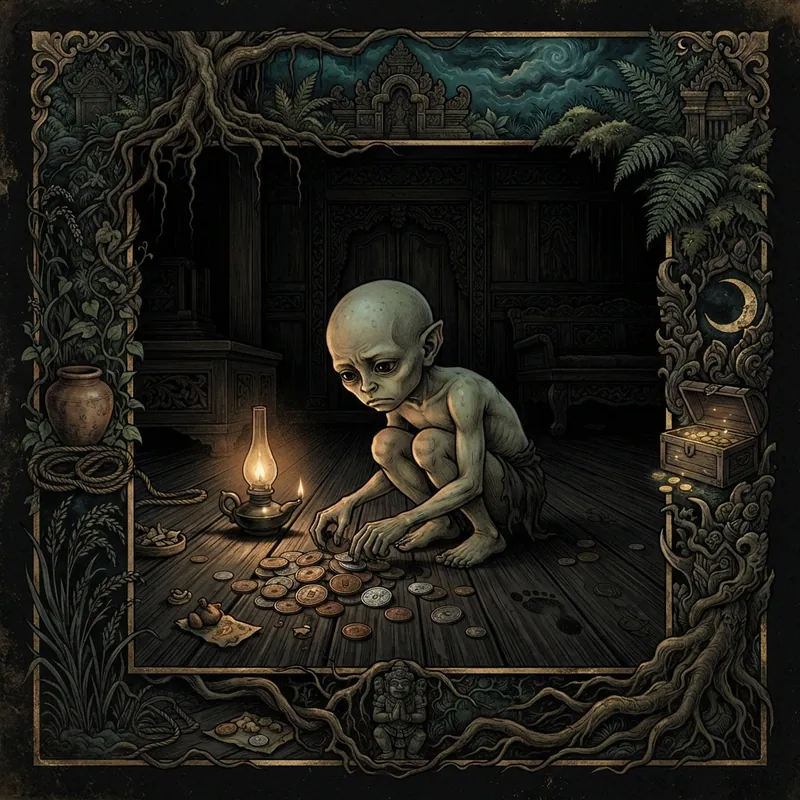
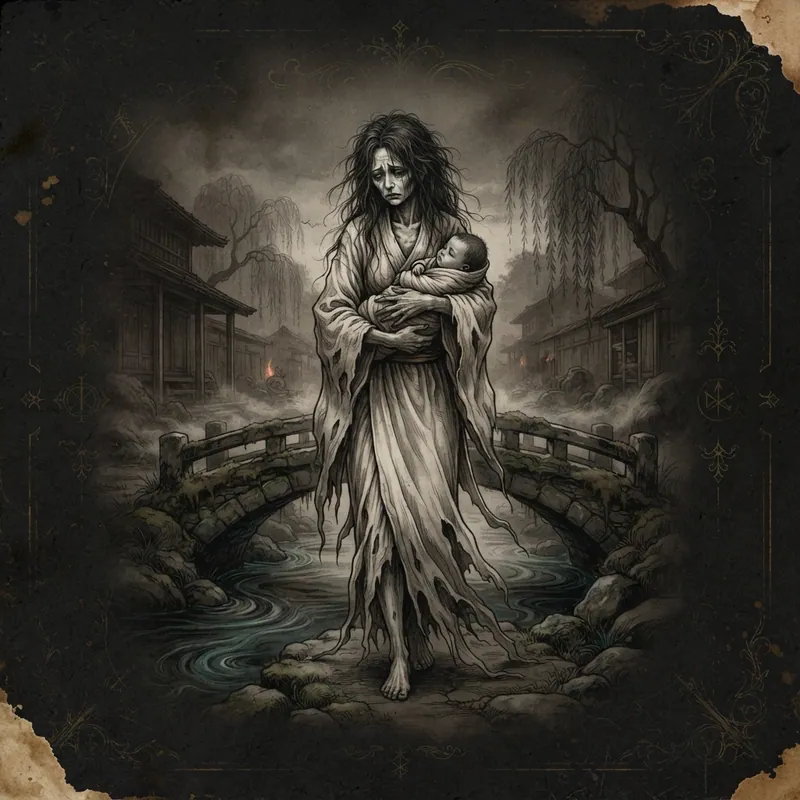
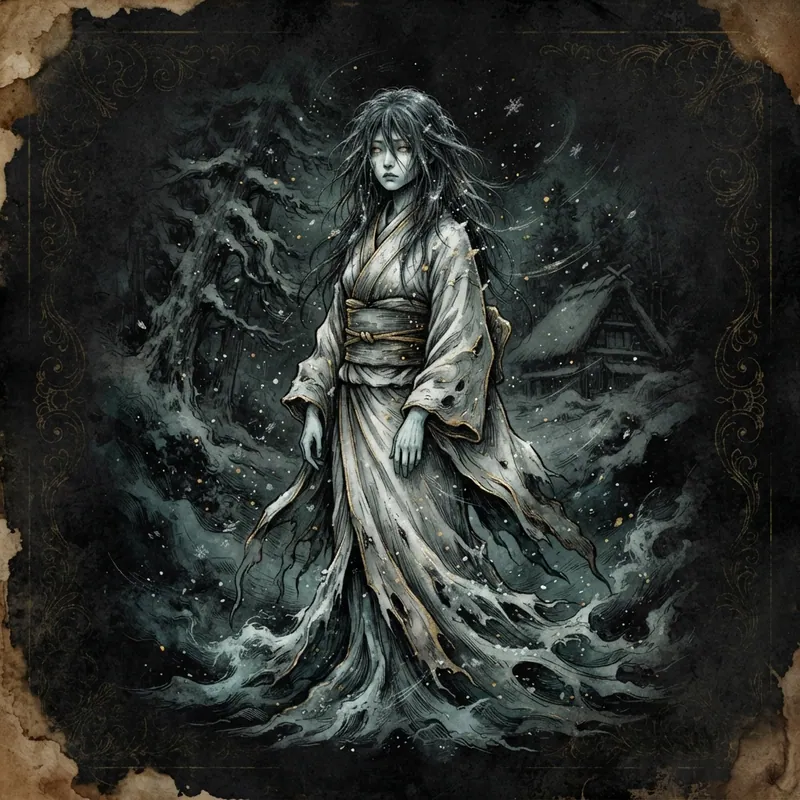
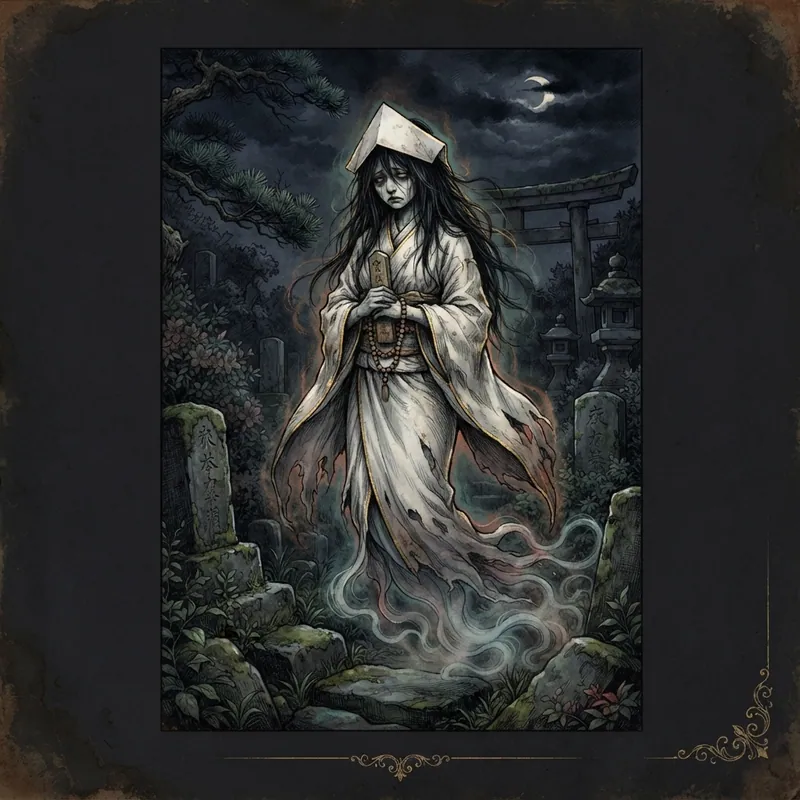
AkanameA yōkai associated with dirty bathrooms and neglected washing places, said to lick up the grime. A domestic warning dressed as a grotesque visitor.BulgasariA Korean legendary iron-eater whose name means, in one reading, the one that cannot be killed. Folktales make it a catastrophe of late Goryeo; folk craft also paints it on chimneys as a ward against nightmare and fire.Futakuchi-onnaA woman with a second mouth hidden in the back of her head, fed by writhing hair—often framed as a tale of neglected hunger, cruelty, or household injustice.GashadokuroA gigantic skeletal yōkai said to form from the bones of people who died of starvation or in battle without proper rites. Its approach is announced by a rattling, grinding sound.HyōsubeA kappa-like child of rivers and baths in Kyushu lore, known for invading bathhouses and leaving sickness or mischief behind. Local and kappa traditions overlap without being identical.JiangshiA hopping revenant of Chinese folklore and later popular culture, usually tied to a body animated by disrupted death rites or vital force.JorōgumoA spider yōkai in Japanese tradition, often imagined as able to take the form of a woman and lure travellers.KappaA water-dwelling yōkai in Japanese folklore, famous for mischief and for stories where manners, bargains, and rivers matter.KitsuneFox spirits in Japanese tradition, ranging from messengers of Inari to tricksters and lovers in disguise. Age and number of tails mark power; not every kitsune story is malevolent.ManananggalA nocturnal, flying figure in Philippine folklore, often described in regional stories as separating from its lower body to hunt at night.Noppera-bōThe faceless ghost of Japanese urban and roadside lore, often appearing first as an ordinary person before revealing a smooth, featureless face—a jolt more than a long chase.Nuno sa PunsoThe ‘old one of the mound’: a Philippine ancestral earth spirit dwelling in anthills and termite mounds. People ask leave before passing. Disturbance brings illness; respect keeps the ground quiet.NurikabeA yōkai that appears as an invisible or plaster-like wall, blocking travellers at night. Folklore remedies include tapping the base; the joke and the dread share the same obstacle.OniOgre-like beings in Japanese storytelling and festival imagery, associated with punishment, otherworldly strength, and the driving-out of misfortune (as in Setsubun). Many local and literary variants exist.PenanggalanA Malay nocturnal being, often a midwife or woman practicing dark arts, whose head and entrails detach to hunt. Related to but distinct from the Philippine manananggal.PontianakA female ghost figure found in Malay-language folklore, with local versions and names that shift across the region.RokurokubiA yōkai whose neck stretches enormously at night while the body sleeps or sits still. Some tellings treat the person as unaware; others as knowing and predatory.TenguMountain beings of Japanese folklore, once feared as demons of pride and disruption, later also imagined as martial teachers and protectors of sacred peaks. Crow and human-like forms both appear.TuyulA child-shaped spirit of Indonesian and Malay folklore, spoken of as a familiar that steals wealth for a keeper. Often imagined in connection with the unsettled dead of infancy. This entry is a warning about greed, not a recipe.UbumeA spirit associated with women who died in childbirth in Japanese lore, often appearing near water or bridges and testing the living with a baby that becomes impossibly heavy.Yuki-onnaThe snow woman of Japanese folklore, appearing in mountain storms as a beautiful, deadly figure of cold. Motives range from predation to strange mercy depending on the tale.YūreiSpirits of the dead that linger for unresolved reasons — often bound to places, objects, or grudges — until the matter that holds them is finally settled.
 ⌂
⌂ ⌬
⌬ ☾
☾ ✦
✦ ≈
≈ ✦
✦ ◎
◎ ≈
≈ ◎
◎ ◎
◎ ◎
◎ ⌂
⌂ ☾
☾ ☾
☾ ☾
☾ ✦
✦ ☾
☾ ♧
♧ ⌂
⌂ ✦
✦ ☾
☾ ◌
◌Eastern Europe · 3
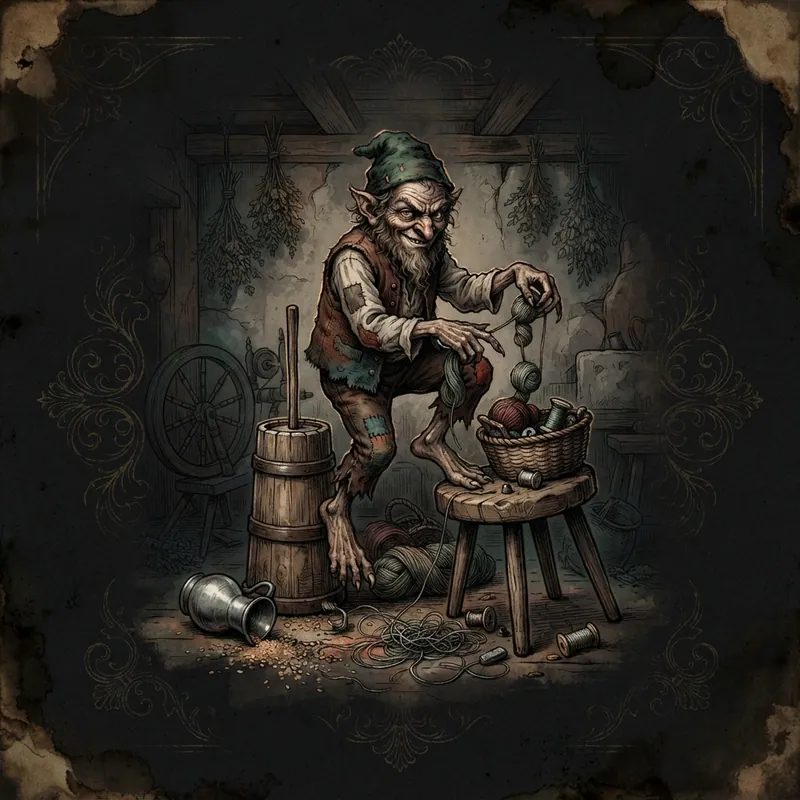
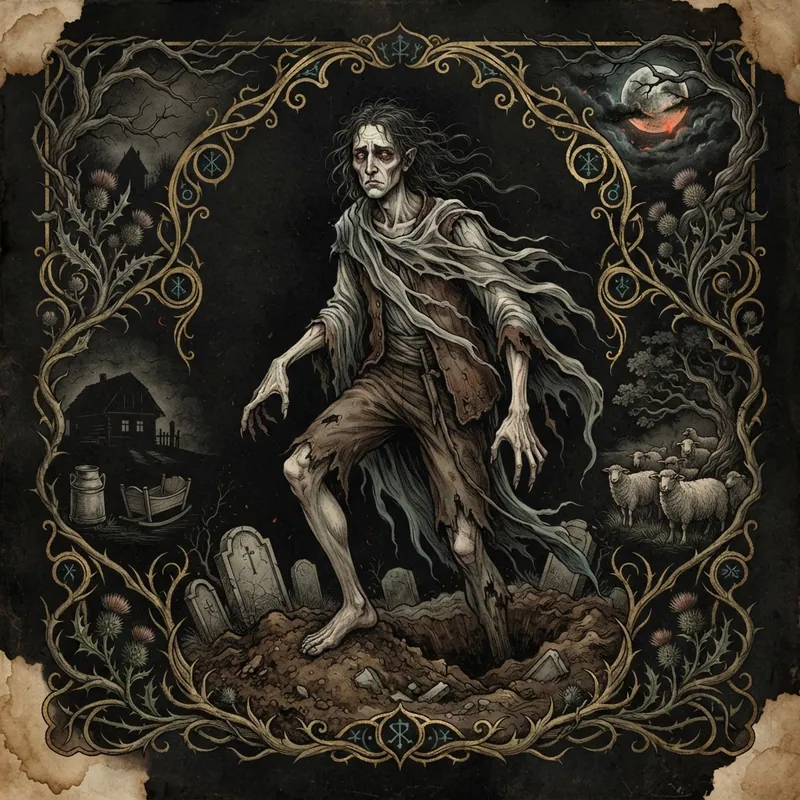
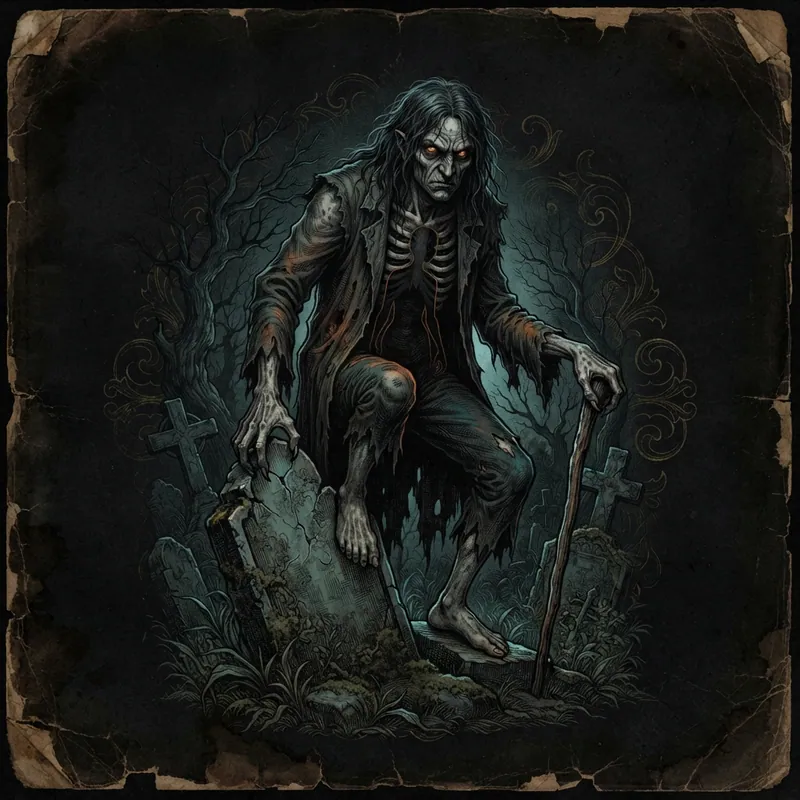
PsotnikA mischievous domestic or farm spirit in Polish lore, closer to a trickster of chores and objects than a graveyard horror—still capable of spoiling work and temper.StrigoiIn Romanian folklore a strigoi may be a living person whose soul wanders at night, or a dead revenant who returns to trouble family and herd. Distinct from the Polish strzyga and from literary Dracula.StrzygaIn Polish and related lore, a strzyga (or striga) is often a person born with two souls or two hearts who becomes a predatory undead after death. Folklore and later fiction should not be collapsed into one rule.
 ⌂
⌂ ☠
☠ ✦
✦Europe & the North · 4
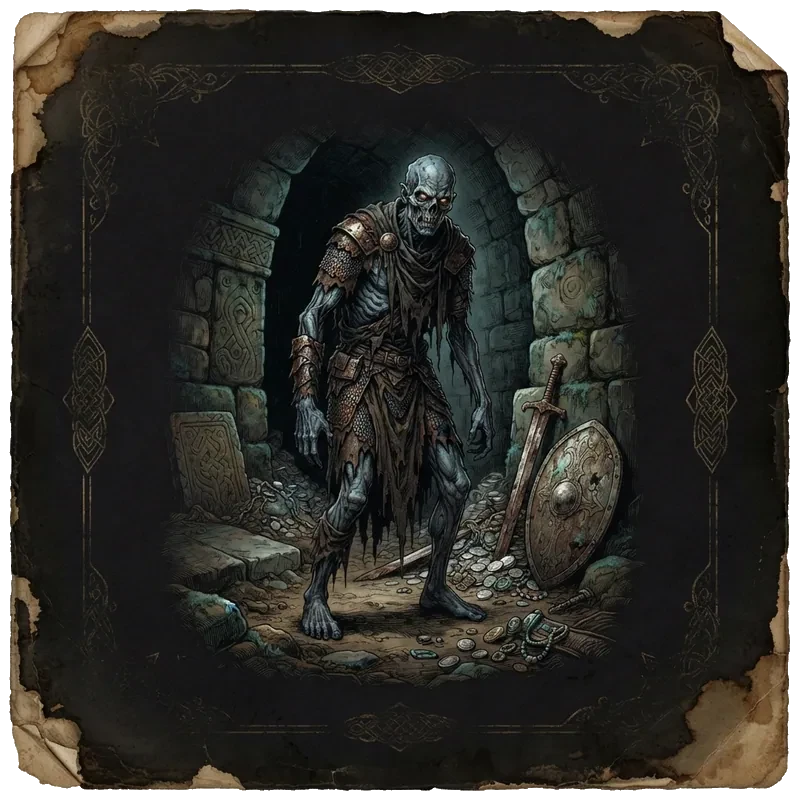
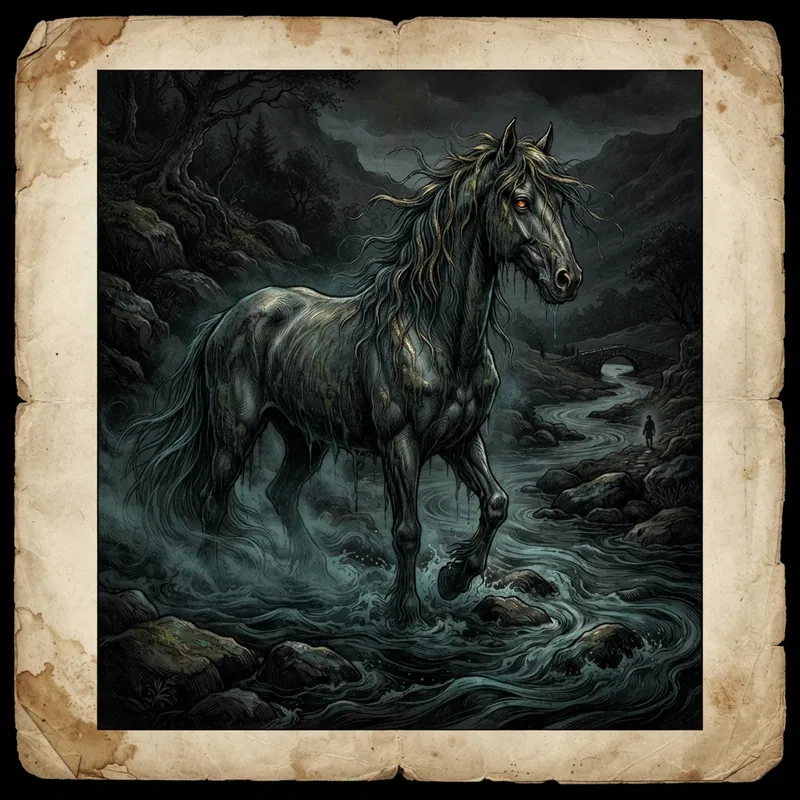
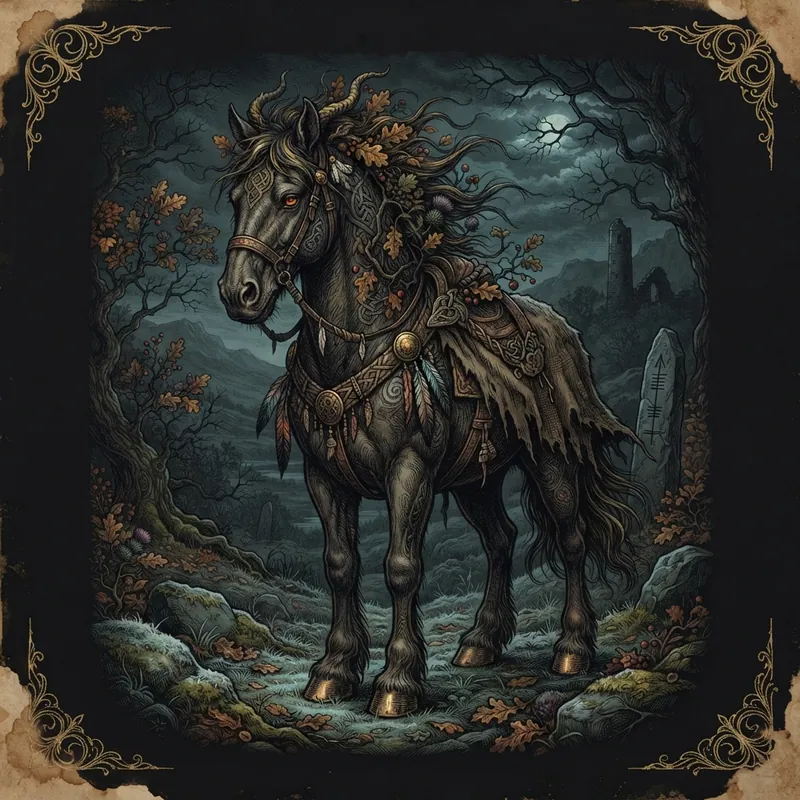
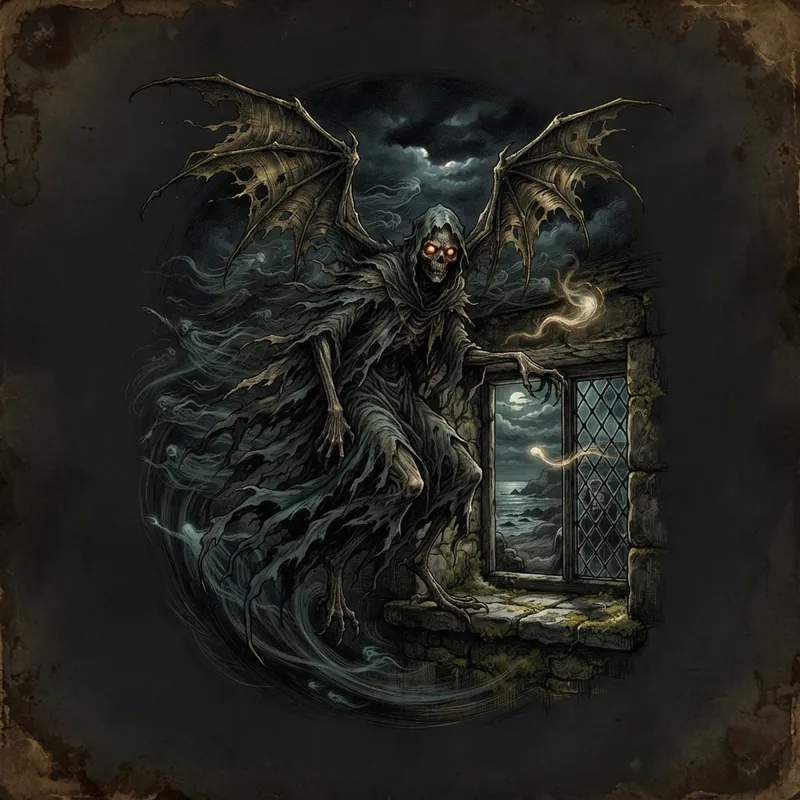
DraugrAn animated dead figure of Norse and Icelandic saga tradition, often guarding treasure in a mound and possessing terrible strength. Distinct from later generic zombie imagery.KelpieA shape-changing water spirit of Scottish folklore, often appearing as a horse and luring riders toward a fatal river or loch.PúcaA mercurial shape-changing being in Irish folklore, sometimes frightening, sometimes helpful, and rarely reducible to a single moral.The SluaghIn Gaelic lore, a host of restless dead said to fly in from the west and attempt to claim souls of the dying. Windows on the west side were sometimes watched with care.
 ✦
✦ ≈
≈ ◎
◎ ☾
☾South Asia · 3
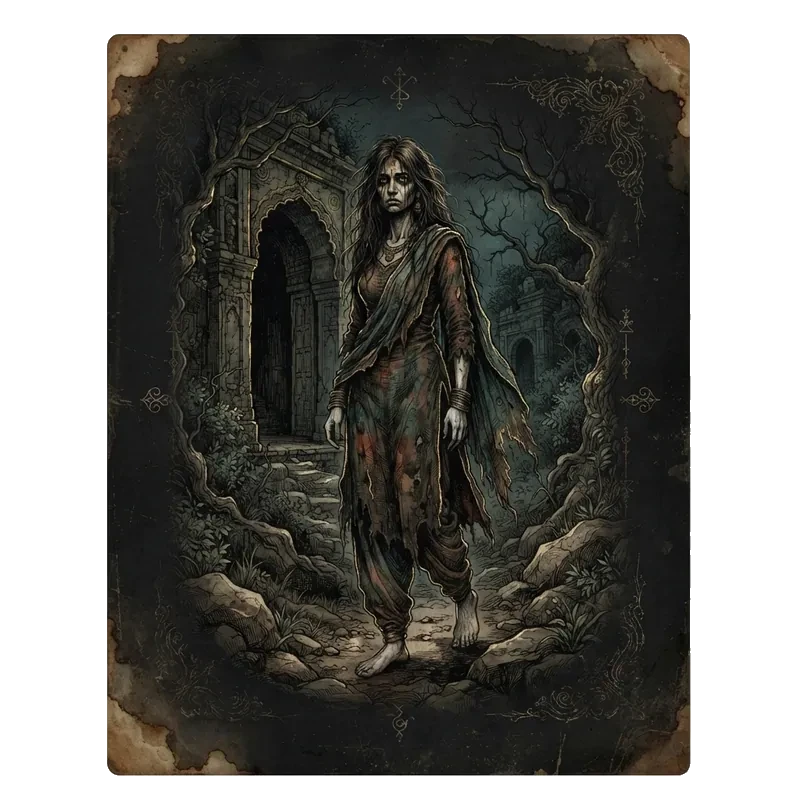
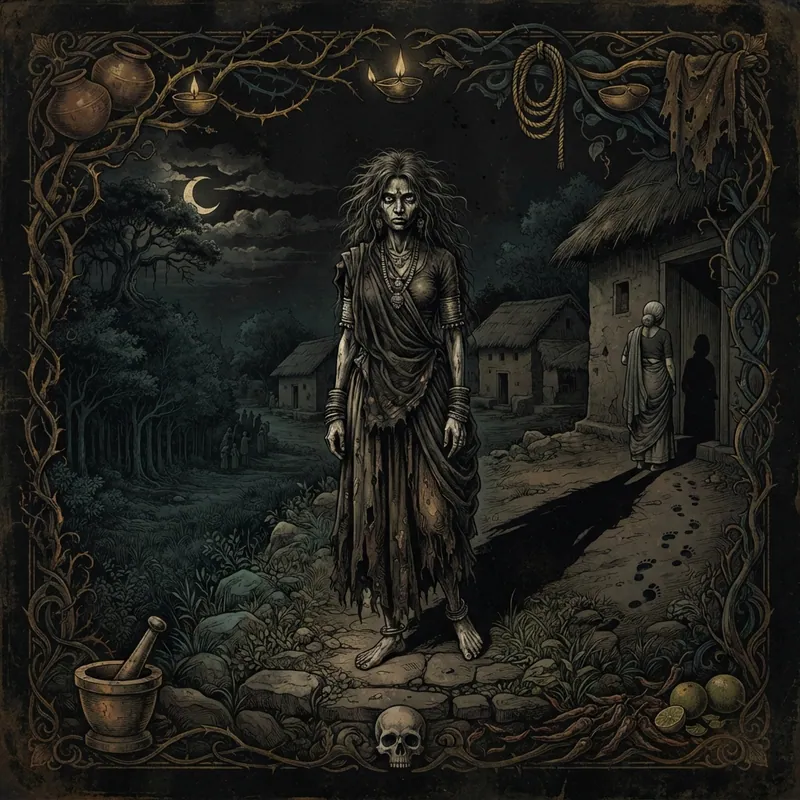
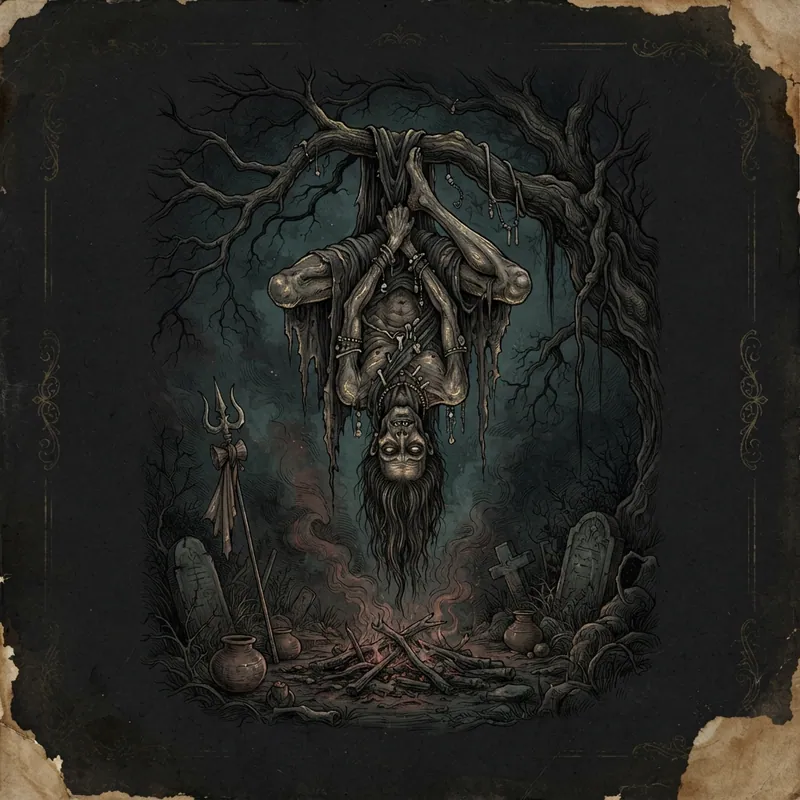
ChurelA female revenant figure in varied South Asian traditions, often linked in stories to injury, injustice, or a death outside the expected order.DaayanIn North Indian folklore, a daayan (ḍāin) is a malevolent female spirit or witch-figure, often linked to dakini traditions. The same name has been used in accusations against living women; this record holds both the tale and that social history without offering a hunt.VetālaA spirit associated with corpses and cremation grounds in Sanskrit and regional storytelling traditions, notably in tales built around riddles and moral dilemmas.
 ✦
✦ ✴
✴ ✦
✦The Americas · 6
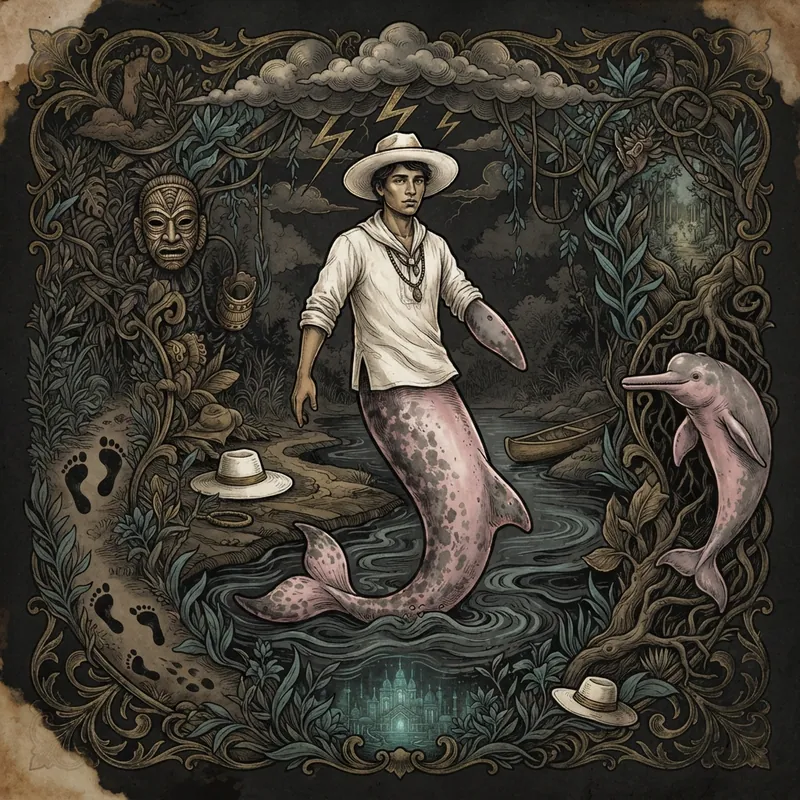
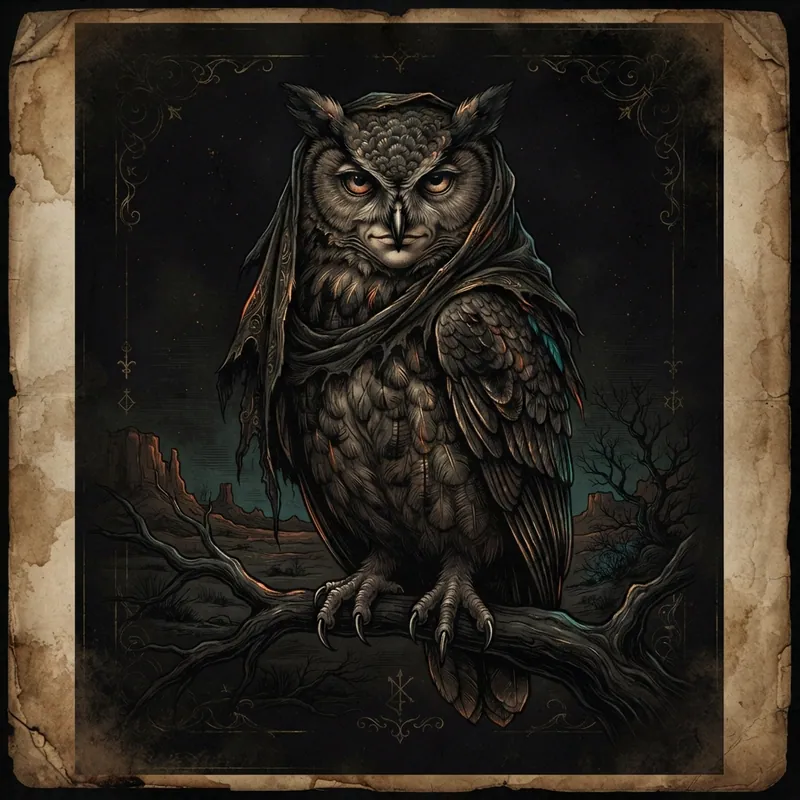
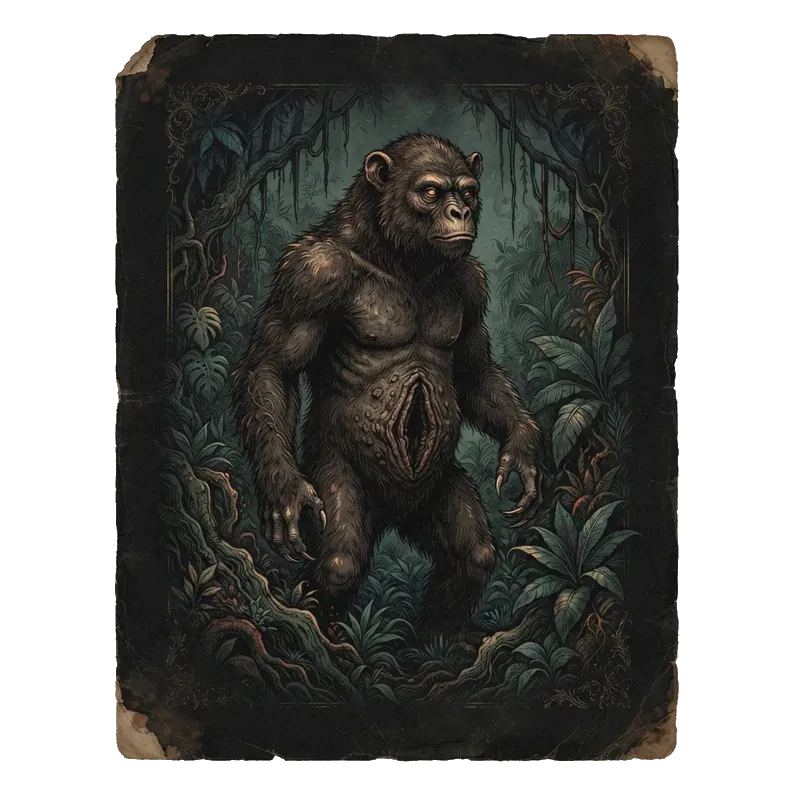
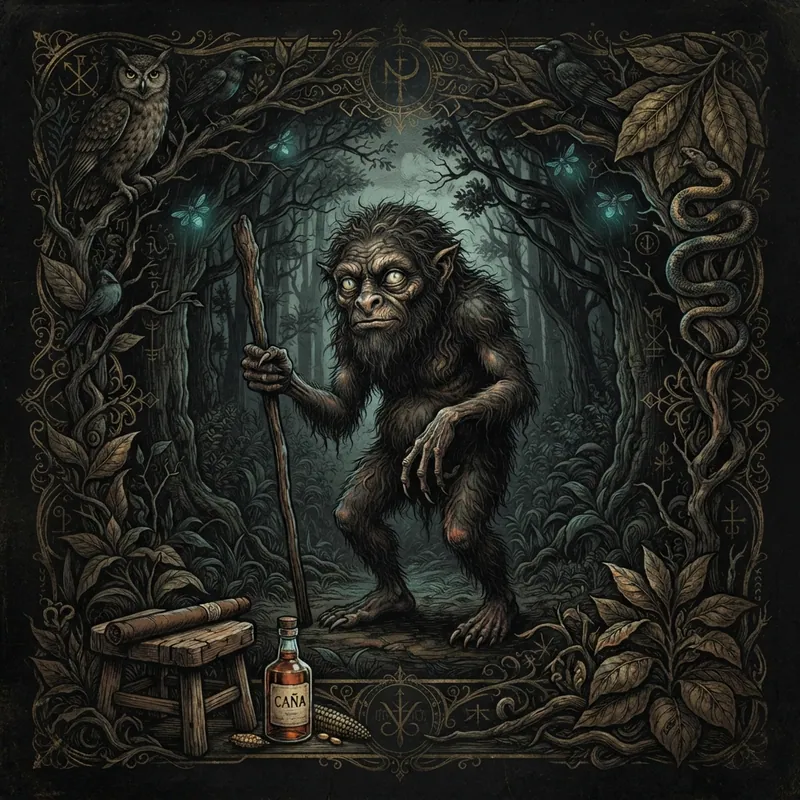
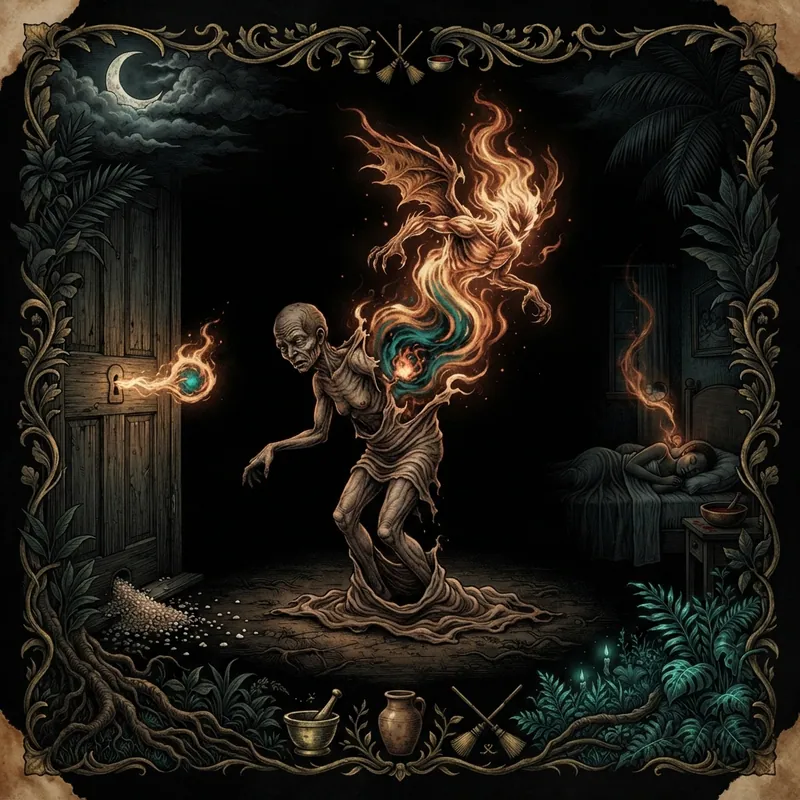
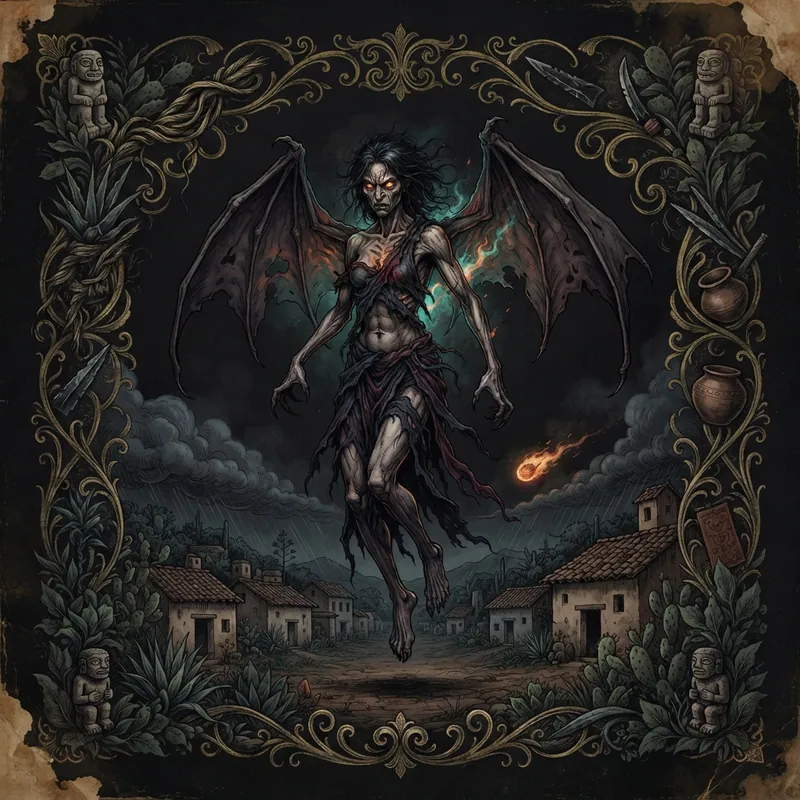
EncantadoAmazonian encantados: river dolphins, especially the pink boto, who take human form, dance at festivals, seduce, and carry people to the Encante, a city under the water. Living Amazon tradition of Brazil and neighbouring Peru, not a generic mermaid and not the same as Iara.La LechuzaA witch-owl figure of Mexican and borderlands storytelling, often a shapeshifting woman who takes owl form to hunt or curse at night. Versions differ between family and region.MapinguariA formidable creature from Amazonian stories and later cryptid retellings, linked to the dense forest and the boundaries of the known.PomberoA short, hairy, often invisible night being of Guaraní Paraguay and neighbouring Brazil: Karai Pyhare, lord of the night, also called Pomberito. Guardian of birds and forest, trickster of barns and paths. Keep the Guaraní names; he is not a generic Latin American duende.SoucouyantA Creole and African-diaspora night figure of Trinidad and the wider Caribbean: by day an ordinary neighbour, by night a skin-shedder who travels as fire and takes blood. Not a generic European vampire; salt, rice-counting, and dawn belong to this tradition’s own logic.TlahuelpuchiA Tlaxcalan blood-witch complex: a person, usually a woman, born to a hunger that takes animal or fireball form at night. Living, sensitive Nahua-Mexican belief documented by Nutini and Roberts. Not a how-to, not a Halloween vampire.
 ◎
◎ ◎
◎ ◒
◒ ♧
♧ ◎
◎ ◎
◎