THE CONCORDANCE
Running water
26 records across 16 traditions carry this current.
Africa & the Middle East · 3
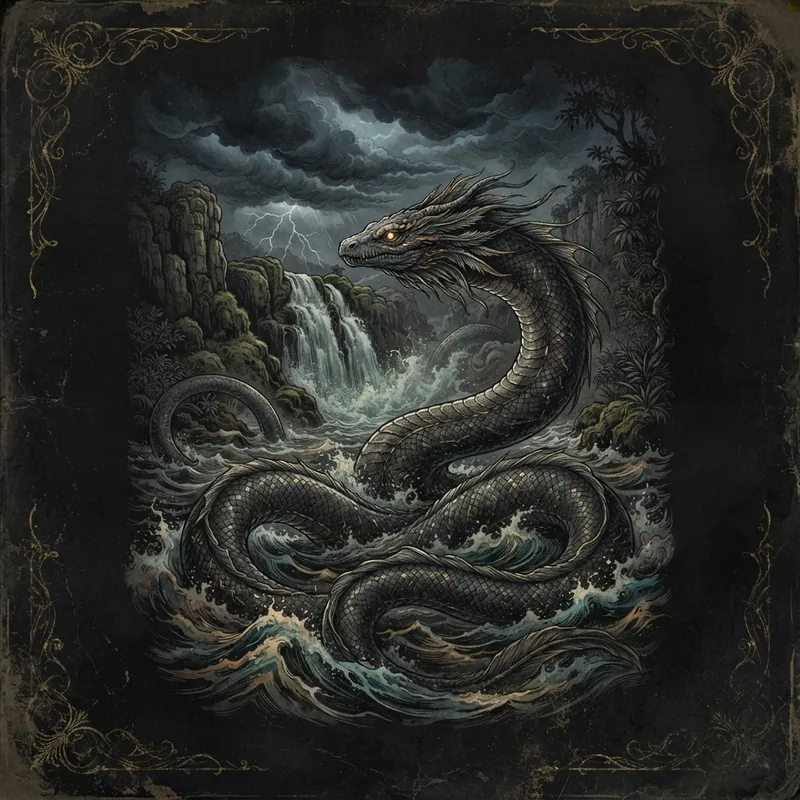
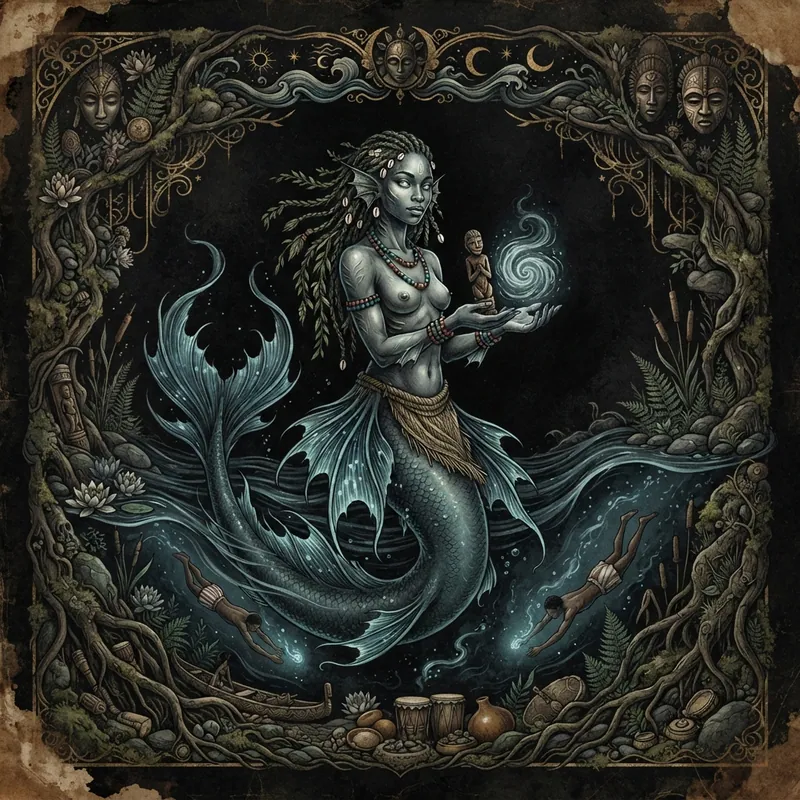
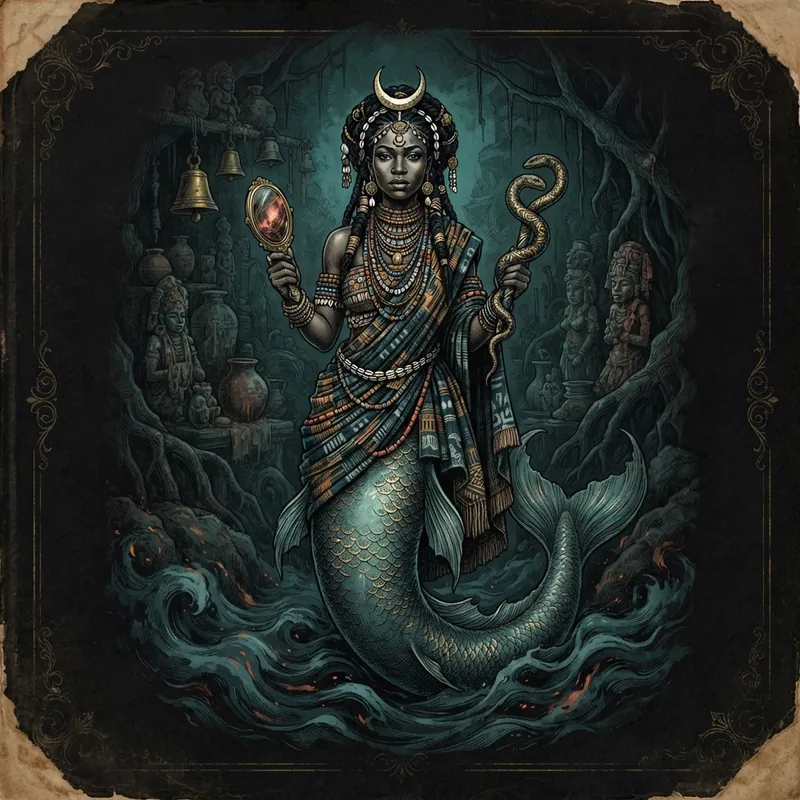
InkanyambaA large serpentine being associated especially with Howick Falls and summer storms in Zulu and related traditions. Weather, place, and being are bound together.JenguAmong the Sawa peoples of coastal Cameroon, a jengu (plural miengu; Bakweri liengu) is a water spirit of river, estuary, and sea. Living cults honour miengu as healers, fortune-bringers, and intermediaries with the ancestors, especially in the Duala Ngondo rites on the Wouri.Mami WataA powerful water spirit complex across West/Central Africa and the diaspora, associated with beauty, wealth, danger, and devotion. Not a single mermaid stereotype; practices and meanings are living and diverse.
 ≈
≈ ≈
≈ ≈
≈Asia & the Isles · 3
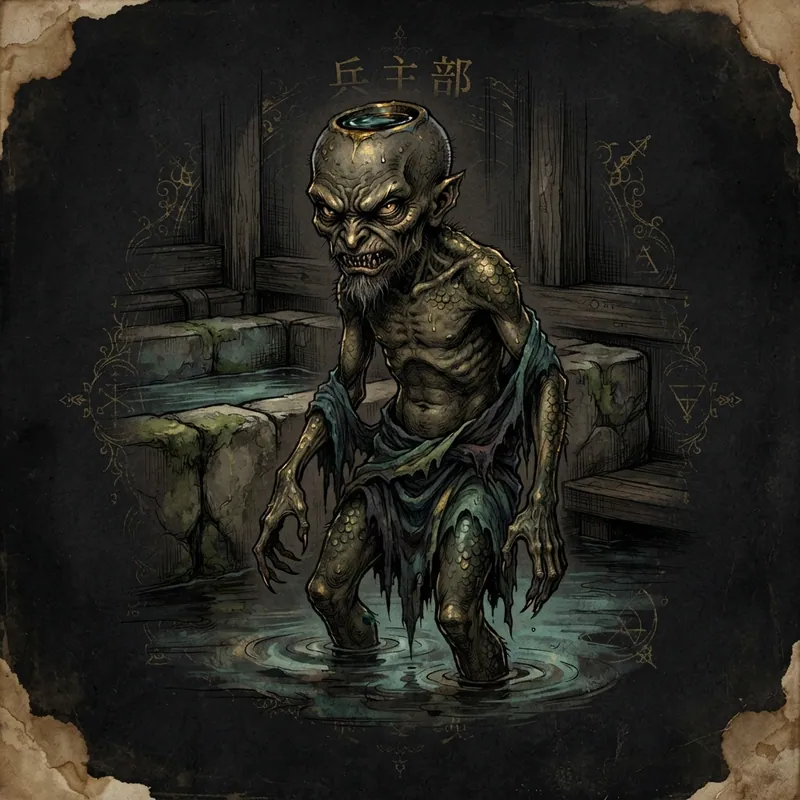
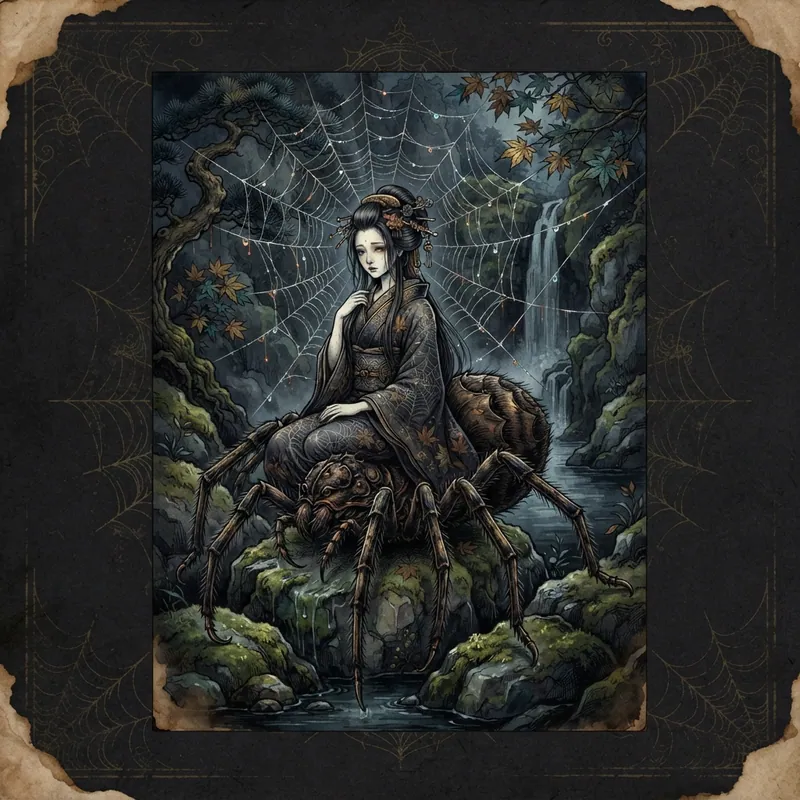
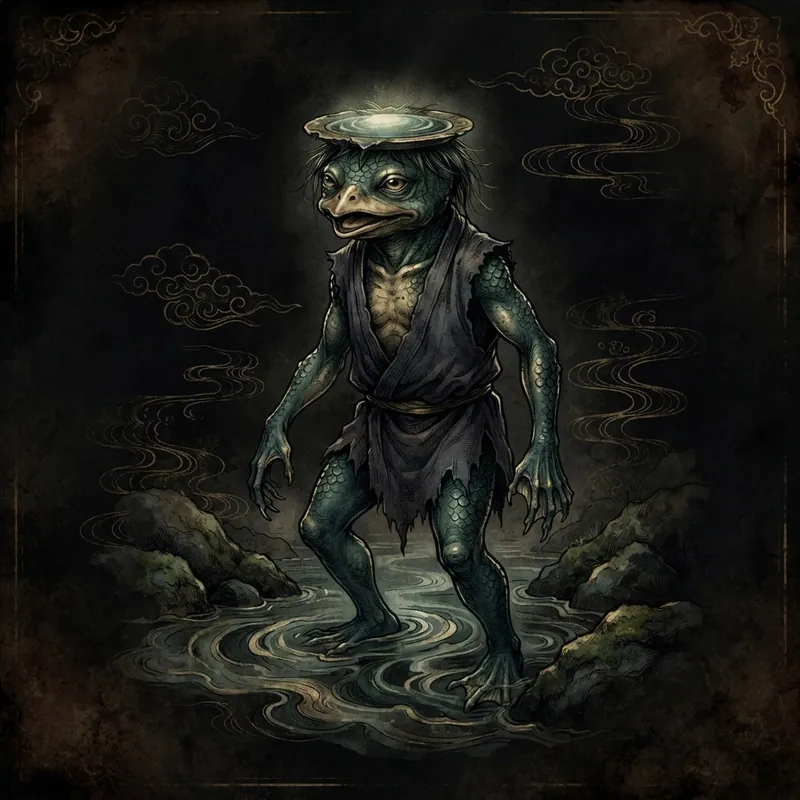
HyōsubeA kappa-like child of rivers and baths in Kyushu lore, known for invading bathhouses and leaving sickness or mischief behind. Local and kappa traditions overlap without being identical.JorōgumoA spider yōkai in Japanese tradition, often imagined as able to take the form of a woman and lure travellers.KappaA water-dwelling yōkai in Japanese folklore, famous for mischief and for stories where manners, bargains, and rivers matter.
 ≈
≈ ◎
◎ ≈
≈Eastern Europe · 11
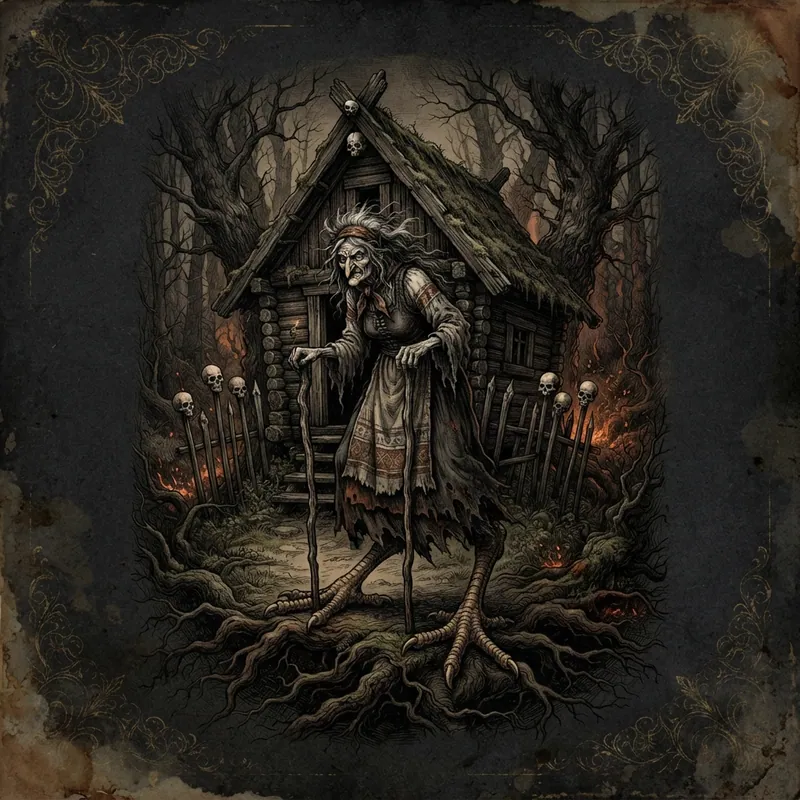
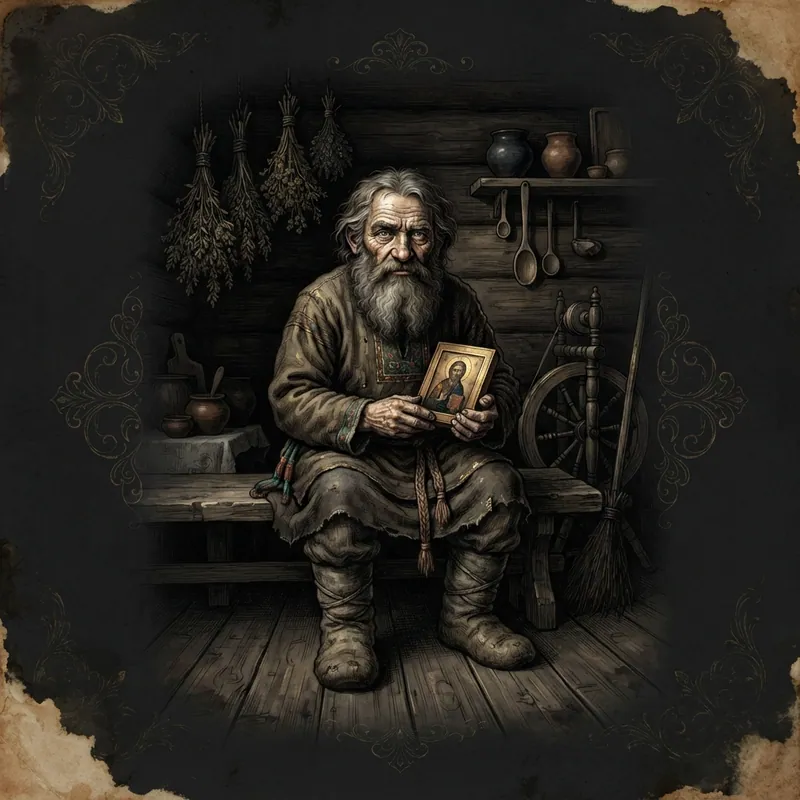
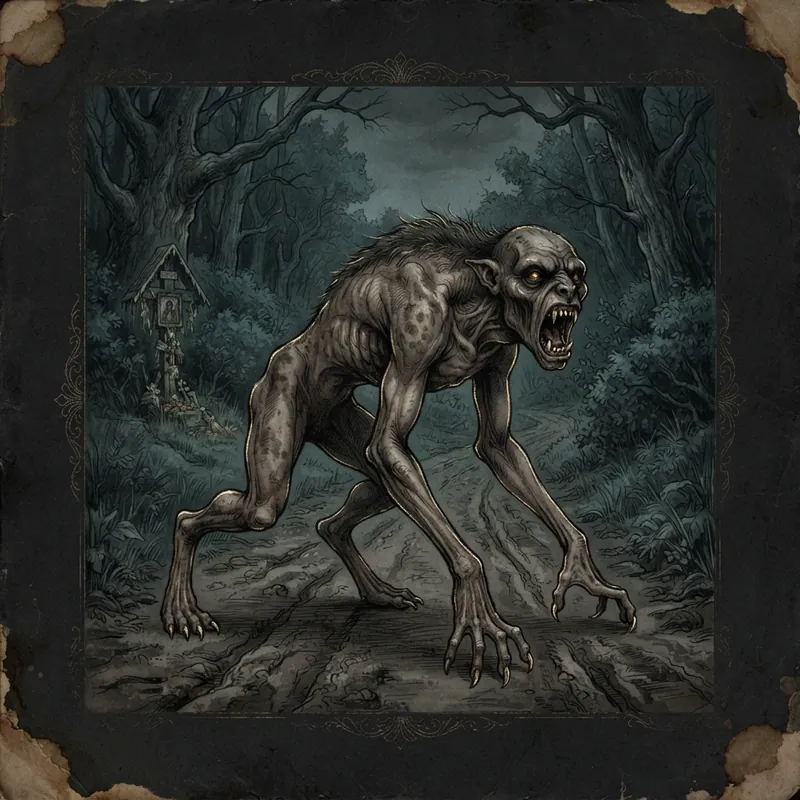
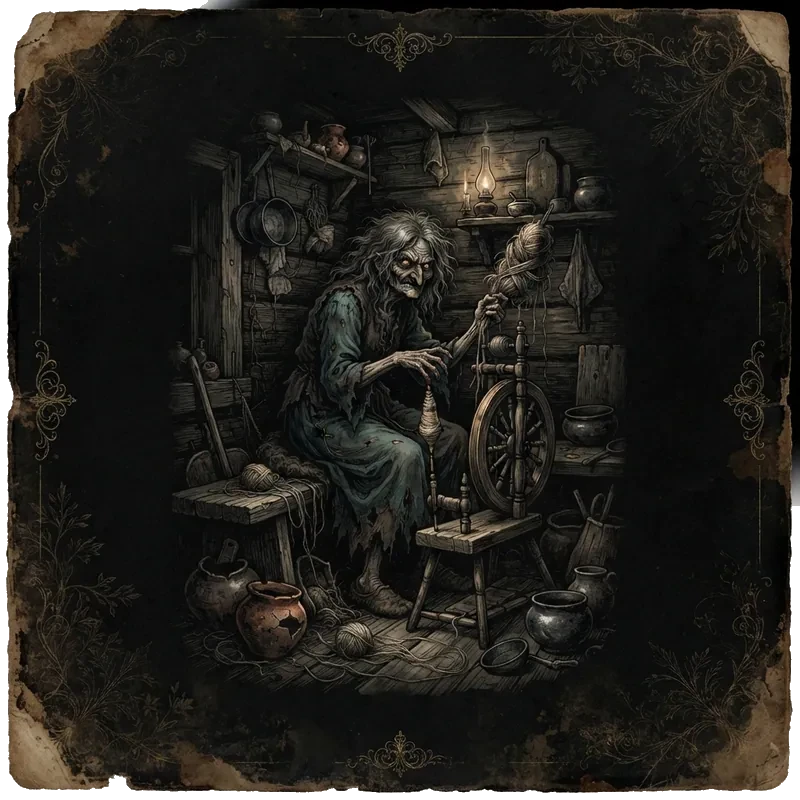
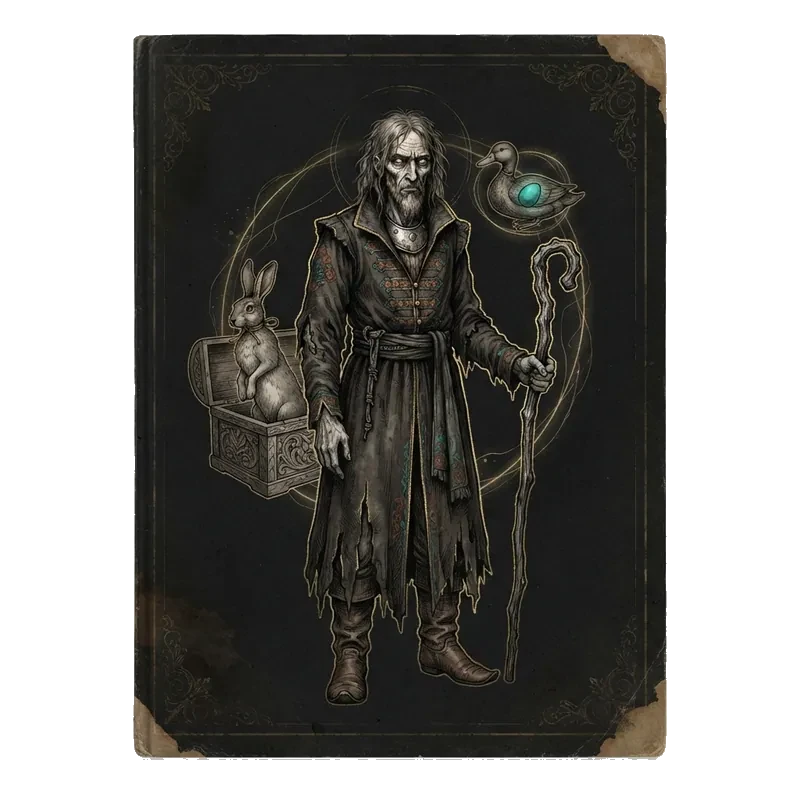
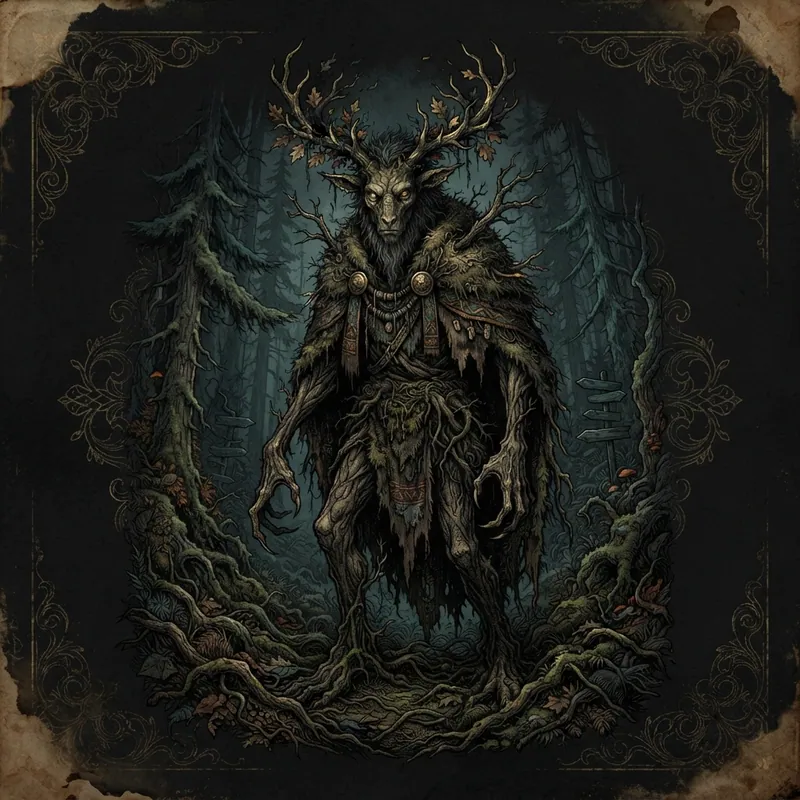
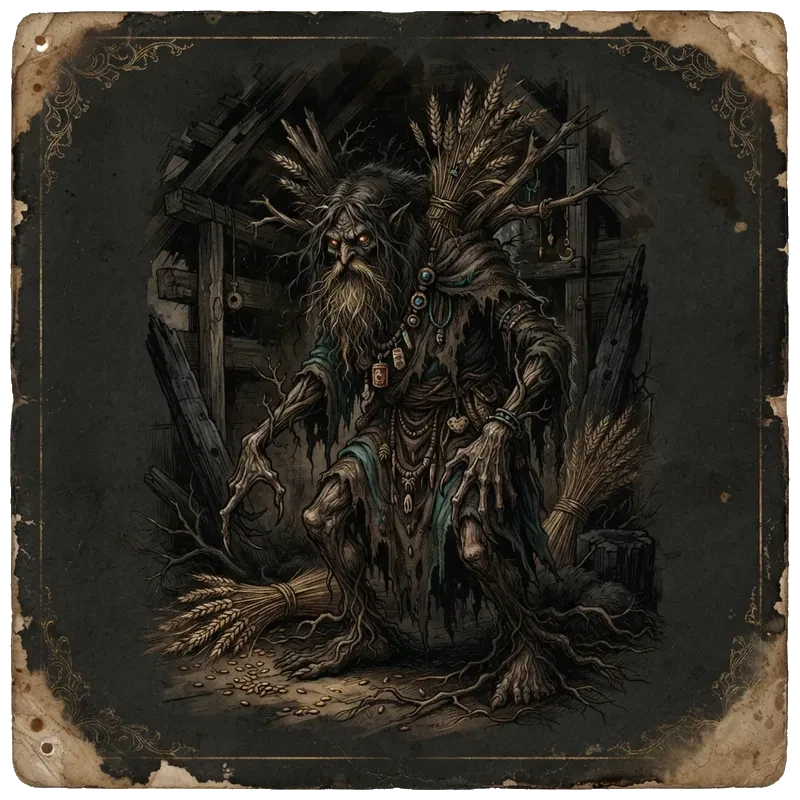
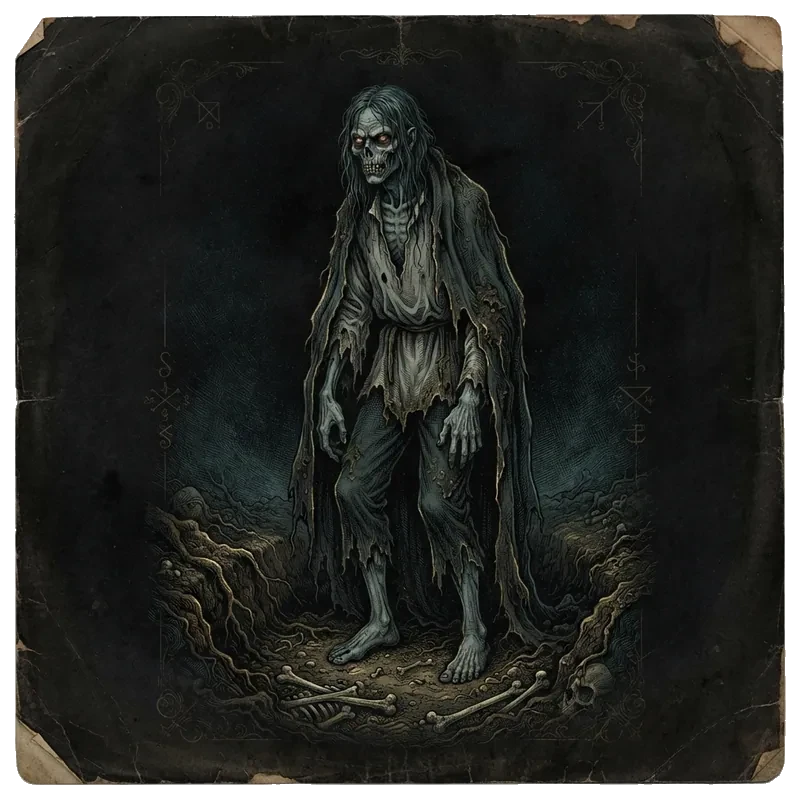
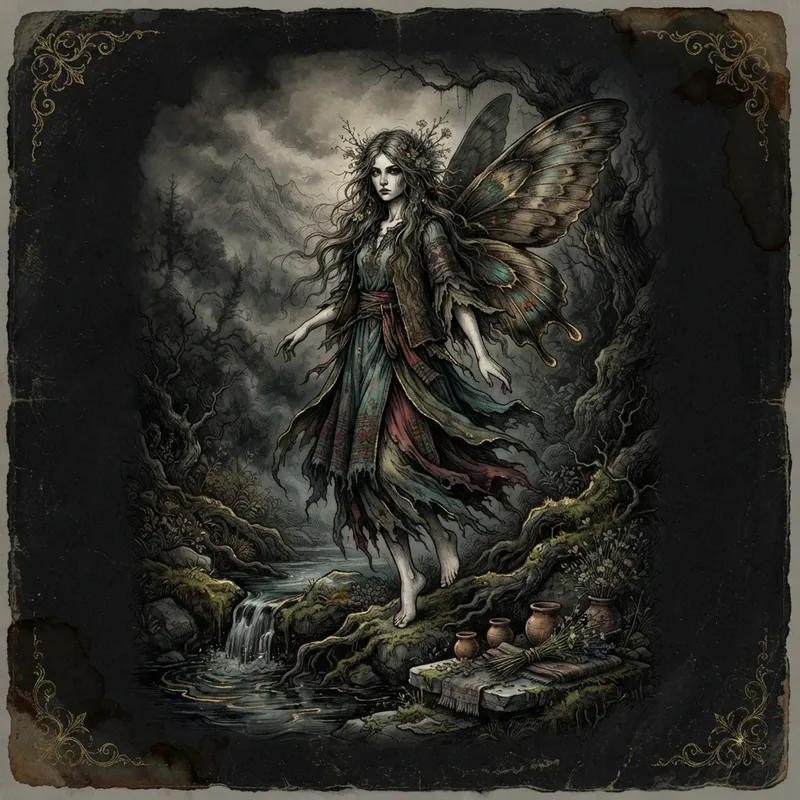
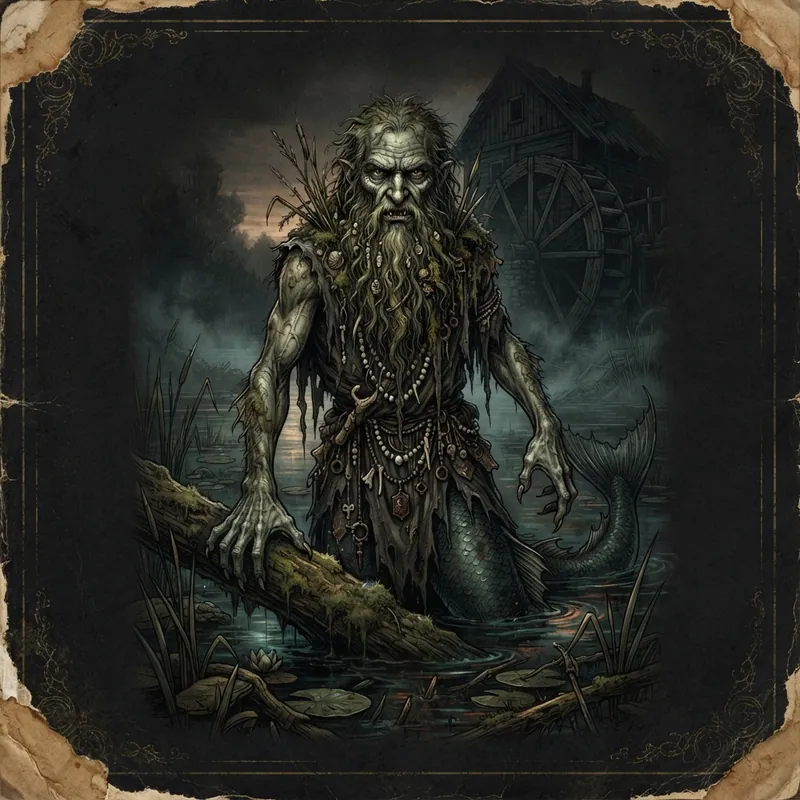
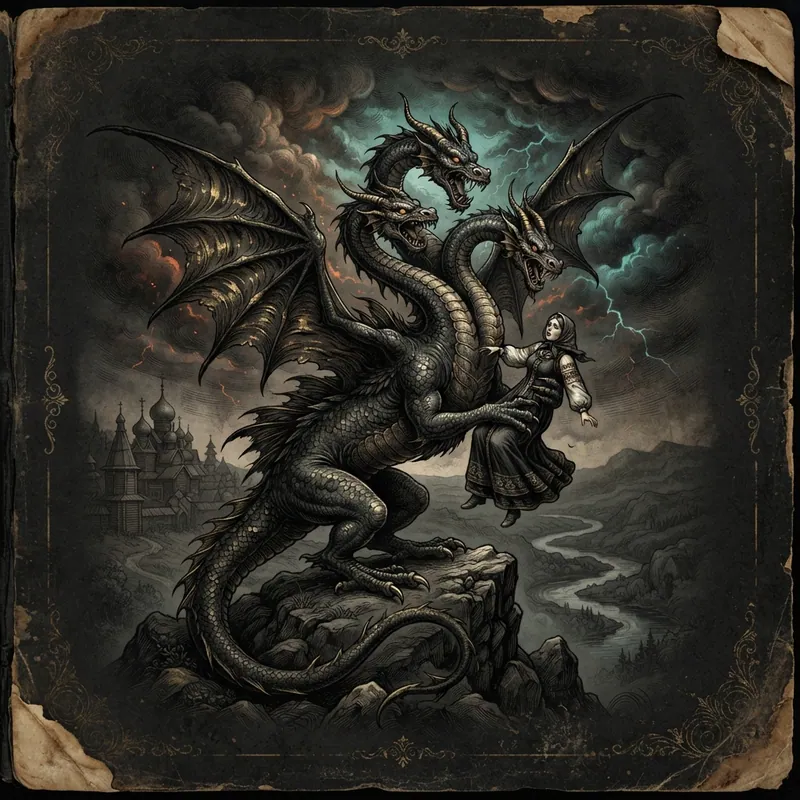
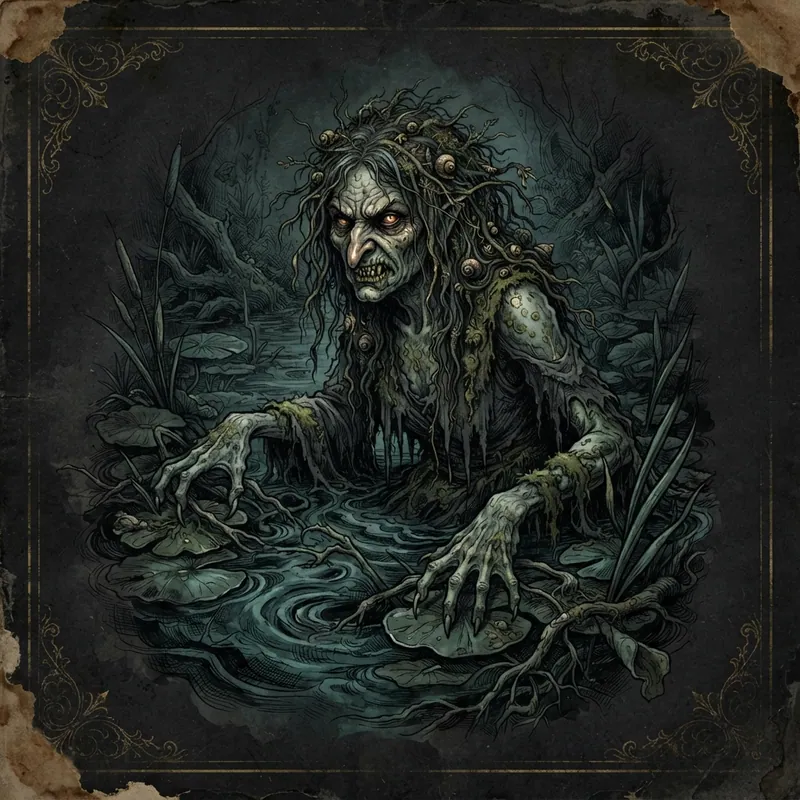
Baba YagaA formidable old woman of Slavic folktales whose hut stands on chicken legs. She can threaten, test, or aid a traveller; no single telling contains her.DomovoiA household spirit in Slavic folklore, connected with the wellbeing of the home and the obligations of those who live there.DrekavacA South Slavic night-being often linked with the souls of unbaptised or improperly buried dead. Its cry is the warning; descriptions of its body shift from village to village.KikimoraA domestic spirit in Slavic folklore, sometimes linked with unfinished household work, night noises, and unease inside the home. Tellings differ on whether she is merely mischievous or actively harmful.Koschei the DeathlessA recurring antagonist of East Slavic wonder tales whose life is hidden outside his body—often in nested objects—so he cannot be killed by ordinary means. A story figure more than a village belief.LeshyA forest being in Slavic tradition, variously imagined as guardian, trickster, or shapeshifter whose domain confuses the unwary.OvinnikA spirit associated with the ovin (grain-drying barn) in East Slavic rural lore, capable of protecting the harvest or setting it ablaze if offended.UpyrA Slavic term for a dangerous returning dead figure, often associated with improper burial or an unclean death. Later vampire fiction borrows the word but should not overwrite older regional meanings.VilaBeautiful, often winged mountain or cloud spirits in South Slavic lore (vila, samovila, samodiva), capable of aid or harm. Offerings at springs and trees belong to living memory of the cult in some communities.VodyanoyA male water spirit of Slavic lore (vodník, wodnik, and related names elsewhere), often imagined as an old, slime-slick master of ponds and rivers who drowns the bold or bargains with millers.ZmeyA dragon or serpent figure across Slavic storytelling (zmey, zmaj, smok), sometimes a storm-bringer, sometimes a shapeshifting abductor of maidens, sometimes a guardian. Local names and morals diverge widely.
 ♧
♧ ⌂
⌂ ✦
✦ ⌂
⌂ ☾
☾ ♧
♧ ⌂
⌂ ✦
✦ ♧
♧ ≈
≈ ◎
◎Europe & the North · 5
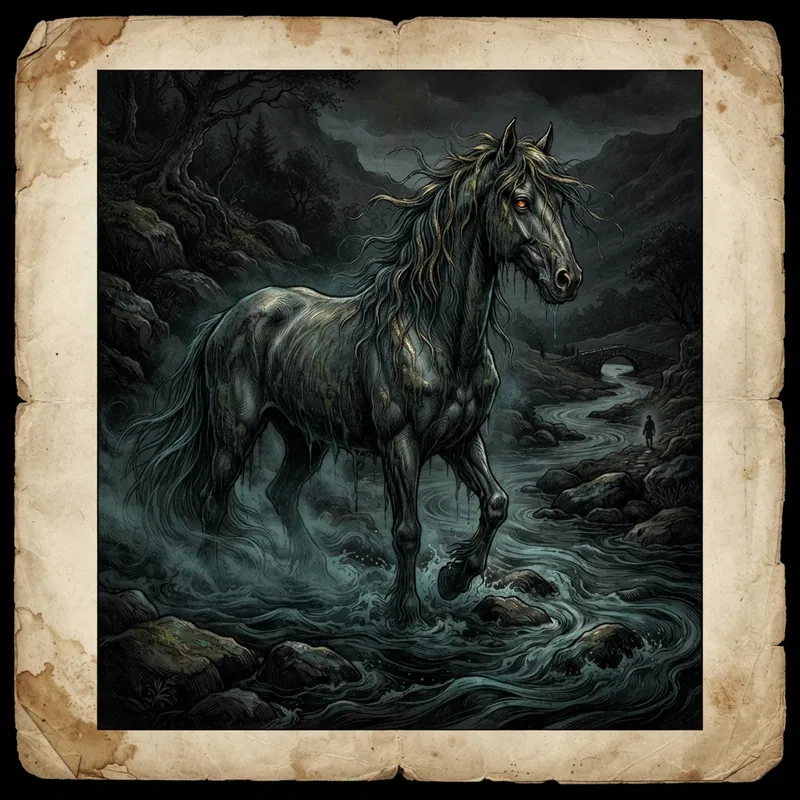
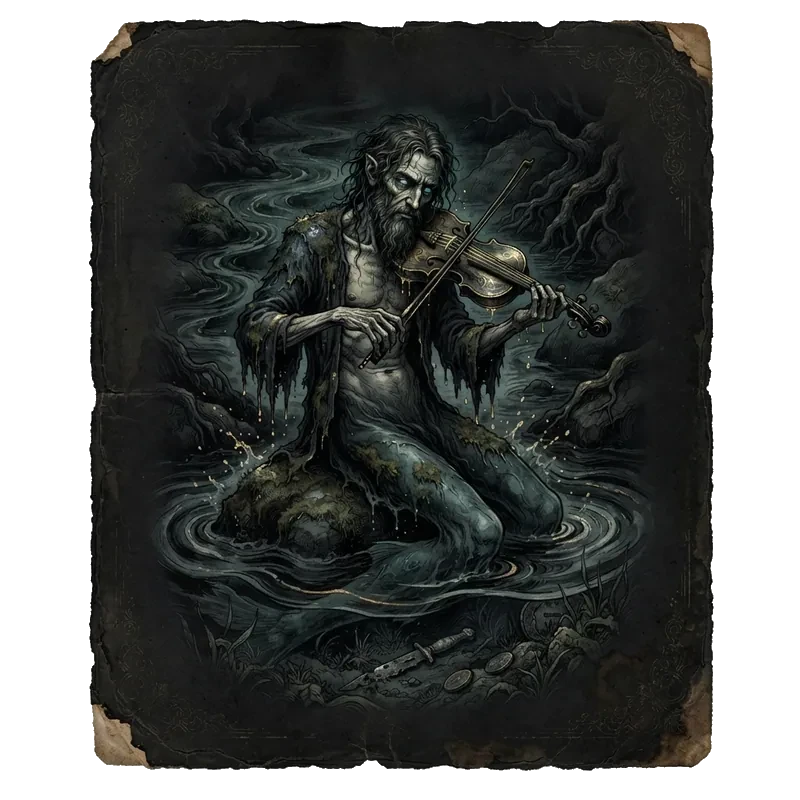
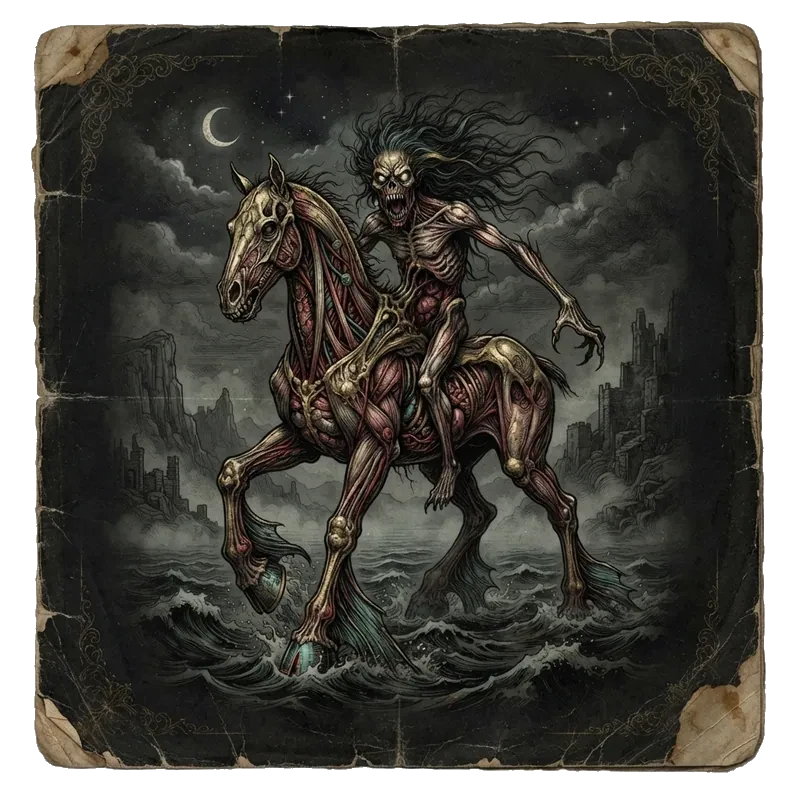
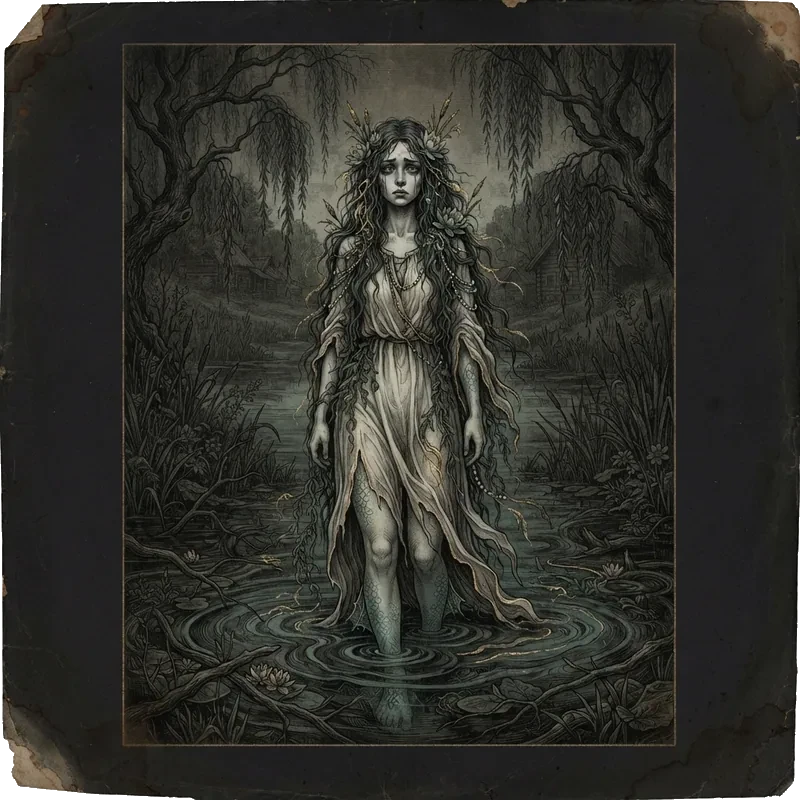
Jenny GreenteethA water hag of English regional lore, especially in the northwest, used to warn children away from weed-choked ponds and rivers. Related to grindylow and similar drowners.KelpieA shape-changing water spirit of Scottish folklore, often appearing as a horse and luring riders toward a fatal river or loch.NäckenA water spirit (näck, nøkk, nix) who plays enchanting music to lure listeners into deep water. Offerings and steel are among the traditional counters in some regions.NuckelaveeA terrifying, skinless horse-and-rider figure in Orcadian folklore, remembered in stories as a force of disease and devastation.RusalkaA Slavic water spirit, in many tellings the restless soul of a young woman who drowned or died unwed, dwelling in rivers and lakes and drawing the living to the water.
 ≈
≈ ≈
≈ ≈
≈ ☾
☾ ≈
≈Oceania & the Pacific · 2
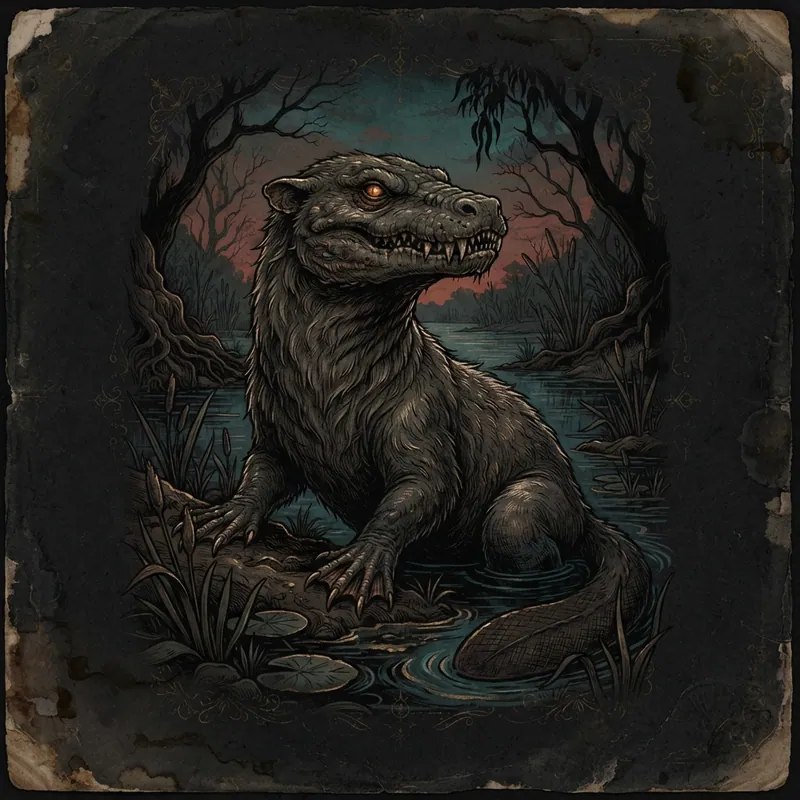
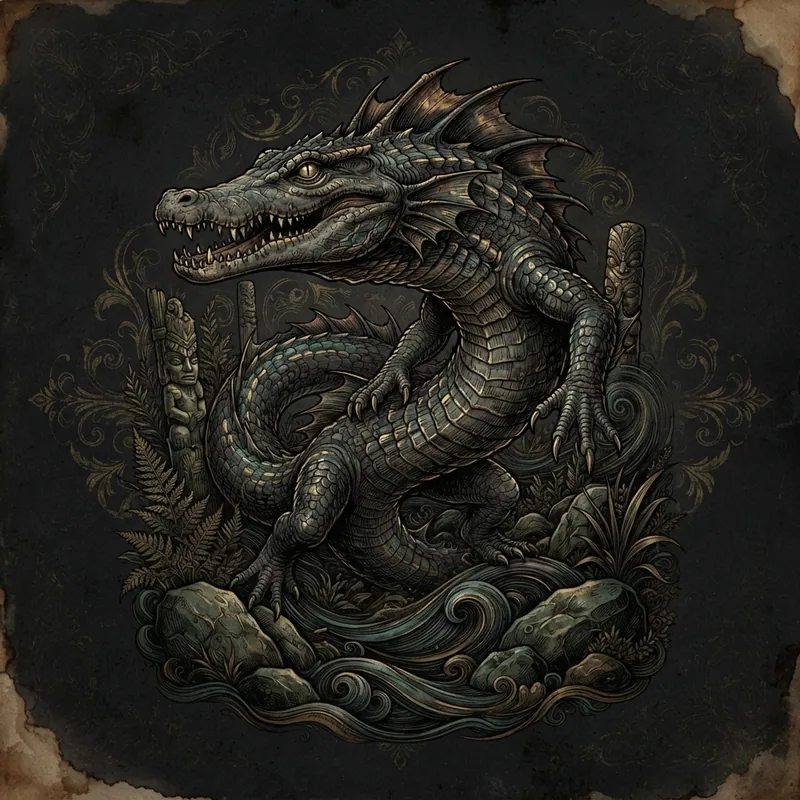
BunyipA being of Australian Aboriginal traditions and later settler retellings, associated with waterholes, swamps, and dangers at the water’s edge. Specific meanings belong to specific nations.TaniwhaTaniwha are powerful beings in Māori traditions, associated with specific places and whakapapa. They may protect, warn, or threaten depending on the story and relationship.
 ≈
≈ ≈
≈ ≈
≈ ≈
≈