BY TRADITION
Japanese folklore
16 records of Japanese folklore — the beings, warnings and stories the tradition keeps, with sources.
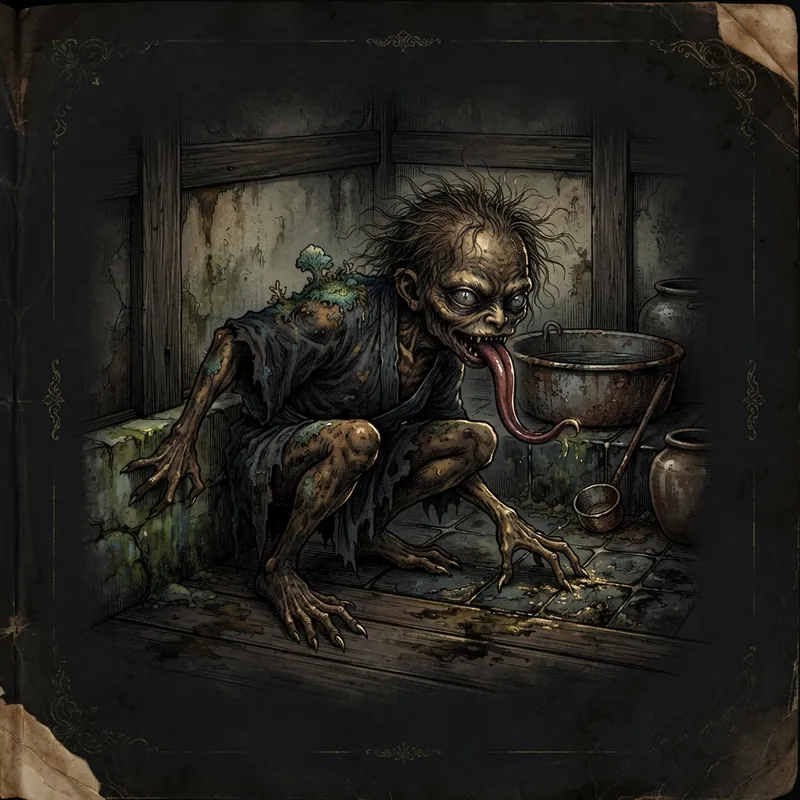
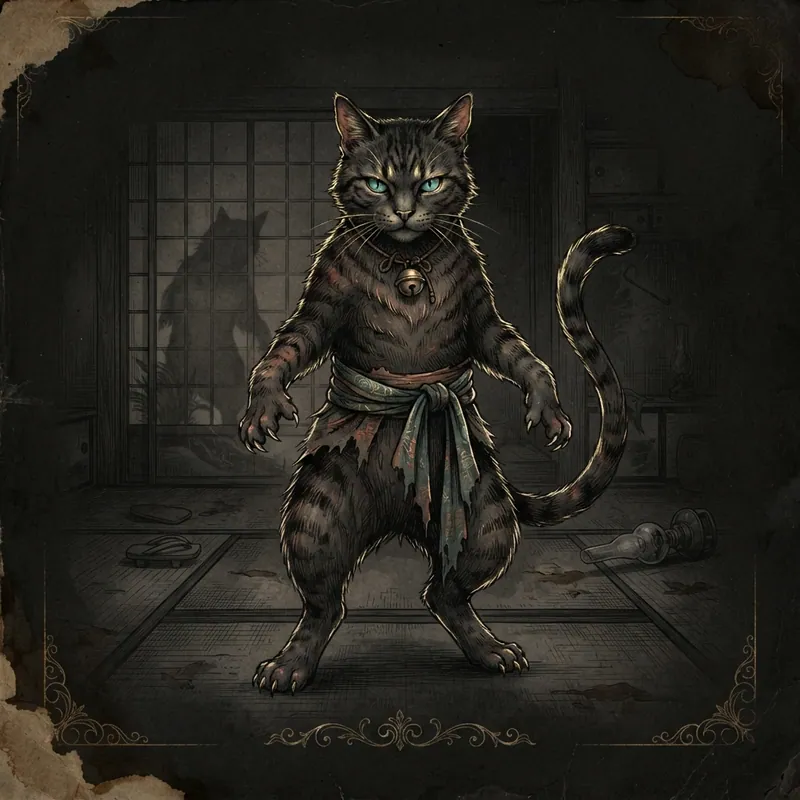
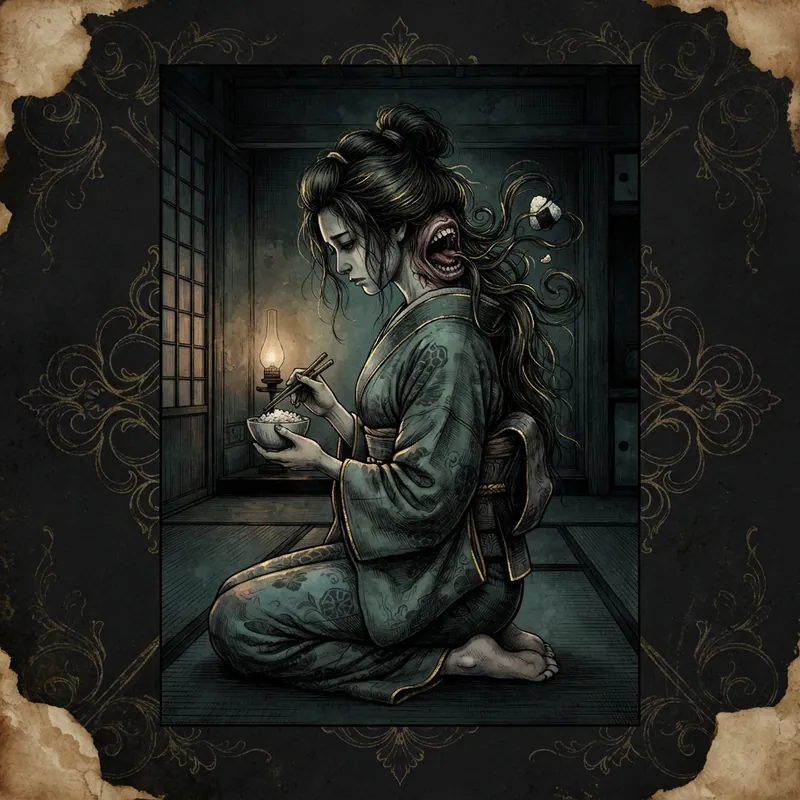
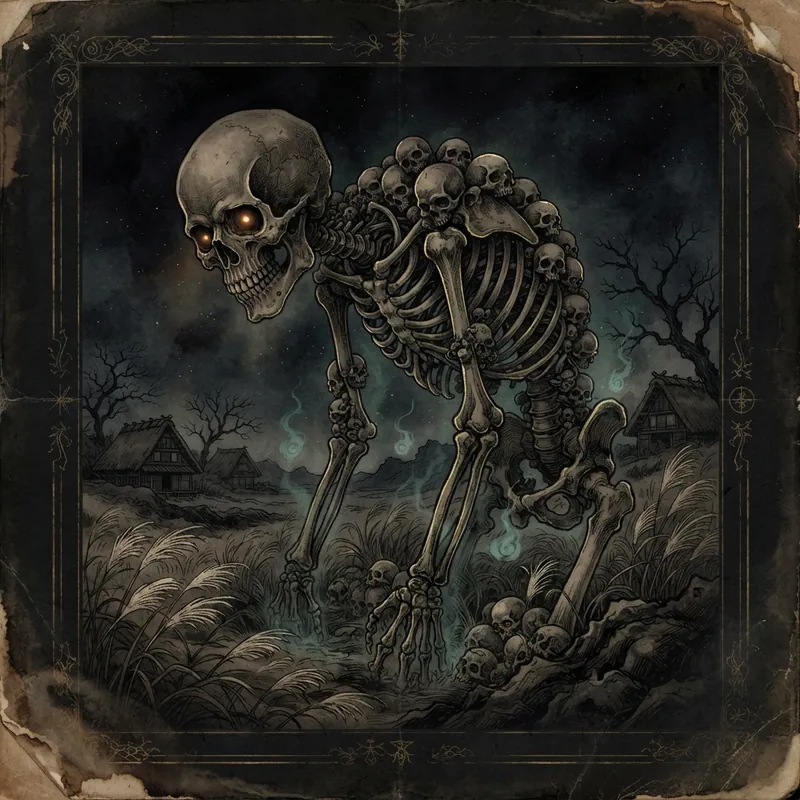
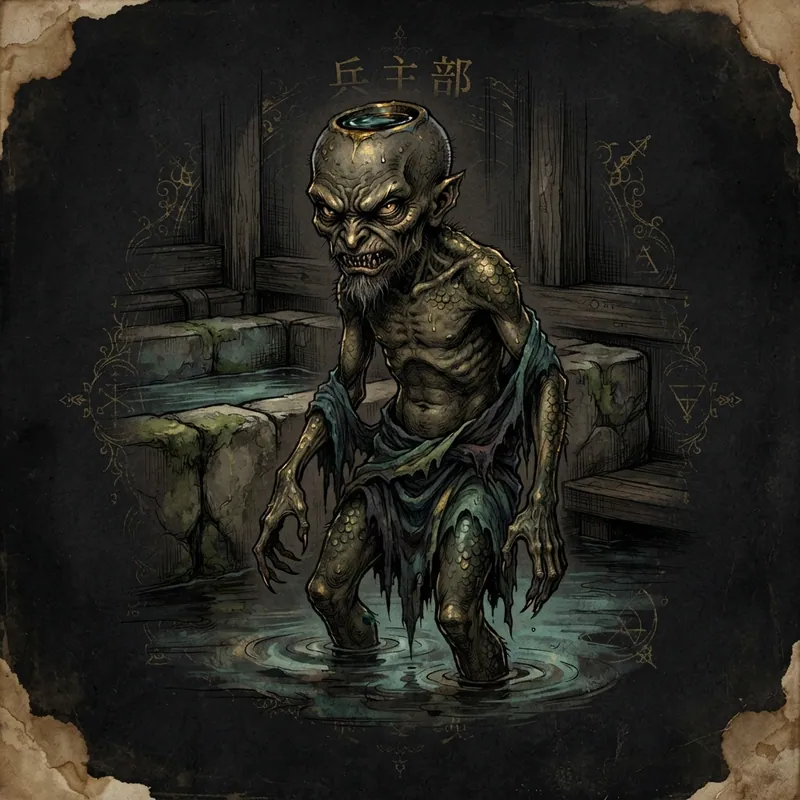
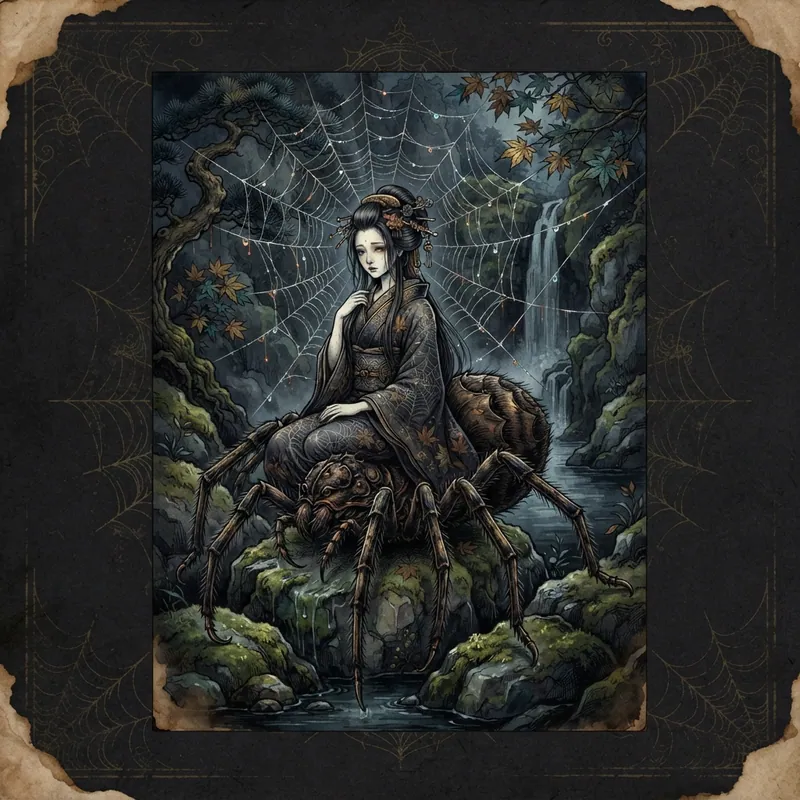
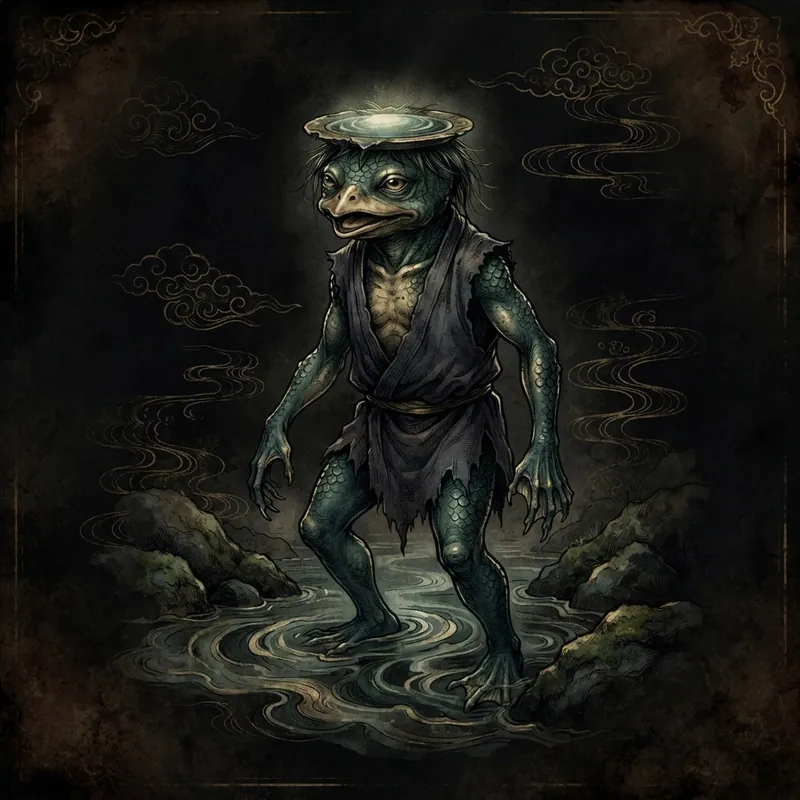
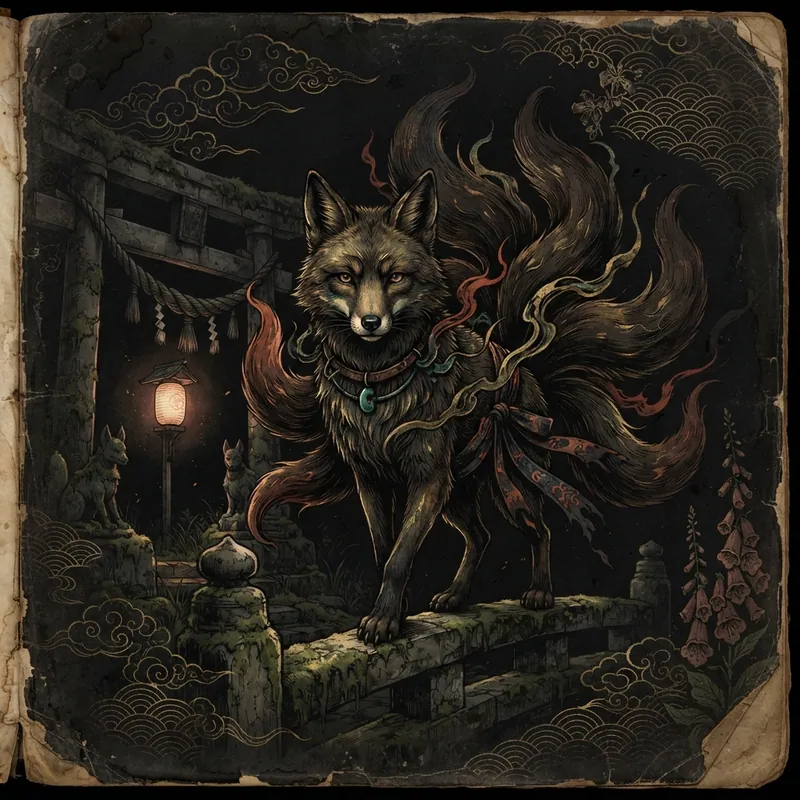
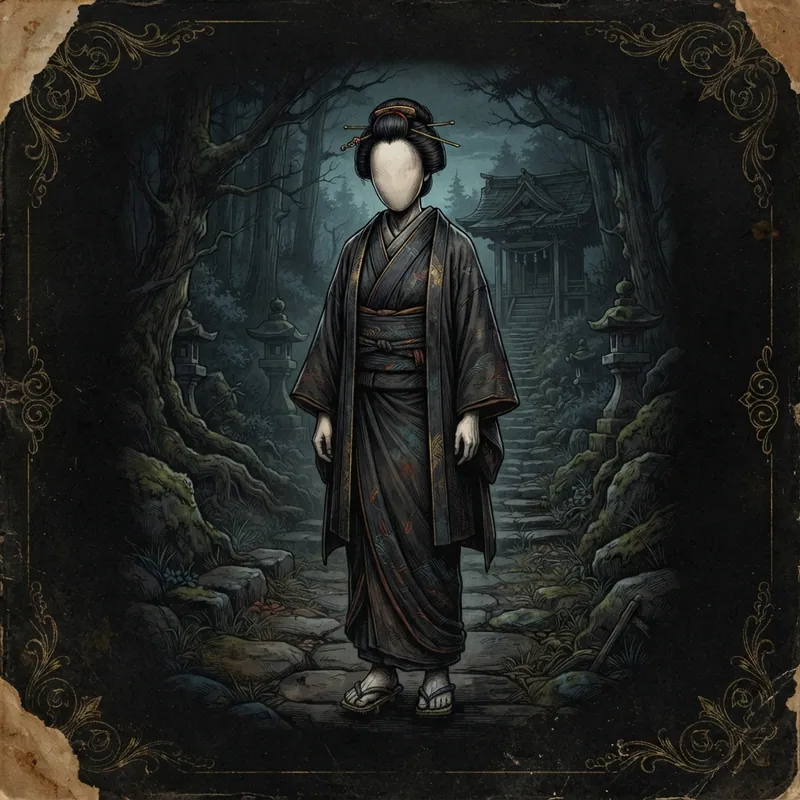
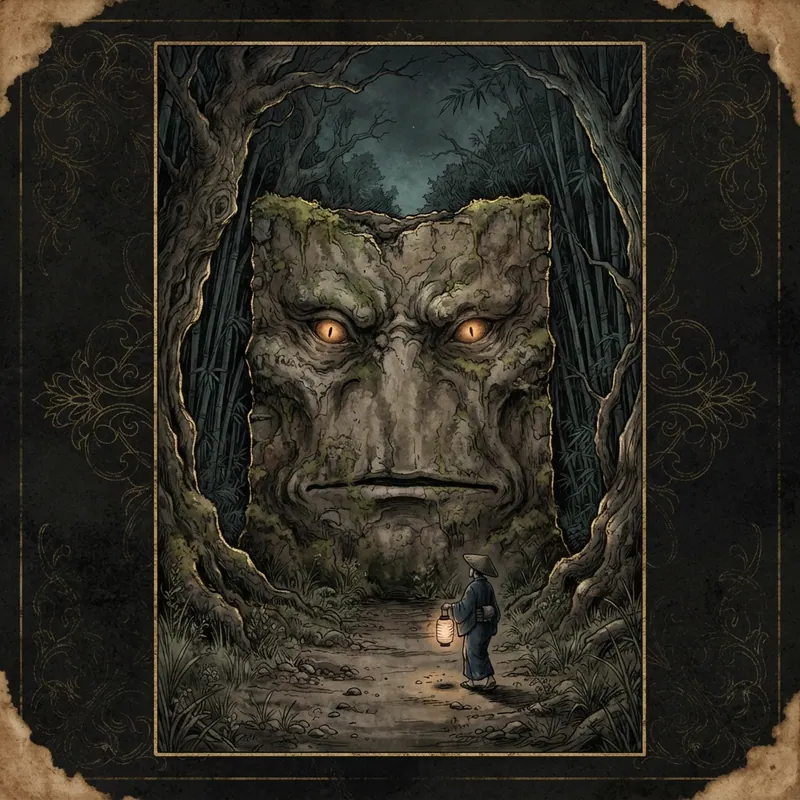
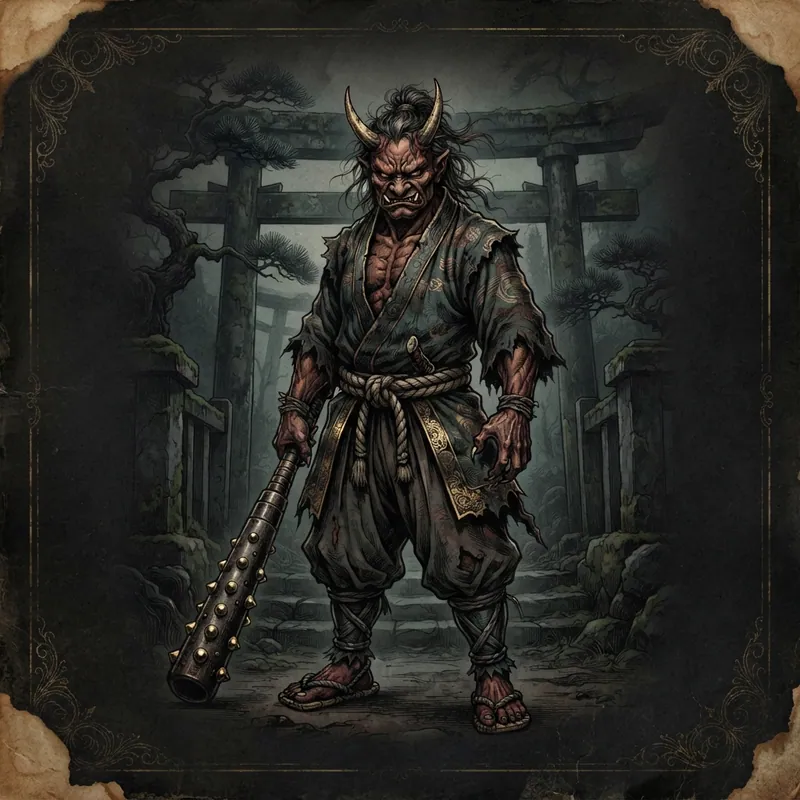
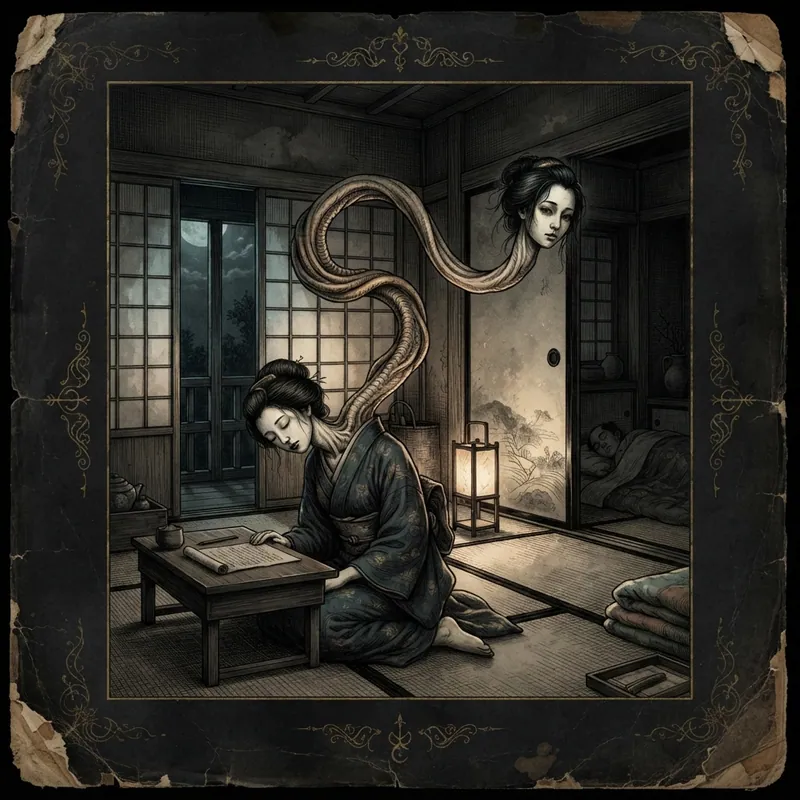
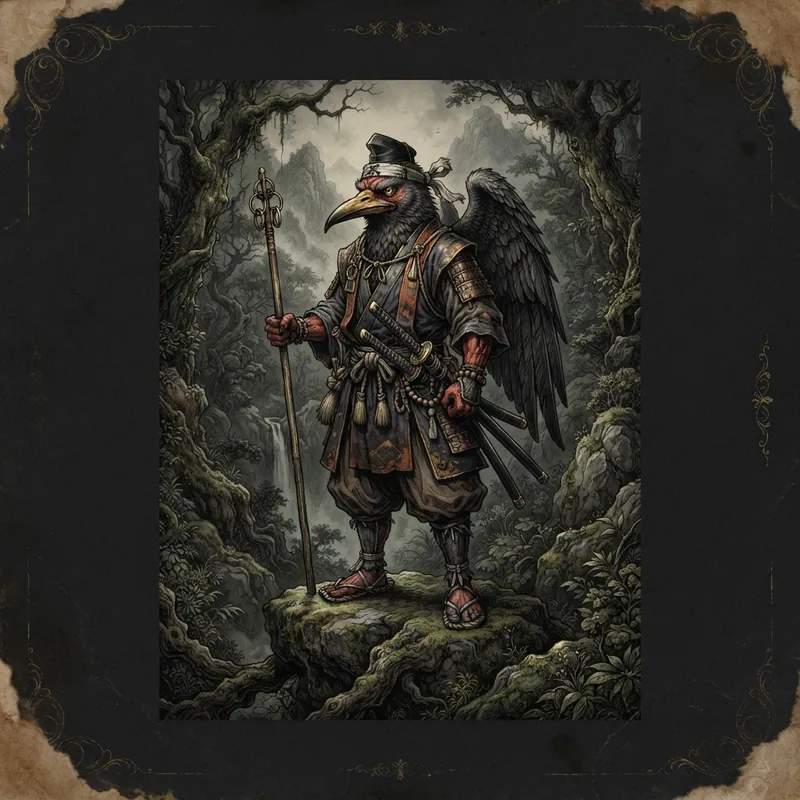
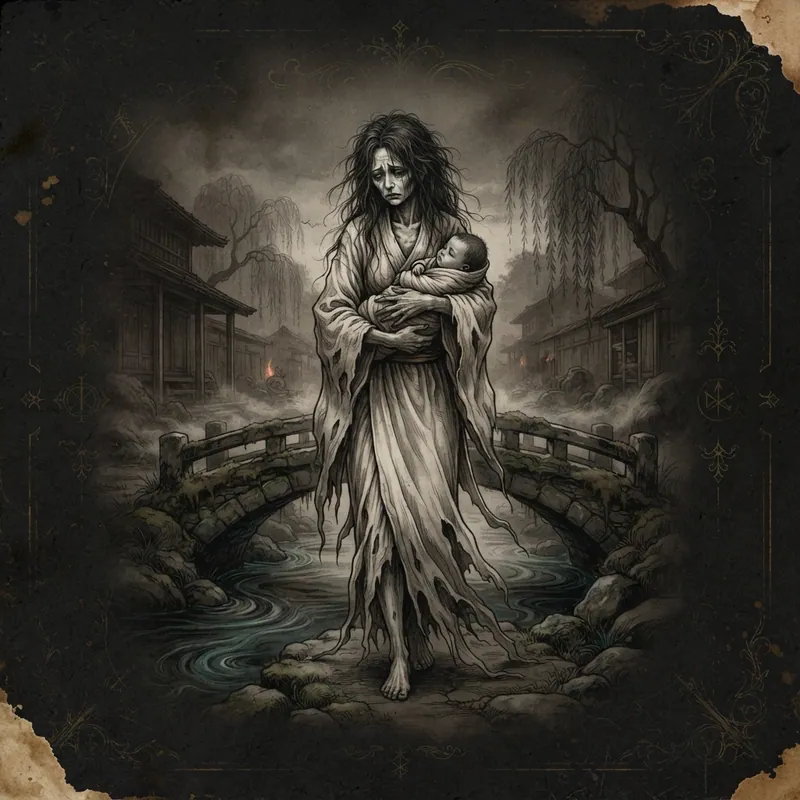
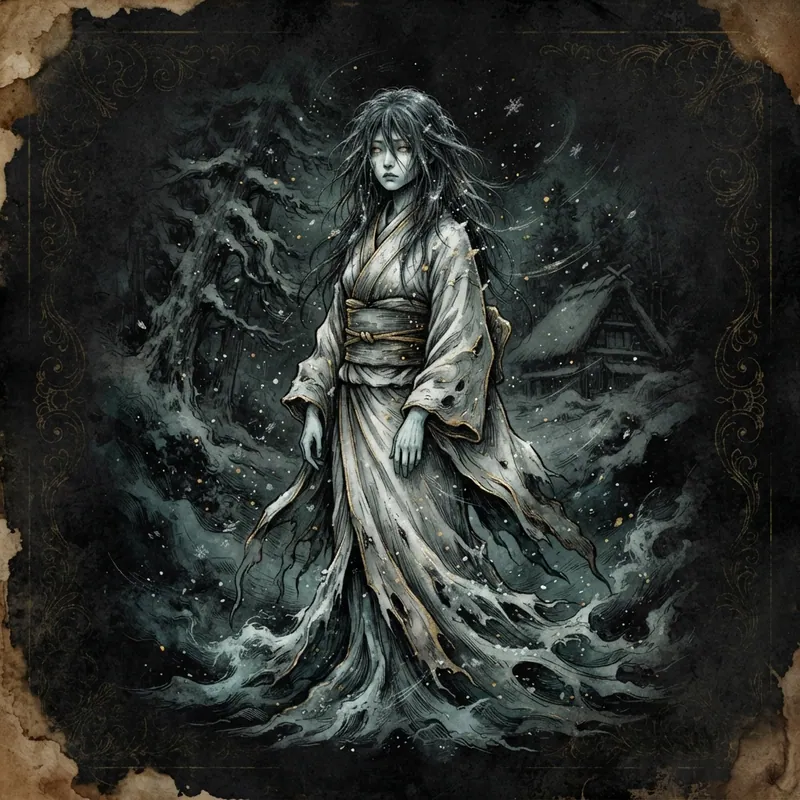
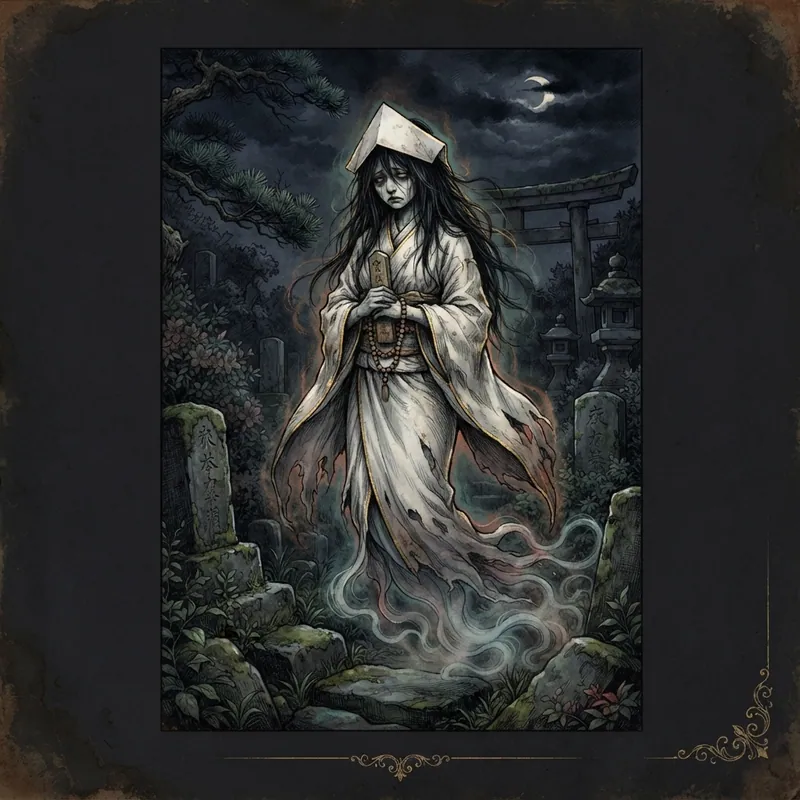
AkanameA yōkai associated with dirty bathrooms and neglected washing places, said to lick up the grime. A domestic warning dressed as a grotesque visitor.BakenekoA transformed cat of Japanese folklore, sometimes linked with age, mistreatment, or revenge. Related to, but not identical with, the split-tailed nekomata.Futakuchi-onnaA woman with a second mouth hidden in the back of her head, fed by writhing hair—often framed as a tale of neglected hunger, cruelty, or household injustice.GashadokuroA gigantic skeletal yōkai said to form from the bones of people who died of starvation or in battle without proper rites. Its approach is announced by a rattling, grinding sound.HyōsubeA kappa-like child of rivers and baths in Kyushu lore, known for invading bathhouses and leaving sickness or mischief behind. Local and kappa traditions overlap without being identical.JorōgumoA spider yōkai in Japanese tradition, often imagined as able to take the form of a woman and lure travellers.KappaA water-dwelling yōkai in Japanese folklore, famous for mischief and for stories where manners, bargains, and rivers matter.KitsuneFox spirits in Japanese tradition, ranging from messengers of Inari to tricksters and lovers in disguise. Age and number of tails mark power; not every kitsune story is malevolent.Noppera-bōThe faceless ghost of Japanese urban and roadside lore, often appearing first as an ordinary person before revealing a smooth, featureless face—a jolt more than a long chase.NurikabeA yōkai that appears as an invisible or plaster-like wall, blocking travellers at night. Folklore remedies include tapping the base; the joke and the dread share the same obstacle.OniOgre-like beings in Japanese storytelling and festival imagery, associated with punishment, otherworldly strength, and the driving-out of misfortune (as in Setsubun). Many local and literary variants exist.RokurokubiA yōkai whose neck stretches enormously at night while the body sleeps or sits still. Some tellings treat the person as unaware; others as knowing and predatory.TenguMountain beings of Japanese folklore, once feared as demons of pride and disruption, later also imagined as martial teachers and protectors of sacred peaks. Crow and human-like forms both appear.UbumeA spirit associated with women who died in childbirth in Japanese lore, often appearing near water or bridges and testing the living with a baby that becomes impossibly heavy.Yuki-onnaThe snow woman of Japanese folklore, appearing in mountain storms as a beautiful, deadly figure of cold. Motives range from predation to strange mercy depending on the tale.YūreiSpirits of the dead that linger for unresolved reasons — often bound to places, objects, or grudges — until the matter that holds them is finally settled.
 ⌂
⌂ ◎
◎ ☾
☾ ✦
✦ ≈
≈ ◎
◎ ≈
≈ ◎
◎ ◎
◎ ☾
☾ ☾
☾ ☾
☾ ♧
♧ ✦
✦ ☾
☾ ◌
◌