THE ATLAS, BY REGION
Eastern Europe
25 records held across 13 traditions.
East Slavic folklore · 2
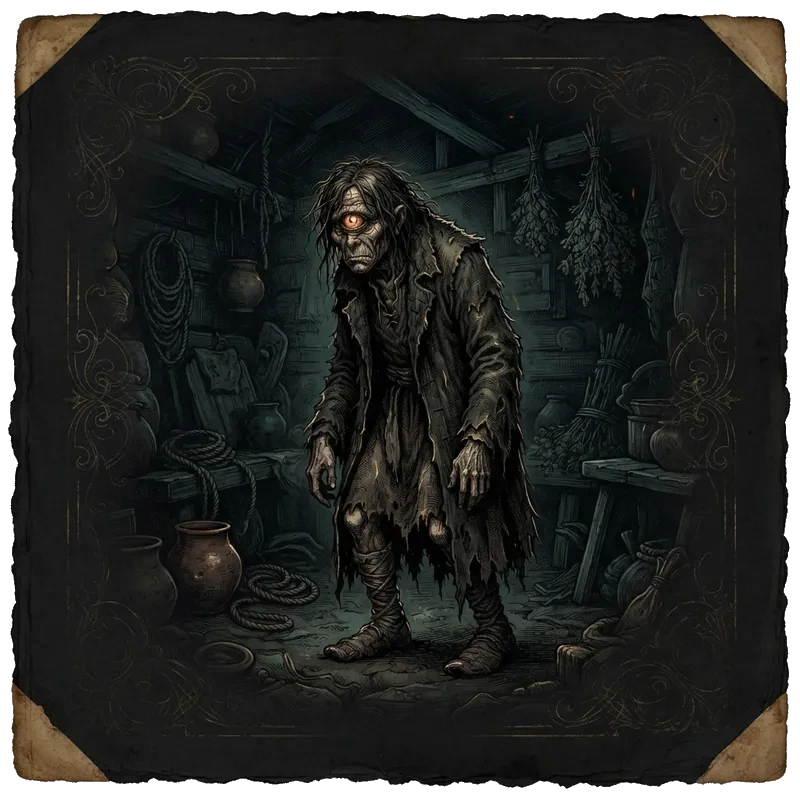
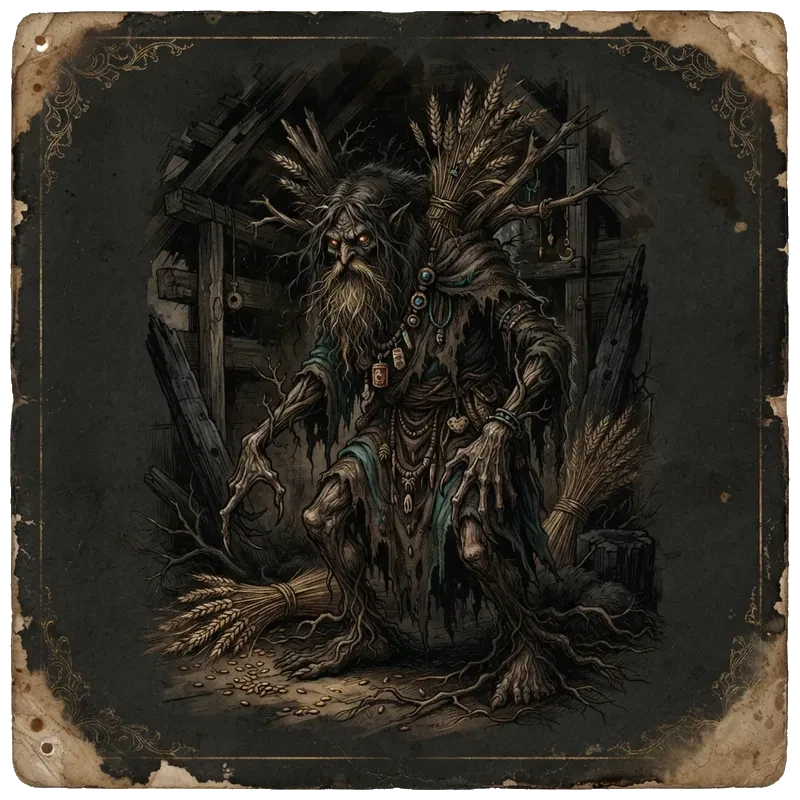
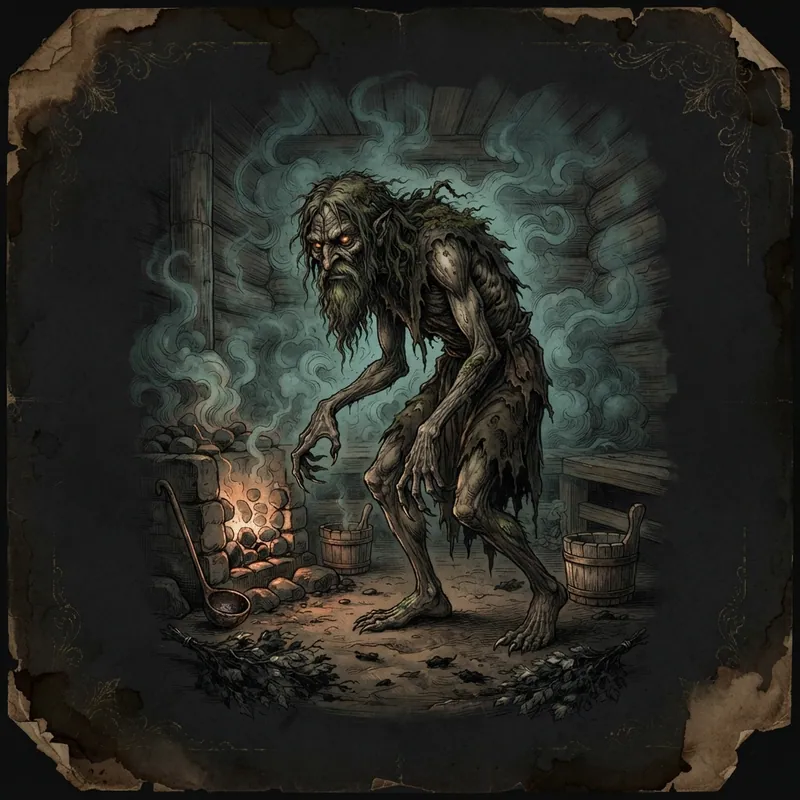
LikhoPersonified misfortune in East Slavic tradition, sometimes imagined as a one-eyed being that attaches itself to a household or traveller. Related to ideas of fate and doom rather than a single fixed monster.OvinnikA spirit associated with the ovin (grain-drying barn) in East Slavic rural lore, capable of protecting the harvest or setting it ablaze if offended.
 ✧
✧ ⌂
⌂East Slavic folktales · 1
 ☾
☾Estonian folklore · 1
 ⌂
⌂Hungarian folklore · 1
 ☾
☾Jewish folklore · 1
 ⌬
⌬Lithuanian folklore · 1
 ⌂
⌂Polish folklore · 3
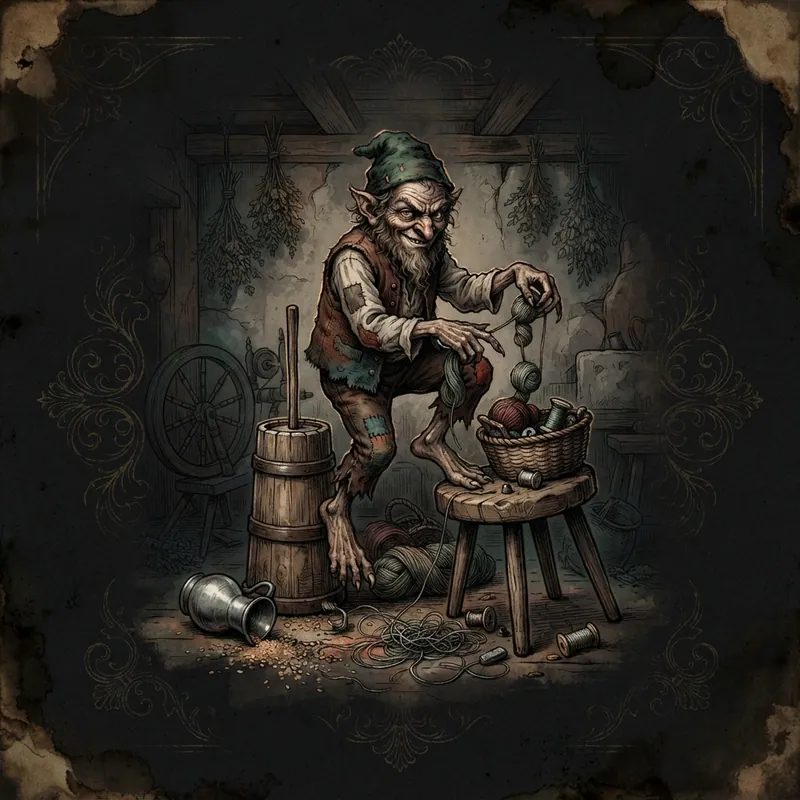
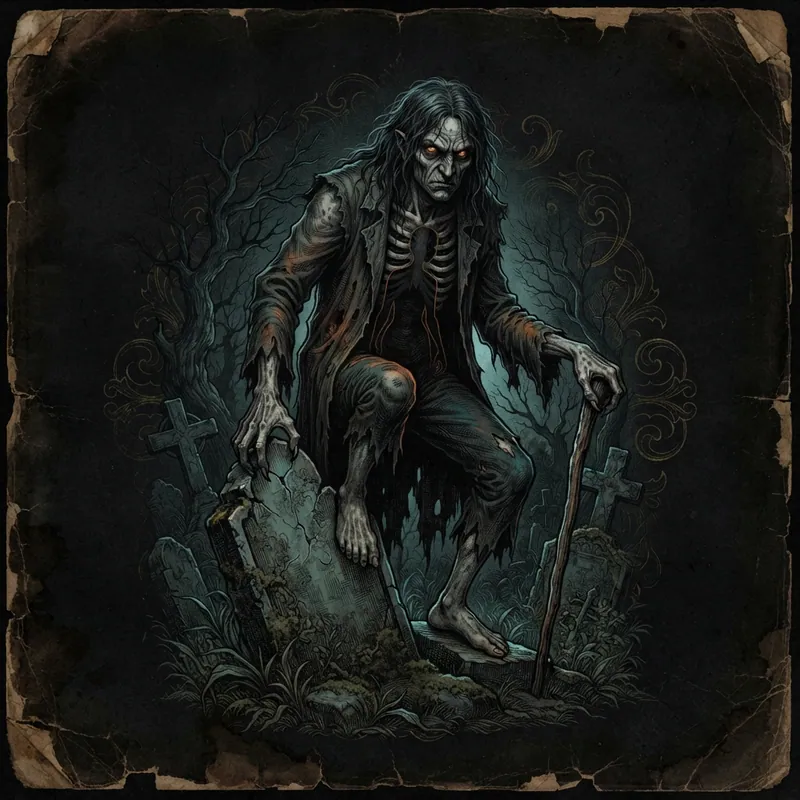
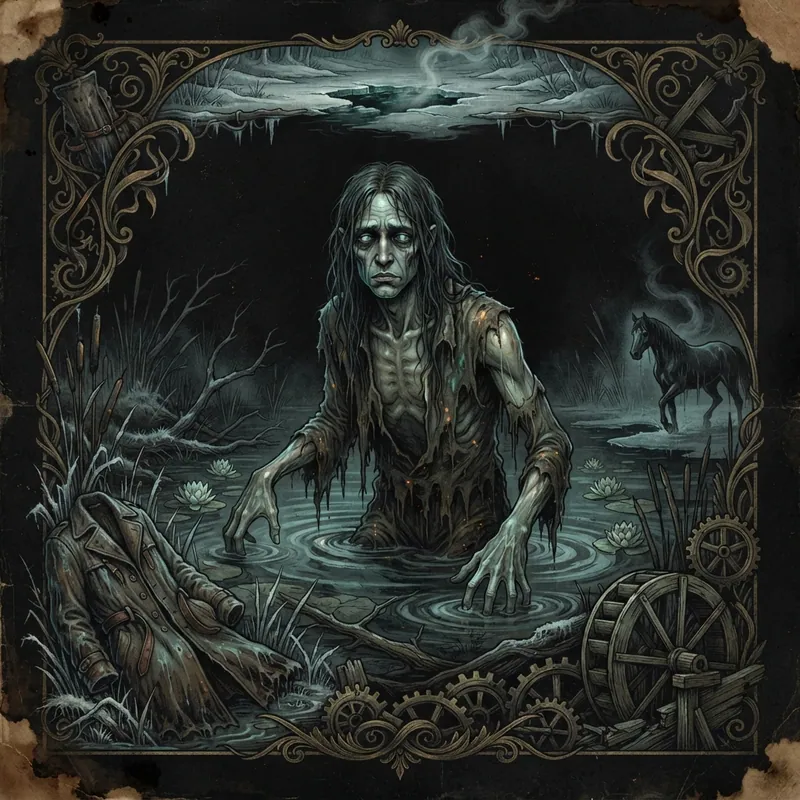
PsotnikA mischievous domestic or farm spirit in Polish lore, closer to a trickster of chores and objects than a graveyard horror—still capable of spoiling work and temper.StrzygaIn Polish and related lore, a strzyga (or striga) is often a person born with two souls or two hearts who becomes a predatory undead after death. Folklore and later fiction should not be collapsed into one rule.TopielecIn Polish folklore a topielec or utopiec is often the restless soul of someone who drowned, waiting in river, pond, or swamp to pull others under. Overlaps with wodnik, but is not identical to the rusalka of neighbouring lands.
 ⌂
⌂ ✦
✦ ✦
✦Romanian folklore · 2
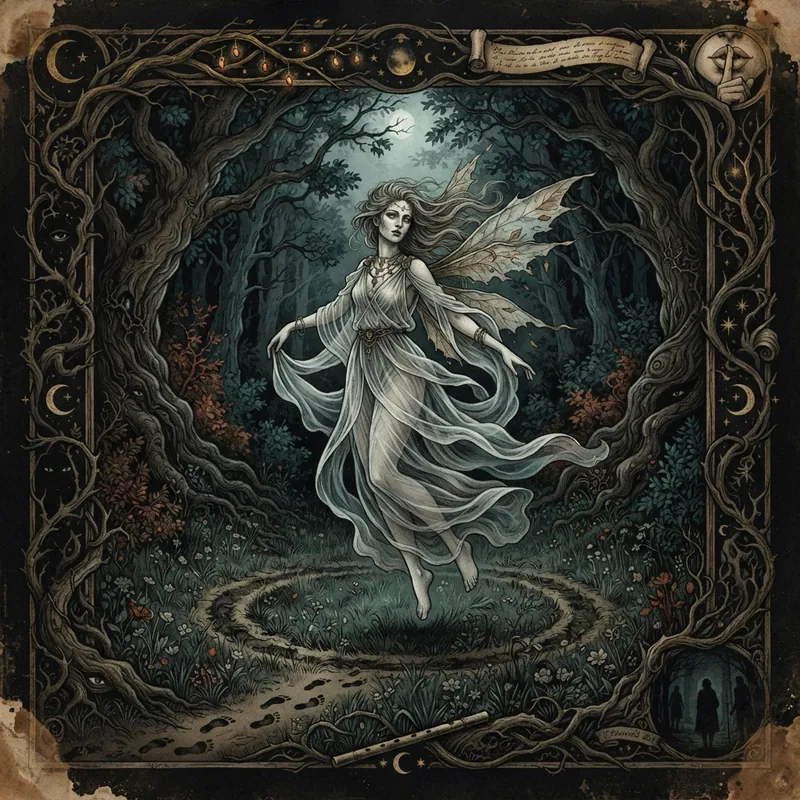
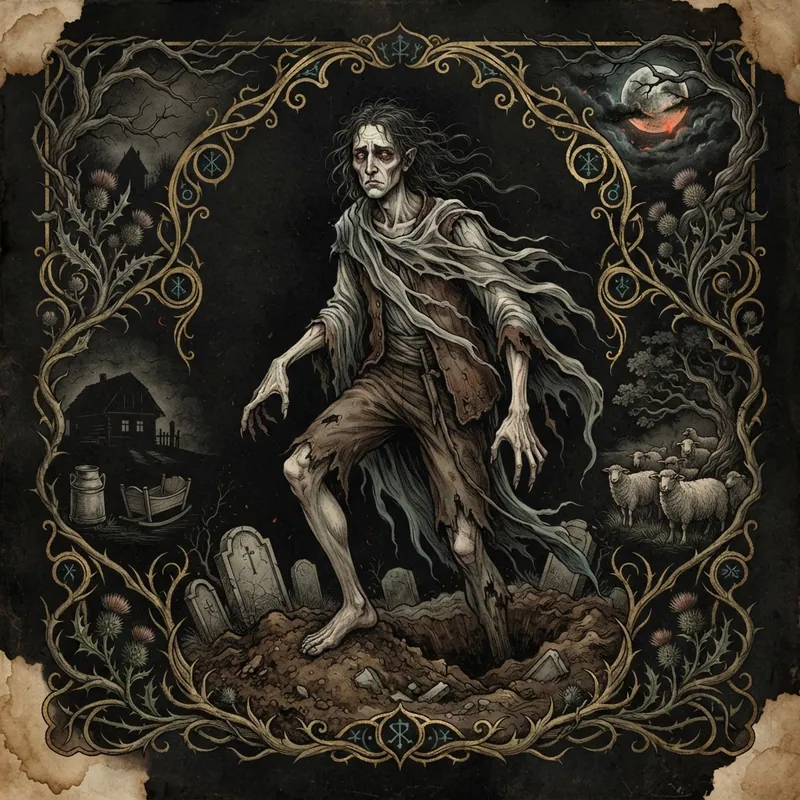
IeleFeminine night dancers of Romanian folklore, known by many polite names, whose hora in woods, meadows, and watersides can bless or ruin those who watch. Related to South Slavic vila, but not the same being.StrigoiIn Romanian folklore a strigoi may be a living person whose soul wanders at night, or a dead revenant who returns to trouble family and herd. Distinct from the Polish strzyga and from literary Dracula.
 ❋
❋ ☠
☠Russian folklore · 1
 ⌂
⌂Slavic field lore · 1
 ✧
✧Slavic folklore · 7
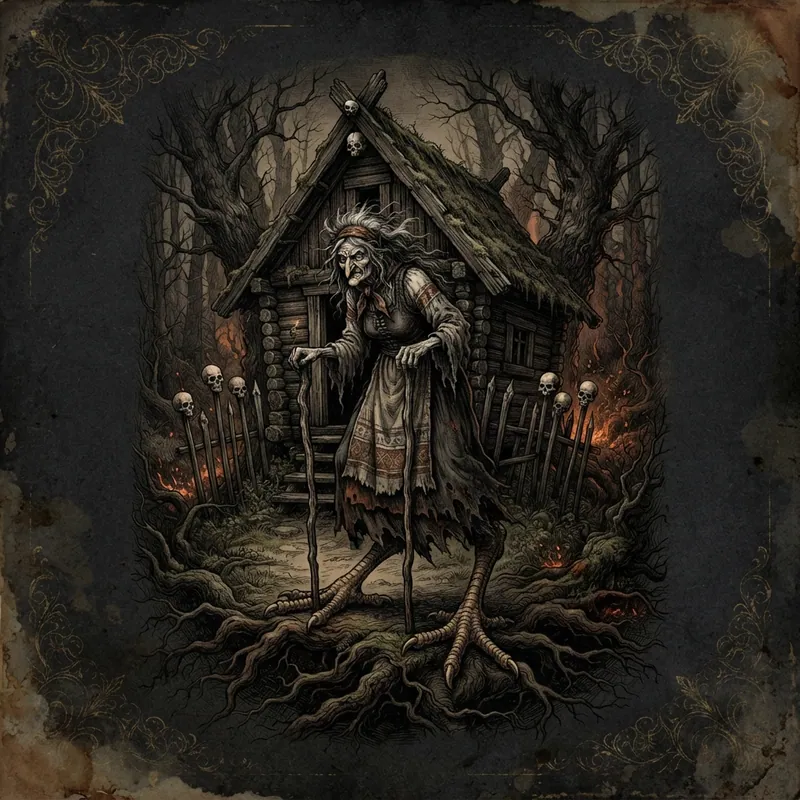
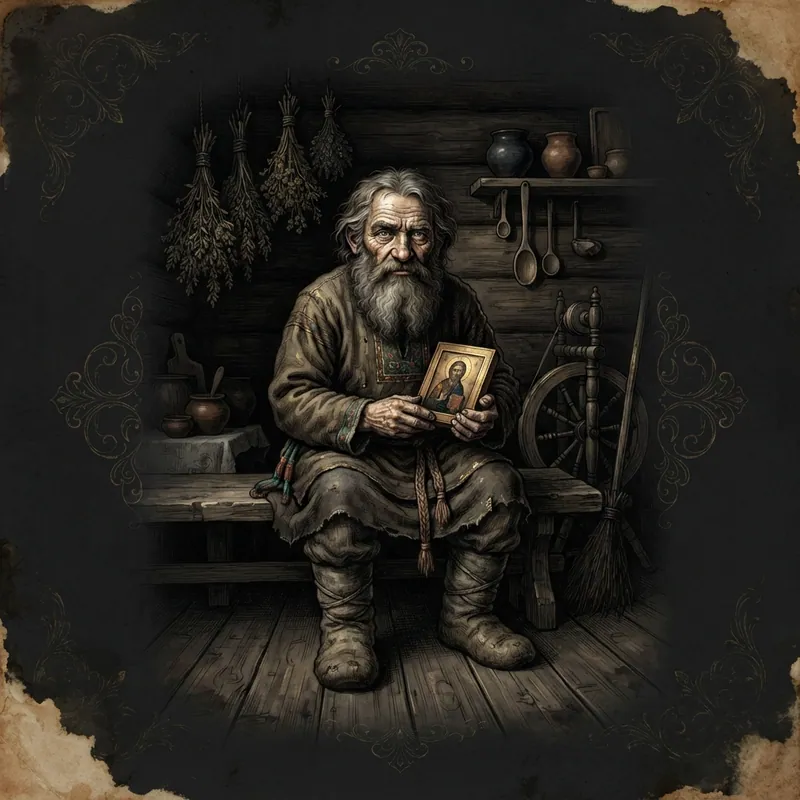
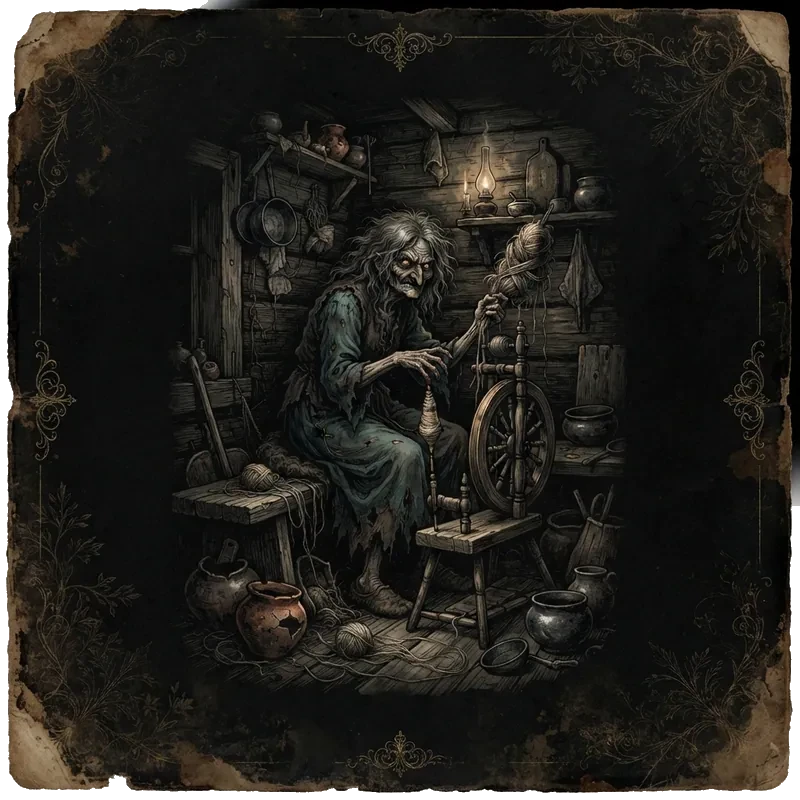
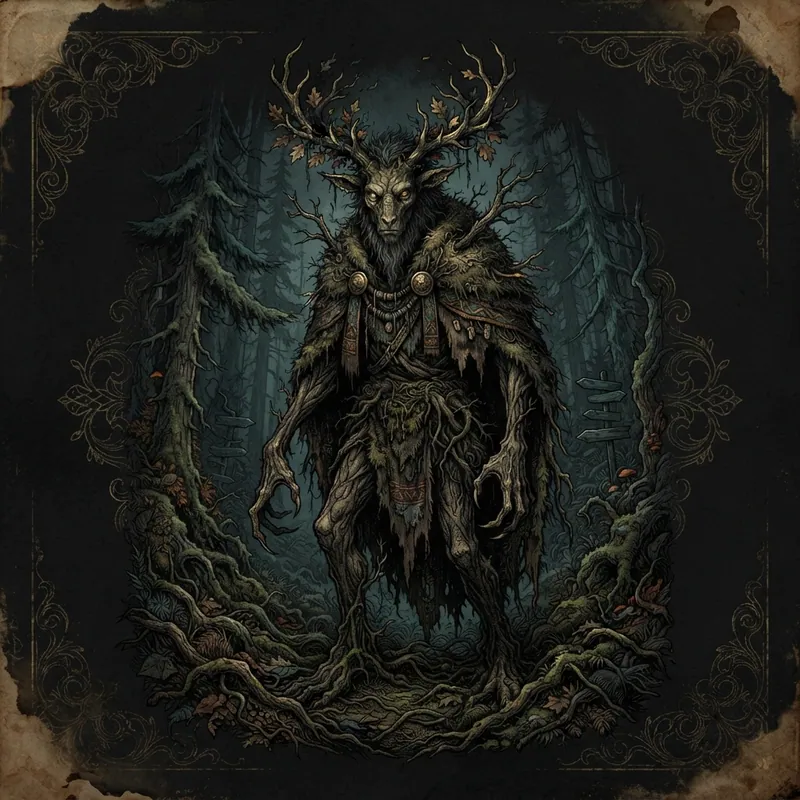
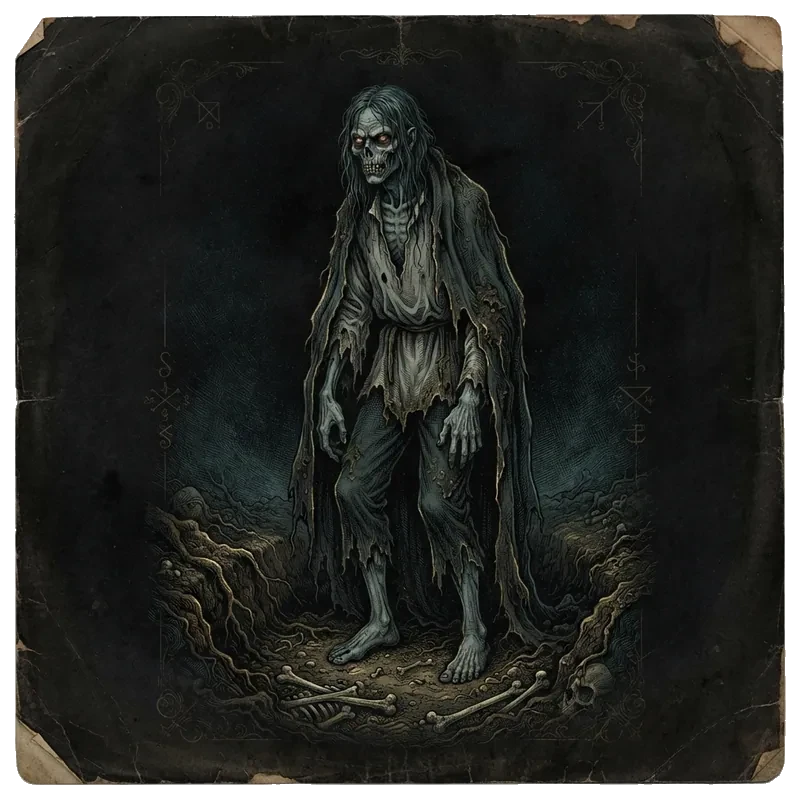
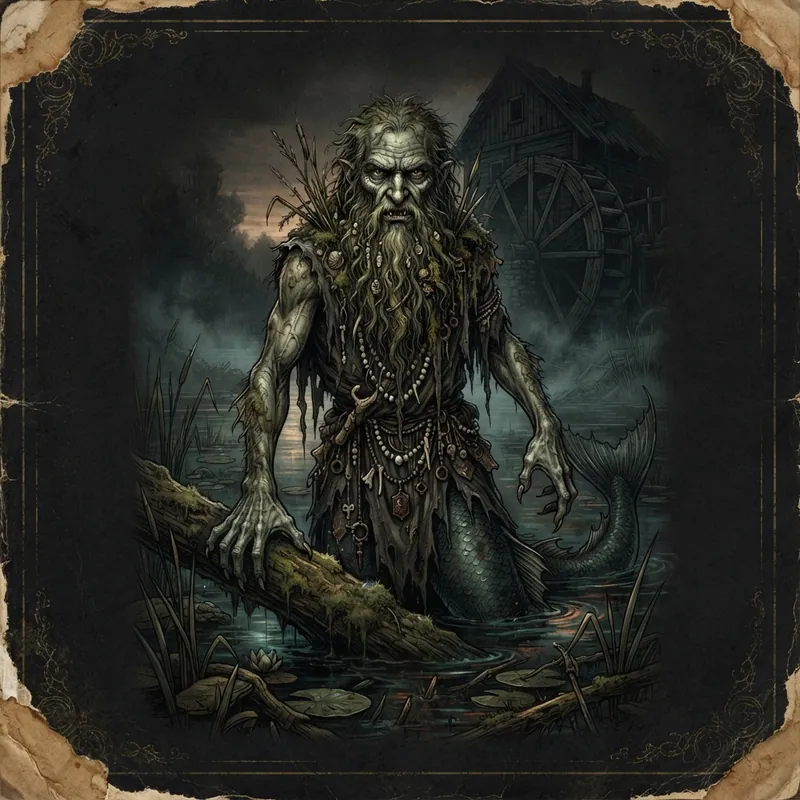
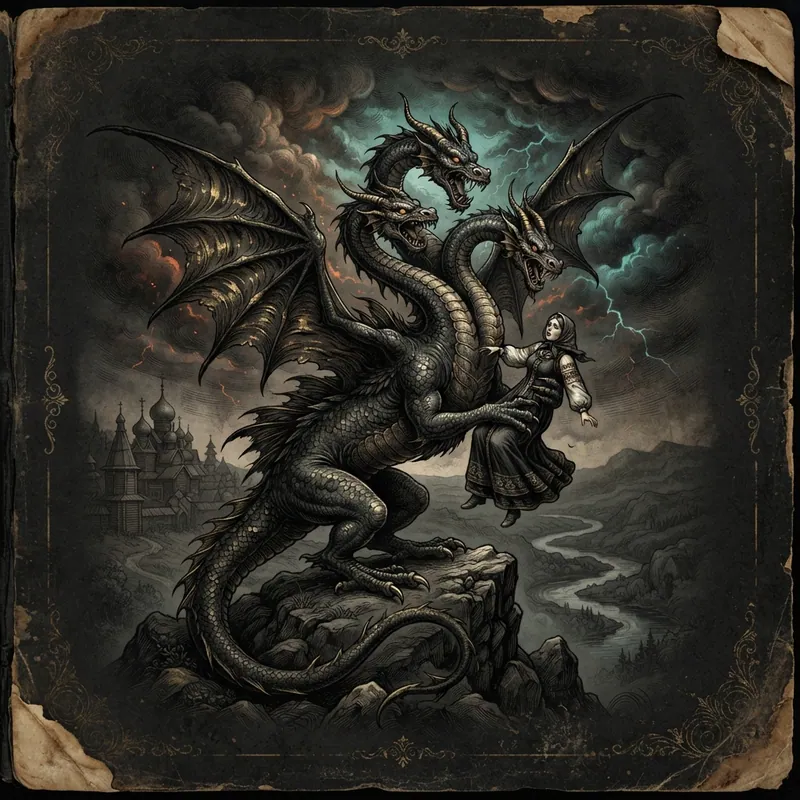
Baba YagaA formidable old woman of Slavic folktales whose hut stands on chicken legs. She can threaten, test, or aid a traveller; no single telling contains her.DomovoiA household spirit in Slavic folklore, connected with the wellbeing of the home and the obligations of those who live there.KikimoraA domestic spirit in Slavic folklore, sometimes linked with unfinished household work, night noises, and unease inside the home. Tellings differ on whether she is merely mischievous or actively harmful.LeshyA forest being in Slavic tradition, variously imagined as guardian, trickster, or shapeshifter whose domain confuses the unwary.UpyrA Slavic term for a dangerous returning dead figure, often associated with improper burial or an unclean death. Later vampire fiction borrows the word but should not overwrite older regional meanings.VodyanoyA male water spirit of Slavic lore (vodník, wodnik, and related names elsewhere), often imagined as an old, slime-slick master of ponds and rivers who drowns the bold or bargains with millers.ZmeyA dragon or serpent figure across Slavic storytelling (zmey, zmaj, smok), sometimes a storm-bringer, sometimes a shapeshifting abductor of maidens, sometimes a guardian. Local names and morals diverge widely.
 ♧
♧ ⌂
⌂ ⌂
⌂ ♧
♧ ✦
✦ ≈
≈ ◎
◎South Slavic folklore · 3
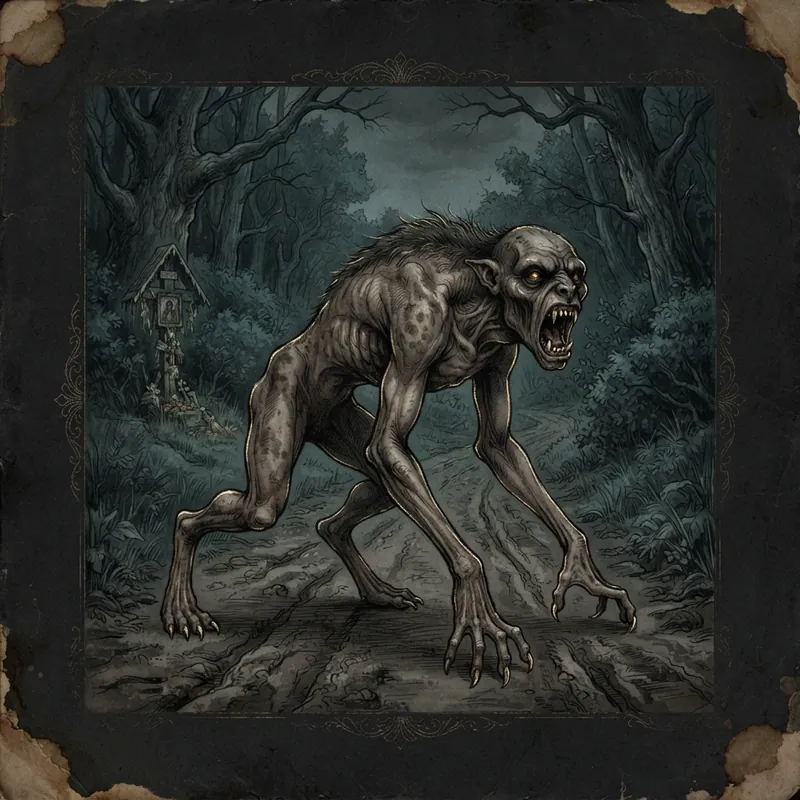
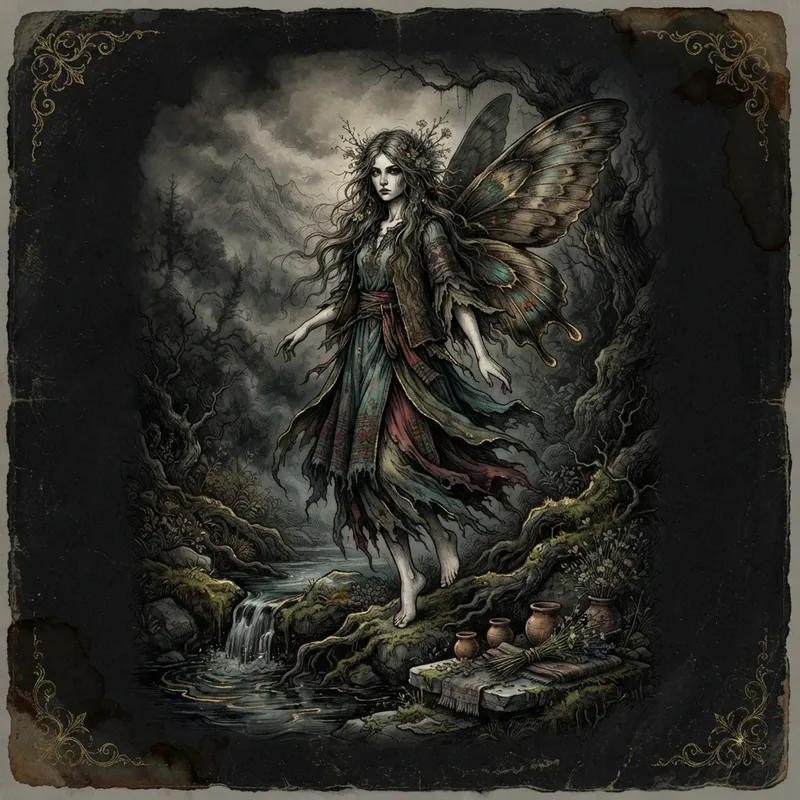
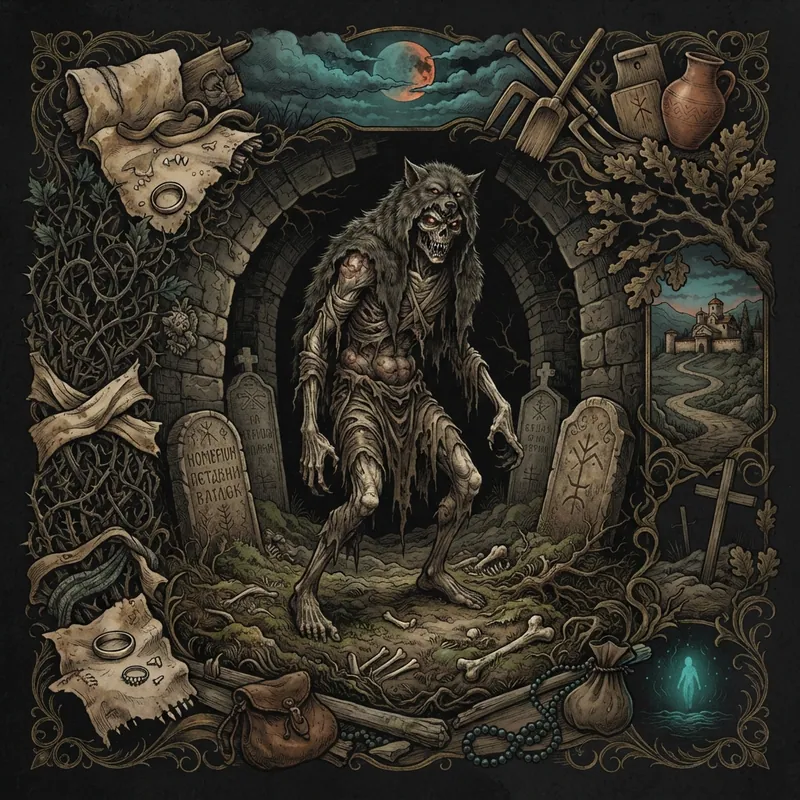
DrekavacA South Slavic night-being often linked with the souls of unbaptised or improperly buried dead. Its cry is the warning; descriptions of its body shift from village to village.VilaBeautiful, often winged mountain or cloud spirits in South Slavic lore (vila, samovila, samodiva), capable of aid or harm. Offerings at springs and trees belong to living memory of the cult in some communities.VukodlakA South Slavic wolf-skinned being whose name means wolf-hair. In Serbia, Bosnia, and neighbouring lands the word often names a revenant that drinks blood, not the literary werewolf of Western Europe.
 ✦
✦ ♧
♧ ☽
☽ ♧
♧